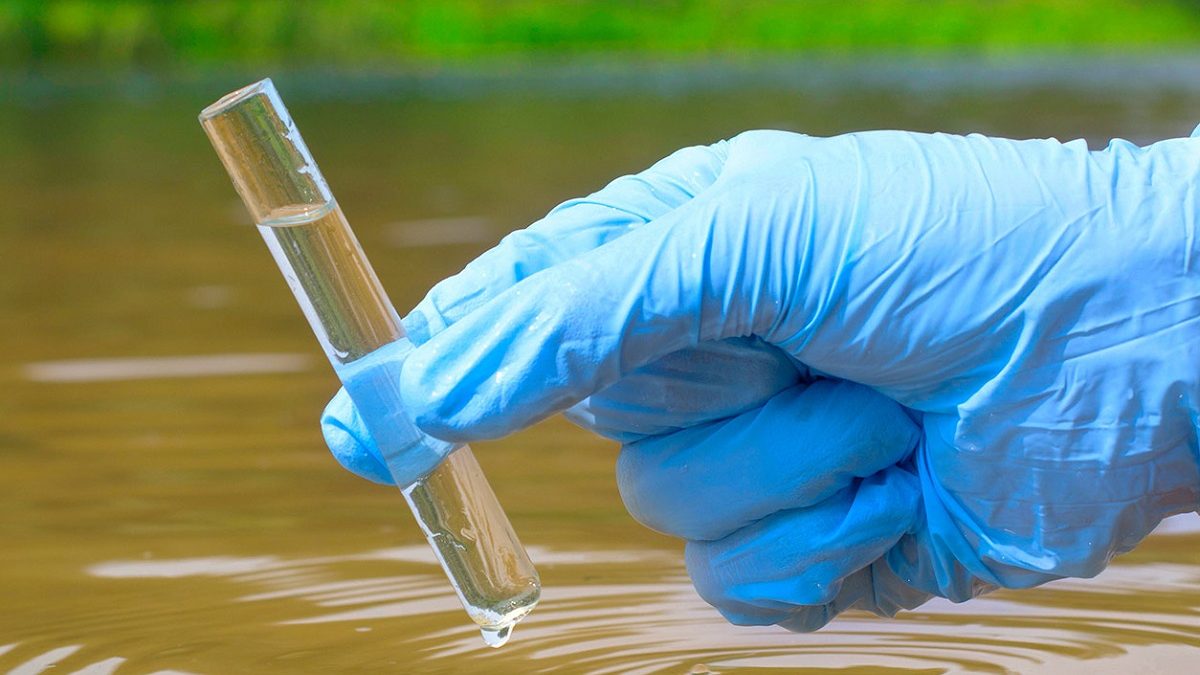
Guest commentary: We need the North Carolina General Assembly to step up and protect their constituents as the EPA rolls out its stated plans to eliminate nationwide drinking water standards for PFAS, a known human health risk.
EPA
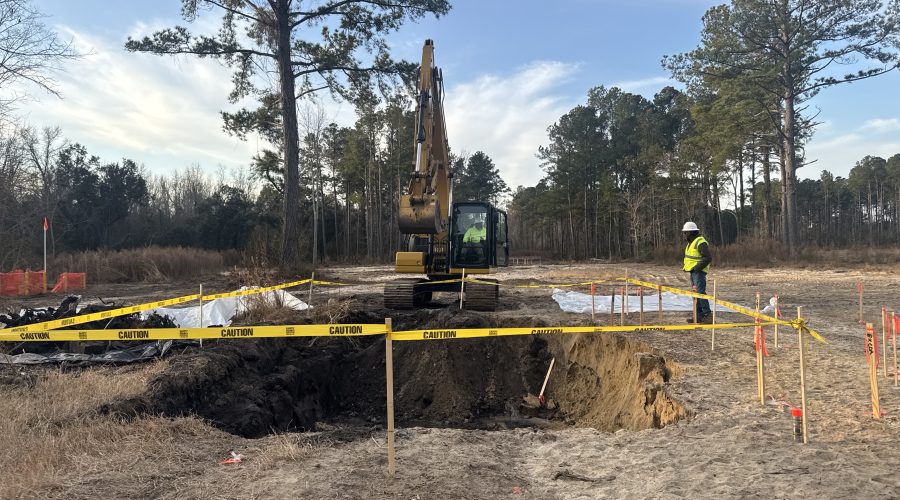
Officials to discuss work, next steps at Navassa Superfund Site
Navassa residents and interested members of the public may attend a community meeting on July 28 to receive updates to ongoing and upcoming work at the Kerr-McGee Chemical Corp. – Navassa Superfund Site.

Opponents call EPA proposal on persistent PFAS ‘dangerous’
Speakers during an online public hearing Tuesday largely and roundly criticized the Environmental Protection Agency’s proposal to repeal federal drinking water limits for four per- and polyfluoroalkyl substances and delay the deadline for water utilities to comply with limits for related compounds by two years.
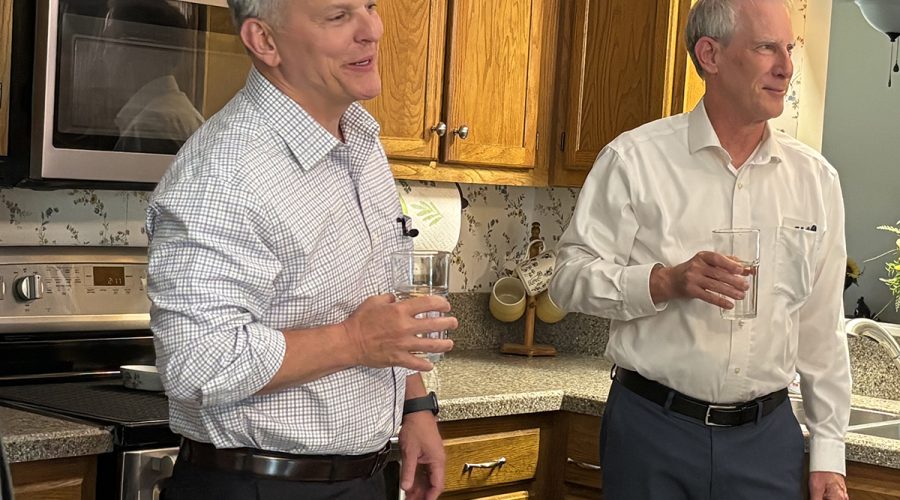
Stein to Chemours: ‘Pay to help us clean up the pollution’
Gov. Josh Stein says Environmental Protection Agency’s settlement agreement with Chemours on PFAS pollution will likely do little to help North Carolina and that the state Environmental Management Commission and EPA handling of these contaminants were “unfortunate steps.”

Supreme Court sides with herbicide maker in lymphoma case
The Supreme Court on Thursday ruled in favor of the maker of the herbicide Roundup and the Trump administration in rejecting the claims of a Missouri man with non-Hodgkin’s lymphoma.

EPA ‘strategy’ proposes to strike enforceable PFAS standards
The Environmental Protection Agency is wasting no time in advancing its plans to eliminate and reevaluate enforceable standards for four per- and polyfluoroalkyl substances, including the compound branded GenX found in the drinking water sources of tens of thousands of North Carolinians.
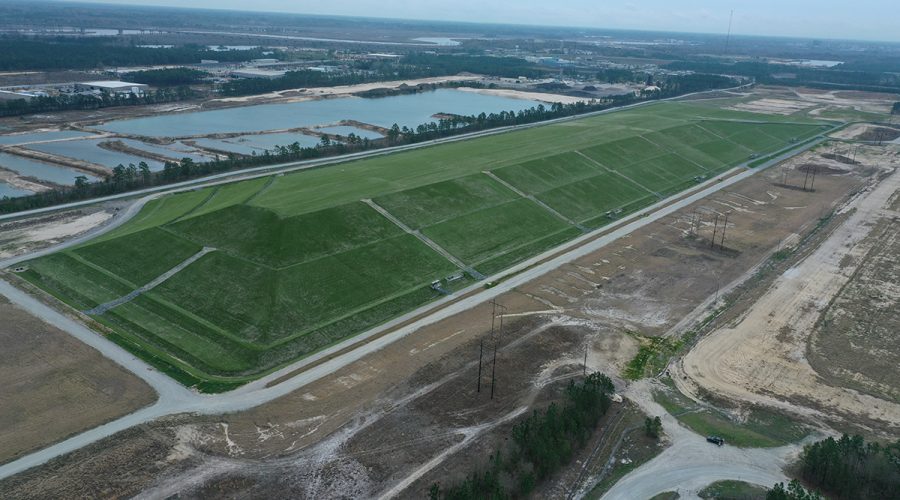
Move to relax federal coal ash rules ‘potentially concerning’
The proposed loosening of federal coal ash disposal regulations is not expected to affect North Carolina’s robust management rules — at least for the time being.
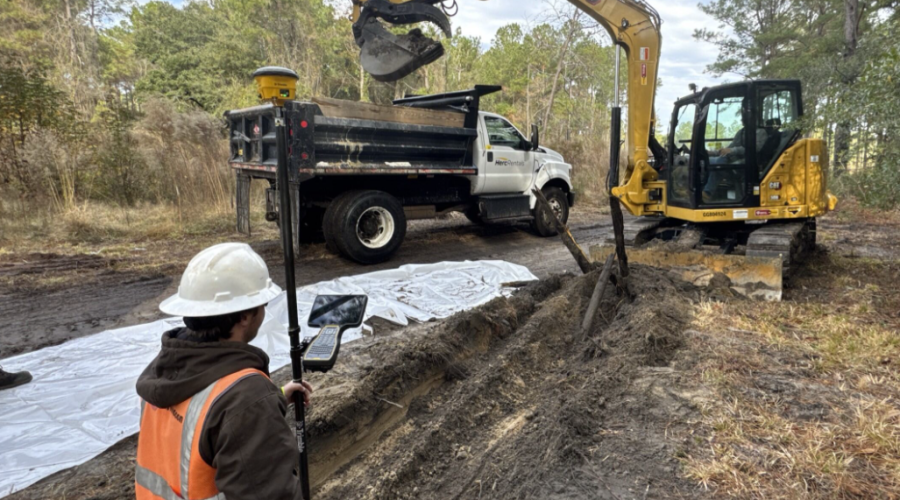
Agencies to provide work, study updates on Navassa site
A community meeting providing updates and future work at the Navassa Superfund Site in Brunswick County has been scheduled for March 12.
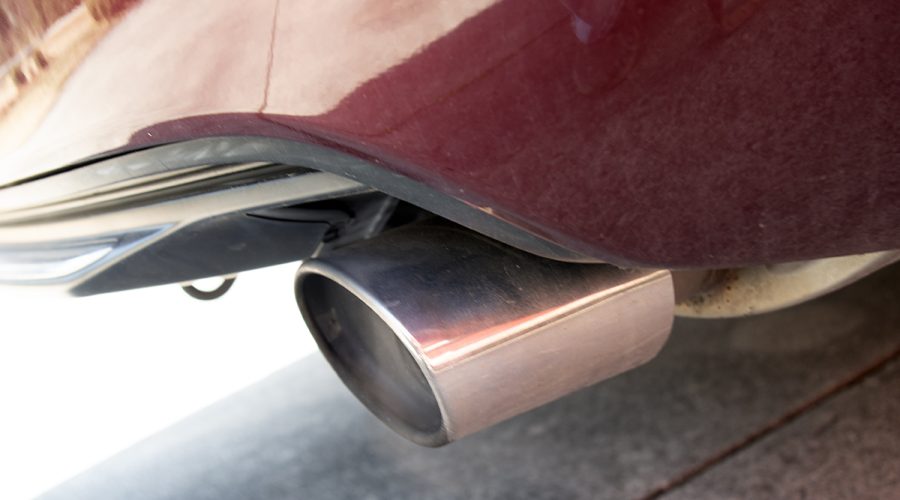
EPA eliminates emission standards for new vehicles, motors
President Donald Trump and EPA Administrator Lee Zeldin announced Feb. 12 that the administration was rescinding its own endangerment finding that set the legal limits on the amount of pollutants a vehicle can emit.
NC’s PFAS crisis a warning as Congress debates chemical laws
Supporters call the changes modernization; critics warn they could weaken safeguards in the Toxic Substances Control Act, the nation’s primary chemical safety law.
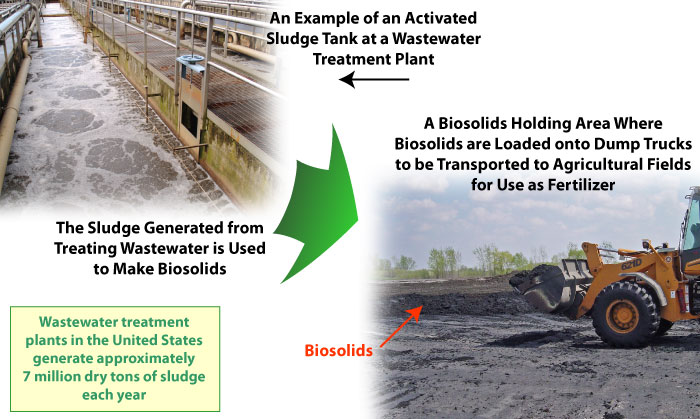
First state study of PFAS in biosolids finds presence statewide
A N.C. Division of Water Resources study evaluating PFAS concentrations in wastewater and biosolids from 37 municipal, industrial and domestic wastewater treatment plants across the state is being called a “first step” to understanding the breadth of PFAS contamination in the state.
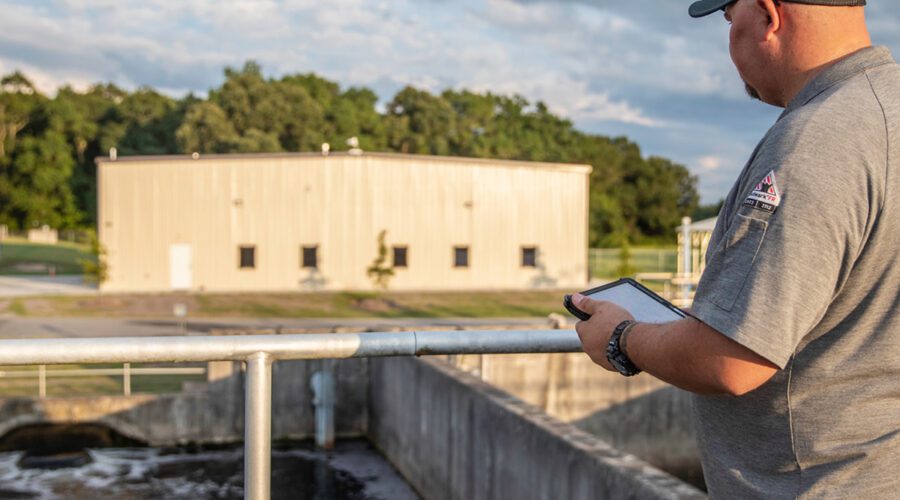
Commission OKs advancing wastewater rules to public review
The public will soon be able to lodge their comments about proposed rules mandating that public sewer plants test their treated discharge into rivers, creeks and streams for three types of per- and polyfluoroalkyl substances and a chemical solvent.
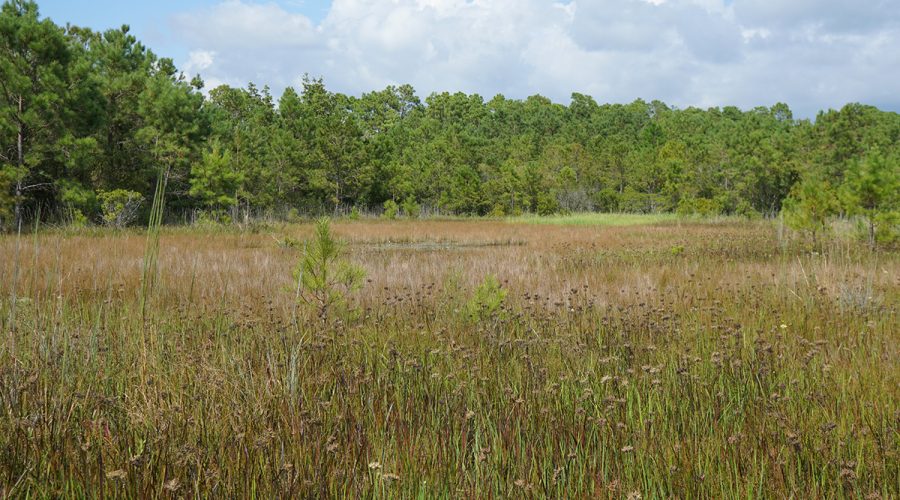
New year, new definition: Feds set to limit water protections
The public has until Monday to comment on the Environmental Protection Agency and Army Corps of Engineers’ proposed changes to the “waters of the United States” definition that are expected to limit eligibility for federal water quality safeguards.

Navassa chemical firm guilty of Cape Fear discharges
The chemical processing firm American Distillation Inc. in Brunswick County is guilty of purposely discharging pollutants into the Cape Fear River, and company owner Andrew J. Simmons Jr. pleaded guilty to failing to pay federal taxes.
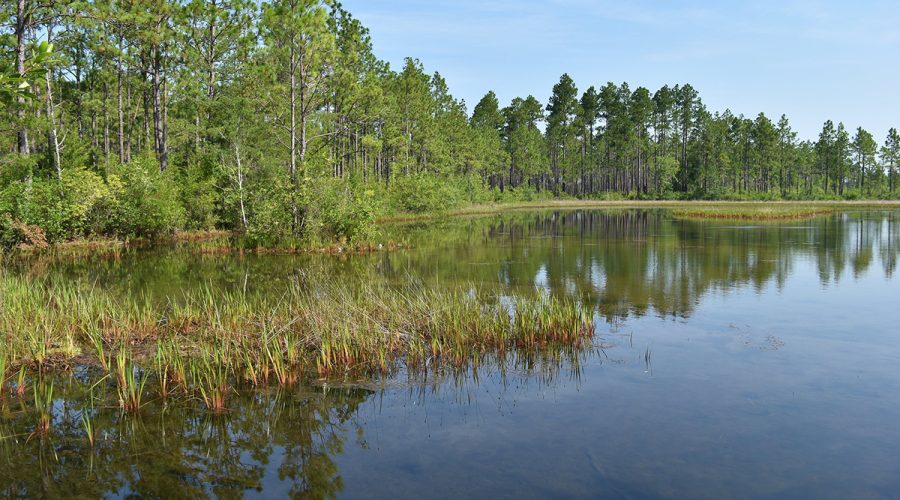
Public hearing Tuesday on proposed ‘WOTUS’ definition
A hearing is set for next week on the proposed definition rolled out last month for “Waters of the United States,” which outlines the waterbodies eligible for protection under the federal Clean Water Act, that conservationists warn will leave millions of acres of nontidal wetlands vulnerable to pollution, harm fish habitat and worsen flooding.
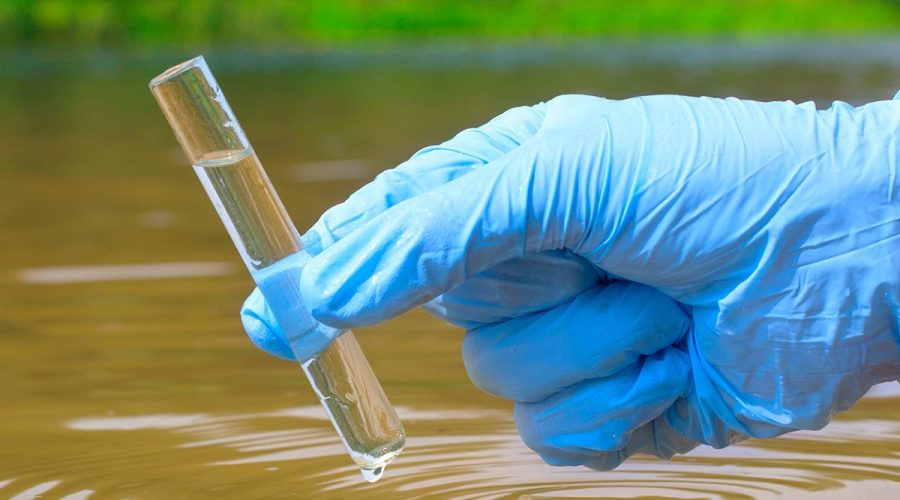
EPA seeks reporting rollback as new study finds hidden PFAS
The EPA says the change will cut red tape, but new research suggests regulators may already be missing major sources of contamination.