
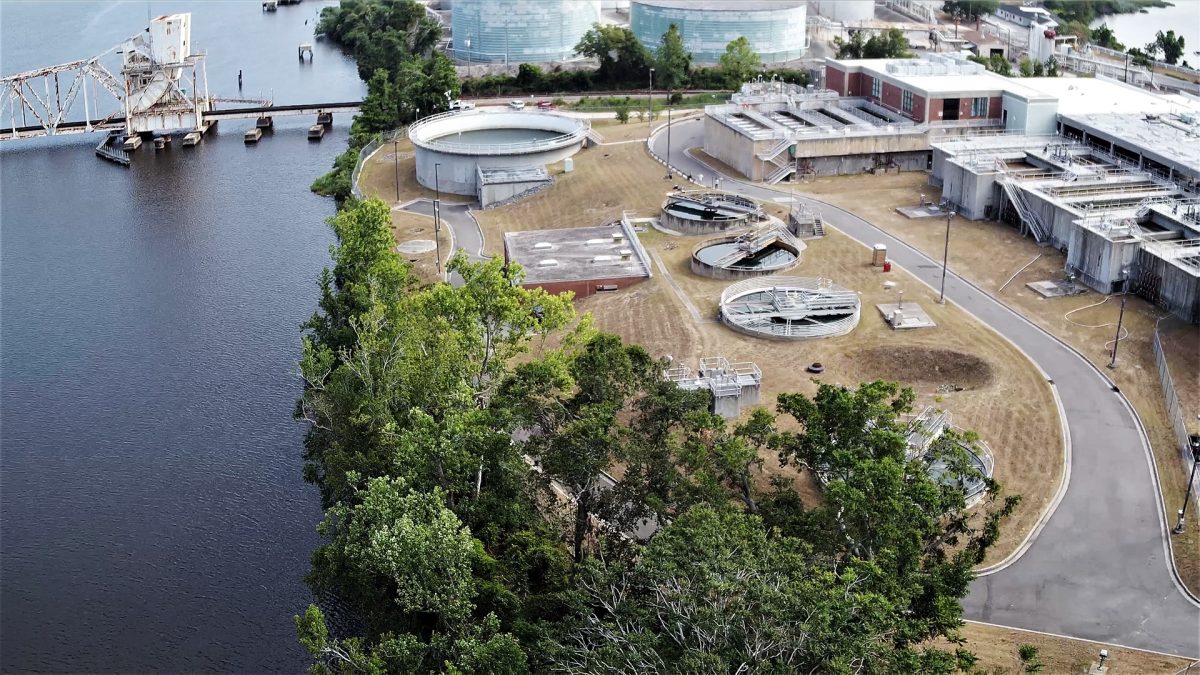
Cape Fear River Watch, via its representation, the Southern Environmental Law Center, contends Chemours Co. continues to exceed emission and discharge limits established under a 2019 consent order between the company, the organization and the state environmental agency.
GenX

Chemours deal largest ever in NC; advocates say it’s too little
Attorney General Jeff Jackson and North Carolina Department of Environmental Quality Secretary Reid Wilson announced the settlement Thursday. Environmental advocates say the deal doesn’t go far enough.
Brunswick water treatment plant upgrades nearly complete
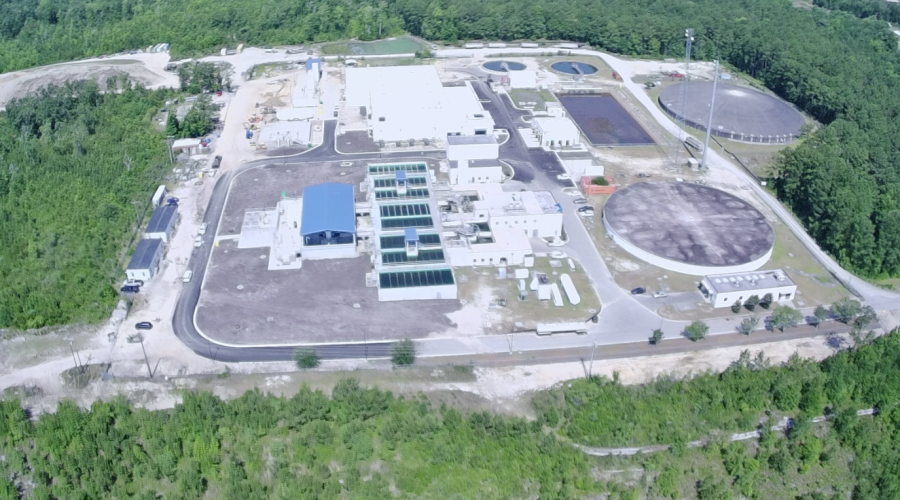
Upgrades and additions to Brunswick County’s Northwest Water Treatment Plant are expected to be by completed by the end of this year.

Corps presses toward fall decision on $1.3 billion harbor plan
The federal final environmental impact statement for the proposed channel deepening and widening at the N.C. Port of Wilmington is nearing the final approval stage, but Cape Fear area residents and advocates say their objections and questions about potential effects remain unanswered.

Opponents call EPA proposal on persistent PFAS ‘dangerous’
Speakers during an online public hearing Tuesday largely and roundly criticized the Environmental Protection Agency’s proposal to repeal federal drinking water limits for four per- and polyfluoroalkyl substances and delay the deadline for water utilities to comply with limits for related compounds by two years.

EPA ‘strategy’ proposes to strike enforceable PFAS standards
The Environmental Protection Agency is wasting no time in advancing its plans to eliminate and reevaluate enforceable standards for four per- and polyfluoroalkyl substances, including the compound branded GenX found in the drinking water sources of tens of thousands of North Carolinians.

Speakers scold EMC, share health issues at PFAS rules hearing
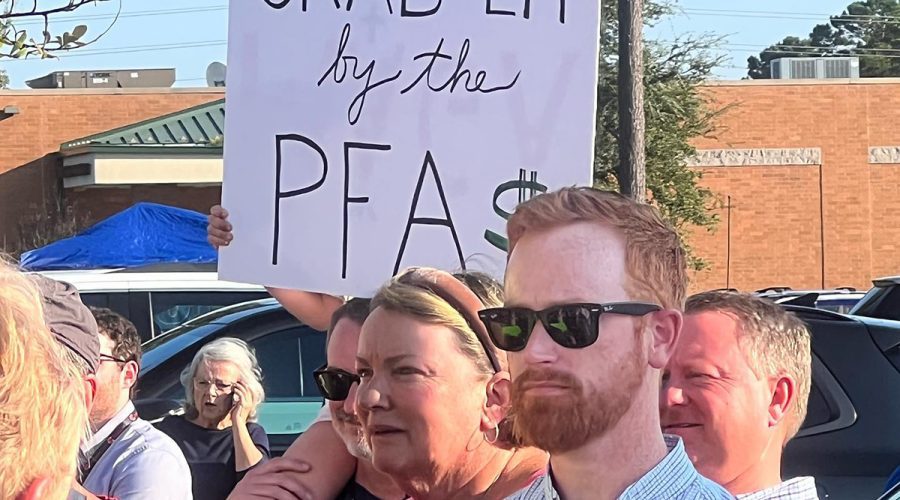
About 230 crowded into Wilmington’s Skyline Center Thursday for the Environmental Management Commission’s hearing and dozens spoke, often angrily, about proposed PFAS monitoring and minimization rules.

Proposed industrial wastewater rules ‘completely inadequate’
Nearly all who spoke Tuesday during a public hearing in Fayetteville criticized the North Carolina Environmental Management Commission’s proposed industrial discharge rules fail to protect the drinking water supply of people who live farther down the Cape Fear River.

EPA adds microplastics, pharmaceuticals to contaminant list
In a first, the Environmental Protection Agency has included microplastics and pharmaceuticals on its draft list of substances in public drinking water that are unregulated but merit further scientific scrutiny.

Public hearings set on proposed wastewater discharge rules
Six public hearings scheduled for next month through May will cover proposed PFAS and 1,4-dixoane monitoring and minimization rules governing wastewater discharges into North Carolina’s surface waters.
GenX study update to be shared at monthly seminar Saturday
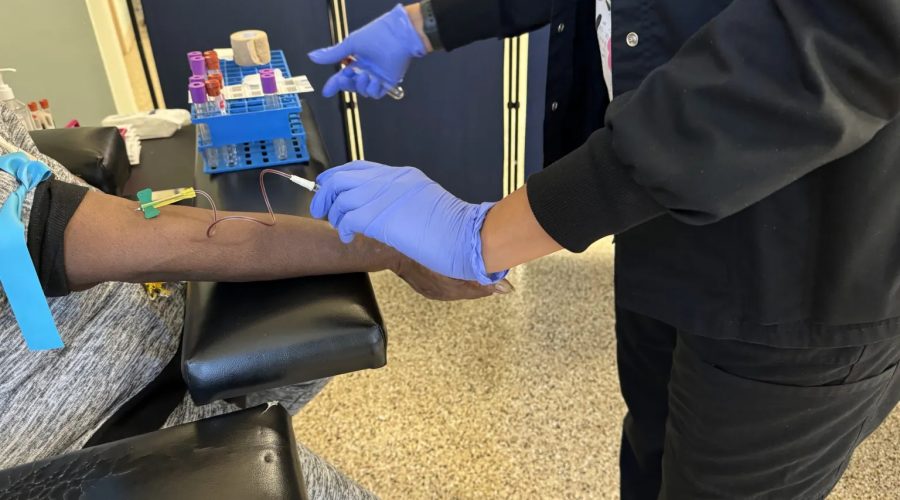
Cape Fear River Watch’s first Saturday seminar series will feature Dr. Jane Hoppin, principal investigator of an ongoing study of human health effects of GenX.

Stein, Wilson tour Cape Fear Utility water treatment plant
Gov. Josh Stein and NCDEQ Secretary Reid Wilson this week visited Cape Fear Public Utility Authority’s Sweeney Water Treatment Plant in Wilmington, where they announced a $17.8 million grant from the state to support the replacement and capacity upgrade of one of the utility’s reclamation facilities.
First state study of PFAS in biosolids finds presence statewide
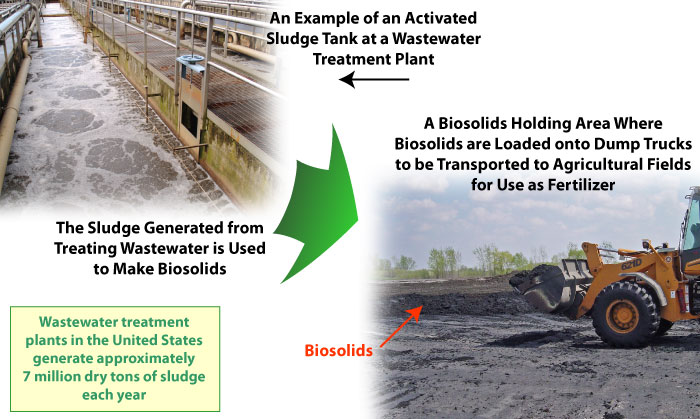
A N.C. Division of Water Resources study evaluating PFAS concentrations in wastewater and biosolids from 37 municipal, industrial and domestic wastewater treatment plants across the state is being called a “first step” to understanding the breadth of PFAS contamination in the state.

EMC to vote on opening comment period for discharge rules
The state Environmental Management Commission is set to vote Thursday on whether to put proposed “monitoring and minimization” rules for some PFAS and 1,4-dioxane out for public comment.
Chemours cannot keep documents sealed, federal judge rules
Chemours and its predecessor company DuPont had sought to seal records including regulatory compliance monitoring reports and internal corporate communications about chemical production.

EPA seeks reporting rollback as new study finds hidden PFAS
The EPA says the change will cut red tape, but new research suggests regulators may already be missing major sources of contamination.