

This weekend, on the 130th anniversary of the U.S. Life-Saving Service’s rescue of the entire crew from the shipwrecked schooner E.S. Newman off Pea Island, so many questions remain unanswered, but the story and the men’s extraordinary lineage continue to inspire, nonetheless.
commentary

What Granny Jean’s pantry can teach Capitol Hill about reuse
Our grandparents’ tradition of reuse has been replaced by today’s throwaway economy built around single-use plastic, which doesn’t vanish, and we need to nationally implement systems that last.

Opinion: Water, water, everywhere; when’s it safe to drink?
Guest commentary: We need the North Carolina General Assembly to step up and protect their constituents as the EPA rolls out its stated plans to eliminate nationwide drinking water standards for PFAS, a known human health risk.
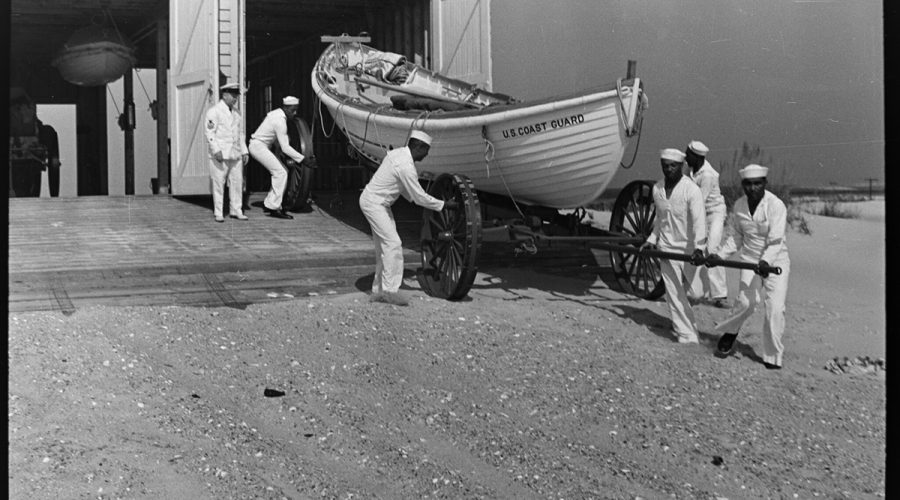
Found archival photos add new wrinkles to Pea Island story
Historical columnist Joan Collins shares a collection of recently discovered photographic negatives stored in tins at the State Archives with 19 images depicting the Pea Island U.S. Coast Guard Station crew in 1938 and the new questions the photos bring to light.
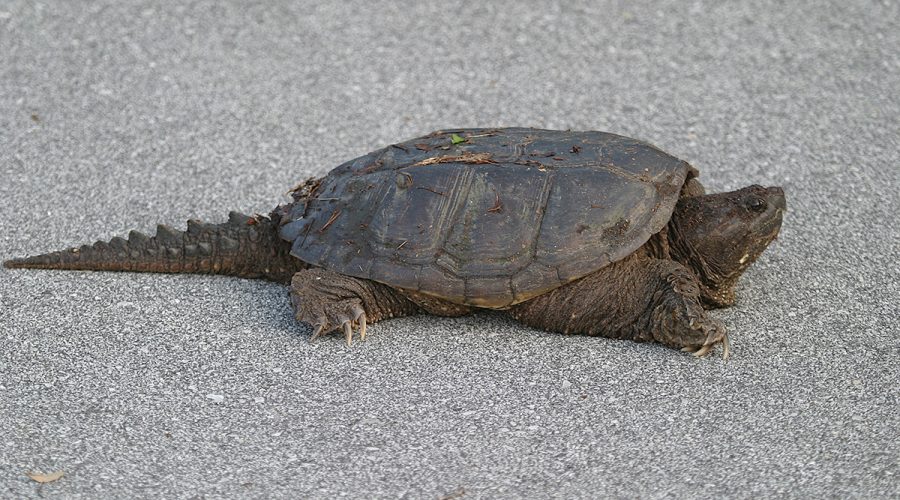
My uncommon interactions with common snapping turtles
Snapping turtles have quite the reputation, a larger-than-life mystique rife with legend and lore, but despite their fierce appearance, they are rarely aggressive toward humans while in the water, but on dry land — mind your fingers!
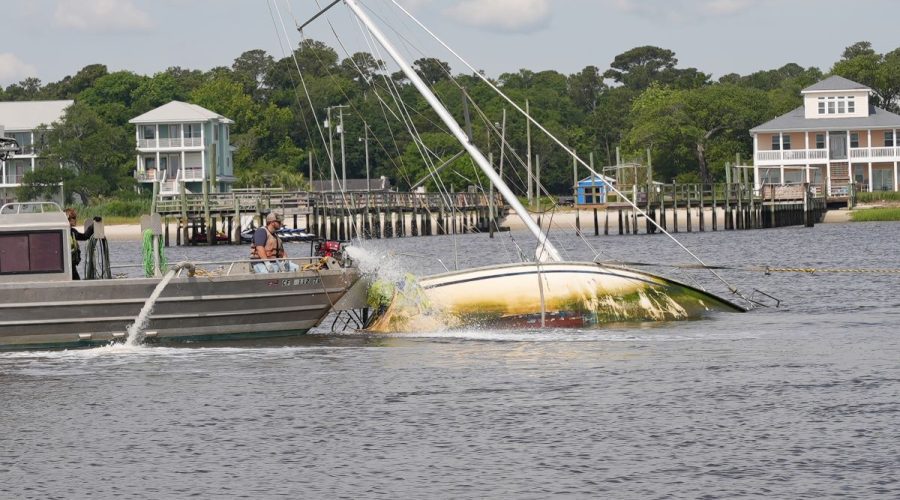
NC coast is state’s greatest investment; new budget treats it so
Commentary: Bipartisan agreement this year, combined with nurtured relationships, sound science and practical problem-solving, resulted in permanent funding to rid coastal waters of abandoned and derelict vessels and money for projects that improve water quality, bolster resilience and help preserve the natural resources that sustain economy and our quality of life.
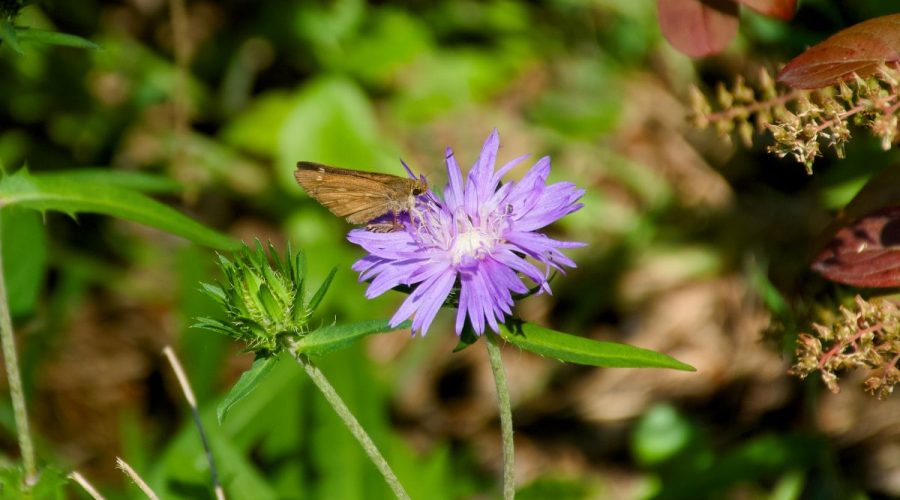
Tabb’s Trails: Resilience, beauty, variety in Nags Head Woods
Coastal reporter Kip Tabb explores Nags Head Woods Preserve, The Nature Conservancy’s 14-acre protected maritime forest on the Outer Banks.
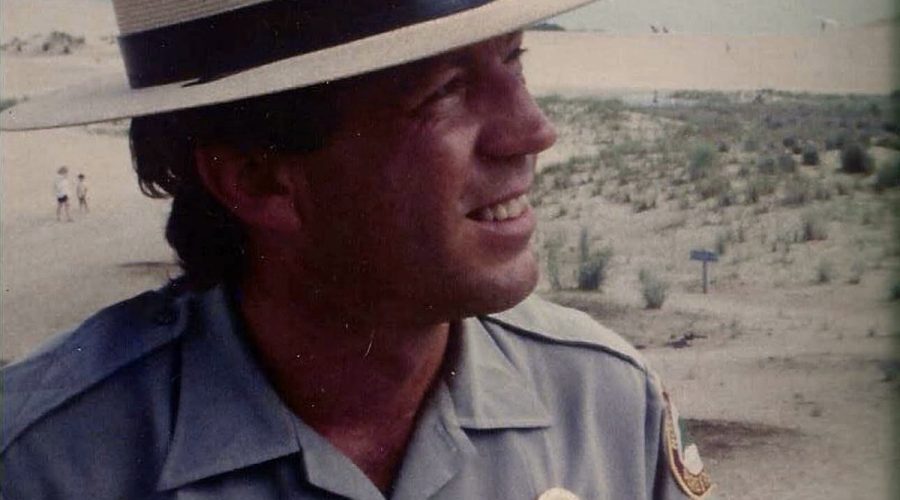
Recalling George Barnes, first Jockeys Ridge superintendent
Sam Bland pays tribute to his recently deceased friend, George Grantham Barnes, who, as Jockeys Ridge State Park’s first superintendent, leaves indelible footprints in the park’s constantly shifting sands.
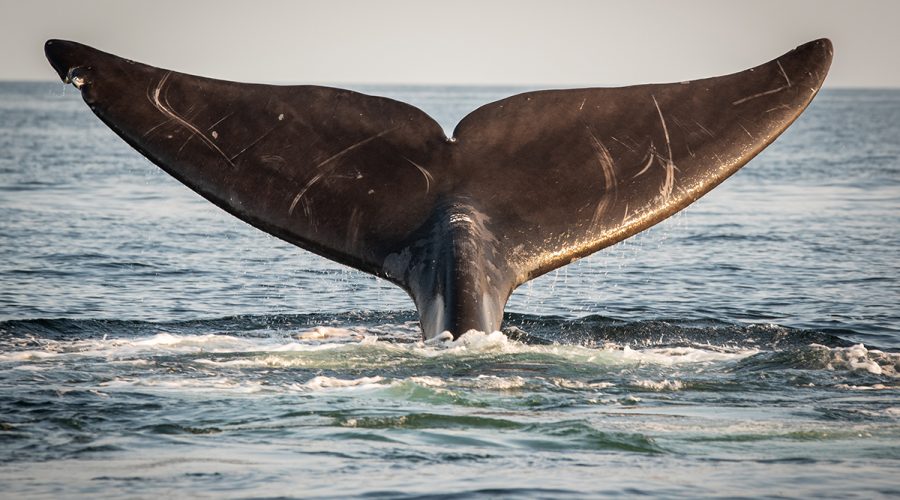
I grew up on this coast; I won’t watch right whales disappear
Critically endangered North Atlantic right whales face a crisis they can’t outswim — and a recent move by the federal government threatens to make a dire situation even worse.
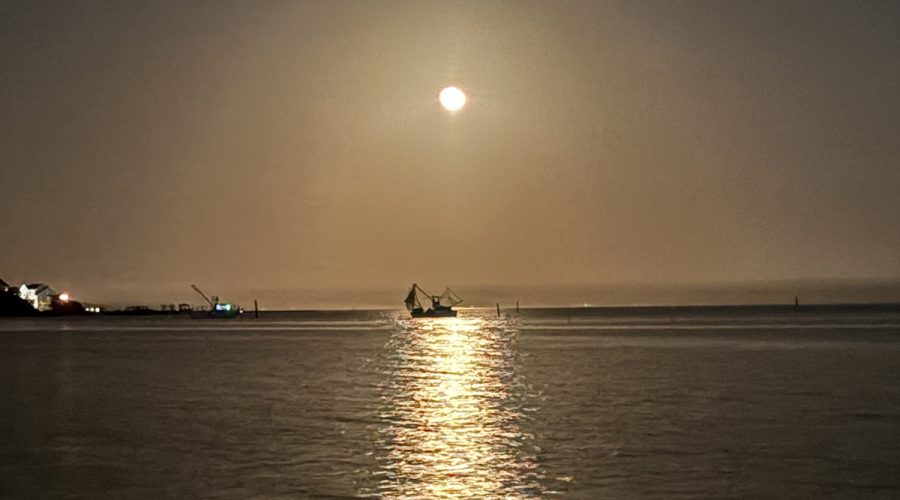
Ancient awareness: Moon phases and when to plant each crop
Human activities, including the chosen dates for religious holidays, animal behavior and the movements of all the water on the planet are in some way tied to our cyclical views of our nearest celestial neighbor, and so are our planting schedules.
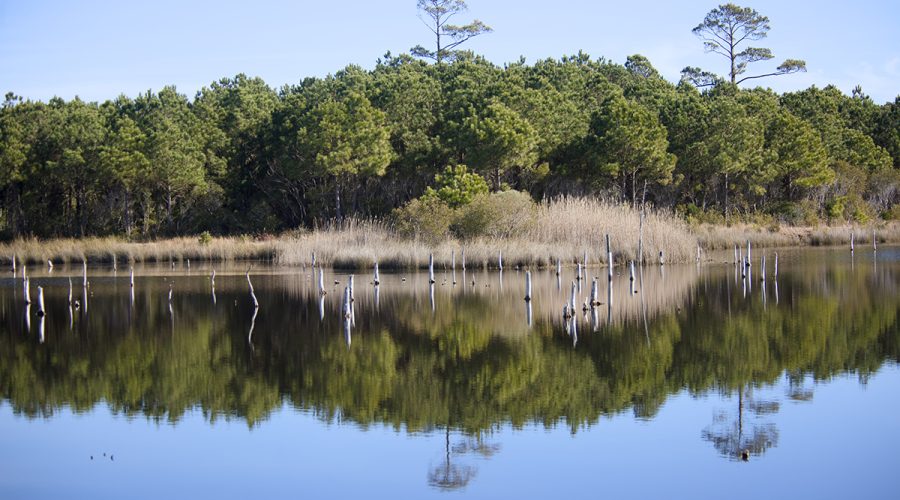
Confounding, confusing: Patience key at Manteo Marshes
The milelong hike around Manteo Marshes can be a birdwatcher’s joy — or not — so be patient because when it’s good, it’s spectacular.
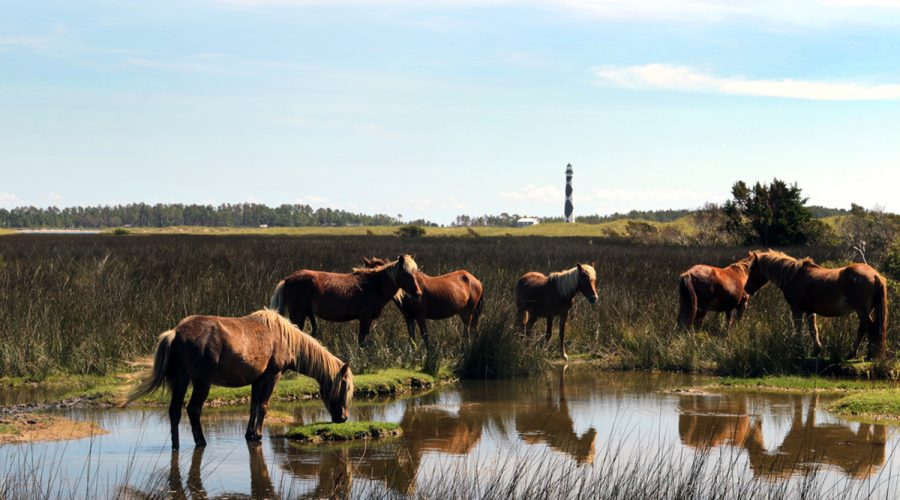
Opinion: For whose benefit are barrier island horses?
Guest commentary: Invasive species pose a serious challenge for ecosystems that have not evolved alongside them, and such is the case with North Carolina’s crystal skipper and the nonnative horses allowed to roam the barrier islands that are the butterfly’s only habitat.

Port’s Cape Fear dredge project fails taxpayers, environment
Guest commentary: Deepening the Cape Fear River will only worsen flooding around the downtown Wilmington waterfront and the North Carolina Battleship site and lead to a substantial loss of vital wetlands and floodplains.
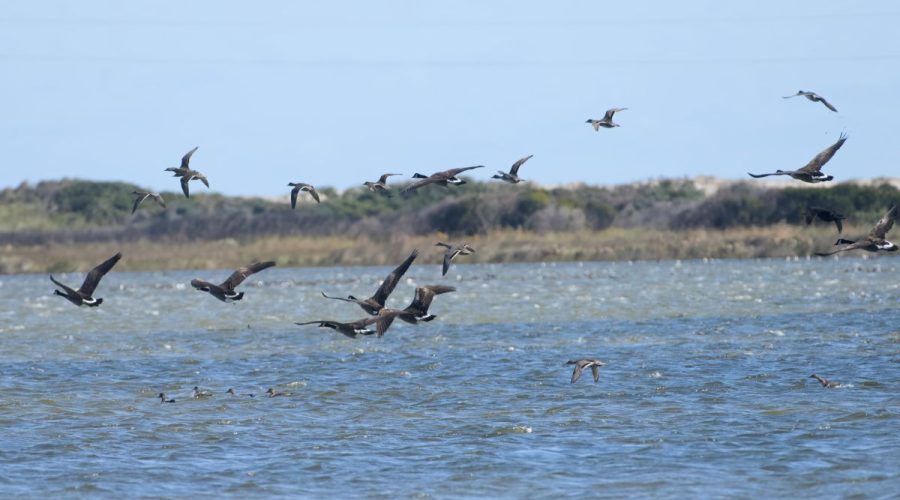
Tabb’s Trails: Along the North Pond Wildlife Trail
Saturday, Oct. 18, turned out to be a remarkable day on the half-mile trail behind Pea Island National Wildlife Refuge’s visitor center, with rarely seen species and migratory waterfowl.
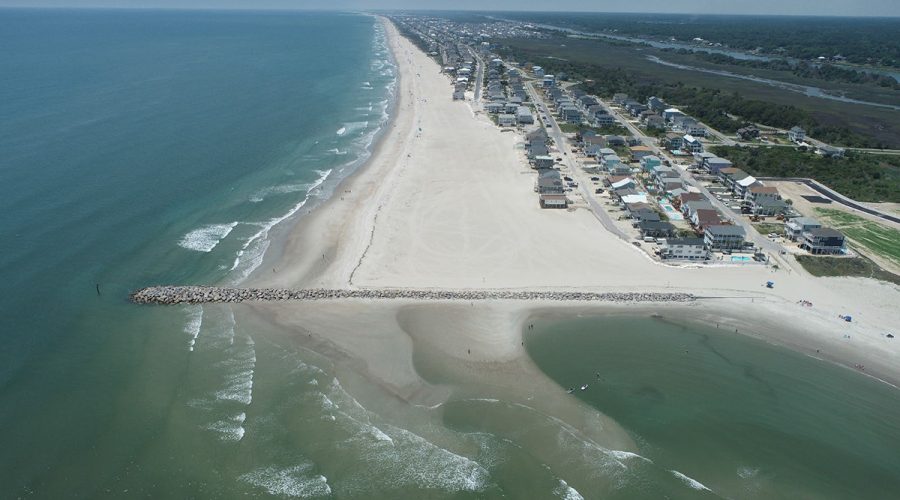
Opinion: Ocean Isle’s terminal groin process fully transparent
Readers are not provided full context and are left with an incomplete understanding of the facts regarding the lengthy, transparent public process behind the town’s terminal groin project, writes Ocean Isle Beach Mayor Debbie Smith.
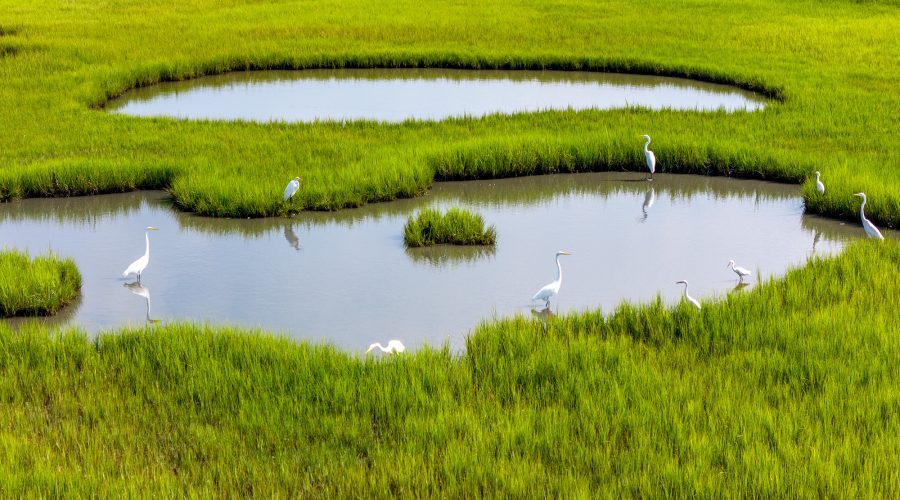
Coastal habitats are North Carolina’s hidden climate engines
North Carolina’s abundant coastal wetland ecosystems are highly effective carbon storehouses, serving to slow climate change’s pace while also providing vital fish nurseries, wildlife havens and storm buffers.