
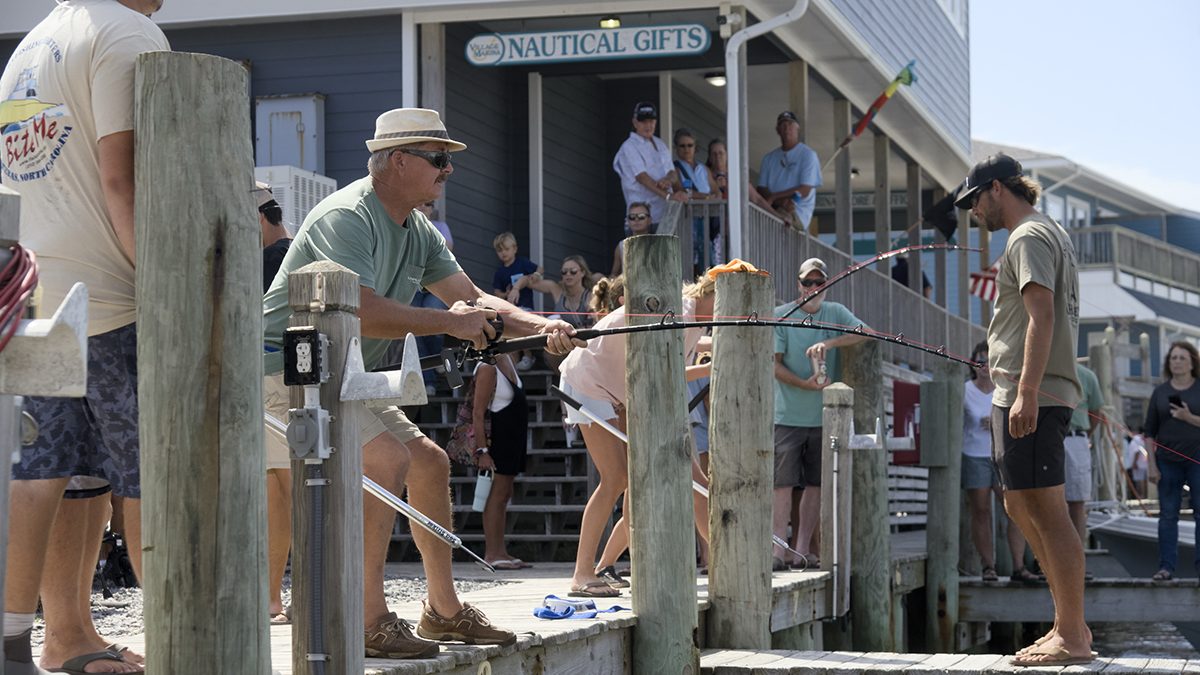
Hatteras Village’s 22nd annual Day at the Docks welcomed locals and visitors alike Saturday with its celebration and recognition of the traditions, people and flavors that helped shape the island community’s identity.
Our Coast
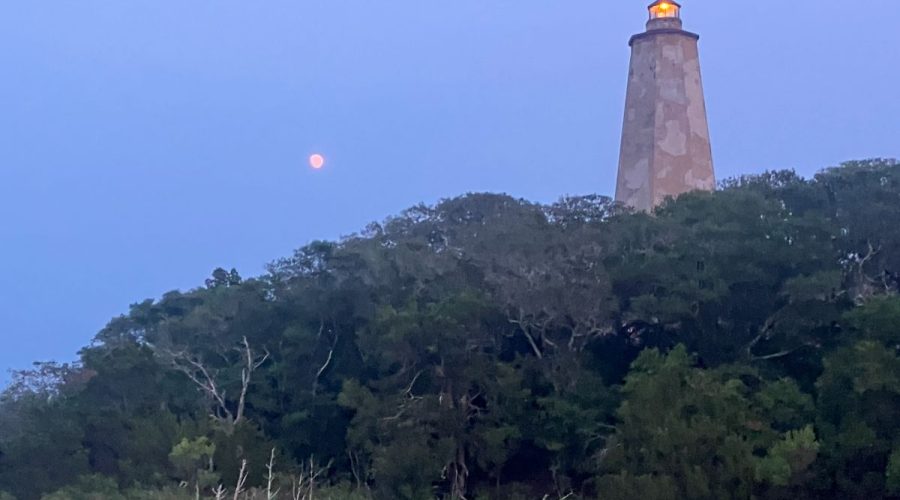
Travels along the Cape Fear: ‘Old Baldy’ lighthouse, museum
Historian David Cecelski takes a moment to reflect on a tour with Old Baldy Foundation’s public historian to see historical manuscripts, photographs, and other artifacts in storage.
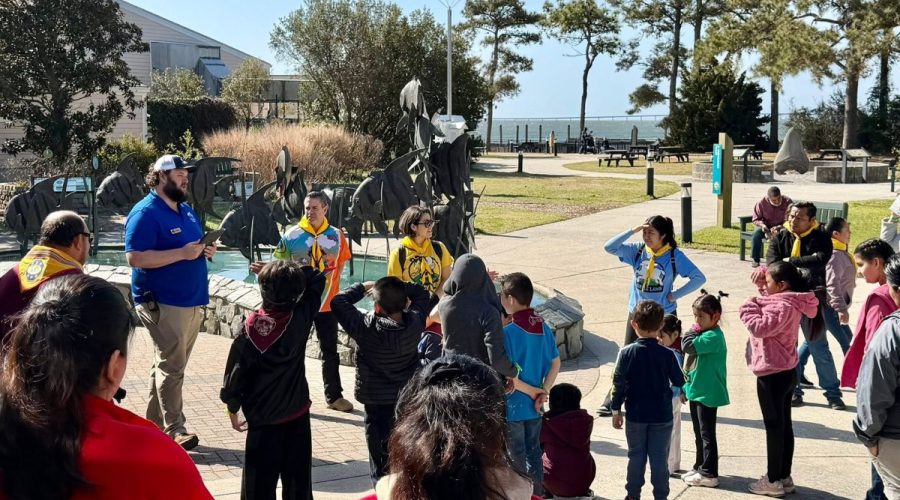
Roanoke Island aquarium to dazzle at golden anniversary
The N.C. Aquarium on Roanoke Island opened its doors Sept. 9, 1976, and are planning an evening soiree to celebrate 50 years of “inspiring wonder.”
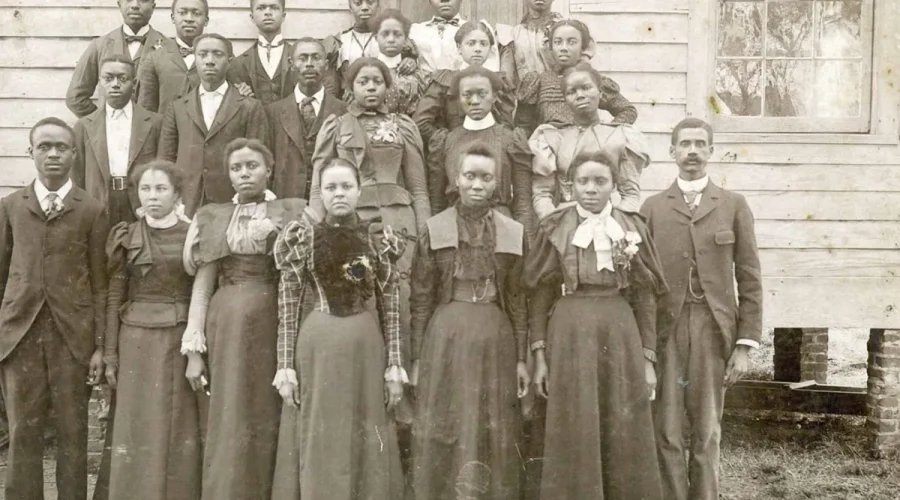
Recalling the teachers: Elizabeth City State’s archival photos
Historian David Cecelski’s lecture earlier this year at ECSU came after he had spent much of the day on campus, including a visit to the University Archives where historical treasures and photographs celebrate the young role models.
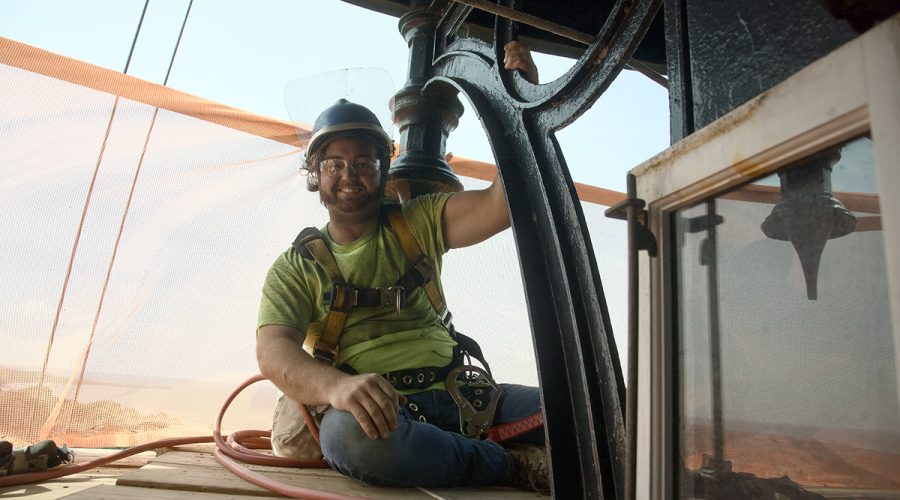
Currituck Light restoration follows original maintenance plan
The $1 million restoration going on at the Currituck Beach Lighthouse is building on work completed six years ago so that it “will remain structurally sound, historically accurate, and will continue sharing its sense of place and awe for future generations.”
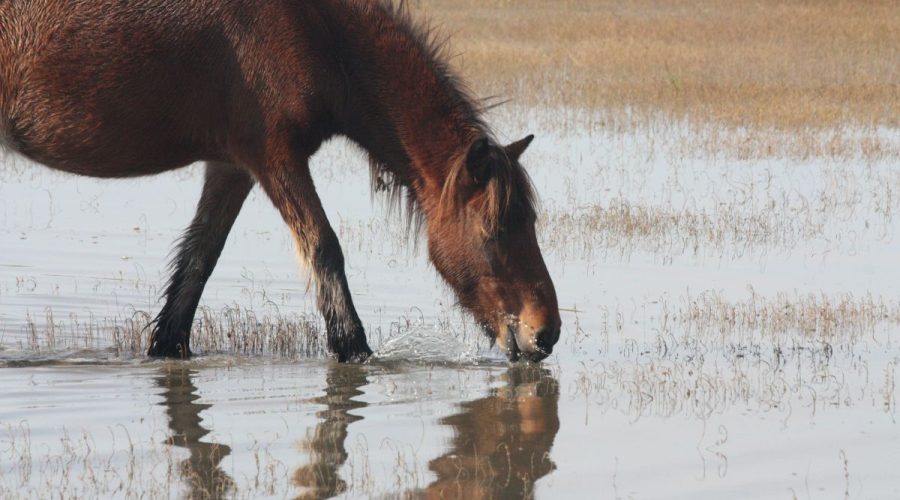
Nonprofit that cares for Shackleford’s wild horses turns 30
The Foundation for Shackleford Horses is commemorating three decades of advocacy with a special program on Harkers Island featuring behavioral ecologist Dr. Dan Rubenstein, who has studied the herd for decades and helped draft the legislation approved in 1998 to protect the wild herd.
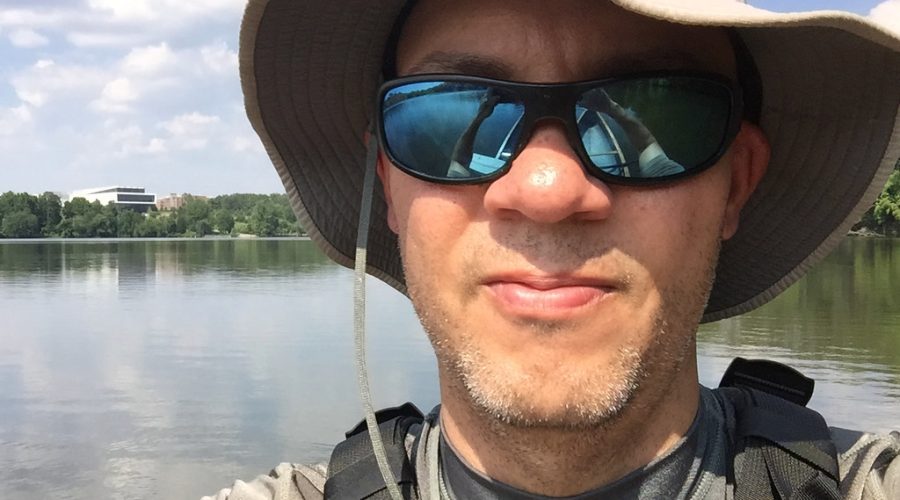
Indigenous environmental justice: Author links culture, water
Duke University professor and member of the Lumbee Tribe Dr. Ryan Emanuel is Coastal Carolina Riverwatch’s guest speaker next week in Morehead City to discuss links between historic Indigenous oppression and present-day efforts to promote environmental justice and Indigenous rights.
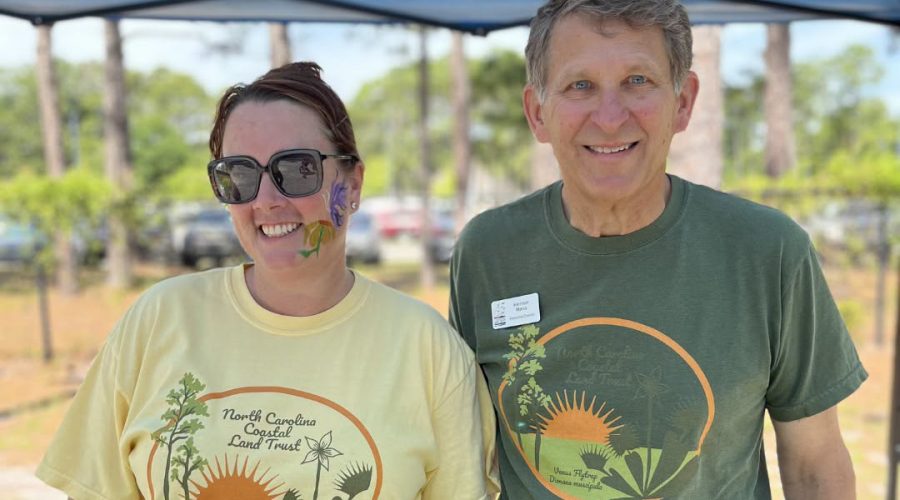
Coastal Land Trust director set to step back, become adviser
North Carolina Coastal Land Trust Executive Director Harrison Marks is officially stepping down as executive director to assume the role of senior adviser for the Wilmington-based nonprofit organization.
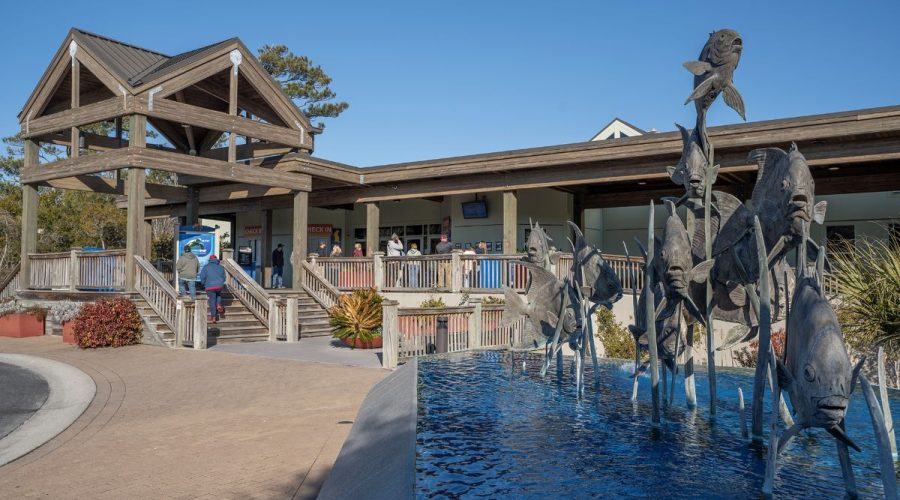
Pine Knoll Shores aquarium readies for ‘Birthday Splash’
With the North Carolina Aquariums celebrating 50 years in 2026, Coastal Review talks with Jay Barnes, the former Pine Knoll Shores site director about the early days of the facility, which is hosting two celebrations Saturday for the anniversary.

Albemarle Region’s tallest hotel offered luxurious amenities
The nine-story, 100-room Virginia Dare Hotel, completed in 1927 amid a hotel industry trend of going taller and taller, enjoyed a only a brief heyday but still stands as an Elizabeth City icon.
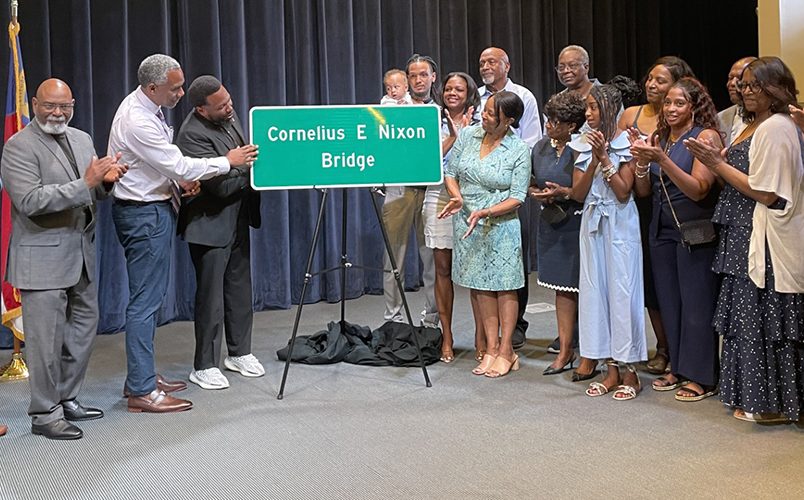
State names bridge for Cornelius Nixon; city recalls his grace
Wilmington’s staggering growth has displaced numerous homes and businesses, but “Sonny” Nixon refused to let his longstanding and pioneering Market Street wholesale and retail seafood business stand in the way of progress.
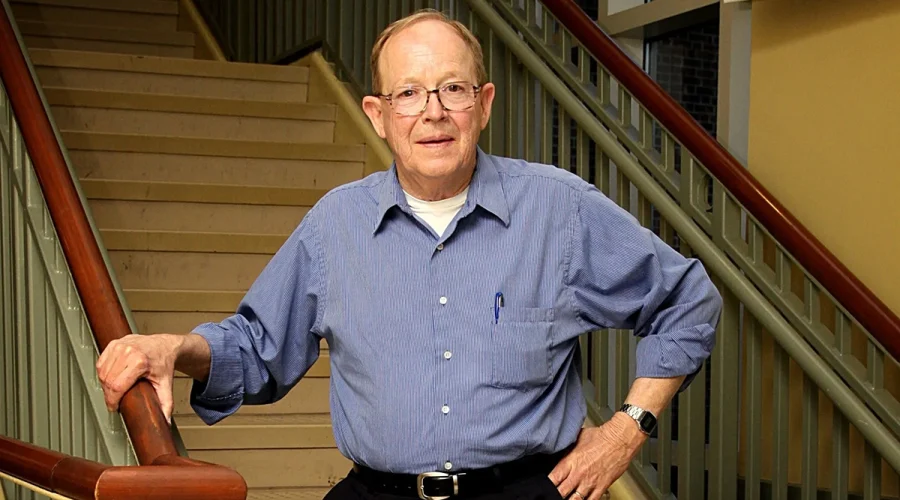
New book, ‘A Spectacular Coast and its Guardians’: An excerpt
Author Glenn Blackburn, professor emeritus of history at University of Virginia’s College at Wise, has written his second book about the North Carolina Coastal Federation and the nonprofit’s history, people and accomplishments.
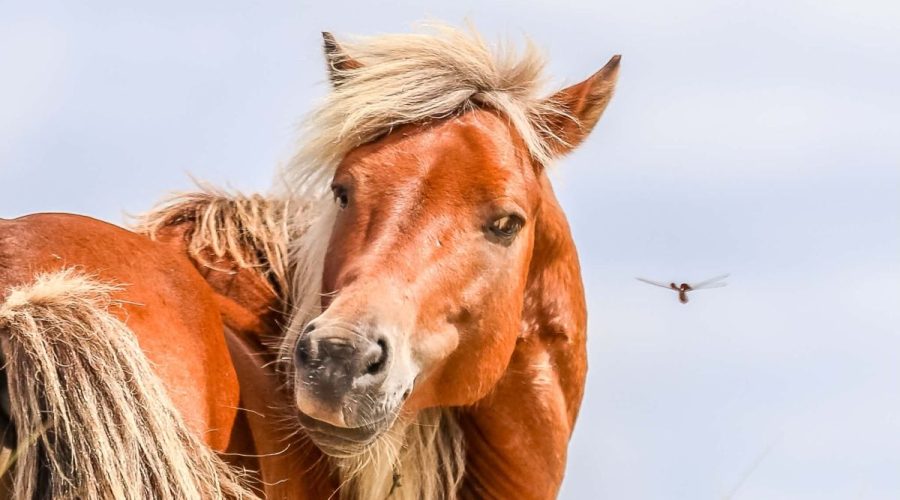
Volunteer Pony Patrollers protect public, Carteret wild horses
For the fourth year, volunteers are spending their days on Shackleford Banks and Rachel Carson Reserve in an effort to guide visitors on safely observing Carteret County’s wild horses.
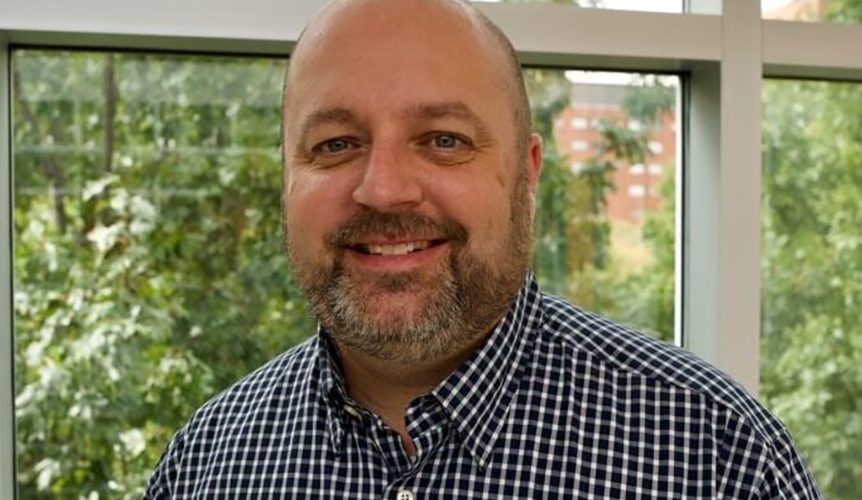
Serving public a passion for State Climatologist Jared Bowden
“I’m trying to help the public with their problems related to climate,” says Dr. Jared Bowden, a Rocky Mount native who became director of the North Carolina State Climate Office early this month.
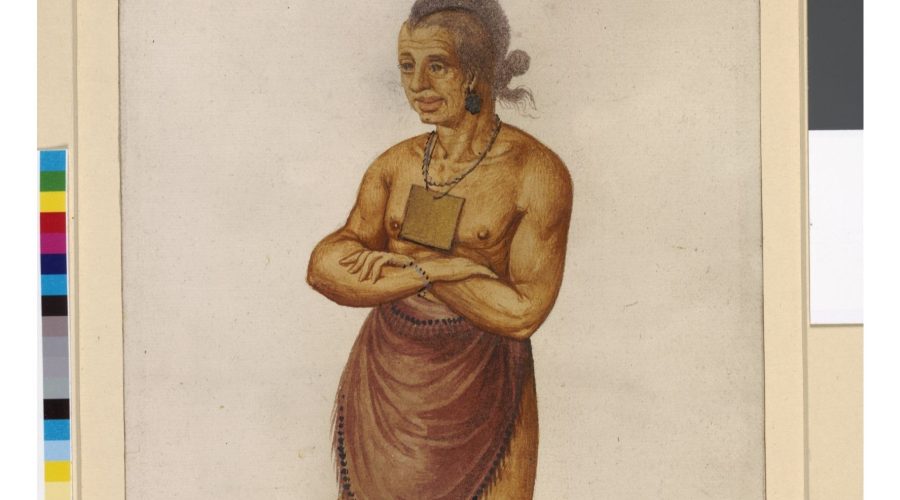
Indigenous nonprofit’s seminar to center on agriculture
“In the Spirit of Wingina 3: Seeds of Wisdom and Sustenance,” set for May 29-30, will concentrate on agricultural patterns with an emphasis on ancient, indigenous agricultural methods and, on the second day, how they apply to modern-day gardening.
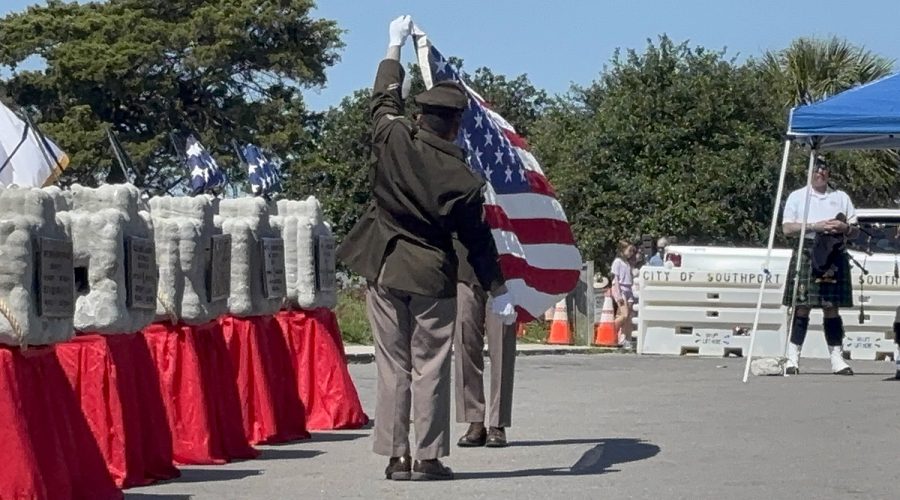
In death, a living legacy may thrive at Veterans Memorial Reef
Military veteran Thomas Marcinowski’s final wishes to be interred beneath the waves prompted him to form a nonprofit that enables others who served to have their cremains interred in eco-positive reef modules, including nine whose ashes are to be placed on the seafloor Monday.