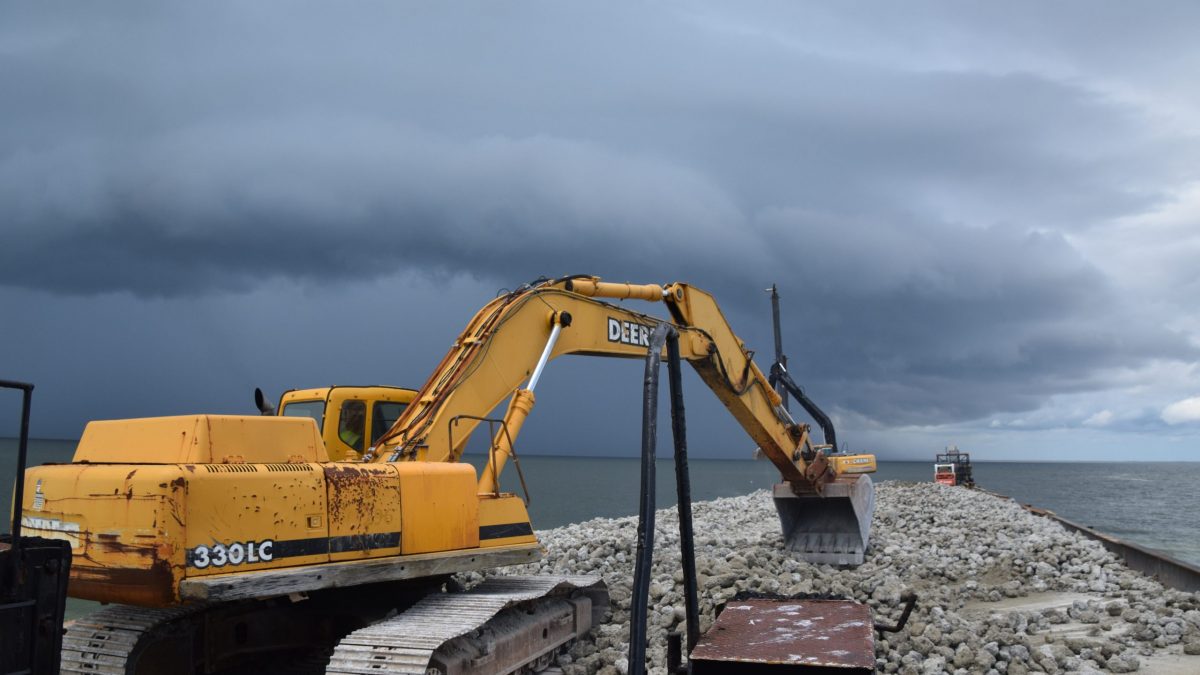
Water quality and fisheries advocates set a goal to build 500 acres of oyster sanctuary in North Carolina’s Pamlico Sound, a milestone reached in late August, but that does not mean the end of construction.
water quality
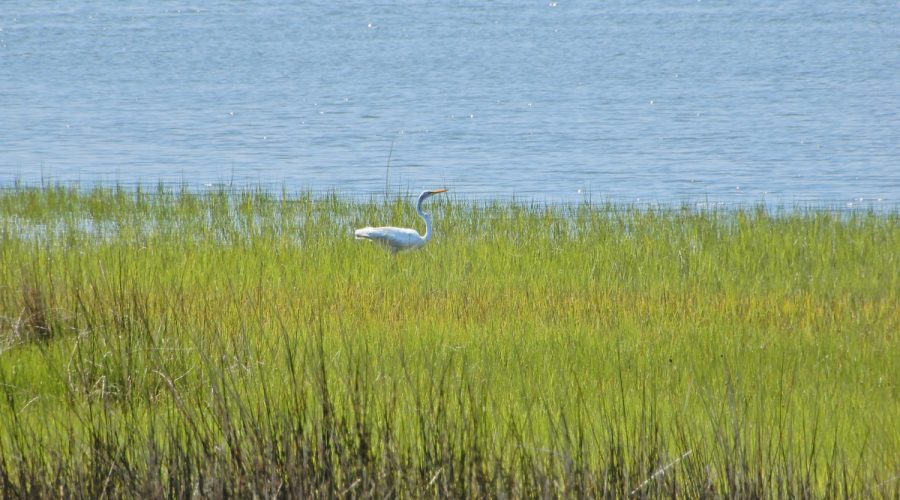
State’s voluntary wetlands management plan gets update
To protect North Carolina’s “hidden gems” vital as habitat, for flood control, and nutrient reduction, officials worked with stakeholders to update the Wetlands Program Plan now in its third revision.
Carteret to collect household hazardous waste Saturday
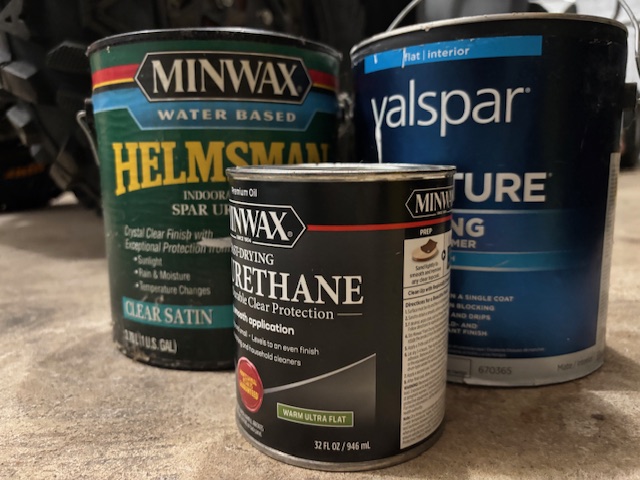
Residents may bring small quantities of common household hazardous items, including cooking oil, automotive fluids such as gasoline, used motor oil or antifreeze, lawn and garden pesticides, batteries, and paint Saturday to the county’s health department in Morehead City.
DEQ’s coastal hazards resilience program marks five years
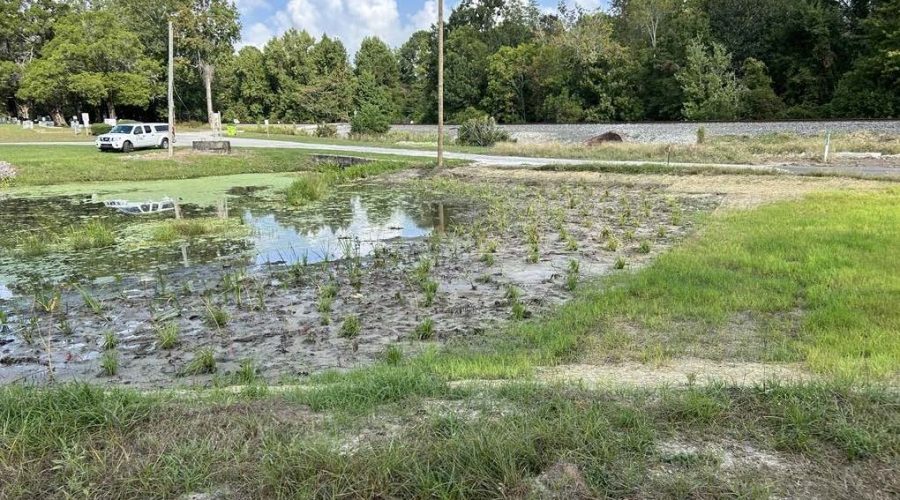
As the Resilient Coastal Communities Program reaches its five-year mark, North Carolina Division of Coastal Management held a daylong workshop last month in New Bern to consider the program’s successes and challenges.
Cape Fear River Watch vows to hold Chemours accountable
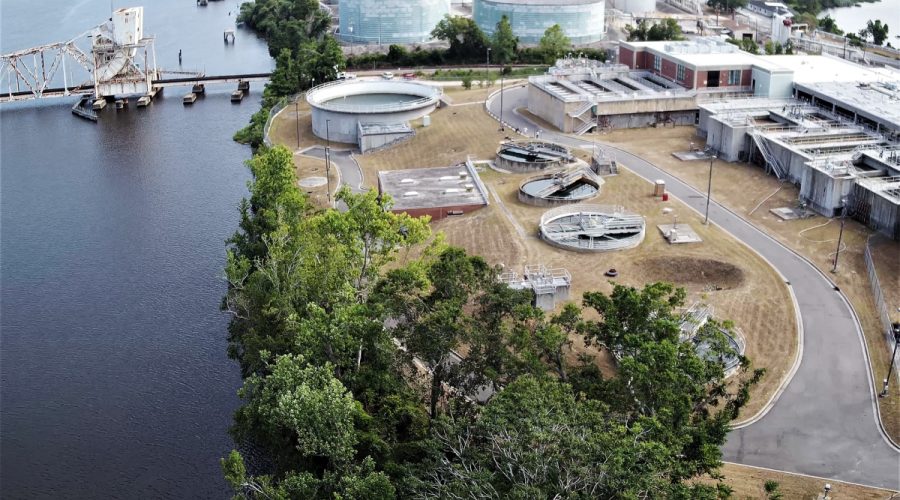
Cape Fear River Watch, via its representation, the Southern Environmental Law Center, contends Chemours Co. continues to exceed emission and discharge limits established under a 2019 consent order between the company, the organization and the state environmental agency.
EPA, Army propose alternative draft definitions for ‘WOTUS’
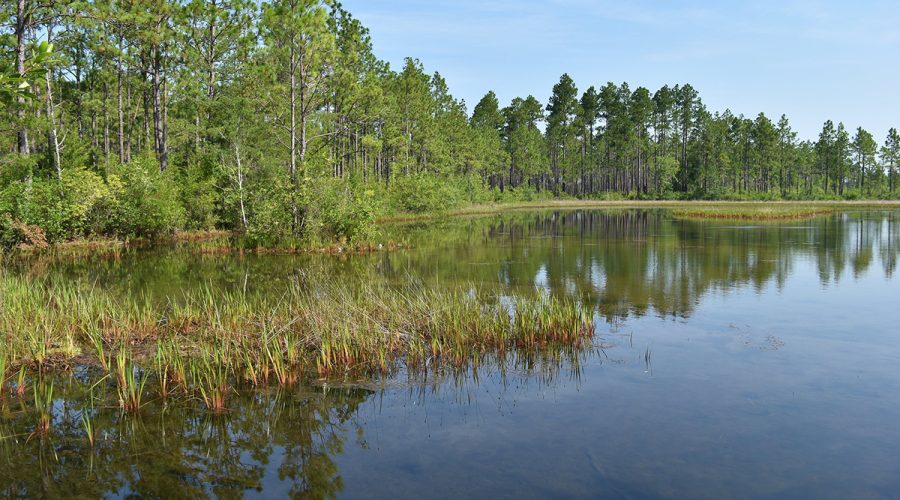
The comment period ends Oct. 9 on proposed alternative definitions that environmental groups say will strip protections from seasonal wetlands and waterways.
Volunteers needed to serve on fisheries advisory committees
The North Carolina Marine Fisheries Commission is looking to fill seats on the northern and southern advisory committees, and finfish, habitat and water quality, and shellfish/crustacean advisory committees.
Chemours deal largest ever in NC; advocates say it’s too little
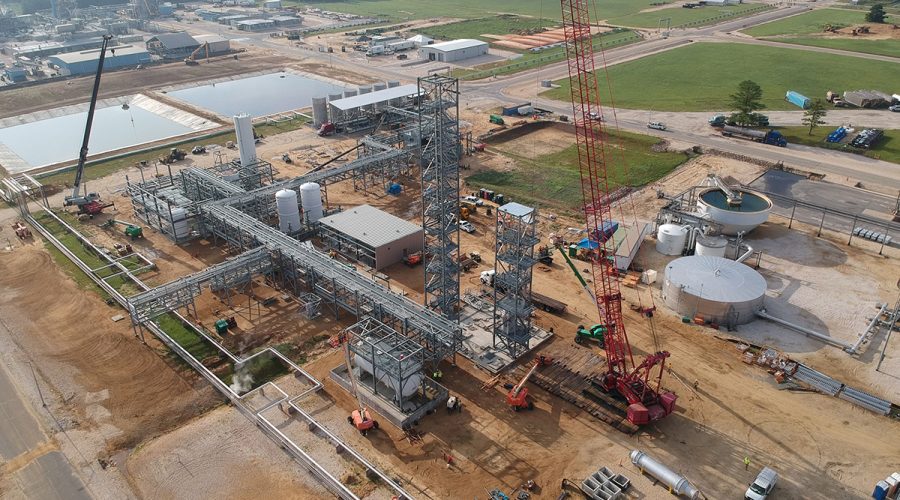
Attorney General Jeff Jackson and North Carolina Department of Environmental Quality Secretary Reid Wilson announced the settlement Thursday. Environmental advocates say the deal doesn’t go far enough.
EMC committee to hear draft habitat protection plan status
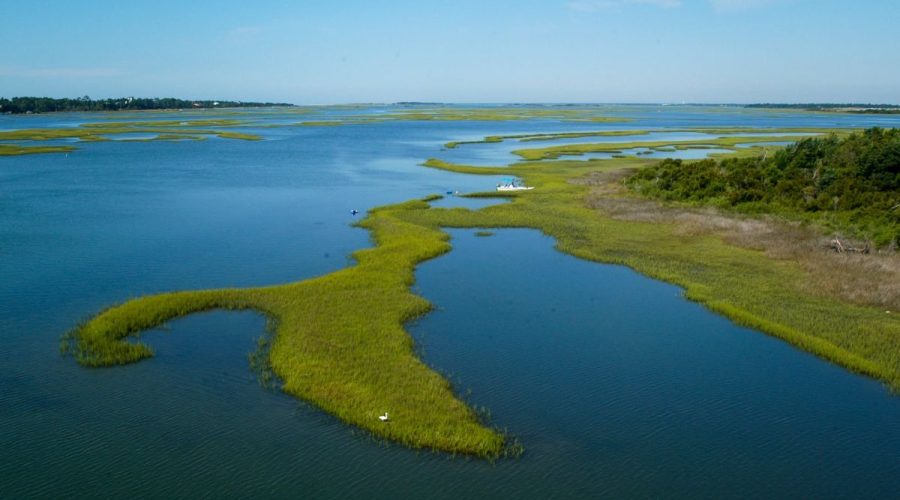
The Environmental Management Commission’s water quality committee is to hear the status of the 2026 draft update to the state’s long-term plan to protect and preserve habitats that support coastal fisheries.
Workshops to offer tools to reduce, address marine debris
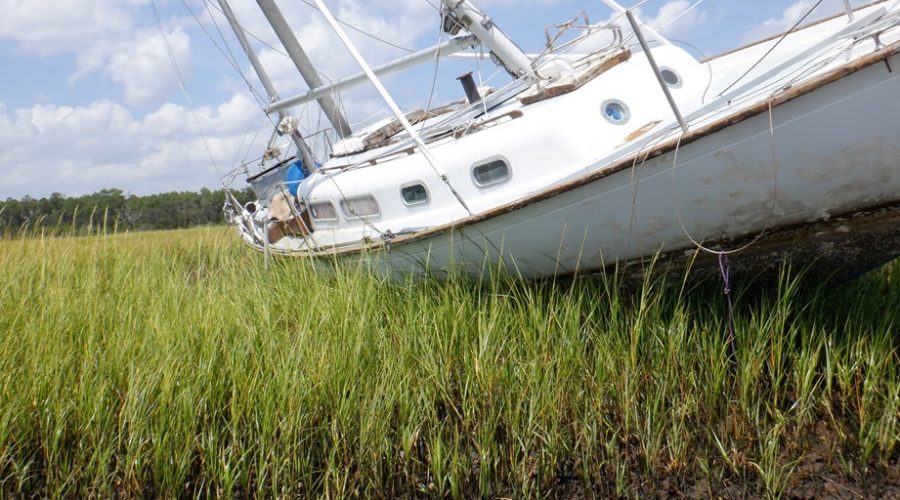
The North Carolina Coastal Federation and the North Carolina Coastal Reserve and National Estuarine Research Reserve have scheduled the sessions for Aug. 28 in Wilmington and Sept. 15 in Washington.
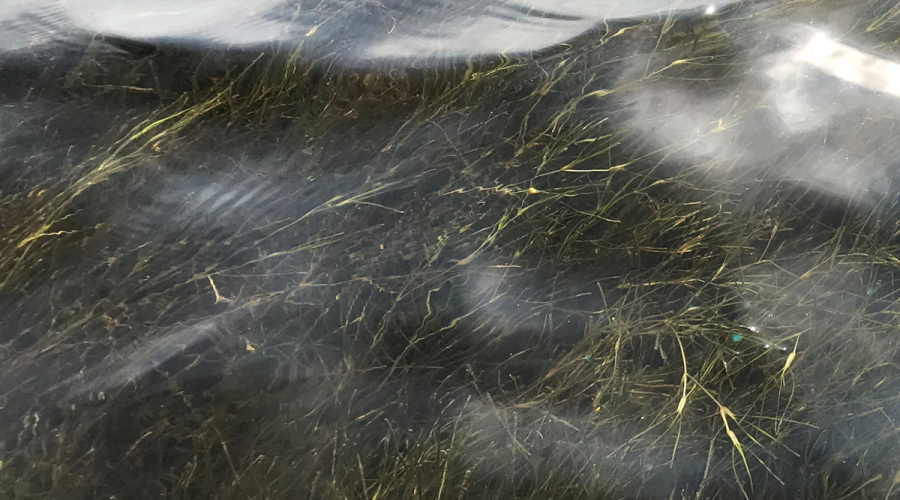
Marine Fisheries Commission to meet in Raleigh Aug. 19-20
The North Carolina Marine Fisheries Commission is expected to hear the draft update to the Coastal Habitat Protection Plan during its meeting this month.
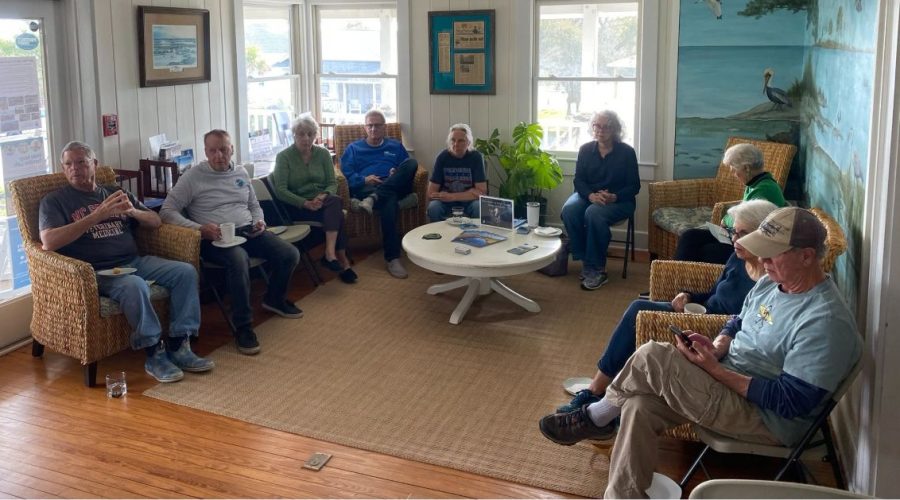
‘Ask an Advocate’ discussion to focus on coastal policy issues
Ask an Advocate is held quarterly by the North Carolina Coastal Federation’s southeast office and offers residents a chance to ask questions about coastal policy and other issues.
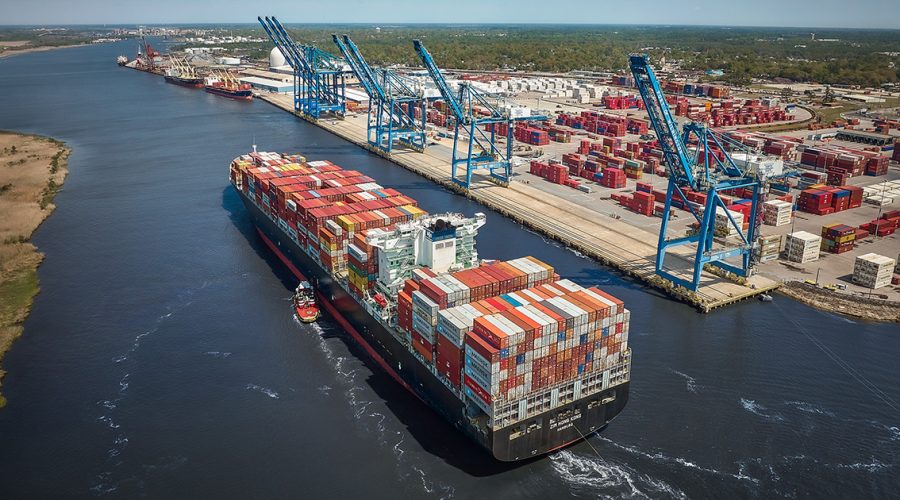
Corps presses toward fall decision on $1.3 billion harbor plan
The federal final environmental impact statement for the proposed channel deepening and widening at the N.C. Port of Wilmington is nearing the final approval stage, but Cape Fear area residents and advocates say their objections and questions about potential effects remain unanswered.
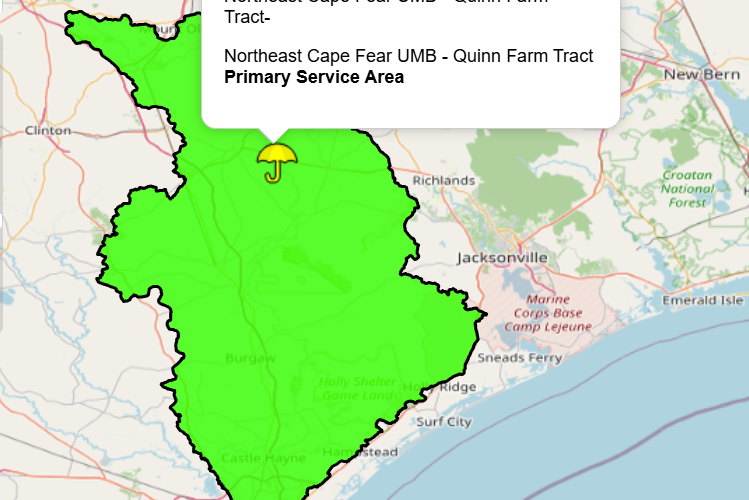
Wetland mitigation bank proposed for Cape Fear River Basin
The proposed Northeast Cape Fear Umbrella Mitigation Bank – Quinn Farm Site in Duplin County would be used to offset unavoidable environmental damage to natural wetlands associated with federally authorized projects.
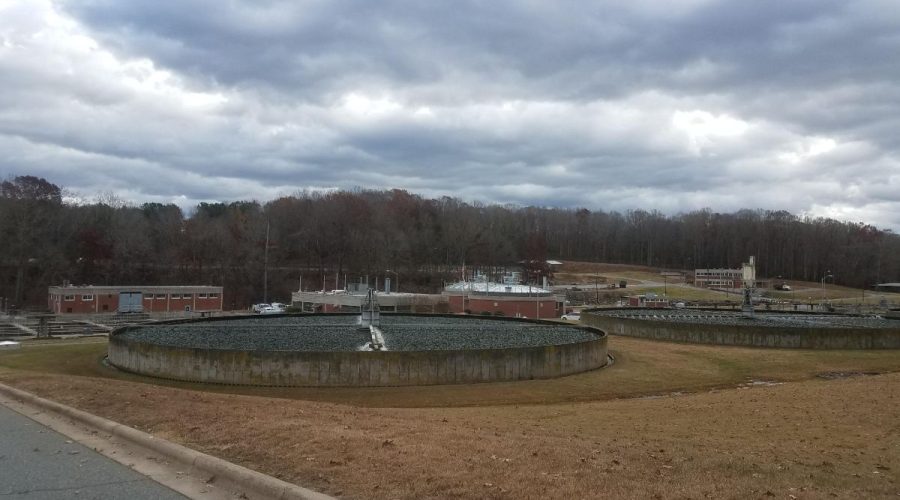
Cape Fear area water utilities notified of elevated 1,4-dioxane discharge
Several downstream drinking water suppliers, including Brunswick and Pender counties, and the Cape Fear Public Utility Authority, have been notified that elevated levels of 1,4-dioxane were detected in a July 10 sample collected upstream from the Asheboro Wastewater Treatment Plant.
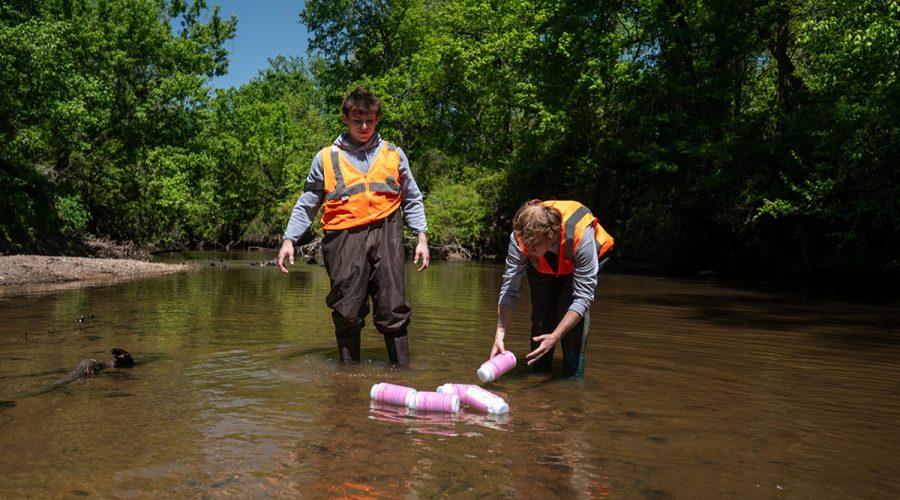
Find a special bottle in the water and you can help scientists
Deploying trackable floating bottles, researchers are working to better understand how litter gets into waterways and travels downstream, with an effort to pinpoint litter hotspots and identify correlations between storms and the volume of trash that enters individual streams during those storms.