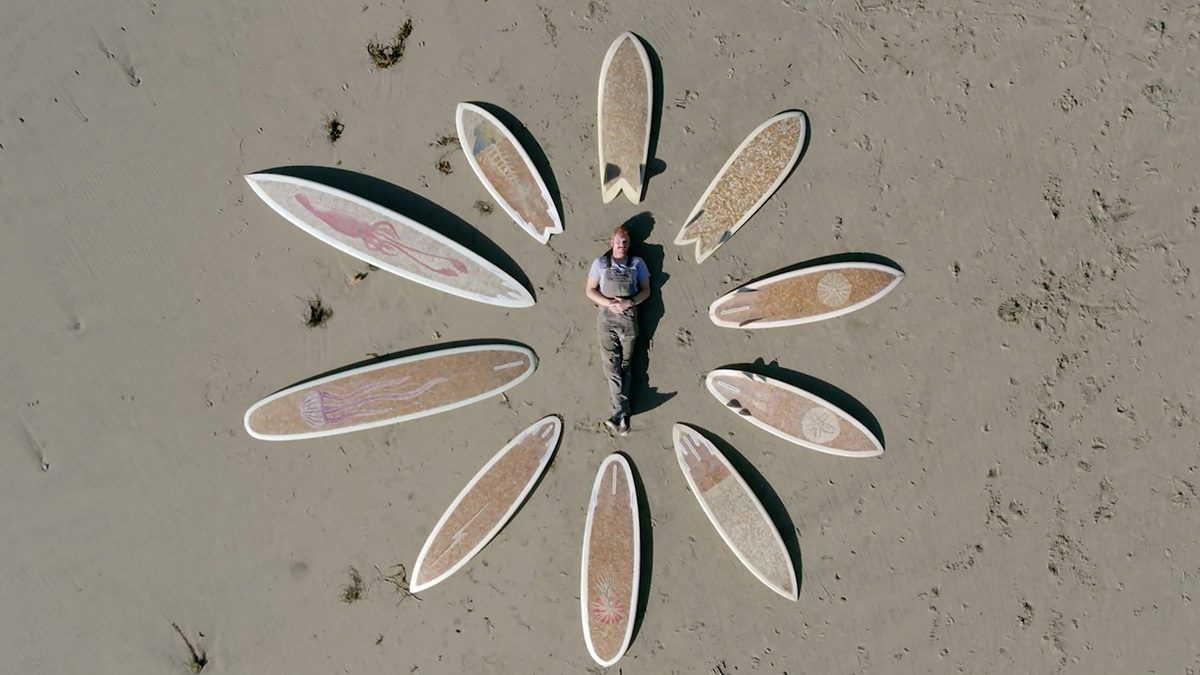
“The Cigarette Surfboard,” a film about surfing activists and tobacco-related pollution around the world, will make its online premiere Tuesday through Sept. 27, and is timed to include International Coastal Cleanup Day, Sept. 19.
pollution
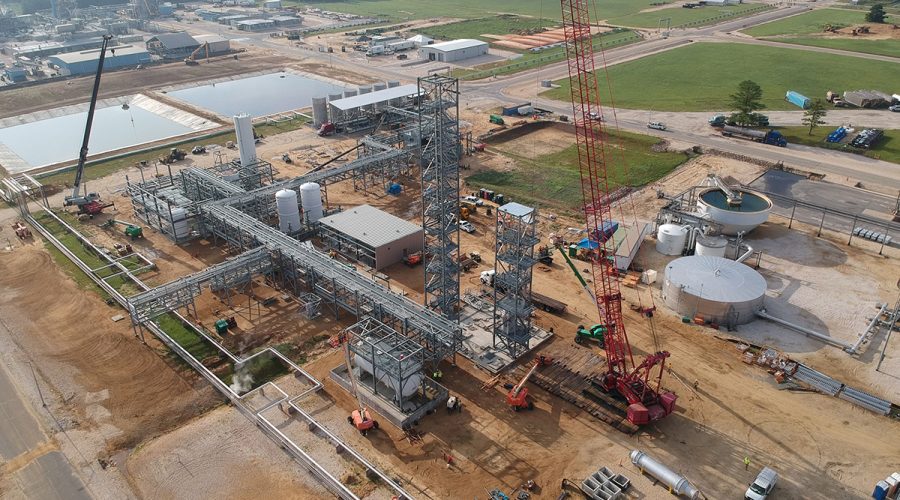
Chemours deal largest ever in NC; advocates say it’s too little
Attorney General Jeff Jackson and North Carolina Department of Environmental Quality Secretary Reid Wilson announced the settlement Thursday. Environmental advocates say the deal doesn’t go far enough.

What Granny Jean’s pantry can teach Capitol Hill about reuse
Our grandparents’ tradition of reuse has been replaced by today’s throwaway economy built around single-use plastic, which doesn’t vanish, and we need to nationally implement systems that last.
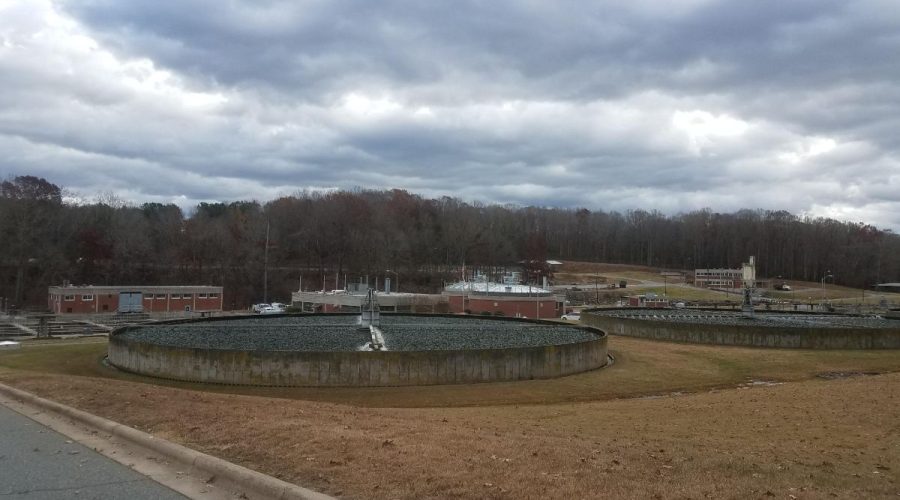
Cape Fear area water utilities notified of elevated 1,4-dioxane discharge
Several downstream drinking water suppliers, including Brunswick and Pender counties, and the Cape Fear Public Utility Authority, have been notified that elevated levels of 1,4-dioxane were detected in a July 10 sample collected upstream from the Asheboro Wastewater Treatment Plant.
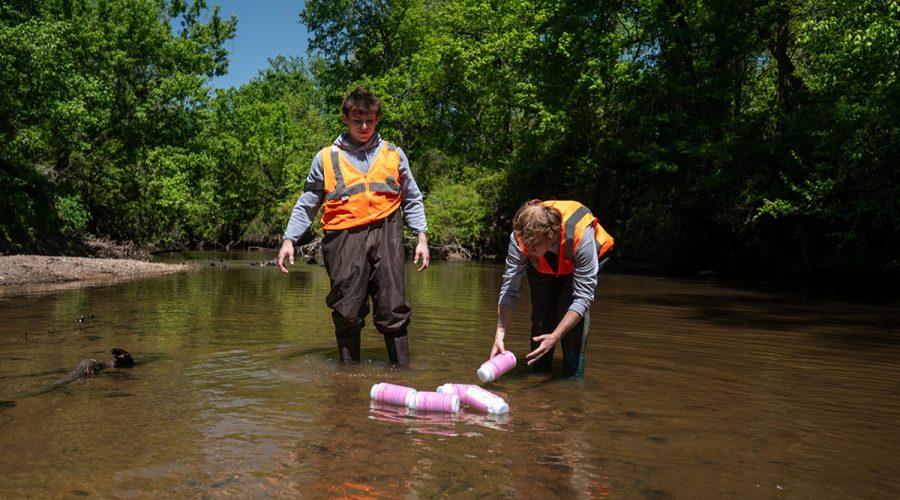
Find a special bottle in the water and you can help scientists
Deploying trackable floating bottles, researchers are working to better understand how litter gets into waterways and travels downstream, with an effort to pinpoint litter hotspots and identify correlations between storms and the volume of trash that enters individual streams during those storms.
Indigenous environmental justice: Author links culture, water
Duke University professor and member of the Lumbee Tribe Dr. Ryan Emanuel is Coastal Carolina Riverwatch’s guest speaker next week in Morehead City to discuss links between historic Indigenous oppression and present-day efforts to promote environmental justice and Indigenous rights.
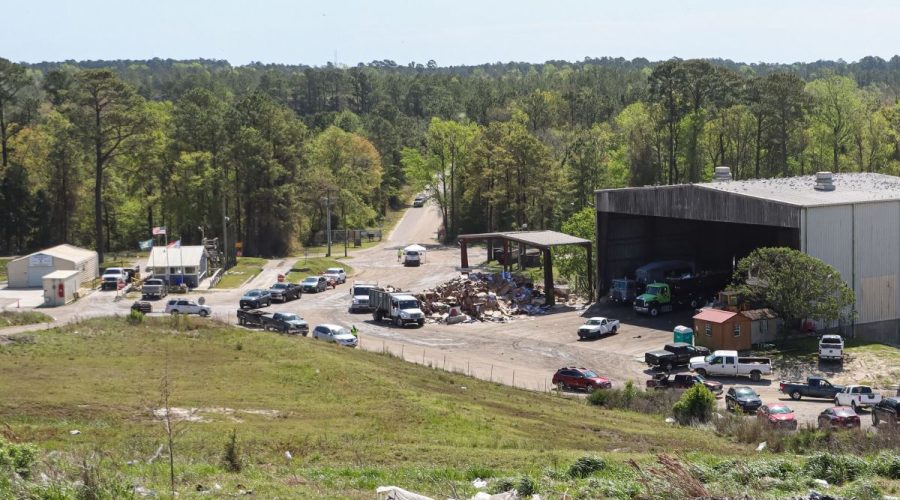
Audit reveals hundreds of potentially contaminated landfills
A state audit released Monday found that more than three-quarters of almost 700 identified landfill sites where municipal solid waste disposal occurred without regulatory oversight have never been investigated by state environmental regulators.
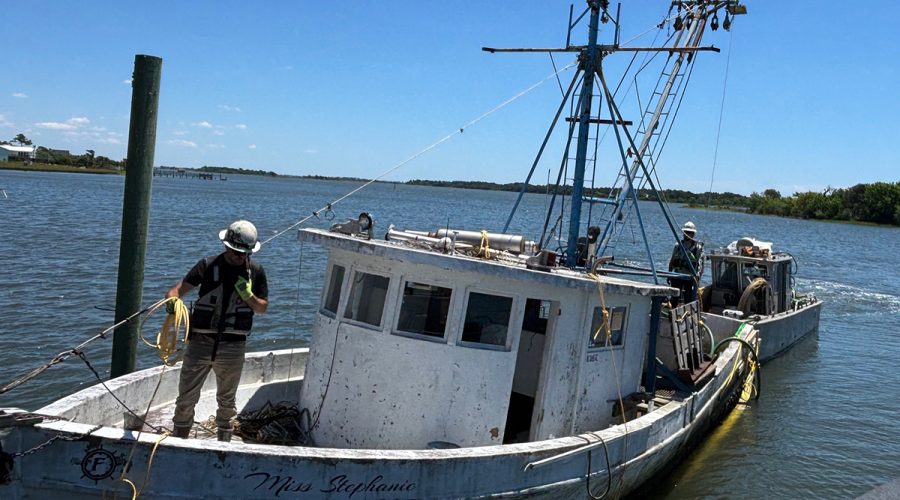
Crews set out to pull more abandoned boats from area waters
The North Carolina Coastal Federation, with a $450,000 grant from the BoatUS Foundation, has launched its latest effort to rid coastal marshes and waterways of abandoned and derelict vessels.

EPA ‘strategy’ proposes to strike enforceable PFAS standards
The Environmental Protection Agency is wasting no time in advancing its plans to eliminate and reevaluate enforceable standards for four per- and polyfluoroalkyl substances, including the compound branded GenX found in the drinking water sources of tens of thousands of North Carolinians.
Nearly 36,000 gallons of raw sewage spills in Jacksonville
“At no time was city drinking water compromised and there is no danger to the public,” according to the state-mandated announcement.
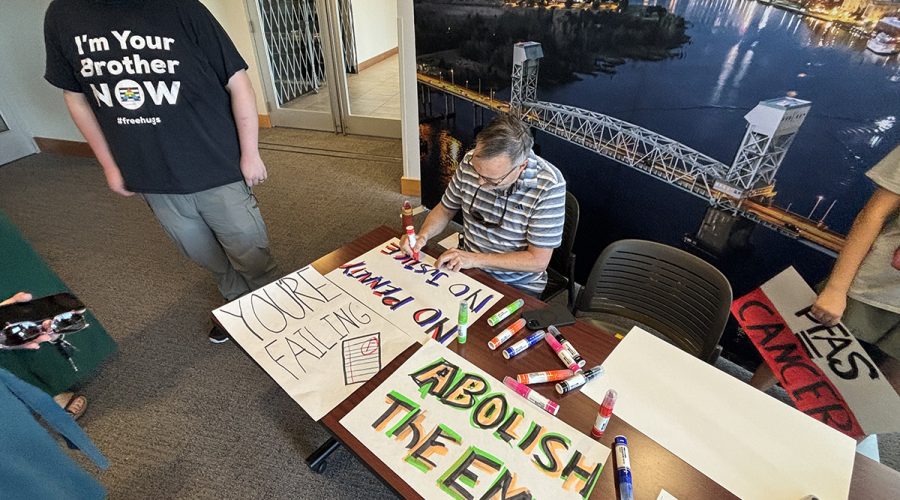
Speakers scold EMC, share health issues at PFAS rules hearing
About 230 crowded into Wilmington’s Skyline Center Thursday for the Environmental Management Commission’s hearing and dozens spoke, often angrily, about proposed PFAS monitoring and minimization rules.
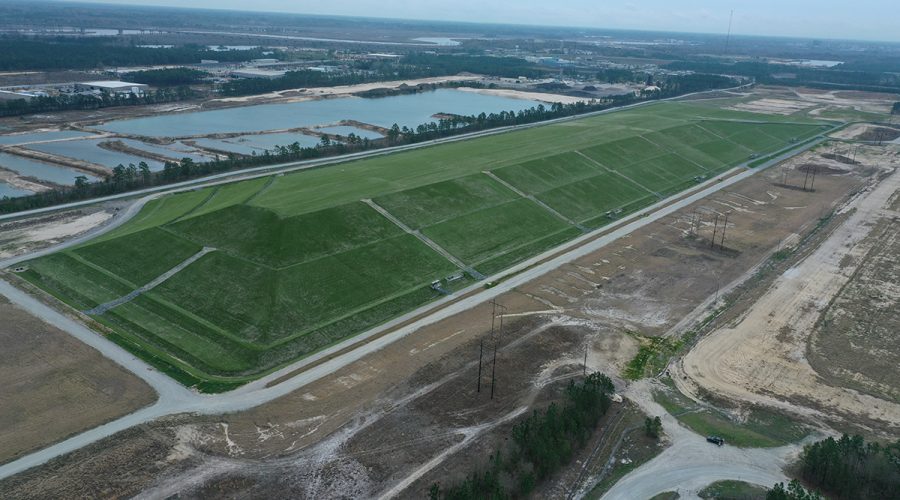
Move to relax federal coal ash rules ‘potentially concerning’
The proposed loosening of federal coal ash disposal regulations is not expected to affect North Carolina’s robust management rules — at least for the time being.
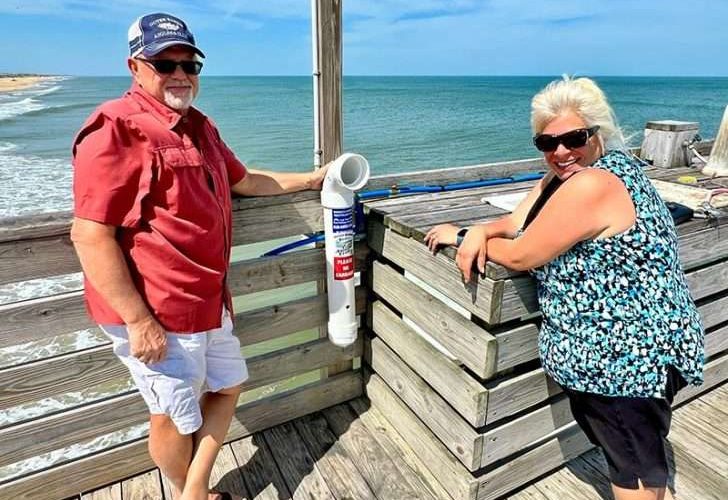
Environmental advocate Debbie Swick, anglers club team up
Debbie Swick, in partnership with the Outer Banks Anglers Club, has launched a monofilament recovery and recycling program using collection vessels at sites across the Outer Banks.
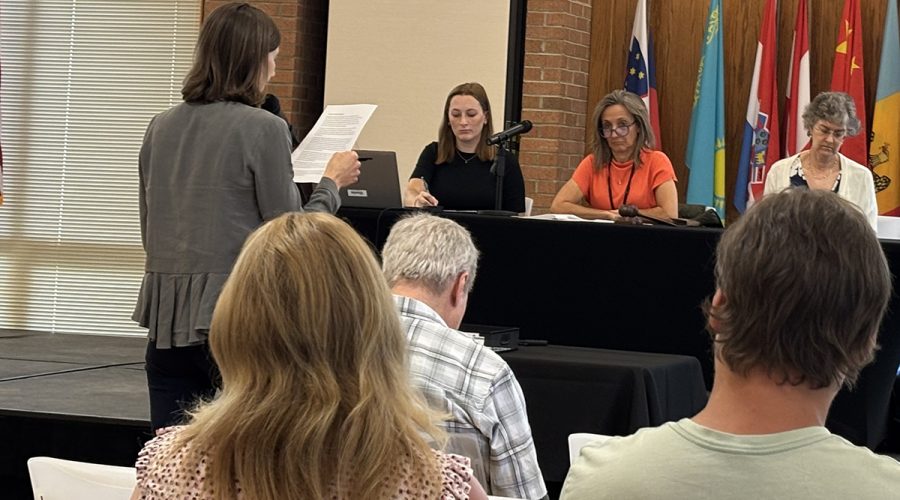
Proposed industrial wastewater rules ‘completely inadequate’
Nearly all who spoke Tuesday during a public hearing in Fayetteville criticized the North Carolina Environmental Management Commission’s proposed industrial discharge rules fail to protect the drinking water supply of people who live farther down the Cape Fear River.
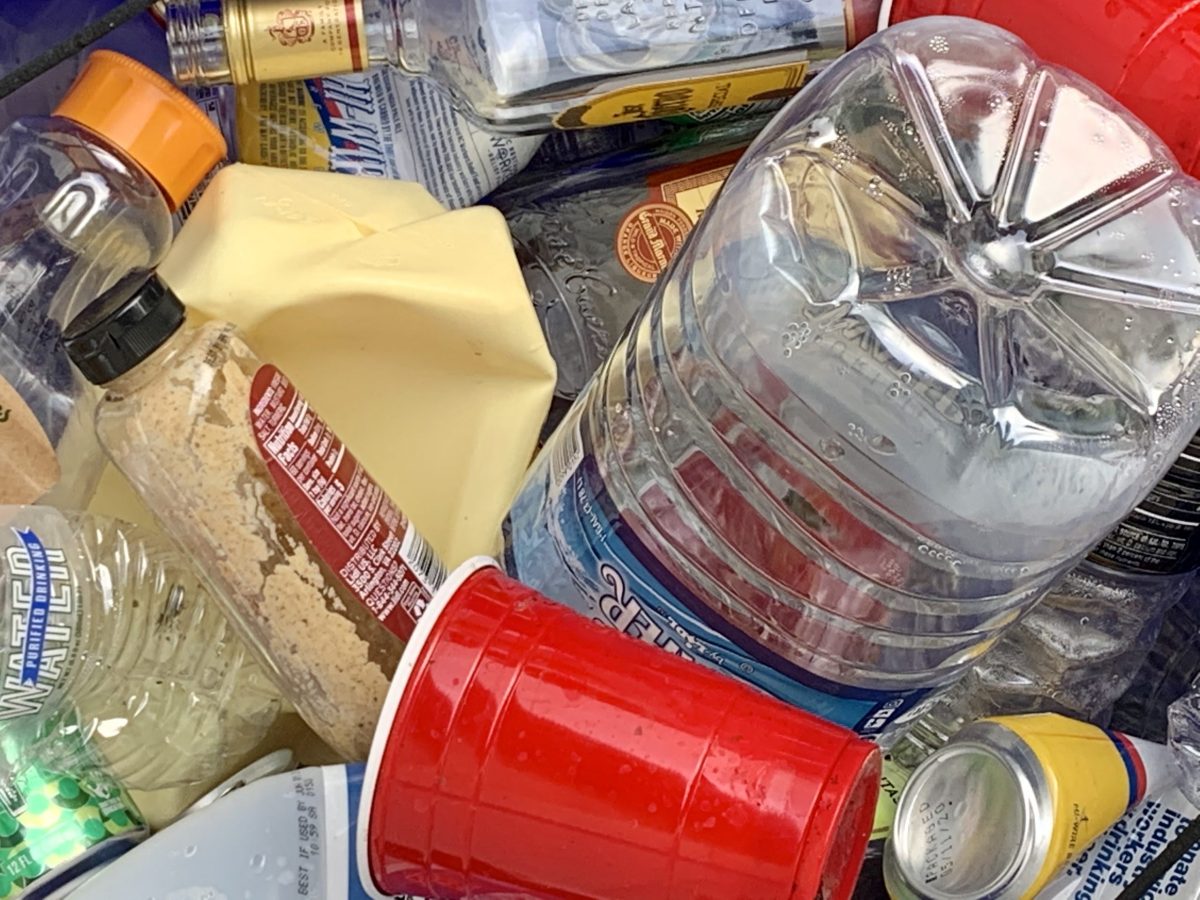
Ocean Conservancy’s tool measures impact of litter cleanups
The organization’s new online calculator lets users see how many seabirds, sea turtles and marine mammals they’ve helped by removing plastics from the environment.
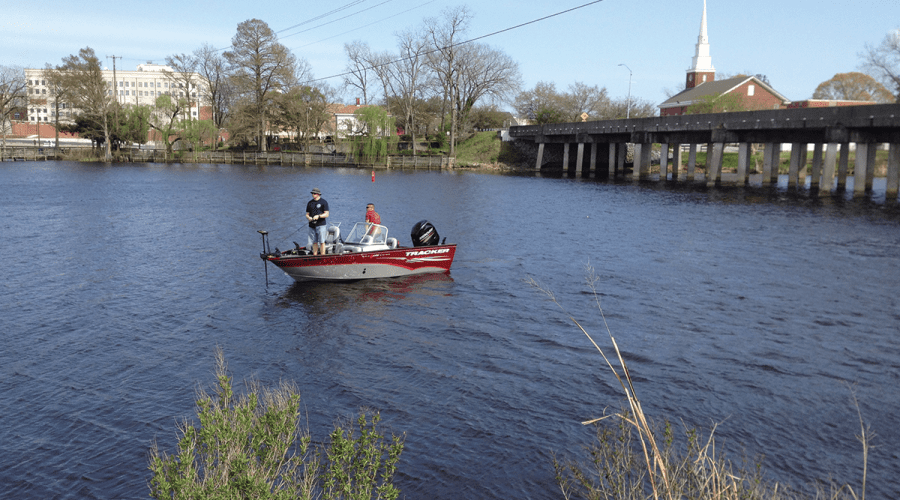
Restoration plan for lower New River geared to advance
As work on restoring the upper reaches of the exclusively Onslow County river is on track for completion next year, Coastal Carolina Riverwatch is finalizing the Lower New River Watershed Restoration Plan, which looks toward areas where saltwater creeks drain into shellfish waters.