Technology used to track COVID-19 in municipal wastewater is now being used to track populations’ dietary habits, according to a new paper released last week in the Proceedings of the National Academy of Sciences.
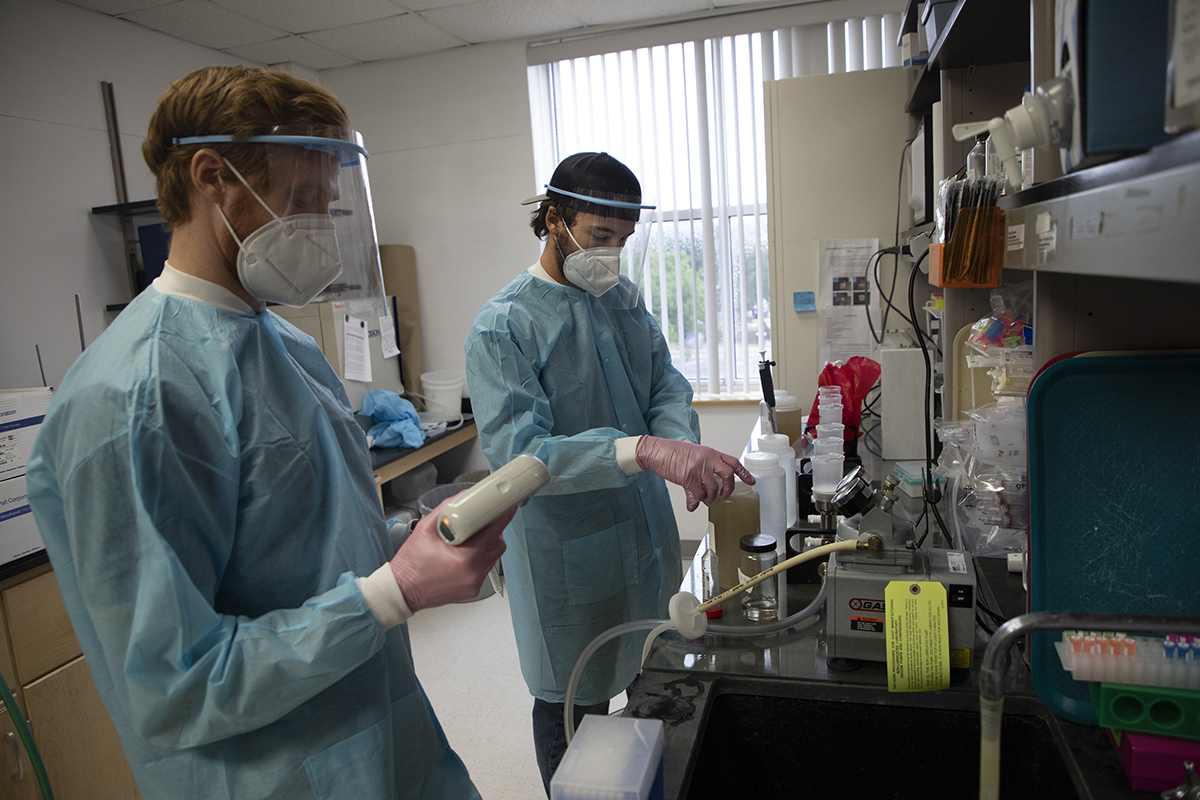
Dr. Rachel Noble, a professor at the University of North Carolina Chapel Hill’s Institute of Marine Sciences in Morehead City, has a history of sampling wastewater as part of her research. In 2020, she used DNA sequencing technology to test wastewater samples for the coronavirus. Now, Noble and her colleagues, including those from Duke University, are using that same wastewater surveillance system to study what people eat.
Supporter Spotlight

Researchers employed a technology that the paper’s authors describe as something that “transforms municipal wastewater into a real-time window on population nutrition” to gather data from wastewater samples collected at 21 different wastewater treatment plants across the state.
Called Food Landscape Observation in Water, abbreviated to FoodSeq-FLOW, the technology was developed from a previous version used to track COVID-19. The new version targets the DNA markers of certain plants and animals found in human feces and identifies them, giving researchers a detailed overview of each population’s diets. FoodSeq can identify these DNA markers down to the specific species of plant or animal that was eaten.
“The first thing that I tell people, the very shortest of it, is that this is an exciting kind of silver-lining outcome that came from our wastewater surveillance that was initiated during COVID-19,” Noble said. “We were responding to obviously a global pandemic, but there’s much more that wastewater surveillance can be useful for in terms of a snapshot of a community.”
Wastewater has never been able to provide this level of dietary information on this scale before, and Noble said it could lead to significant improvements in policies related to health and nutrition.
Traditionally, population-wide dietary information was gathered through questionnaires, which are time-consuming, costly and often inaccurate. It can be challenging for people to remember exactly what they ate, and sometimes they are reluctant to talk about their diets in detail. Noble said that this technology is also helpful when it comes to understanding the diets of children within a population, particularly those who are too young to accurately answer questionnaires.
Supporter Spotlight
“To me, this work has even greater value because you’re you’re able to peer into the nutrition of a community, but in a way that actually includes all demographics,” Noble said. “Whoever’s using the sewage system, they’re included.”
In communities struggling with nutritional health, a more accurate picture of dietary habits could lead to the creation of more accurate nutritional guidelines. This is especially relevant for people living in food deserts, where healthy food, particularly fresh produce, isn’t readily available.
“This paper is all about the fact that we can do this. The next effort really is going to be how you use this information to help people make better choices, and maybe provide some education where it’s needed at the community level and resources,” Noble said.
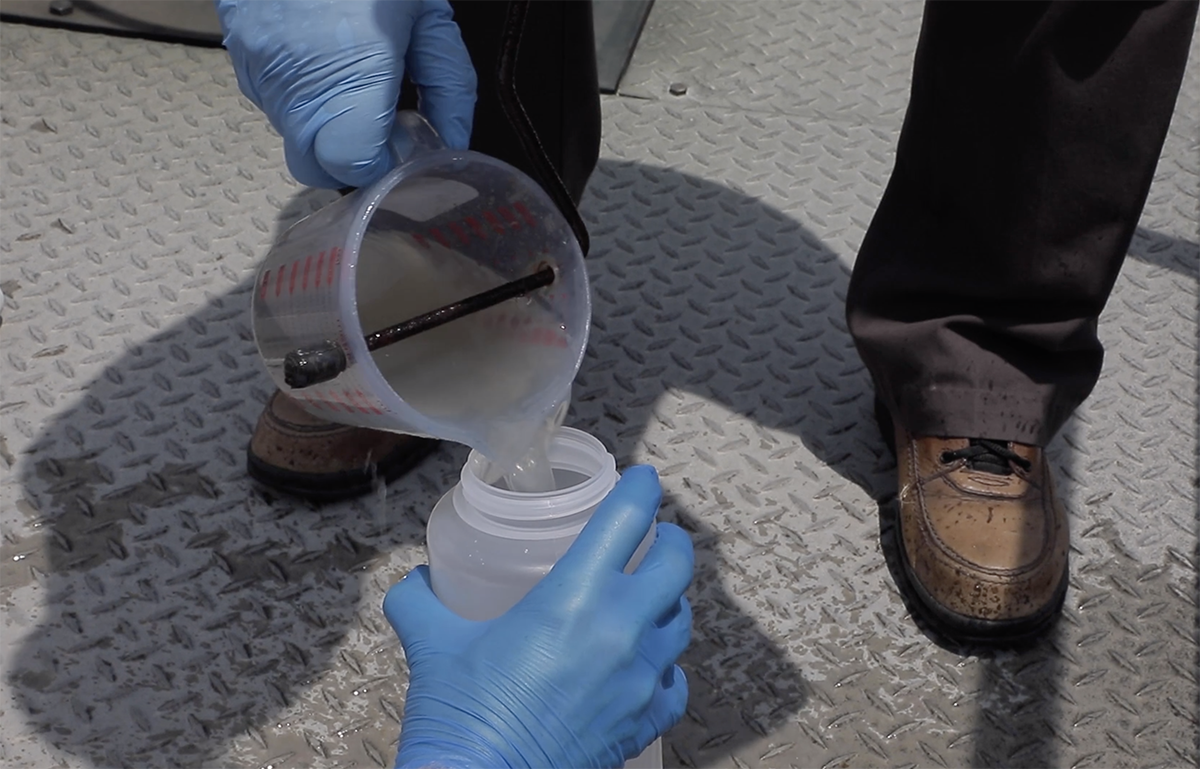
The implementation of FoodSeq technology into current wastewater infrastructure would be simple, Noble said. The issue lies with the funding required to get it started. FoodSeq-FLOW itself is cost-efficient. In this most recent study, researchers gathered data from wastewater samples that serve more than 2 million people, all at a rate of less than a cent per person. But actually gathering that data on a regular basis and putting it into action is another story.
“FoodSeq, from a practical perspective, could start being done in North Carolina tomorrow if someone came in and had resources to do it. A better question, I think, is what are the ways that we could use the data to actually benefit the nutrition — and maybe education on nutrition — at the community level,” Noble said.
The accuracy of data for a specific community is subject to a number of confounding variables, however. Sewage water is regularly contaminated with environmental and industrial runoff. The DNA samples can suffer degradation due to the varying temperatures, salinity and acidity levels in sewage pipes.
Noble also mentioned that people like herself, who use a septic tank system for their sewage, are not connected to wastewater infrastructure, and therefore will not be regularly measured in studies such as these. This is especially problematic because septic tanks are commonly used in more rural areas, and these are populations that are traditionally underrepresented in nutritional and dietary studies.
“It is a disadvantage of the study that we’re missing out on a portion of the population that is in the most rural areas, and that would persist across the whole United States if you designed the study the whole way,” Noble said. “So another great study would be to actually figure out a way to study septic systems.”
“To me, the next thing to do would be to do it like for a year or two years across the entire state of North Carolina, and see what the seasonal patterns are,” Noble said. “The patterns that we observe should just literally be thought of as snapshots. They’re not necessarily the patterns that you would observe over the course of a year, and then over the course of all communities in North Carolina at all times.”
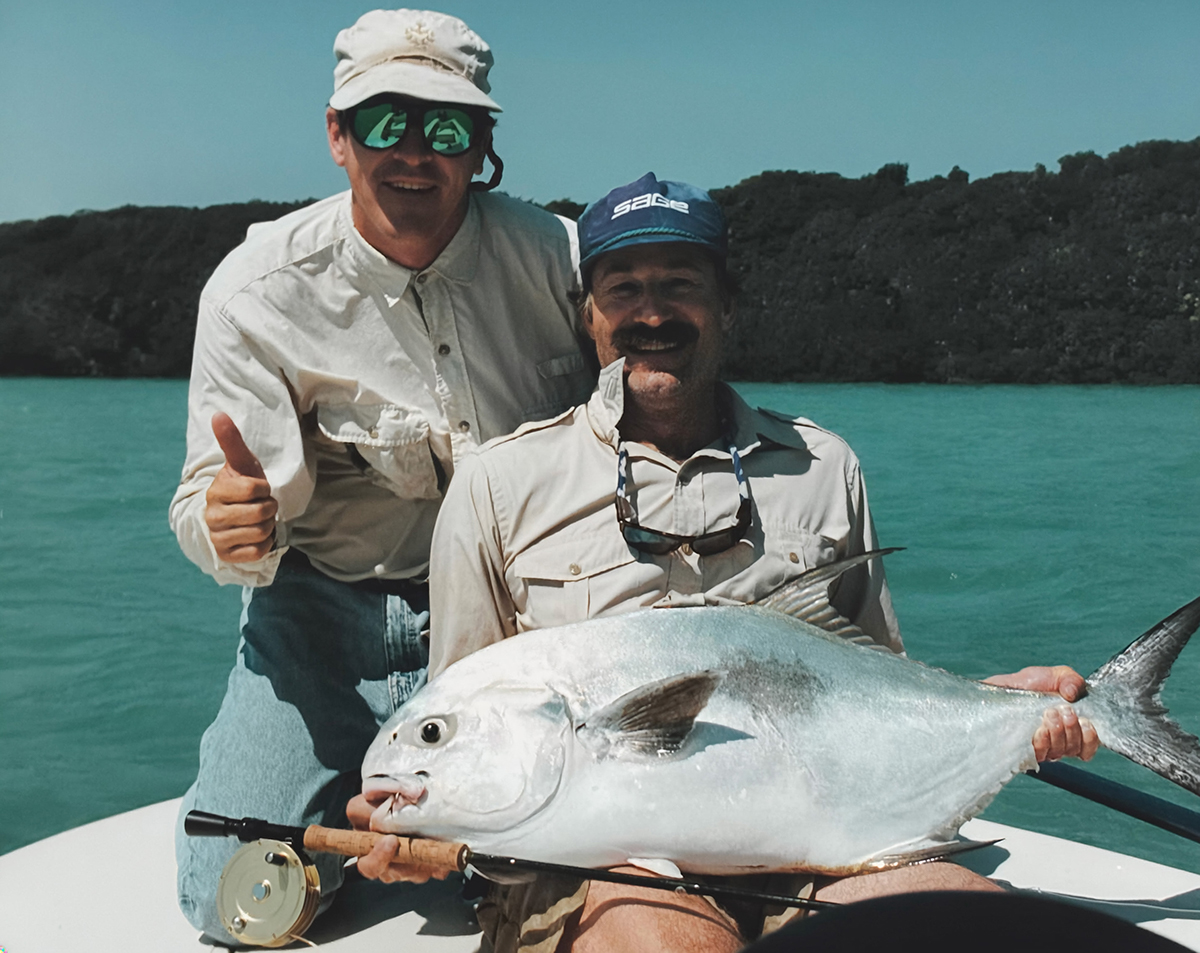
Even disregarding all of these other confounding factors, data gathered with FoodSeq is not always a perfect snapshot of a single population. Wastewater samples from small coastal towns that experience a large boom in tourism during the summer will naturally include waste from the tourist population as well as the locals. But as a resident of Beaufort, Noble was able to recognize specific species of fish that are popular among local fishers. The study documented 60 species of fish.
“I do a lot of fishing, and I work with a lot of local people in both the shellfish and fishing community, and it was really interesting to me to see some of the fish that are locally found represented in our sewage here, but not represented anywhere else in the state,” Noble said. She mentioned seeing drum, triggerfish and Spanish mackerel, all of which are species usually caught and eaten locally.
Noble said that data gathered from wastewater samples can be used as a snapshot of many different things. Before the development of FoodSeq, she had considered using DNA sequencing in wastewater testing to measure the correlation of meat consumption and cardiac diseases.
“I had thought in the past about community patterns of all kinds of things. When we started our wastewater surveillance work in 2020, you know, I often thought to myself, ‘wow, these wastewater samples would be exciting to work on from a variety of different standpoints’,” Noble said.
Overall, Noble simply hopes to find ways that this information can be used to improve the nutritional health of the average person in North Carolina.
“We have food scarcity issues well across all of eastern or across North Carolina, and the interesting thing is that those food scarcity issues are irrespective of race, background, demographics,” she said. “Yes, we could do this in the state of North Carolina or in any state tomorrow if someone came in with unlimited resources and wanted to do it. You know, what’s the path forward for actually making strides in nutrition and wellness? That, to me, is the next open door that we’re walking into.”