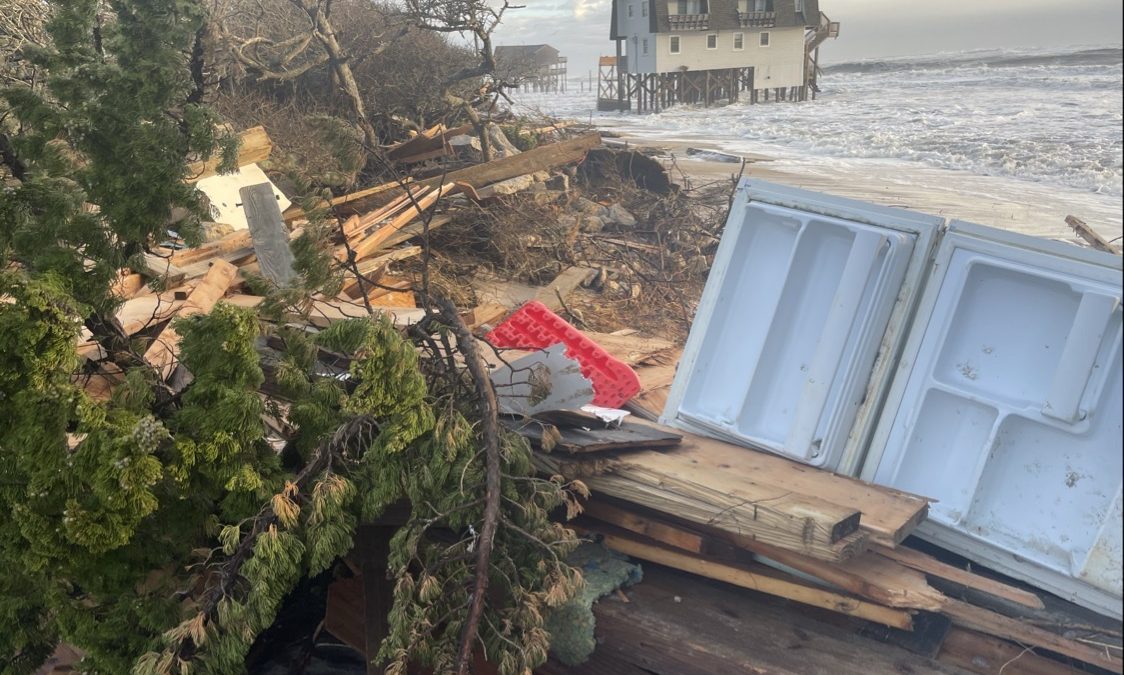
North Carolina Sea Grant’s biennial conference a “platform for engaging with like-minded participants and potential collaborators dedicated to the prosperity of our state’s coastal communities, environments, and economies.”
PFAS
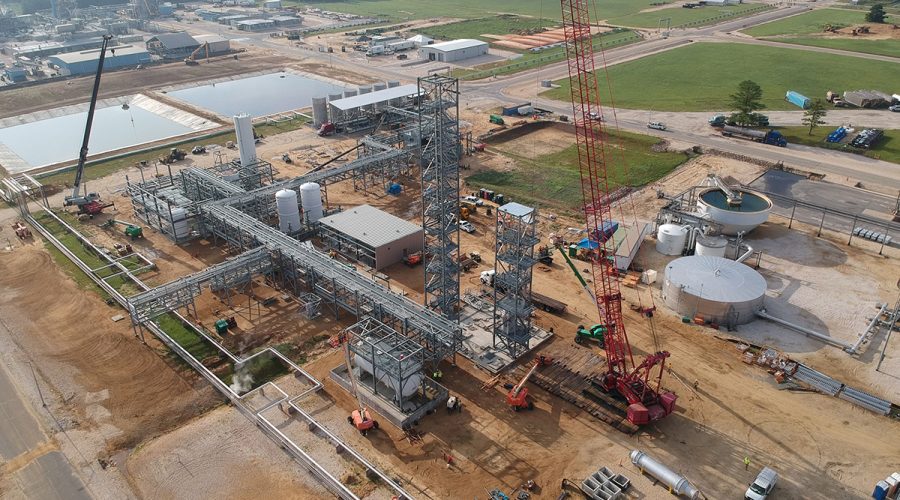
Chemours deal largest ever in NC; advocates say it’s too little
Attorney General Jeff Jackson and North Carolina Department of Environmental Quality Secretary Reid Wilson announced the settlement Thursday. Environmental advocates say the deal doesn’t go far enough.
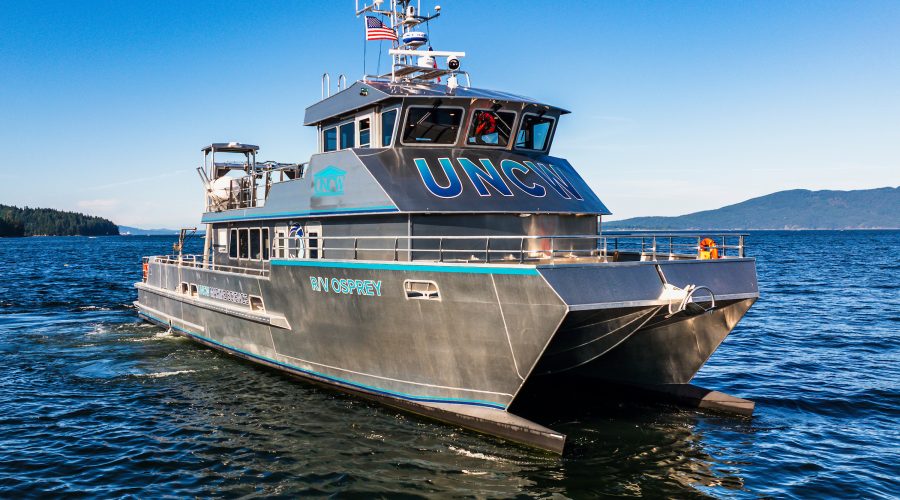
‘Delivery is imminent’: UNCW awaits new research vessel
The University of North Carolina Wilmington is eagerly anticipating delivery of its new $7.5 million, 78-foot-long, 27-foot-wide, aluminum research vessel purpose-built with an array of equipment and sensors, including those for enhanced geophysical surveys.
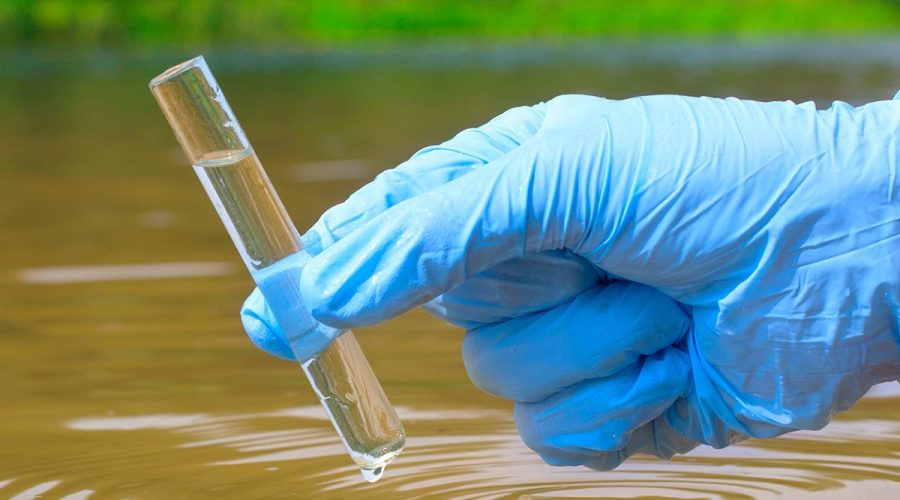
Opinion: Water, water, everywhere; when’s it safe to drink?
Guest commentary: We need the North Carolina General Assembly to step up and protect their constituents as the EPA rolls out its stated plans to eliminate nationwide drinking water standards for PFAS, a known human health risk.
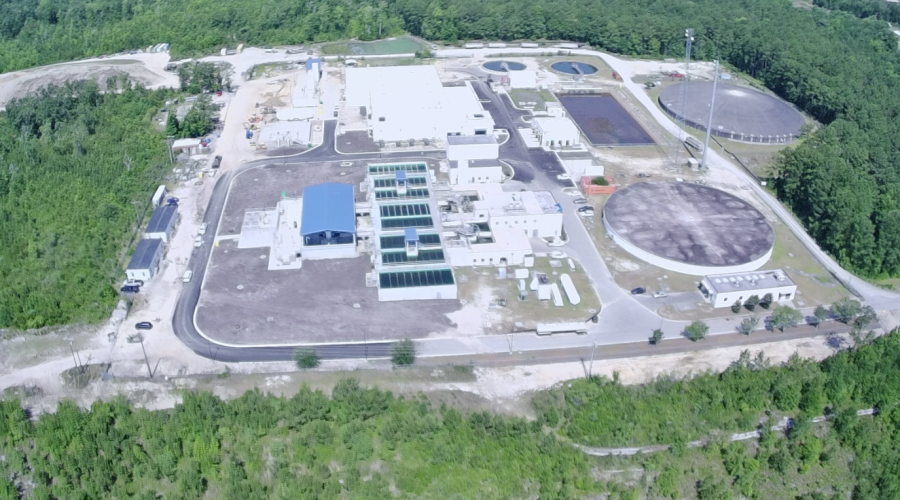
Brunswick water treatment plant upgrades nearly complete
Upgrades and additions to Brunswick County’s Northwest Water Treatment Plant are expected to be by completed by the end of this year.
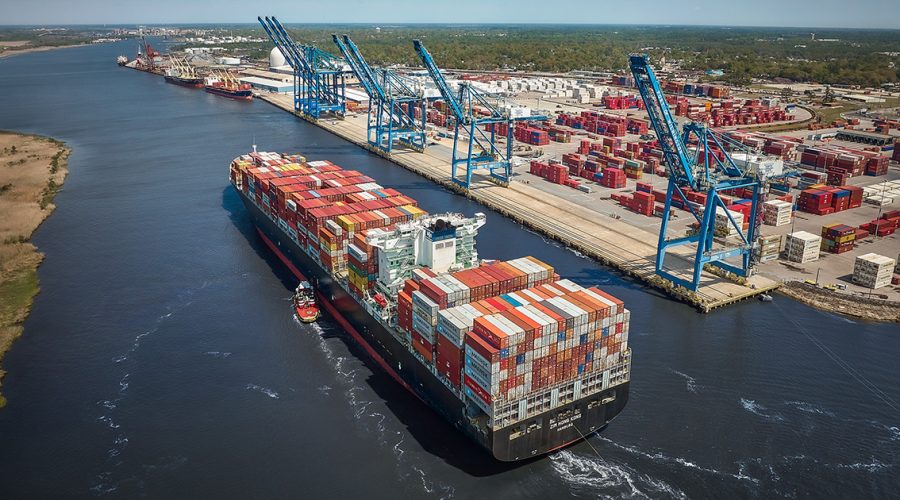
Corps presses toward fall decision on $1.3 billion harbor plan
The federal final environmental impact statement for the proposed channel deepening and widening at the N.C. Port of Wilmington is nearing the final approval stage, but Cape Fear area residents and advocates say their objections and questions about potential effects remain unanswered.
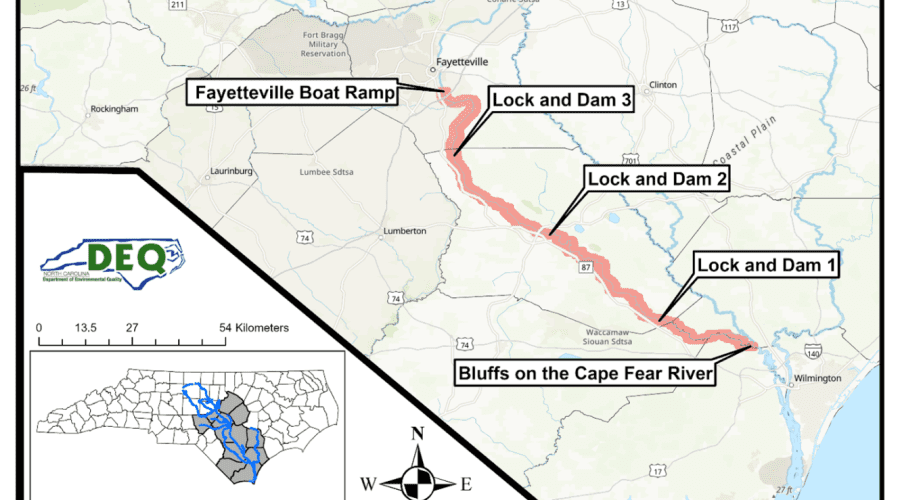
Secretaries’ Science Advisory Board to meet Wednesday
The North Carolina Secretaries’ Science Advisory Board, which assists, consults and advises the state’s human health and environmental agencies, is scheduled to meet virtually on Wednesday.
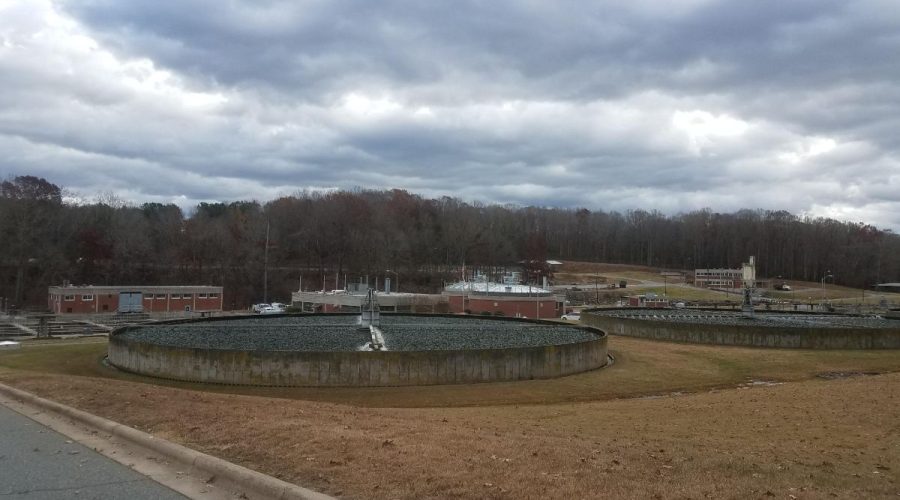
Cape Fear area water utilities notified of elevated 1,4-dioxane discharge
Several downstream drinking water suppliers, including Brunswick and Pender counties, and the Cape Fear Public Utility Authority, have been notified that elevated levels of 1,4-dioxane were detected in a July 10 sample collected upstream from the Asheboro Wastewater Treatment Plant.

Opponents call EPA proposal on persistent PFAS ‘dangerous’
Speakers during an online public hearing Tuesday largely and roundly criticized the Environmental Protection Agency’s proposal to repeal federal drinking water limits for four per- and polyfluoroalkyl substances and delay the deadline for water utilities to comply with limits for related compounds by two years.
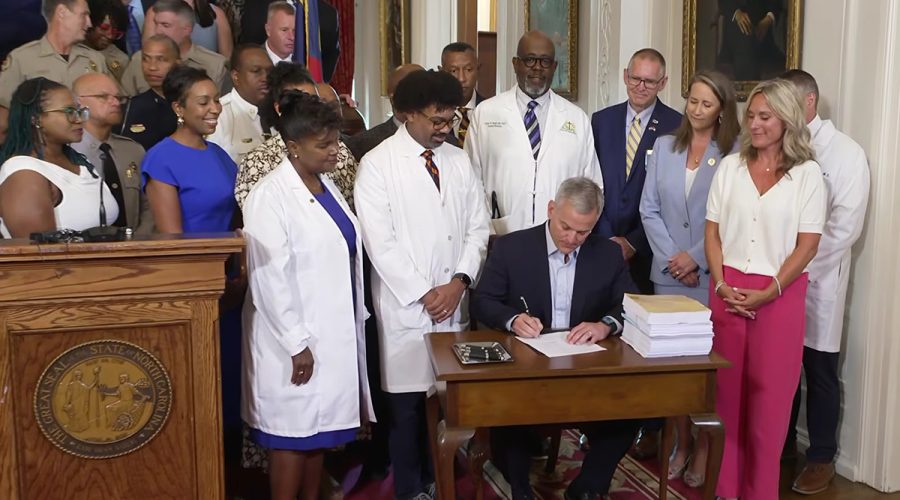
Stein signs budget with safe water provisions, new ferry tolls
Gov. Josh Stein signed the $34.4 billion spending plan featuring coastal environmental spending and policy provisions, and new tolls on state ferries that have long been free to ride.
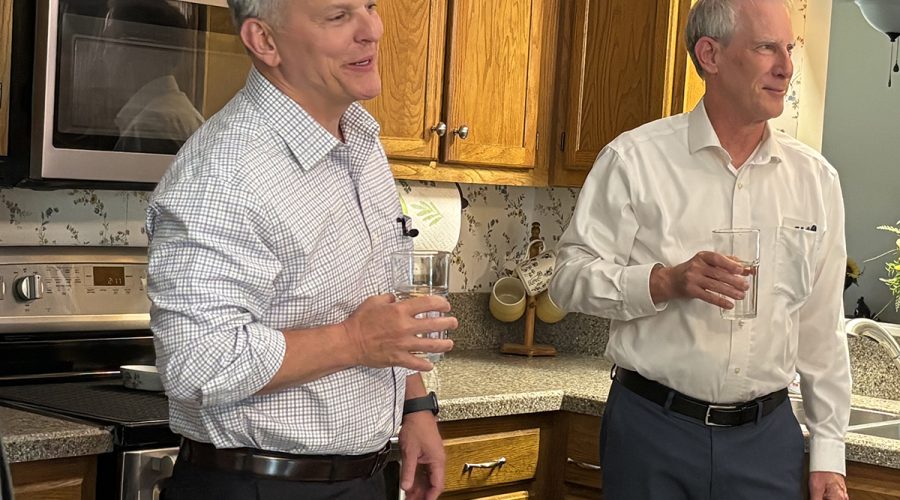
Stein to Chemours: ‘Pay to help us clean up the pollution’
Gov. Josh Stein says Environmental Protection Agency’s settlement agreement with Chemours on PFAS pollution will likely do little to help North Carolina and that the state Environmental Management Commission and EPA handling of these contaminants were “unfortunate steps.”

EPA ‘strategy’ proposes to strike enforceable PFAS standards
The Environmental Protection Agency is wasting no time in advancing its plans to eliminate and reevaluate enforceable standards for four per- and polyfluoroalkyl substances, including the compound branded GenX found in the drinking water sources of tens of thousands of North Carolinians.
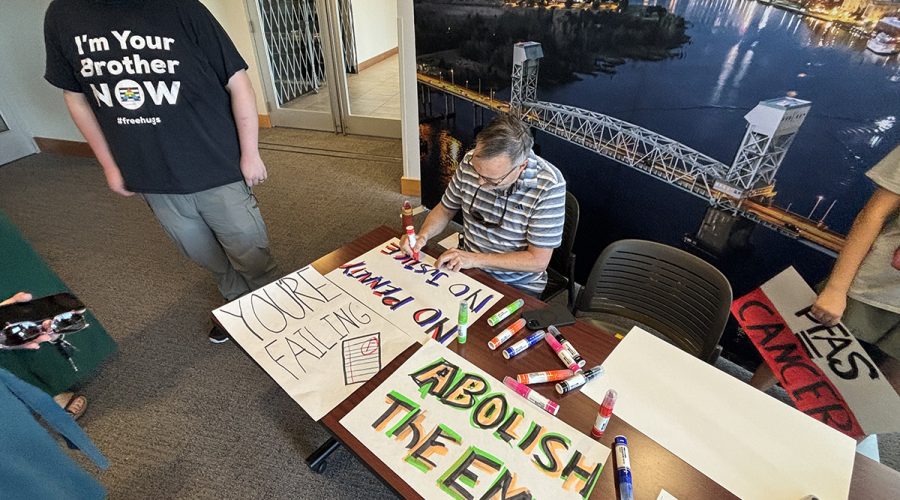
Speakers scold EMC, share health issues at PFAS rules hearing
About 230 crowded into Wilmington’s Skyline Center Thursday for the Environmental Management Commission’s hearing and dozens spoke, often angrily, about proposed PFAS monitoring and minimization rules.
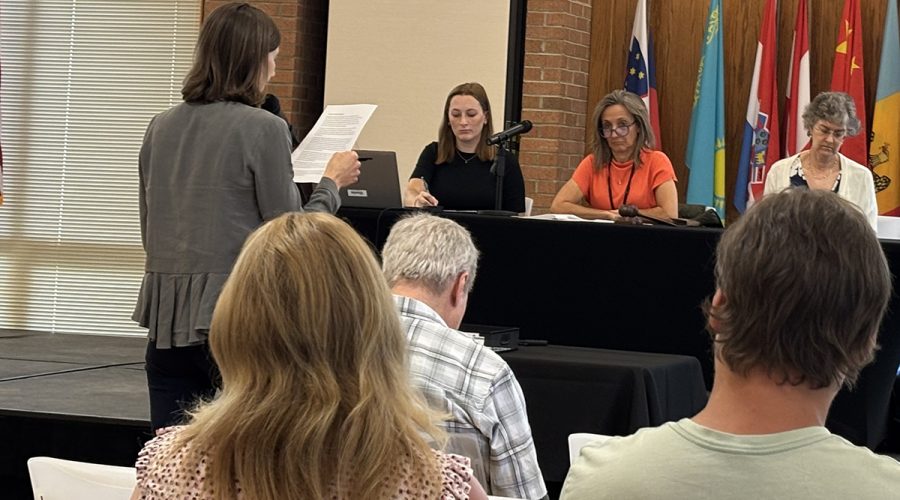
Proposed industrial wastewater rules ‘completely inadequate’
Nearly all who spoke Tuesday during a public hearing in Fayetteville criticized the North Carolina Environmental Management Commission’s proposed industrial discharge rules fail to protect the drinking water supply of people who live farther down the Cape Fear River.
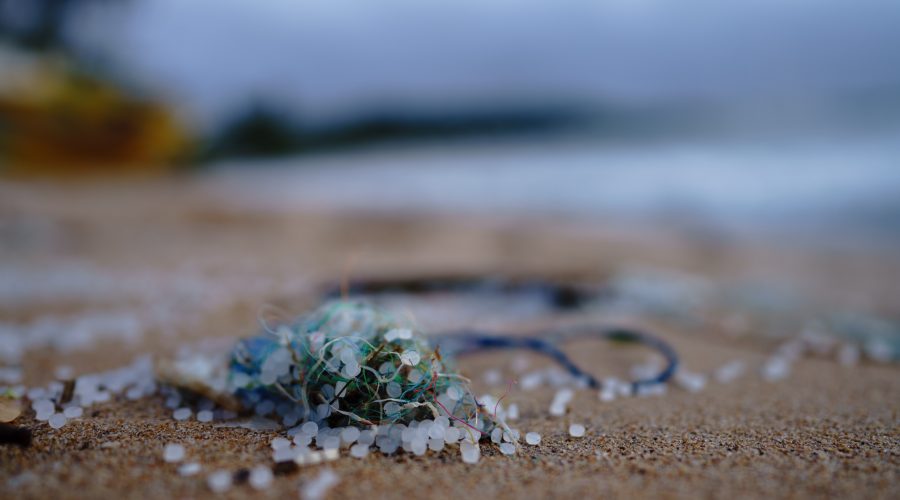
EPA adds microplastics, pharmaceuticals to contaminant list
In a first, the Environmental Protection Agency has included microplastics and pharmaceuticals on its draft list of substances in public drinking water that are unregulated but merit further scientific scrutiny.
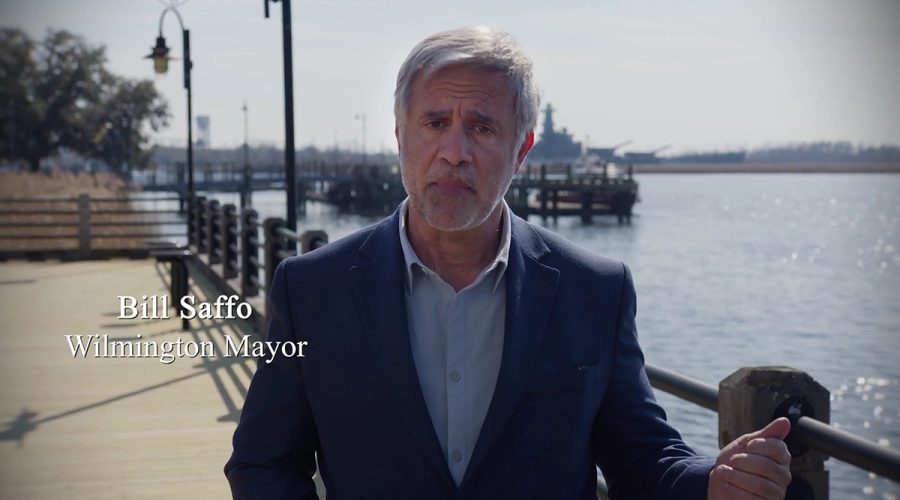
Public comments regarding river basin transfer plan pour in
New issues of concern keep arising as officials in Wilmington and Brunswick County urge rejection of Fuquay-Varina’s plan on file with the state to take more than 6 million gallons per day from the Cape Fear River to meet its growth demands.