
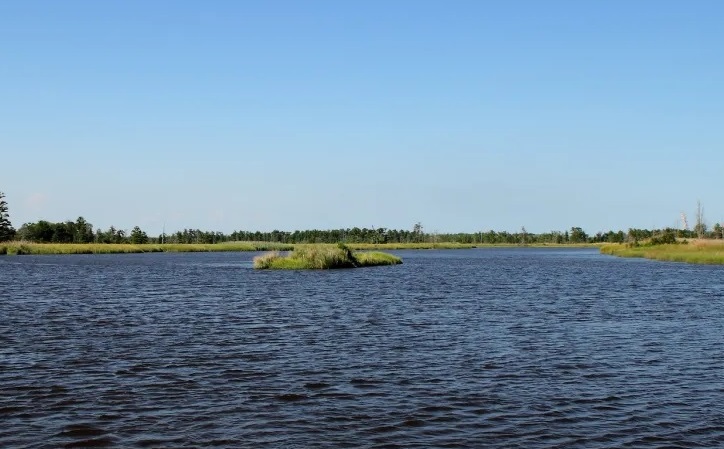
Trash trouts, litter traps and an informed public help protect North Carolina watersheds from plastic waste big and small.
Featured
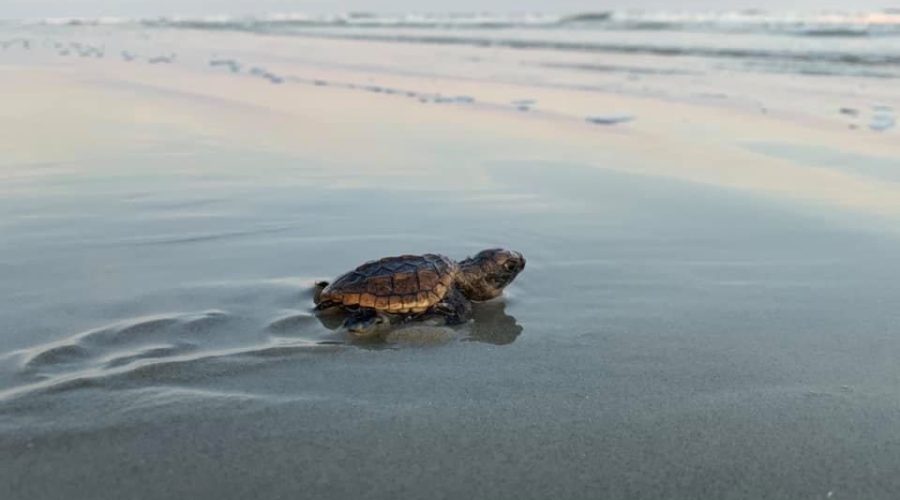
Ocean Isle group works to protect sea turtles year-round
Ocean Isle Beach Sea Turtle Protection Organization volunteers work year-round, not just on World Turtle Day, to protect sea turtles, especially during nesting season.

From farms to niche tourism, Bertie ‘Seedbed of the Colony’
Bertie County, an agricultural hub on the inner banks of northeastern North Carolina, turns 300 this year.

Long-delayed Ocracoke passenger ferry gets underway
The N.C. Department of Transportation’s first passenger ferry originally planned for a 2018 launch was christened Monday and has begun making runs between Hatteras and Ocracoke.

Plan would fund clean energy, hog farm buyouts, resilience
The governor’s proposed $29.3 billion 2022-23 budget funds offshore wind industry infrastructure, buyouts of hog farms in floodplains, forest preservation and management, and expansion of climate resiliency programs.
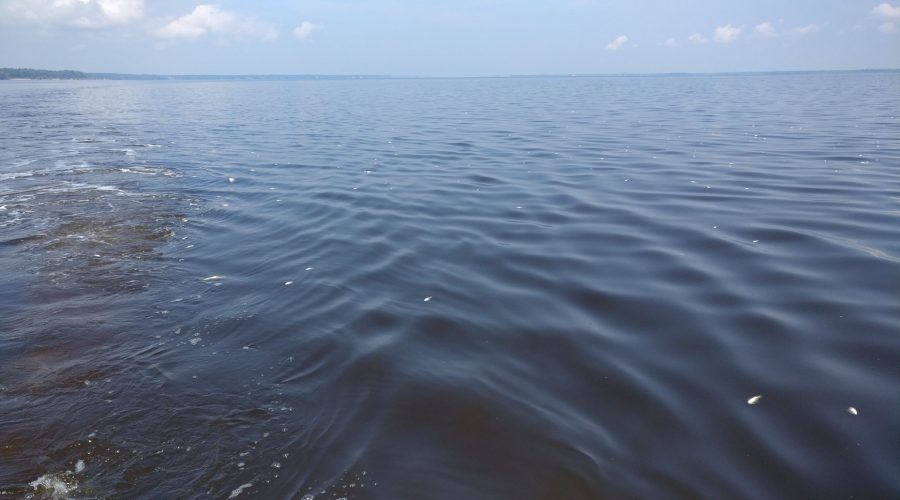
Draft impaired waters list may not reflect nutrient burden
The draft list of impaired waters in North Carolina released earlier this year is required under the federal Clean Water Act, but improved water quality standards are needed and rivers and sounds not on the list also need urgent attention, biologists and advocates say.
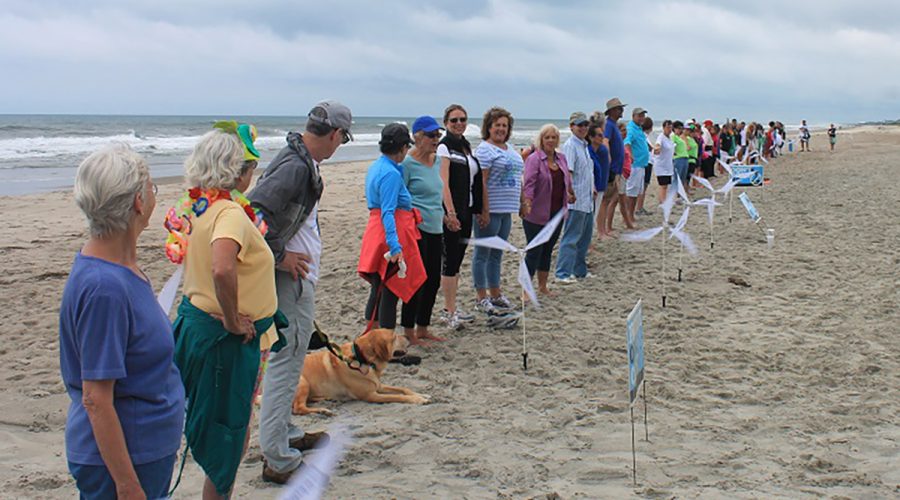
Hand in hand, advocacy groups to regroup for clean energy
Various coastal North Carolina nonprofits are organizing Hands Across the Sand events Saturday as part of the national movement to raise awareness of clean energy alternatives.
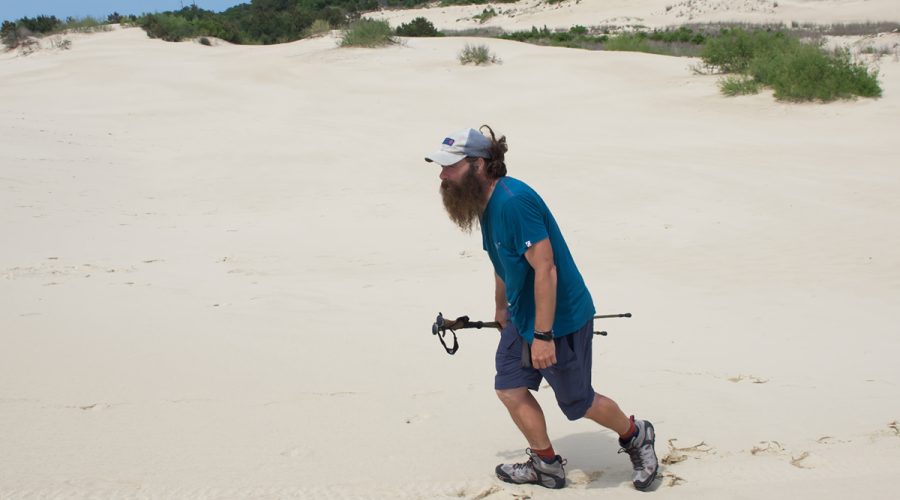
Hiker wraps up 5-month, Mountains-to-Sea Trail trek
A journey on foot from Clingmans Dome to the Outer Banks provided a new outlook on life, and people.

Portsmouth Village welcomes descendants for homecoming
More than 400 recently made their way to Portsmouth Island to remember their ancestors while celebrating community.
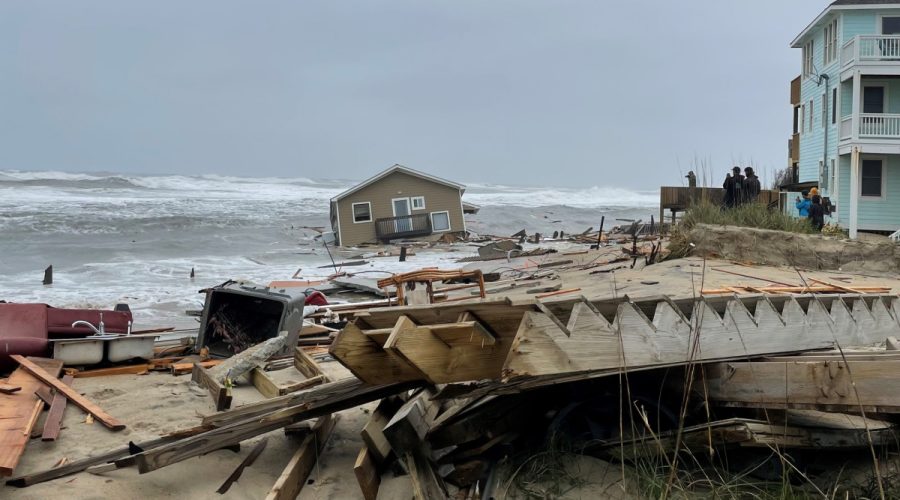
Officials unsurprised as 2 more Rodanthe homes collapse
After a nearby house fell earlier this year, Cape Hatteras National Seashore superintendent had advised owners of the two beach houses that were destroyed by a coastal storm Tuesday to remove the homes or take other proactive measures.
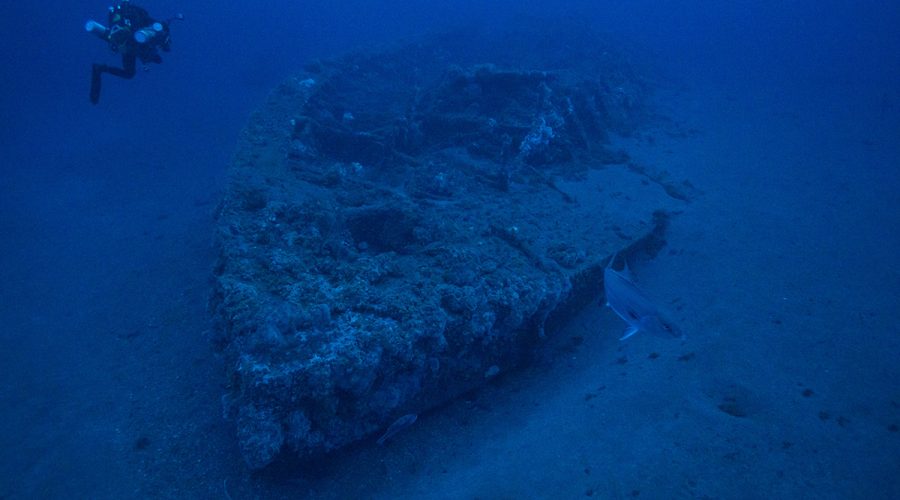
Monitor expedition set as marine sanctuary system turns 50
The NOAA National Marine Sanctuary Systems will be celebrating its 50th anniversary this year, and a livestreamed expedition begins next week at the first national marine sanctuary off Cape Hatteras.
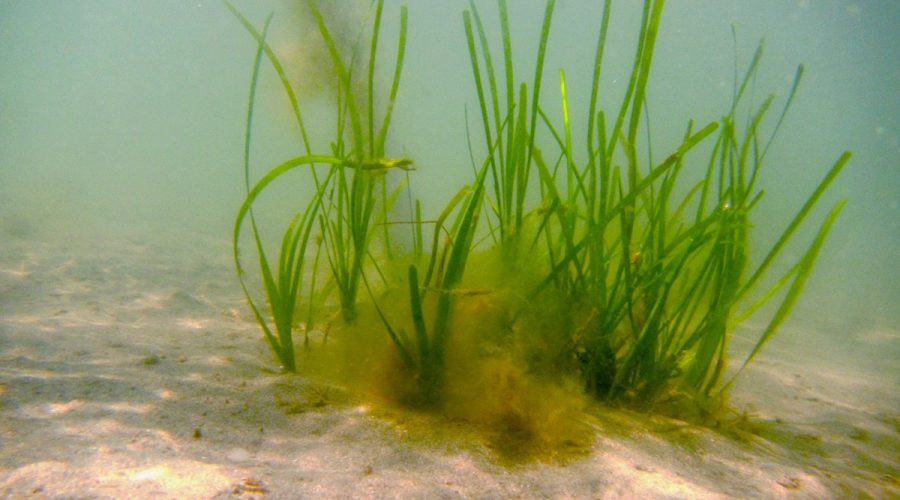
NC water quality thresholds may leave seagrass vulnerable
New research from UNC shows that the state’s current water quality standards for chlorophyll-a and turbidity may not protect submerged aquatic vegetation in high-salinity estuaries considered economically and environmentally vital.
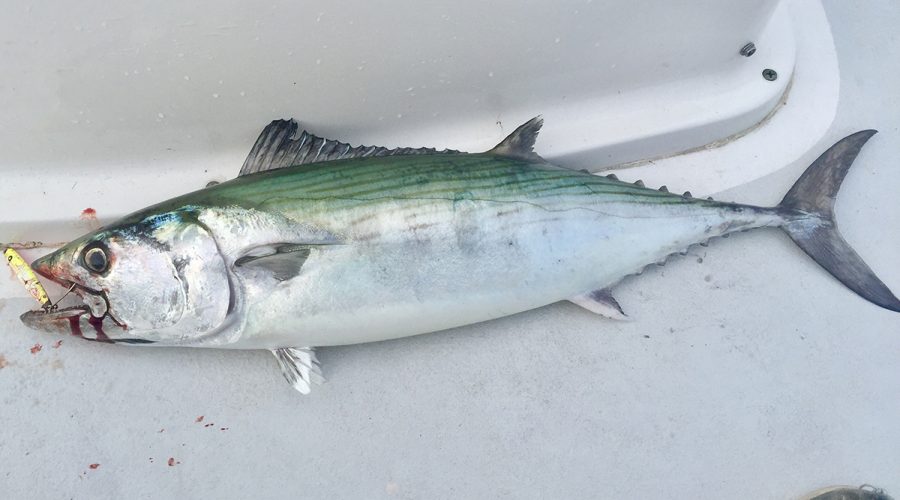
May fishing: Bonito among spring arrivals on NC coast
May brings with it the promise of southwest breezes and pleasant days on the water with the ability to finally get in a small boat and catch a fish close to shore — the true sign of approaching summer.
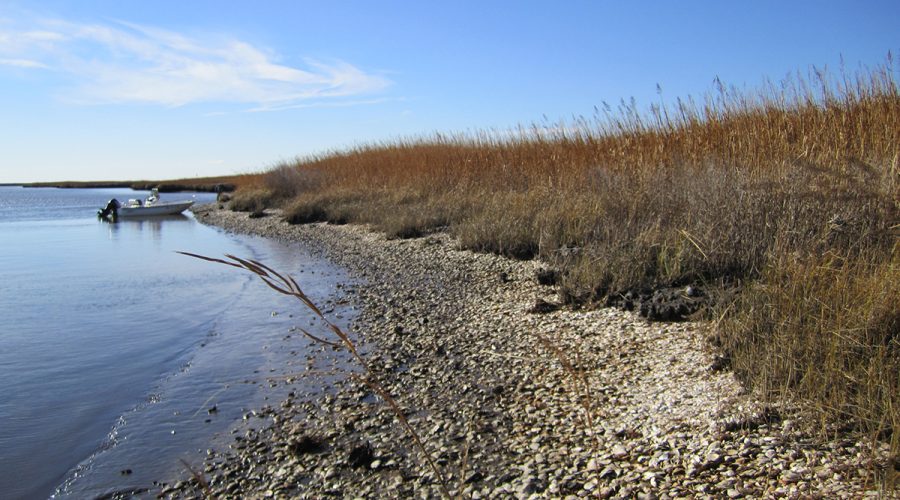
Study finds oyster sustainability among Indigenous peoples
Archaeological examinations of middens published this week show that Native Americans and Australians were successful at sustainably harvesting shellfish over thousands of years.
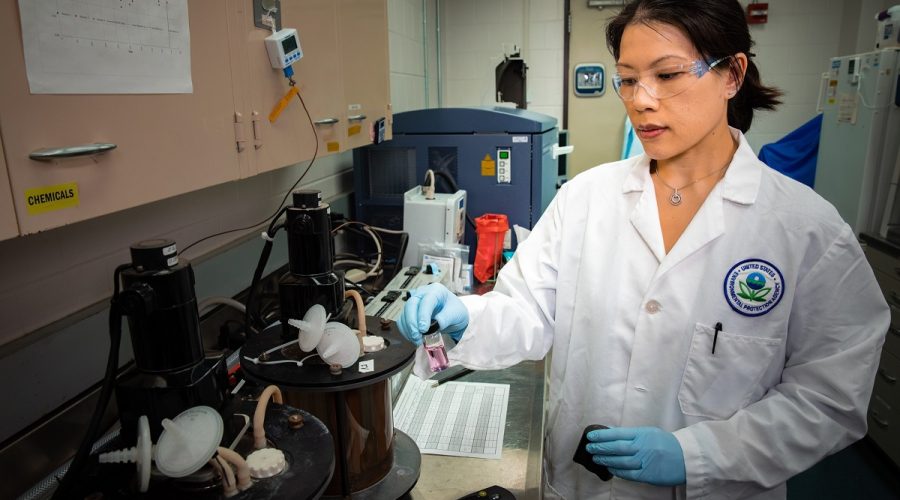
EPA proposes 3 new actions to protect public from PFAS
The Environmental Protection Agency’s proposed new testing method, permitting direction and protections for aquatic life are a step, but not a solution, advocates say.
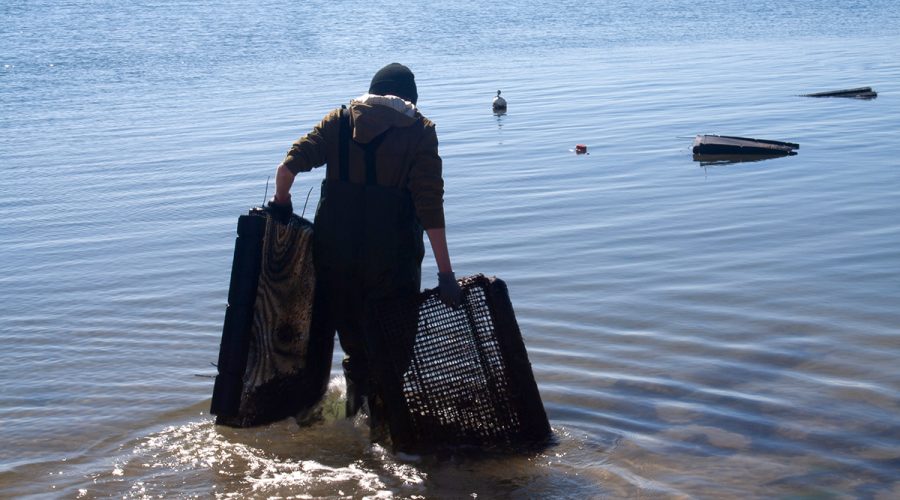
Sustainable aquaculture may hinge on research, education
In an industry that’s constantly evolving and a climate that’s also changing, environmental monitoring, science and training appear to be key to the future of oyster farming and other forms of aquaculture.