By engineering metrics, the Military Cutoff overpass above Market Street in Wilmington is a 30,000-ton mountain of concrete, steel and towering earthen embankments. Stretching across seven consecutive city blocks, the sprawling massif pushed 15 small businesses out of its way. From the minute the plan was revealed, Sonny Nixon knew the highway would flatten the seafood business he had spent a lifetime building.
For 50 years, Nixon’s Oyster Plant had been a landmark for locals and tourists seeking the tastiest experience on the half-shell. Situated at Wilmington’s north entrance, the wholesale and retail seafood business stood as a welcoming beacon, one of those vacation-bound comfort zones that give a person butterflies of anticipation. As soon as Nixon’s came into view, motorists knew the ocean was close, not to mention another memorable conversation with Nixon himself.
Supporter Spotlight

Yet, when the time came for public comment during a 2005 Wilmington City Council meeting, Nixon did not fight the project’s massive footprint. He agreed that the expanding metro area needed modern roads.
“I don’t want to stop progress,” the realistic visionary said. Instead, he championed other people being displaced, urging leaders not to forget the human cost and asking for extra time to find alternatives for those rooted in the neighborhood.
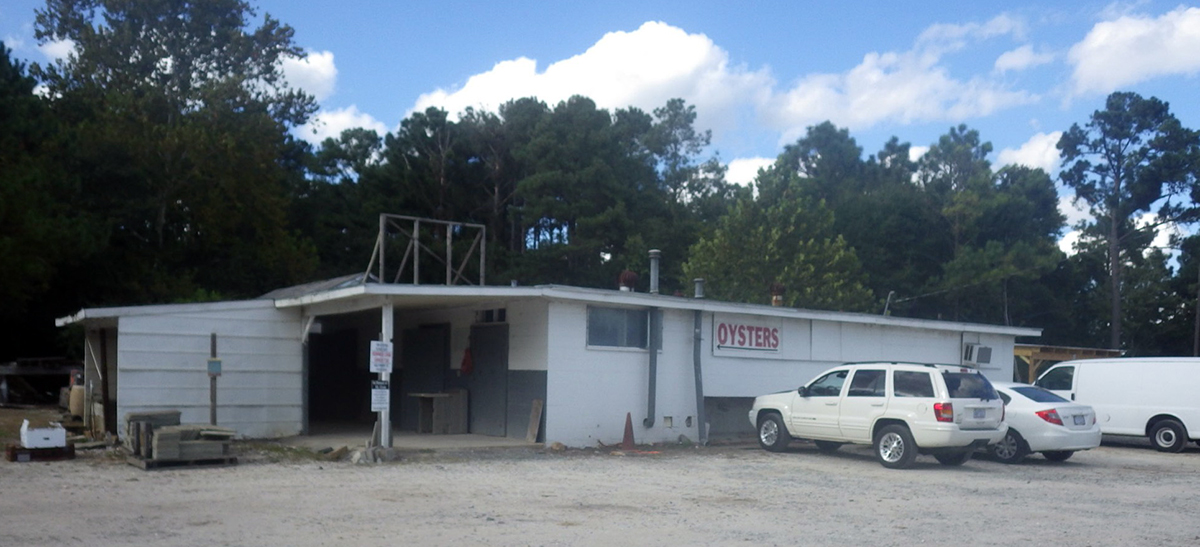
Today, as thousands of vehicles a day traverse the colossal overpass, no trace of the oyster house remains. But the highway’s immensity can never match the outsized weight of Nixon’s legacy.
Shaped by grit and grace
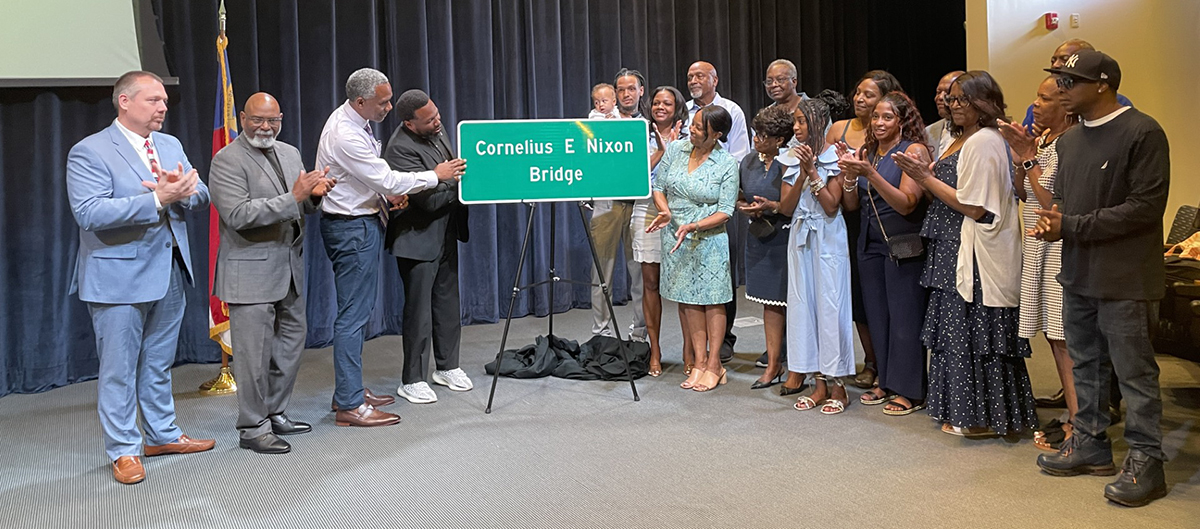
Roadside signs designating the overpass as the Cornelius E. Nixon Bridge greet motorists. Probably, few commuters would recognize the name; locals knew Nixon simply as “The Oyster Man” or by his nickname, “Sonny.”
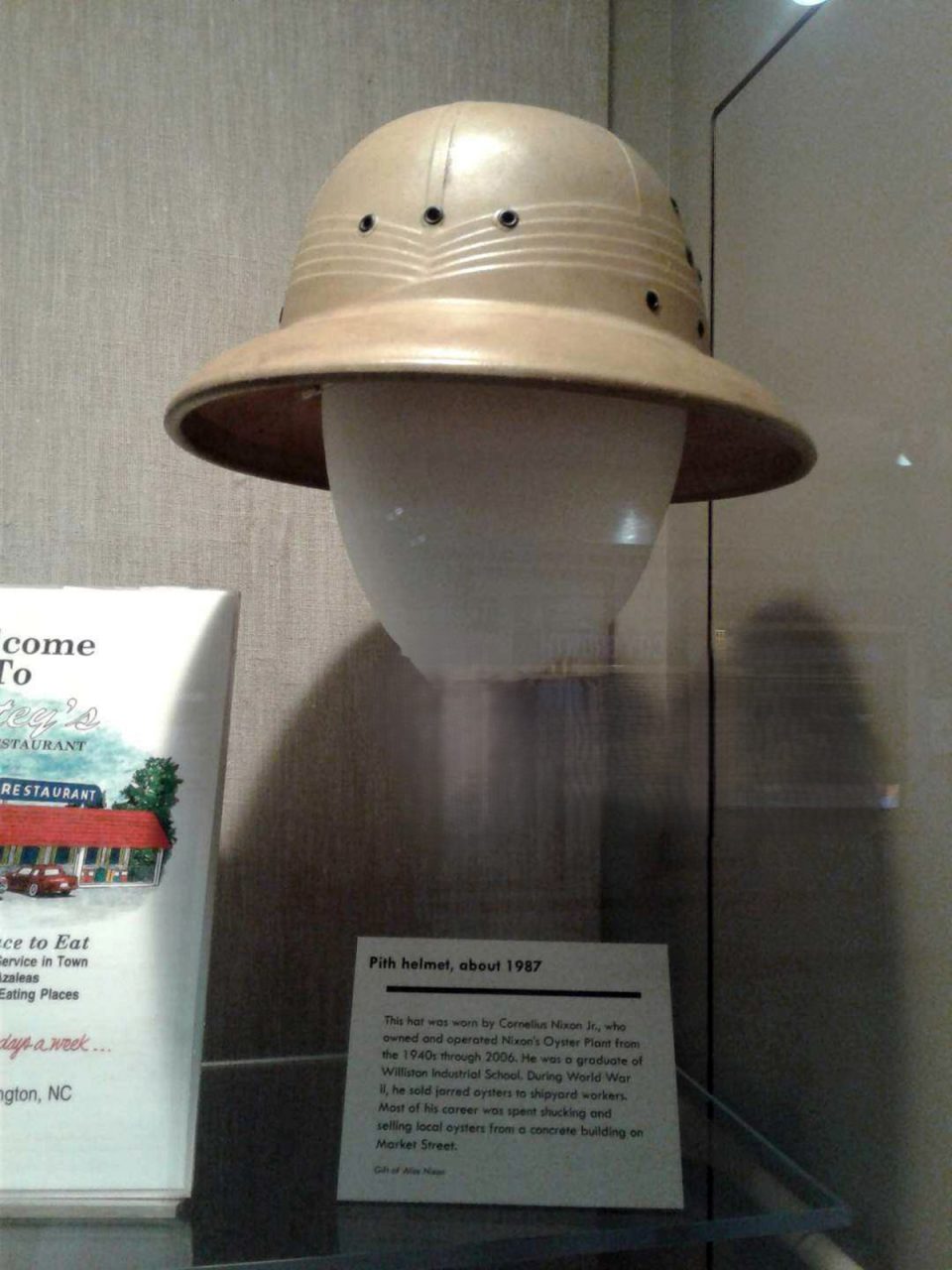
Many stopped by Nixon’s just to talk, scanning the place for the owner’s tan pith hat, a signature he wore for as long as anyone could remember. When the Rev. Jesse Jackson visited the plant during his 1988 presidential campaign, Nixon greeted him in that same weather-worn hat.
Supporter Spotlight

“The other day, I was talking to a couple of neighbors about him,” said commercial fisher Patty Rader, who sold oysters to Nixon. “One said, ‘I never met anybody that didn’t really, really love him … if somebody didn’t really love him, that’s not a person you’d want to know, because he was just so wonderful.’” Rader recalled one longtime customer who carried a creased and faded love note from Nixon, passed to her during their school days, tucked safely inside in her pocketbook. “She kept it all those years.”
Nixon’s unshakable grace and grit moved everyone who knew him. Starting as a self-described “country boy” in the Jim Crow South, he possessed the unyielding fortitude needed to become a successful businessman.
Born in 1921, Nixon grew up in the Middle Sound community long before the area evolved into bustling Ogden. His childhood was shaped early on by absence, resilience and the relentless determination of his elders.
When Nixon was just 4, his parents headed to Philadelphia, seeking better jobs than Black workers could find in the rural South. They left their son with his paternal grandmother, a staunchly religious woman who taught Nixon to show all people respect “regardless of what anyone did to you.”
When his mother returned two years later, the family moved into her mother’s home, and Nixon’s business education began. In a 1993 interview for Duke University’s “Behind the Veil” oral history project, which chronicled African American life in the South from the 1890s to the 1970s, Nixon fondly remembered his maternal grandmother as “a top-grade oysterwoman” who shucked and sold her harvest.
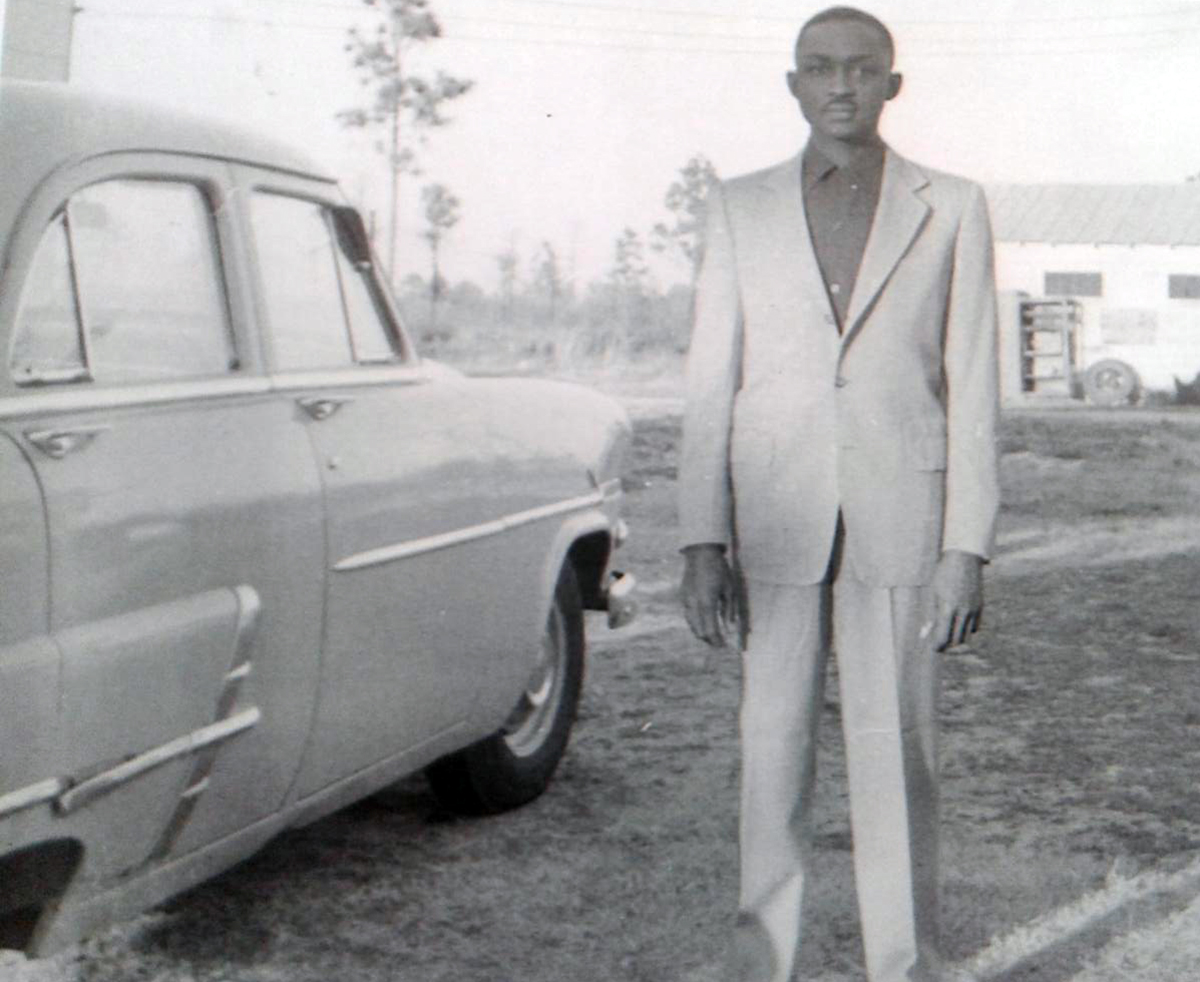
His grandfather peddled produce, processed hogs and sold liver pudding, while an uncle was a skilled farmer who both Black and white neighbors sought out for guidance.
Inspired by their enterprise, Nixon started one of his first businesses as a kid picking wild huckleberries and selling them door to door in Wrightsville Beach for 25 cents a quart. At a time when local laborers earned about 50 cents a day, a few large buckets yielded a small fortune. “In a couple of days, you had made more than they made a week,” Nixon recalled.
Despite his early gift for salesmanship, Nixon considered himself a loner. He helped on his relatives’ farms, tended his own crops to sell and gathered wood to heat the family home. Asked about playtime, Nixon was blunt: “The most of my childhood was spent working.”
No matter her son’s earning power, Nixon’s mother insisted he never miss a day at the segregated Middle Sound school near their home. Attending college became Nixon’s obsession. At Williston Industrial, the first accredited high school for Black students in North Carolina, he earned a small scholarship to Alabama’s Talladega College, a prestigious Black liberal arts school.
Nixon turned it down.
He preferred Hampton Institute, which offered a work-study vocational track to Black students who could not afford standard tuition. The $75 entry fee proved to be an impossible mountain to climb.
“I couldn’t get it,” he said. “Out of all my working, I couldn’t get it.”
From moonlighting to an empire
The tenacious Nixon pressed ahead. After his 1939 high school graduation, he tapped the National Youth Administration. The New Deal agency provided part-time jobs for high school graduates during the Great Depression.
Nixon used his first paycheck to buy groceries for his mother and grandmothers.
A year later, full-time construction jobs flooded the region thanks to emergency development of Camp Davis, a World War II anti-aircraft artillery training center that was in Holly Ridge. While opportunities for Black workers were limited by systemic racial discrimination, the 30 to 50 cents they earned hourly far exceeded the 12.5-cent rate for agriculture labor.
Camp Davis construction wound down in 1941 just as the North Carolina Shipbuilding Company broke ground in Wilmington. Nixon called the shipyard his first “real job to start making money,” and he maximized every opportunity.
Of small stature, Nixon was surprised to be selected from a crowd of much larger men to be a shipyard laborer. His work ethic paid off; he was soon promoted to manager of a departmental tool room and later offered a supervisory role. Ever the entrepreneur, Nixon leveraged his position to run a side gig, selling sodas and later oysters to supervisors and laborers.
“The selling that they allowed me to do in the shipyard earned me more money than my wages did.”
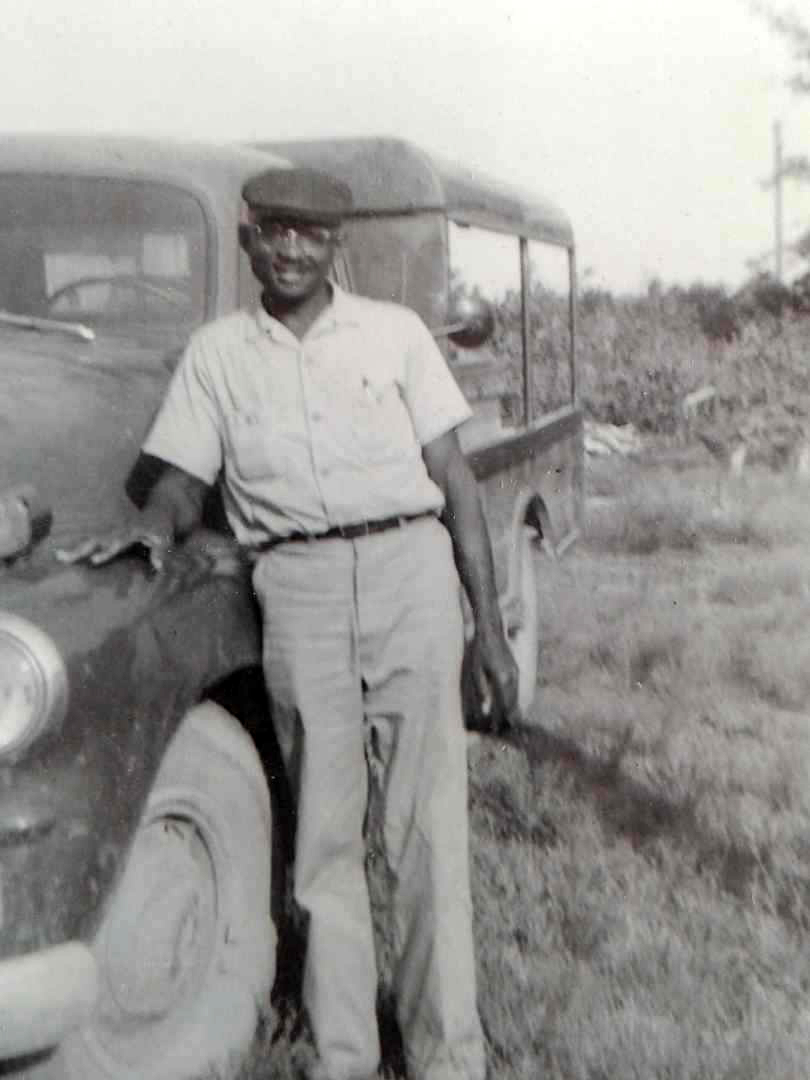
With Wilmington’s population booming due to wartime defense industries, Nixon started buying shucked oysters from local fishers and selling them door to door from a truck, much like his childhood huckleberry routes. Before turning 21, he purchased his first piece of land. By his mid-20s, Nixon was running three brand-new trucks to vend produce and seafood throughout the area.
In his 30s, state authorities deemed Nixon’s system of buying oysters, shucking and packing them in jars, and then selling them from trucks as unsanitary “oyster bootlegging.” Nixon vindicated his trade by inaugurating New Hanover County’s first certified oyster-shucking facility, a converted crab house on Greenville Sound. He ran a fleet of trucks and won contracts to supply area military bases and A&P supermarkets with fresh seafood.
In the mid-1950s, Nixon’s dream of a brick-and-mortar business on his own land finally came true. He constructed Nixon’s Oyster Plant at 6955 Market St. on the property where he grew up, near his childhood school and beloved Mount Ararat AME Church, and where he and his wife, Ruth, would raise their own family. He eventually acquired dozens of acres, including all the way to Ruth Avenue, named in honor of his wife and where the couple built their new home. Today, the road hosts a luxury apartment complex aptly named The Nixon.
Over the decades, the plant processed so many oysters it helped launch North Carolina’s oyster shell recycling program and became its third-largest contributor, returning empty shells to coastal waters to establish vital shellfish habitats.
Standing ground against the odds
Nixon spoke openly with “Behind the Veil” researchers about the ambition that propelled him. “It stemmed from the starting of not having, and I always thought my family was supposed to have.” Entrepreneurship, he added, was “just something that I figured was part of my heritage … it was always that urge to be doing something yourself.”
He also reflected how he managed individuals who could not comprehend that a Black man was capable of — or allowed to achieve — such a prominent level of success. He remembered a white woman on his first seafood route asking, “You’re not from around here, are you?”
“I was wondering,” Nixon said, “was I supposed to act different?”
Barriers persisted as his operation grew. While searching for commercial properties during the early years of his oyster-shucking business, Nixon was offered a seafood house in Wrightsville Beach. “But I was told that I couldn’t buy it in my name,” he recalled. “They had a covenant … the property, at that time, couldn’t be sold to Blacks. And this gentleman offered to buy it for me, but I turned that down.”
On another occasion, an inspector impressed by Nixon’s knack for the trade suggested he expand into full-scale oyster farming, but he advised Nixon to be a silent partner, with a white man fronting the business. Nixon declined.
No matter the racism he experienced, Nixon abided by his paternal grandmother’s foundational rule to show people equal respect. Regardless of race or economic status, he called every man “mister” and every woman “missus.” When a white Camp Davis timekeeper wrongly accused a young Nixon of being late and lunged at him, Nixon held his ground with the unflappably dignity his grandmother demanded.
“I never looked at whites as being kings,” Nixon said flatly. “I looked at them as people.”
Lifting an entire community
As development surged around Nixon’s hometown, he didn’t just grow with the changing landscape, he strived to lift everyone around him. He counseled young dreamers hungry to launch new businesses as readily as he advised his own relatives to hold out for the best price on their family land.
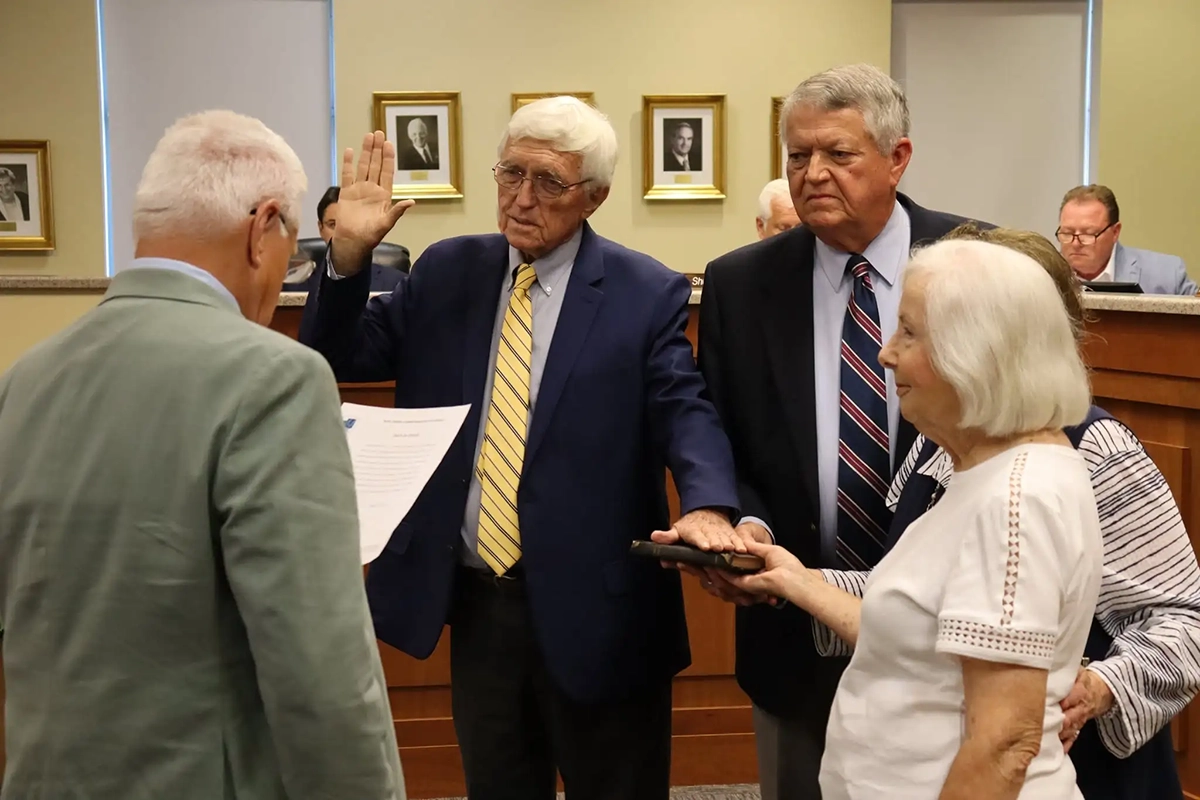
Decades later, that guidance echoed loudly at a dedication ceremony for the Cornelius E. Nixon Bridge signs. A group of men who reunited at the event recalled the indelible example Nixon set during their teenage years. Back in the mid-1980s, they worked as fish cutters for Hanover Packing, which leased space at Nixon’s Market Street plant.
Observing his legendary work ethnic transformed the crew, who evolved from what their former boss described as a bunch of kids, fishermen and hippies into an impressive roster of engineers, marine biologists, environmental consultants, construction managers and real estate brokers.
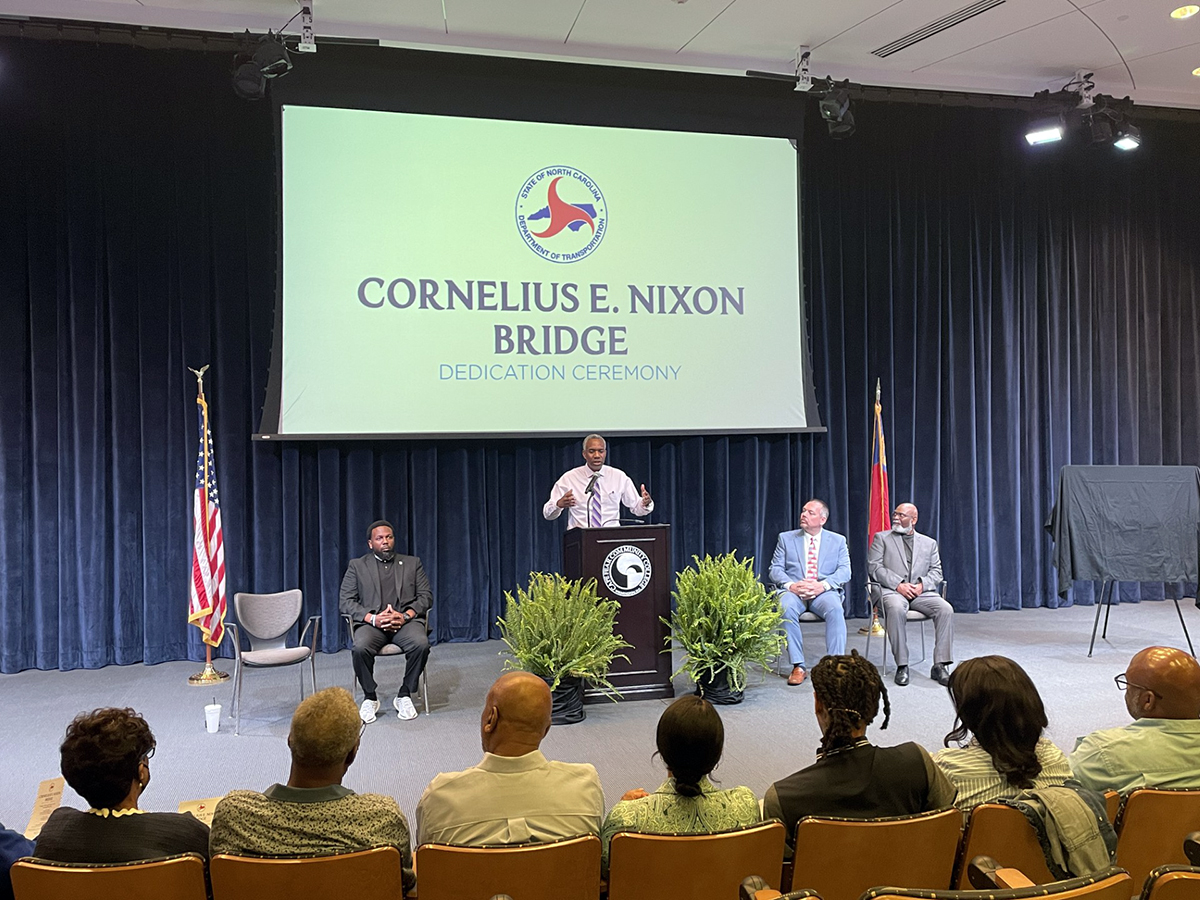
“He would just be out there every day. He was just unbelievable,” said fish-cutter-turned-geologist John Lair. “And when he said that we were hardworking, that was like the biggest compliment.”
Nixon had taken a substantial risk on the fledgling packing company. “Somehow, this seasoned seafood man agreed to lease the majority of his oyster plant to a 24-year-old kid with little to no real business experience,” Hanover founder Peter Mairs said. As the company flourished, Nixon kept the young team grounded, always encouraging a tight and tidy operation.
“Eventually, that growth, and those lessons, led us toward building North Carolina’s first HACCP (Hazard Analysis Critical Control Point) seafood processing facility,” Mairs said. “But before all that, there was Sonny Nixon. A mentor. An inspiration. And eventually a friend. I was honored to know him.”
Also in the audience at the dedication ceremony were graduates of Cape Fear Community College’s Nixon Leaders Center. Initiated by the Nixon family to continue their patriarch’s legacy, the center pairs students with mentors, tutors and career guidance needed to become community leaders.
Nixon’s devotion to his community was anchored heavily in family and the historic Mount Ararat AME Church. “His routine was church, the sick, and then call all his children, the girls and the boys, and hear what was going on,” his daughter Carolyn Nixon Kaham said. “And if I and my husband came to that point where we had a question about a business, he’d say, ‘Well, you know, let’s call your dad before we move in this direction.’”
An avid reader of business publications, including the Wall Street Journal, Nixon “was just prone to investing to make income for his family,” said his daughter Alice Nixon, who petitioned the state to name the overpass after her father.
Nixon worked at the oyster house almost up to his passing at age 90 in 2011. Even knowing the state’s impending highway plans would clear his land, he toyed with the idea of opening a smaller oyster market elsewhere.
“It was so hard when everything was torn down. You know, not only his business, but you know, that was our home. That’s where all of us grew up. It was heart sinking riding by there and seeing all of that gone,” Alice Nixon reflected. “Oysters were his life, his love.”
“It’s all the history of him.”
But even 30,000 tons of concrete, steel and earth cannot erase the enduring weight of Nixon’s example. It lives on in the green signs marking the overpass, and in the quiet halls of Cape Fear Museum of History and Science, where Nixon’s old pith hat rests inside a glass display case. Mostly his legacy perseveres through the impact it continues to have on the people of Wilmington.
“What a GIANT of a man … Not in stature, but in honor, values and hard work,” Tim Barefoot said in condolences to the Nixon family after Sonny Nixon’s passing. The expert offshore fisherman and widely known tackle innovator from Wilmington for a time sold seafood to Nixon. So did his son.
“If there were more Mr. Nixons in the world, this would be a better place for everyone.”