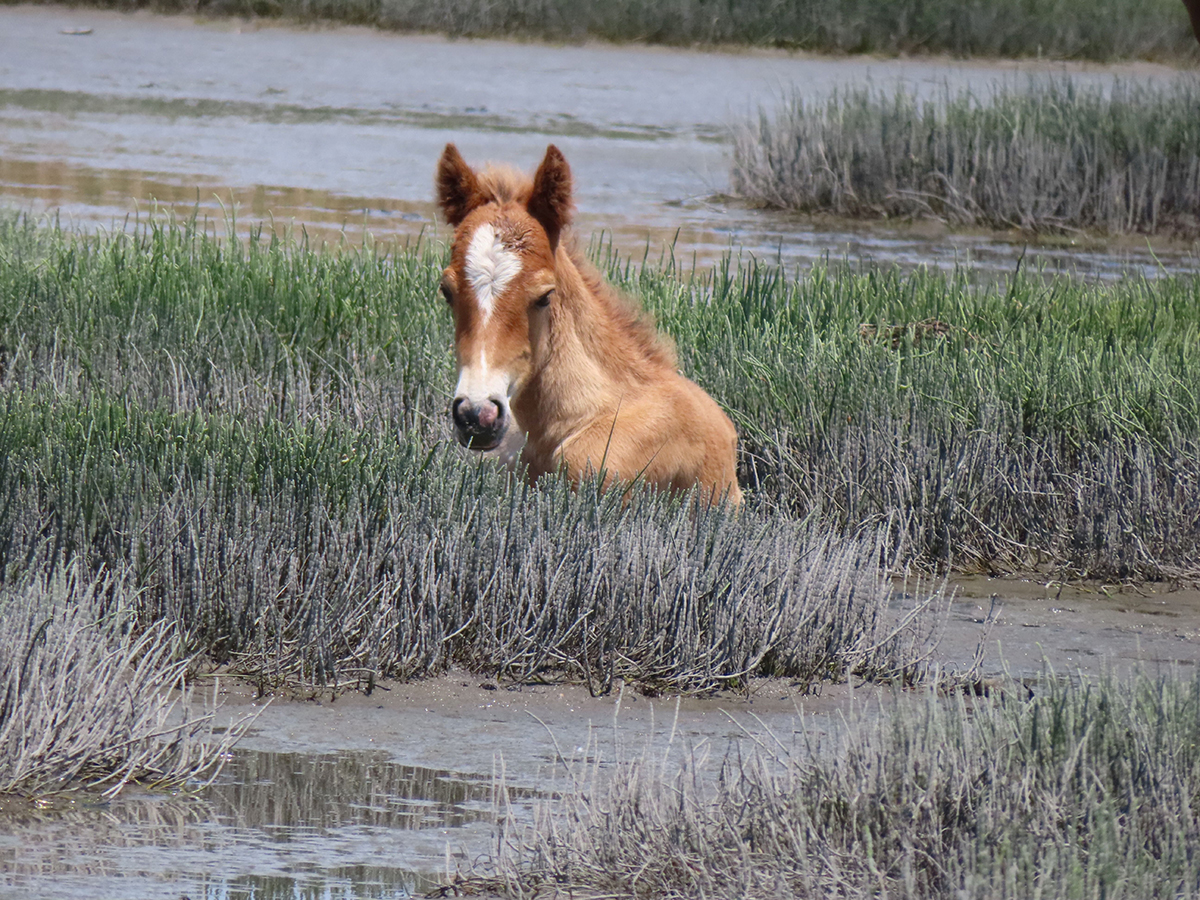
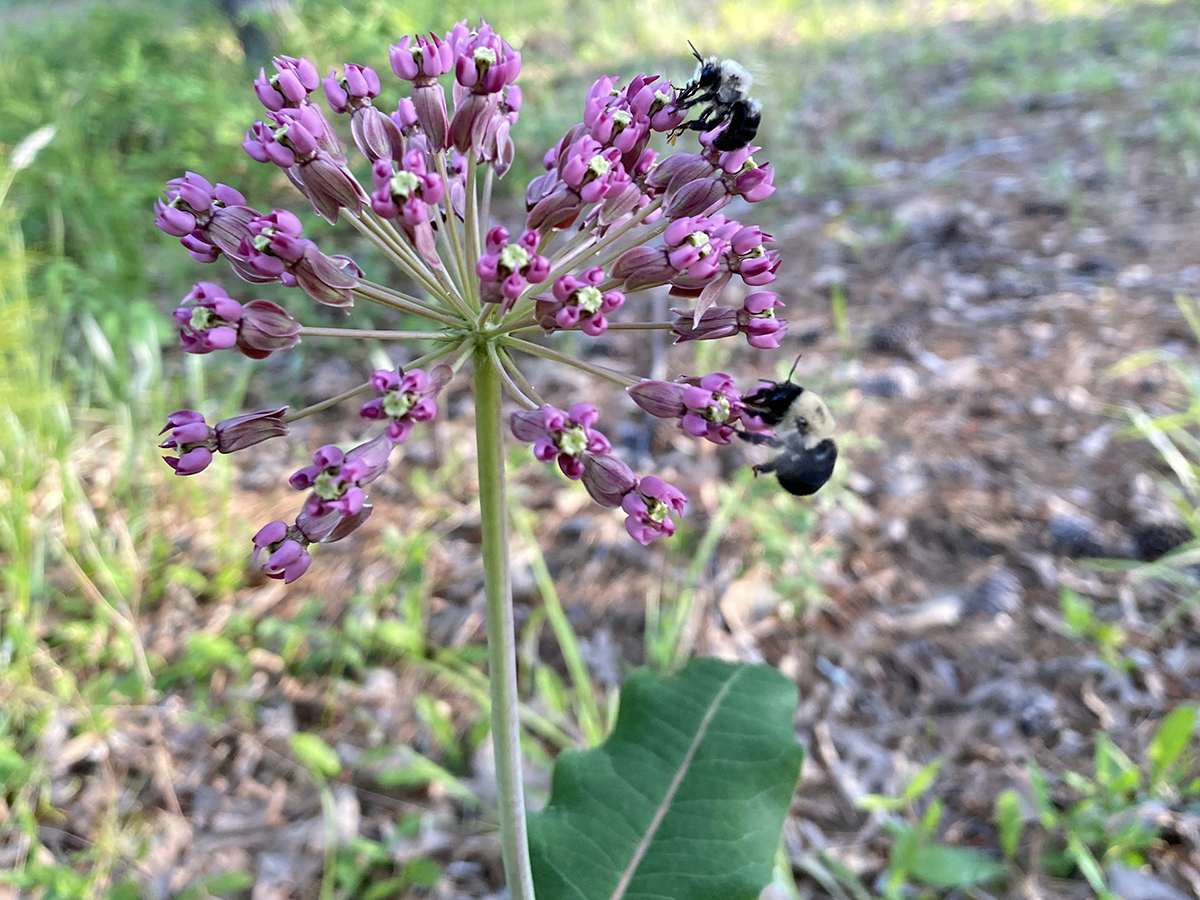
Most of us have heard of “No Mow May” or even “Slow Mow Summer.” You might be wondering why it’s such an important thing to let early blooming weeds and wildflowers hold sway.
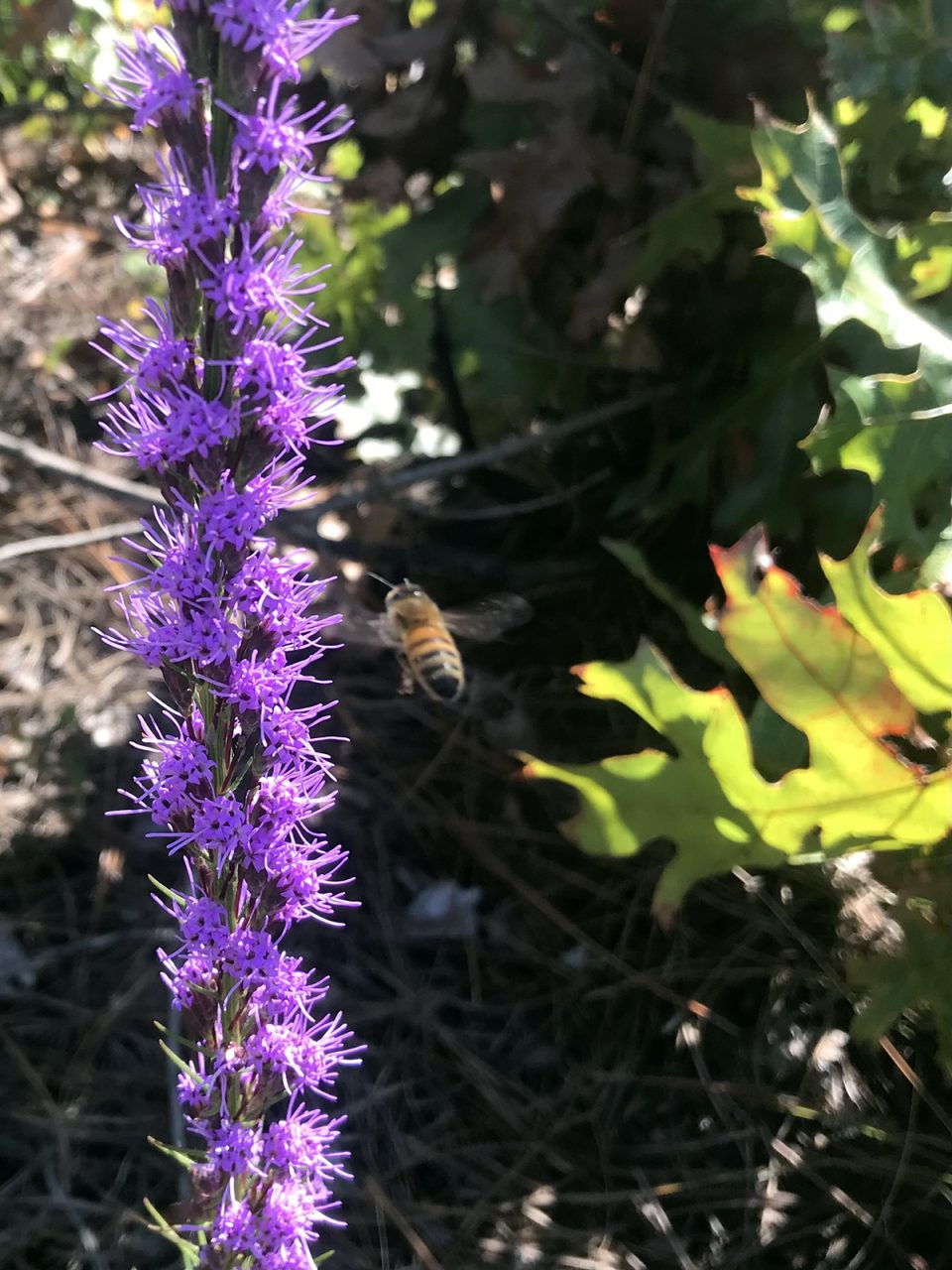
Plants like dandelions and clover and all the other millions of tiny, barely noticeable flowering plants are an important food source for early pollinators. Later-blooming plants are just as vital and for the same reason. The blooms might not last long, but the seeds that follow are just as important, feeding countless birds and ensuring the next generation of plants.
Supporter Spotlight
Your neighbors or HOA might not be too be happy with your weedy looking yard, “but it’s for the chil’uns”— I mean the pollinators. Some states are actually paying homeowners to let their yards go natural or to plant native cover crops that will benefit pollinators more than artificial turf-looking lawns do.
While North Carolina doesn’t go quite that far just yet, some municipalities offer things such as tax incentives, fee waivers, and official protections for residents who embrace native plantings of wildlife-friendly landscaping. In addition to providing food sources, natives often need less spraying, watering, and fertilizer than non-natives.
When our great country was less populated — or perhaps less paved — than it is now, migrating birds and animals could pick and choose what and where they wanted to eat. Their constant movement kept land from being overgrazed or depleted. For other migrating critters, such as pollinators, all they had to contend with were weird weather patterns such as widespread droughts and floods, violent winds, or wildfires and predators.
The wide-open spaces were rife with abundant food sources, rich with all kinds of grasses and flowering plants.
Given the innumerable arrowheads and mounds and what have you that people have discovered and all the new discoveries being made on a nearly daily basis, there have been huge populations of humans on the North America continent for a long time. Far longer than some scientists and experts would have us believe. It’s inarguable, however, that few civilizations before us have negatively impacted the natural world as much as the present.
Supporter Spotlight

Where prior peoples used materials that already existed in nature and were gradually recycled to the Earth at some point, we tend to use more permanent methods. Dirt paths carved by buffalo or elk that became dirt roads have now become paved roads. Homes once made of hide or wooden poles have become far larger and much more permanent structures. Baskets woven of willow or oak have been replaced by plastic bags and containers.
Am I decrying modern amenities? Not on your life.
Do I mourn the loss of wild places and habitat? You betcha.
So what can we do to help?
Besides letting our yards do what yards or unused spaces, such as roadsides, are supposed to do, how about this?
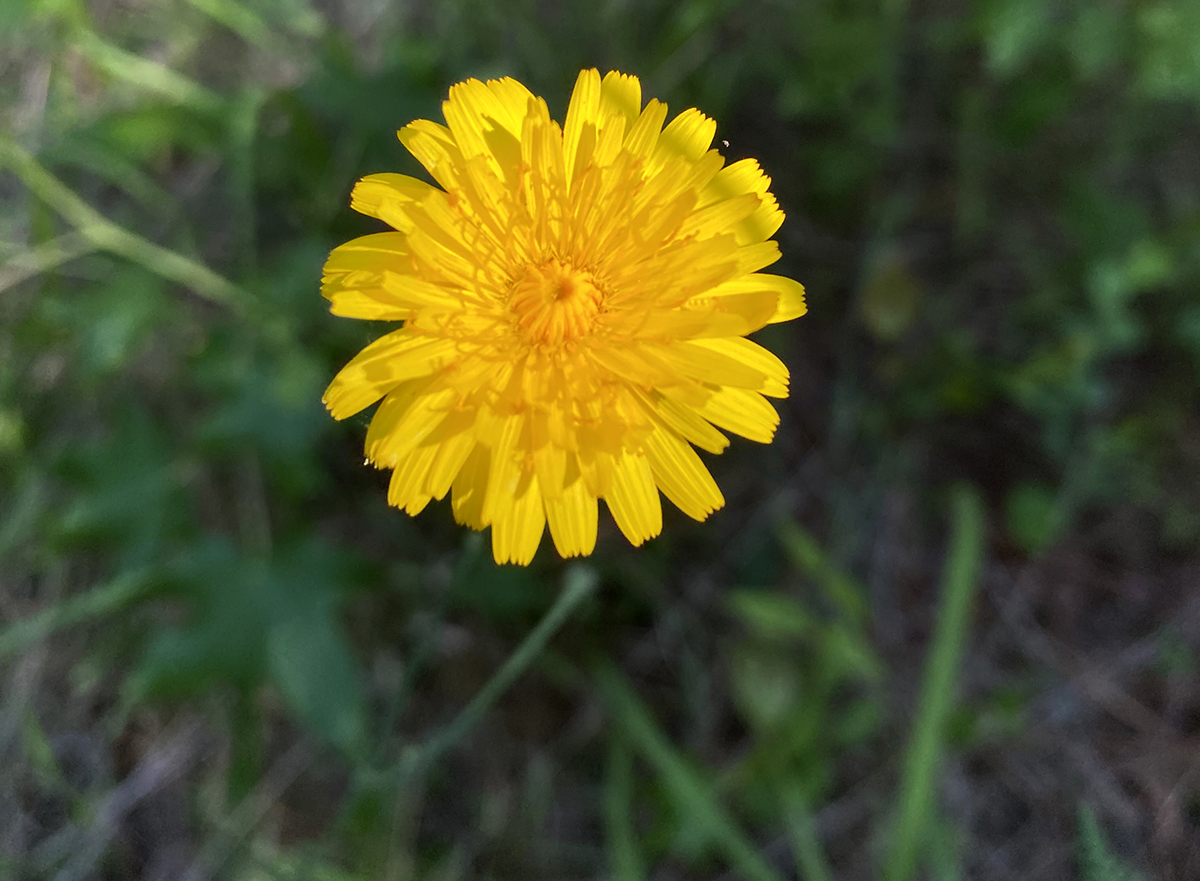
The Butterfly Highway, managed by the North Carolina Wildlife Federation, is a statewide network. Designed to restore native habitats, it establishes pesticide-free travel corridors in addition to providing essential pit stops for butterflies, bees, and other pollinators.
Along with roadside projects like the acclaimed North Carolina Department of Transportation Wildflower Program, which utilizes native seed mixes and specific mowing times, there is also the North Carolina Department of Adult Correction’s “Pollinator Garden.” Corrections staff and workers convert unused state facility land into certified pit stops.
Why does the state mow roadsides anyway? Maybe when cars broke down more often it was a necessity. Nobody wants to change a flat in waist high grass and weeds and have to worry about unseen fire ant mounds or copperheads. With cars nowadays being more reliable, roadside mowing is largely for driver safety and better visibility.
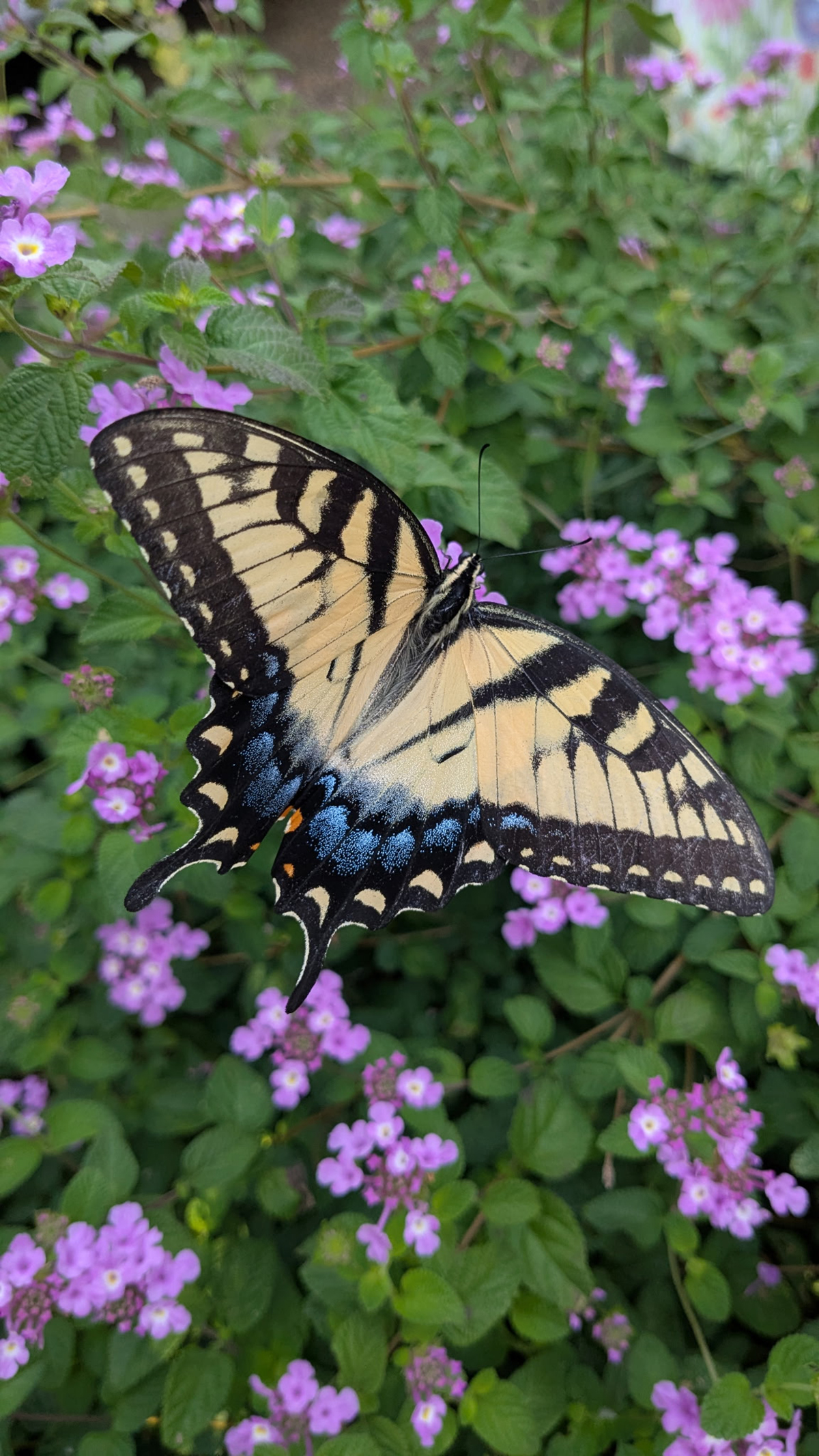
Even small spaces such as a balcony with potted plants can be registered as a Pollinator Pit Stop. These areas commit to growing native plants and not using harsh pesticides. Joining the Butterfly Highway is free. To register or to learn more about creating a pit stop, check out the North Carolina Wildlife Federation website.
There’s also a census for tracking how projects like the Butterfly Highway impact pollinator populations, and you can participate in the annual count. Directions are outlined at the Extension Gardener website. For information on sourcing native seeds and designing your own pit stop, check out the Butterfly Highway Habitat Guide.
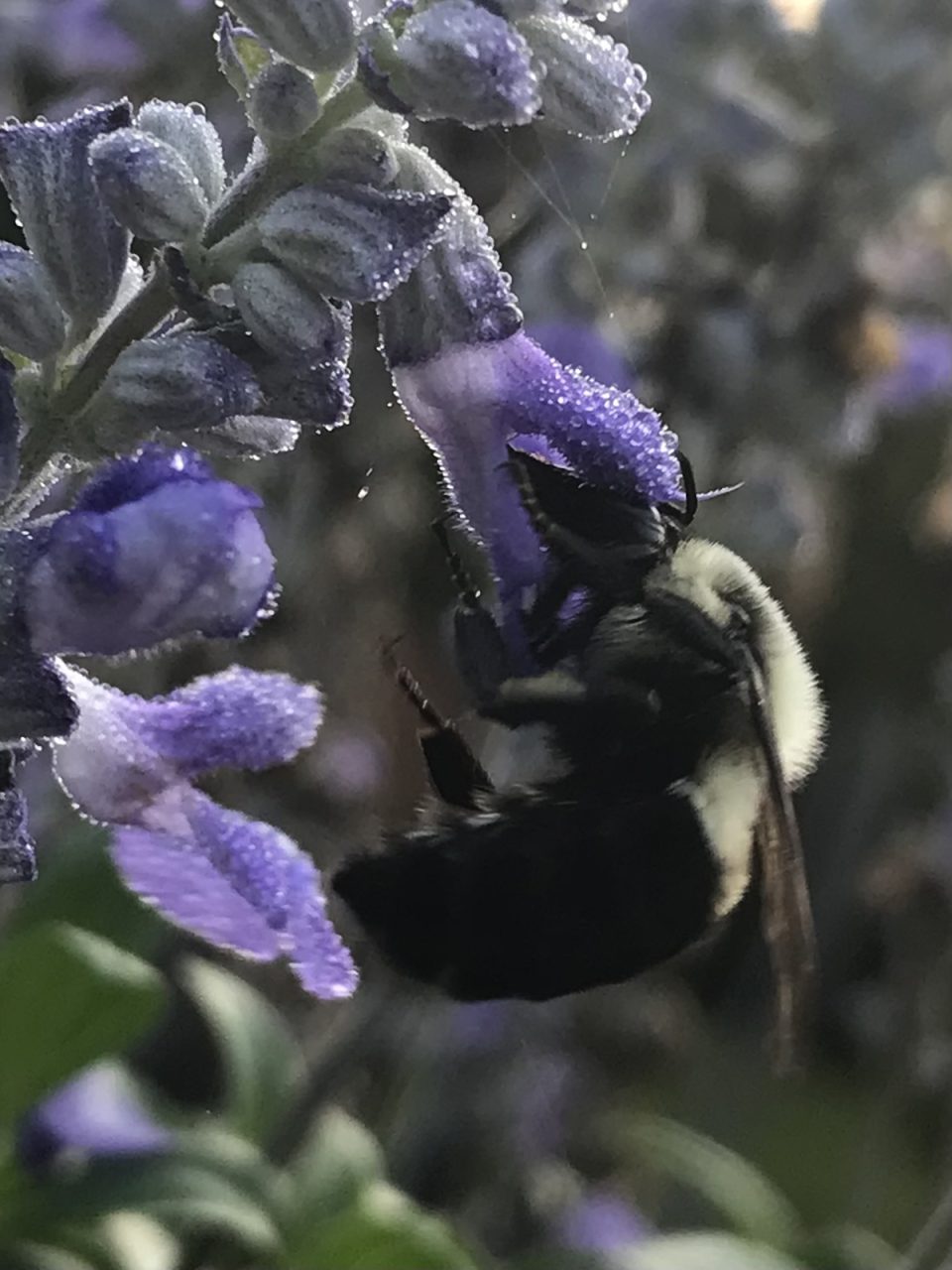
Don’t be intimidated into thinking you have to only plant natives to be a part of the pit stop corridor. Feel free to plant zinnias or salvia or any of the other millions of blooming things butterflies and bees love. There’s a huge push right now trying to make people believe that it’s wrong to plant anything except natives. Not true! Maybe slack off on the harmful and invasive plants, but beautiful plants are meant to be enjoyed, and people innately love to plant, whether it’s the latest craze or old and beloved favorites.
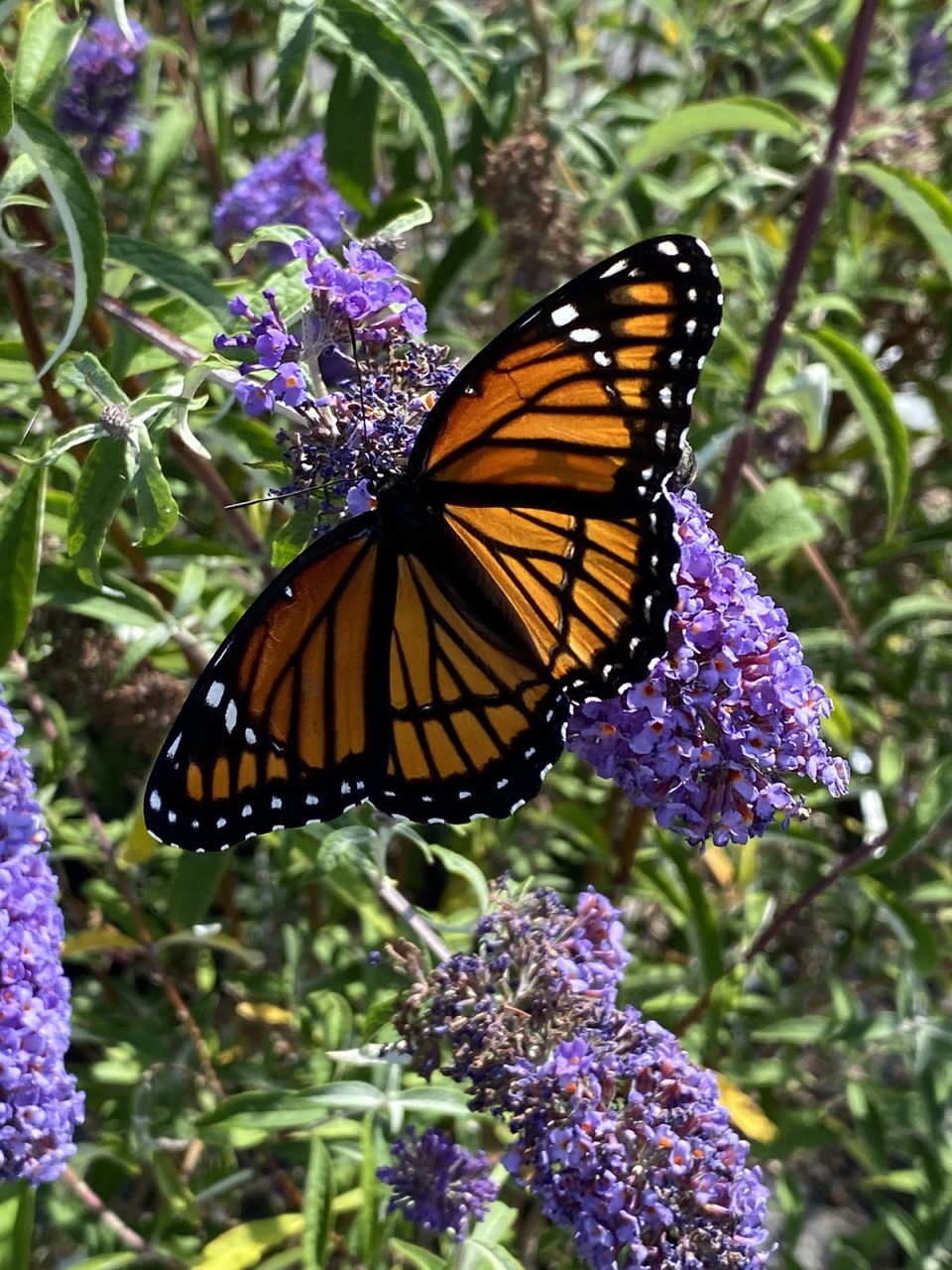
More important than what you plant is probably what you spray. It’s hard to have a garden around here without spraying some type of chemical. Moths love to lay eggs, which hatch into caterpillars. Wasps use the caterpillars to feed their young, and so do birds. Handpicking the insects off your veggies and flowers is best, but as anyone who’s ever done that can attest, it’s a pain in the buttocks. And your back. And your calves. And …
The world is in a constant state of flux, never mind that during our limited lifespans, for the most part, the Earth seems to be a fairly stable place. Seasons shift on their own time, glaciers advance and retreat, coastlines expand out or retreat inland depending on which way the glaciers are moving. Hills rise up and become mountains, mountains erode and become hills, civilizations rise and fall.
As long as there are only just a few flowers and pollinators remaining, the Earth will recover and be repopulated. We need to make sure we do all we can to facilitate their ensured survival.