
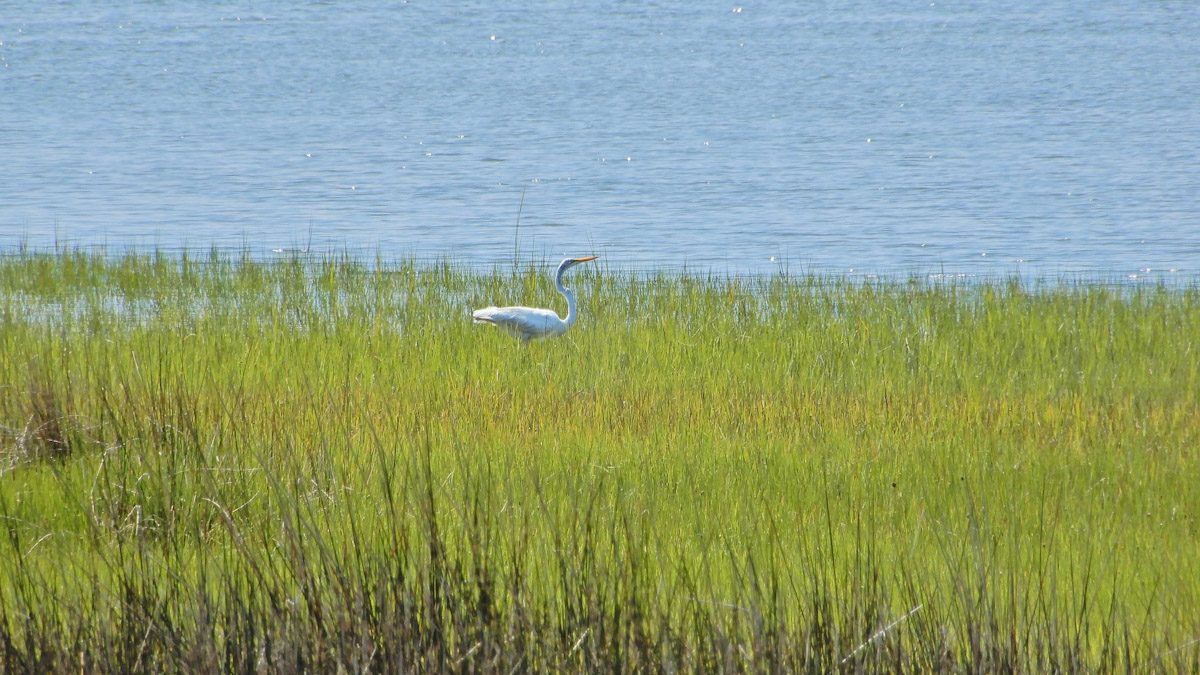
To protect North Carolina’s “hidden gems” vital as habitat, for flood control, and nutrient reduction, officials worked with stakeholders to update the Wetlands Program Plan now in its third revision.
resilience
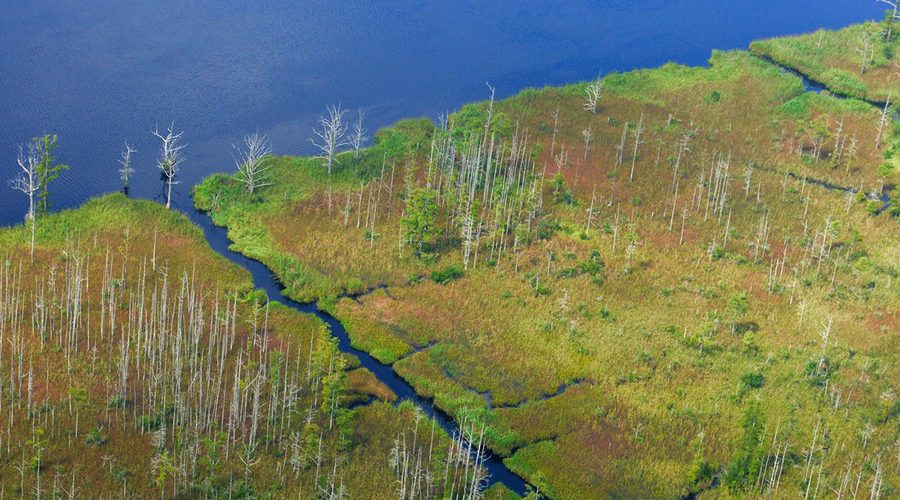
Online public meeting set for two draft flood resiliency plans
The public will get a chance Oct. 6 to learn about and weigh in on the state’s draft plans to improve flood resilience in the Cape Fear River and White Oak River basins, part of a statewide program mandated by the legislature.
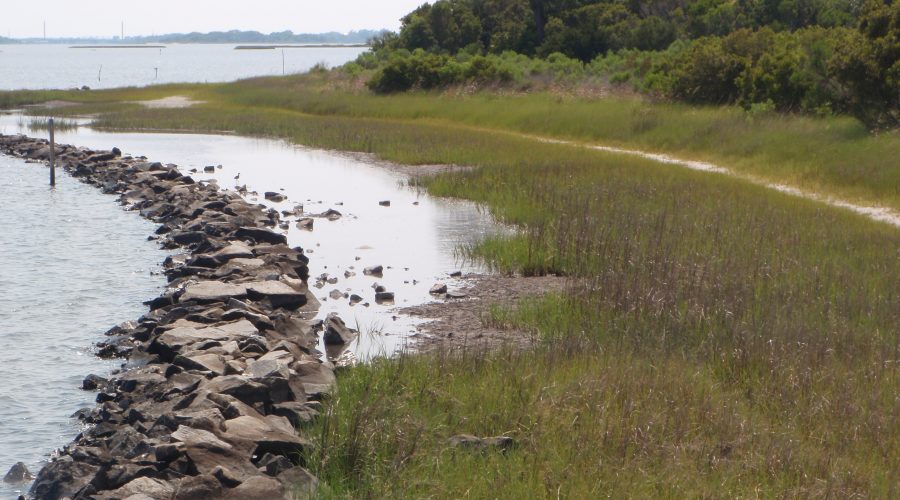
State now accepting grant applications for resilience projects
Local governments and federally and state recognized tribes ready to move to phases 3 and 4 of the Resilient Coastal Communities Program are invited to join a webinar on Oct. 13 to learn more about how to apply for grant funding.
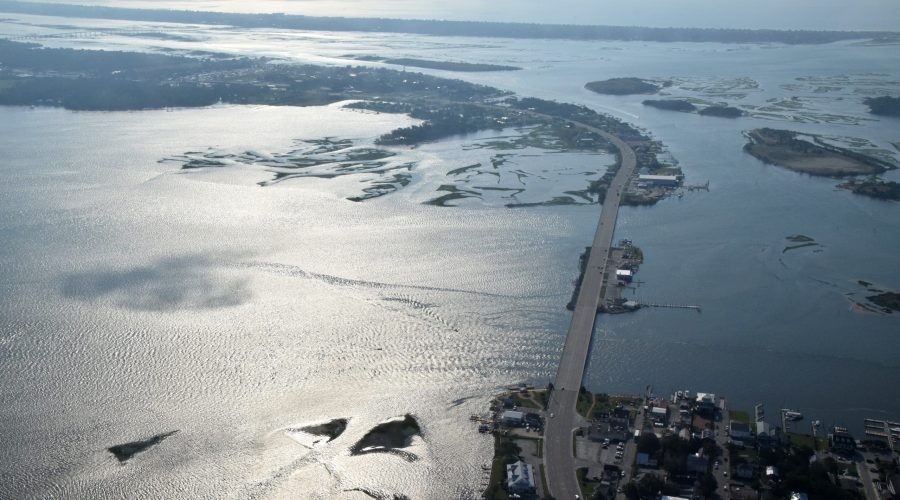
Resilient coastal communities workshop set for Sept. 24
A Sept. 24 workshop on the North Carolina Resilient Coastal Communities Program will be hosted in New Bern.
Lumber River Basin Blueprint IDs flood resilience actions
Actions identified and prioritized in the strategy including everything from elevating or floodproofing buildings, protecting critical infrastructure and expanding nature-based solutions.
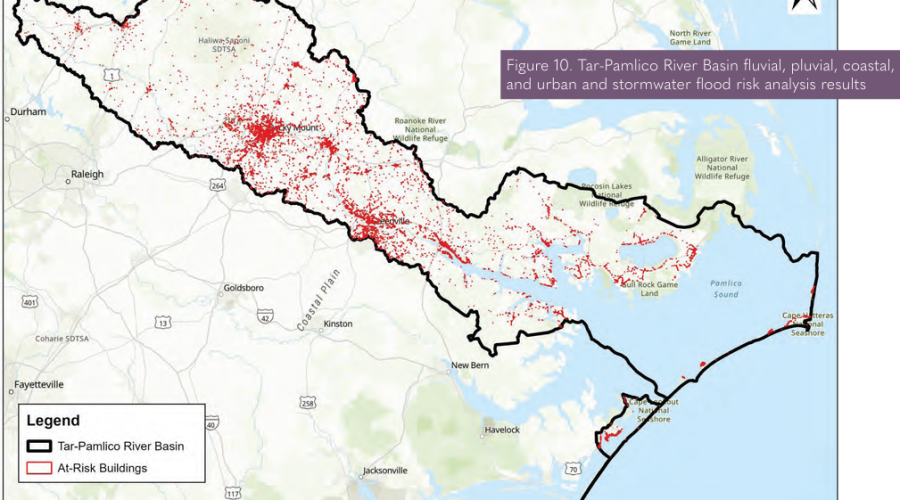
Tar-Pamlico strategy prioritizes steps to reduce flood risks
The Tar-Pamlico River Basin Action Strategy released Thursday identifies 33 prioritized actions to help communities reduce flood risk and strengthen resilience within the river basin.
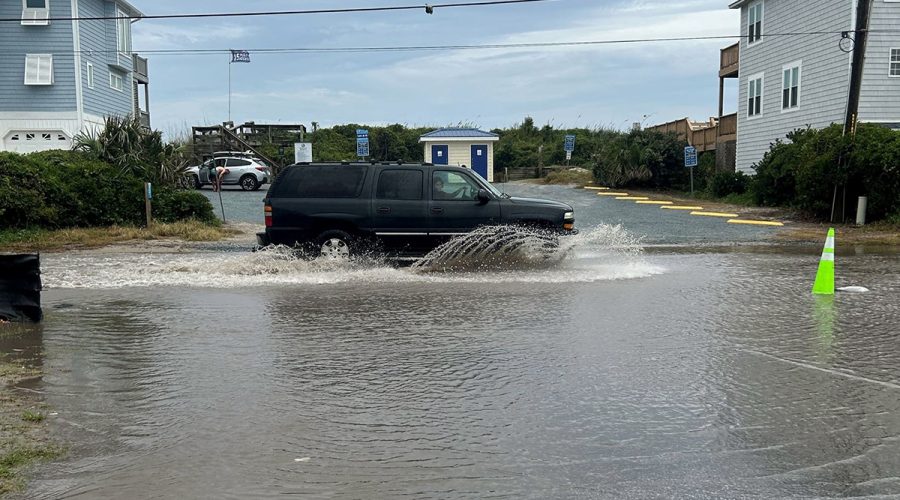
‘Astonishing’: Topsail Island stormwater projects yield results
Officials in the three Topsail Island towns see improvement in the chronic street flooding that had long been a problem after an agreement to take on an island-wide resiliency project.
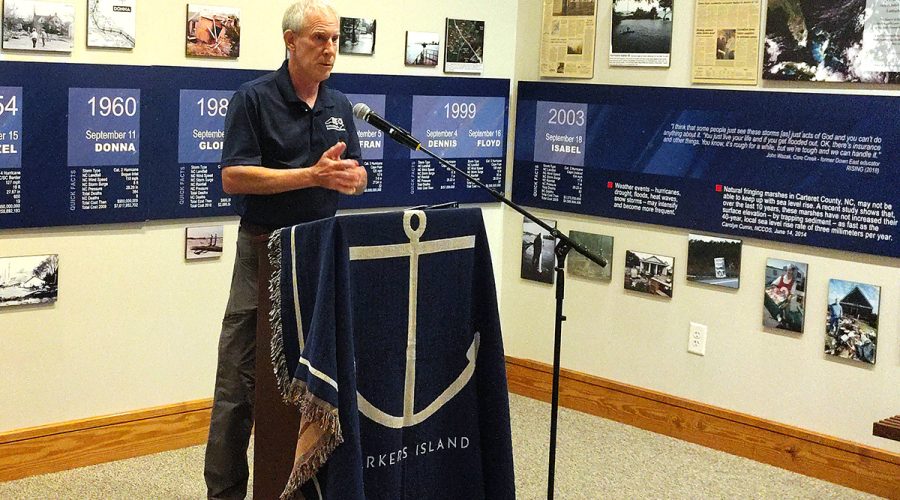
DEQ chief announces resilience grants during coastal visit
Department of Environmental Quality Secretary Reid Wilson visited Harkers Island Monday to announce $300,000 in grants awarded for eight projects to bolster resilience to natural disasters.
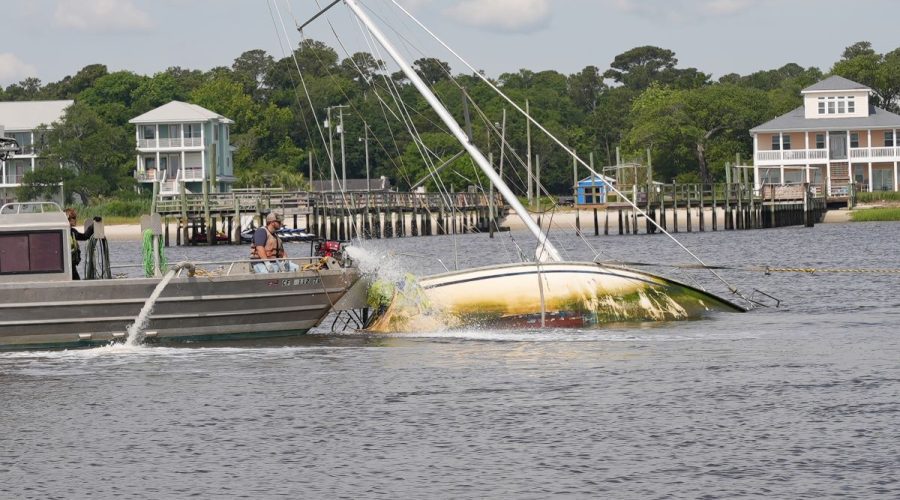
NC coast is state’s greatest investment; new budget treats it so
Commentary: Bipartisan agreement this year, combined with nurtured relationships, sound science and practical problem-solving, resulted in permanent funding to rid coastal waters of abandoned and derelict vessels and money for projects that improve water quality, bolster resilience and help preserve the natural resources that sustain economy and our quality of life.
DEQ seeks feedback on draft river basin action plans
The public may provide feedback on draft plans for the Lumber and Tar-Pamlico river basin action strategies during a July 20 virtual information session.

Stein signs budget with safe water provisions, new ferry tolls
Gov. Josh Stein signed the $34.4 billion spending plan featuring coastal environmental spending and policy provisions, and new tolls on state ferries that have long been free to ride.
DEQ sets session on draft Neuse Basin flood resilience plan
The public will get the opportunity to ask questions and provide input during a June 11 virtual information session on the draft Neuse River Basin Action Strategy.
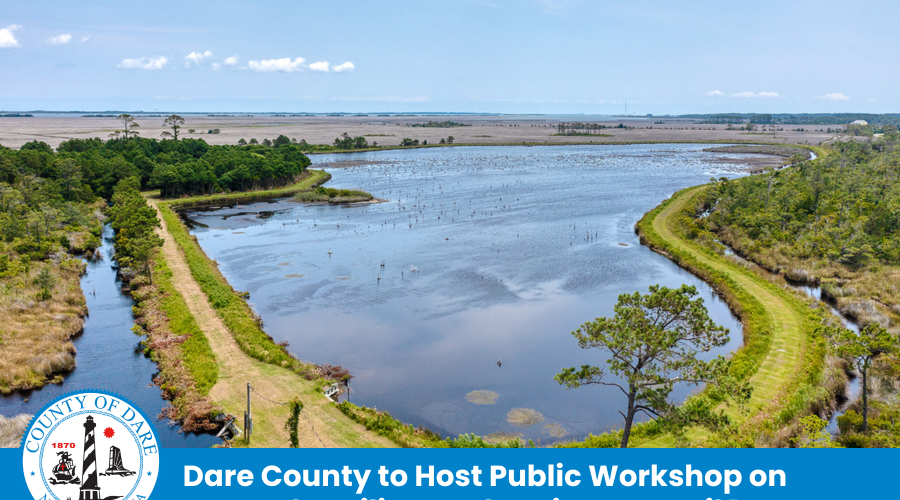
Workshop to focus on resilience in unincorporated Dare
The North Carolina Resilient Coastal Communities Program is hosting an interactive development workshop on Tuesday that focuses on key preliminary findings from a coastal vulnerability and needs assessment of unincorporated Dare County.
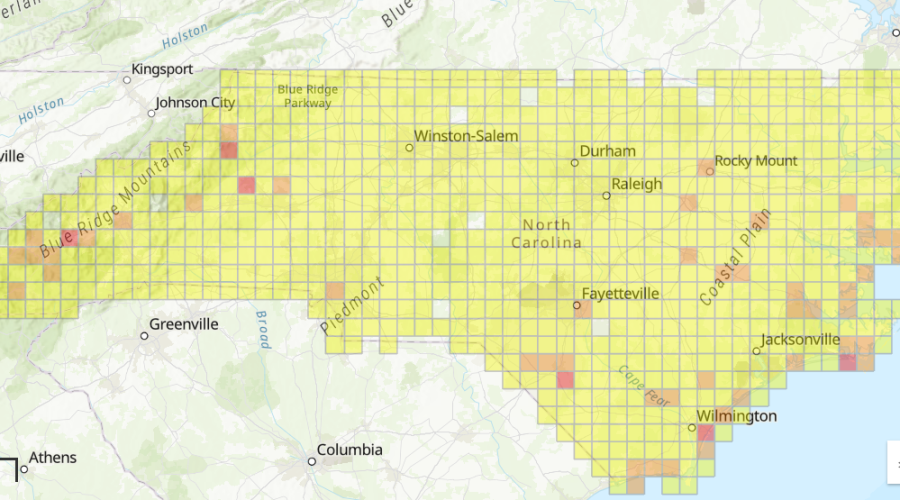
Mapping upgrades go live in online flood blueprint tool
The North Carolina Department of Environmental Quality’s online tool designed to help local governments, agencies and nongovernmental partners plan and prioritize flood resilience actions now includes new maps for five river basins in Eastern North Carolina.
Federal judge orders FEMA to restore BRIC program
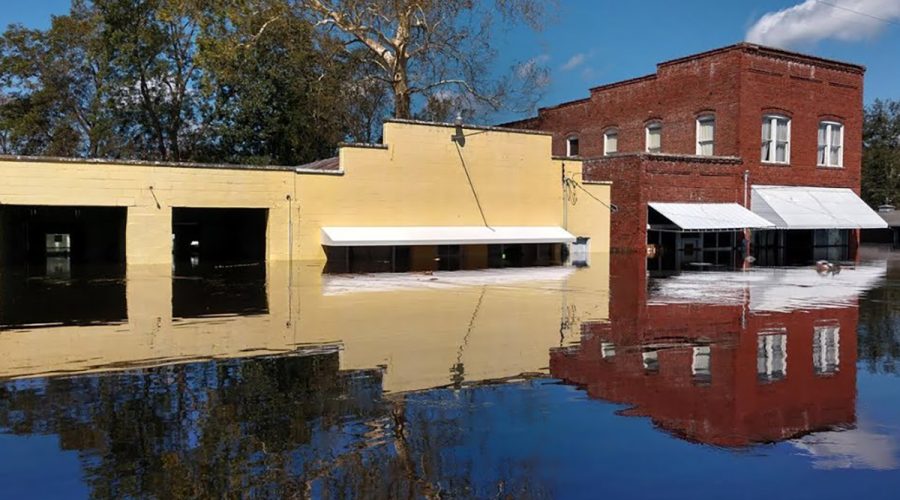
The same federal judge who ruled late last year that the Trump administration unlawfully axed FEMA’s Building Resilient Infrastructure and Communities program has ordered the agency to reinstate the program and release funds awarded to previously approved projects.
Dare seeks input on resiliency plan for unincorporated areas
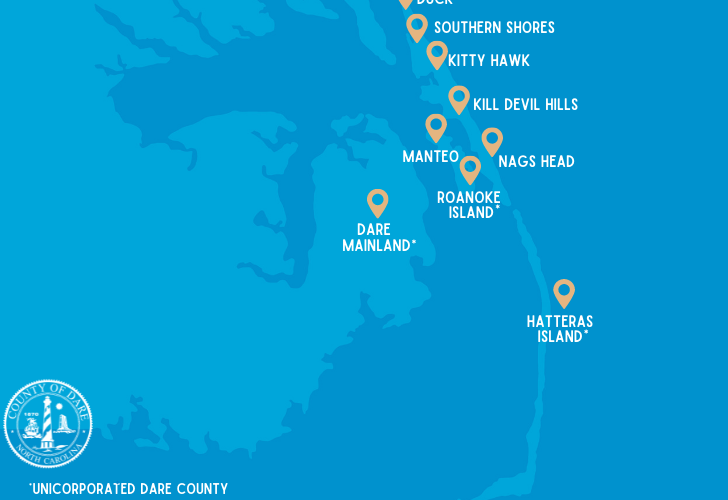
The plan for unincorporated areas of the county builds on the resilience strategy that was completed for Hatteras Island in 2022.