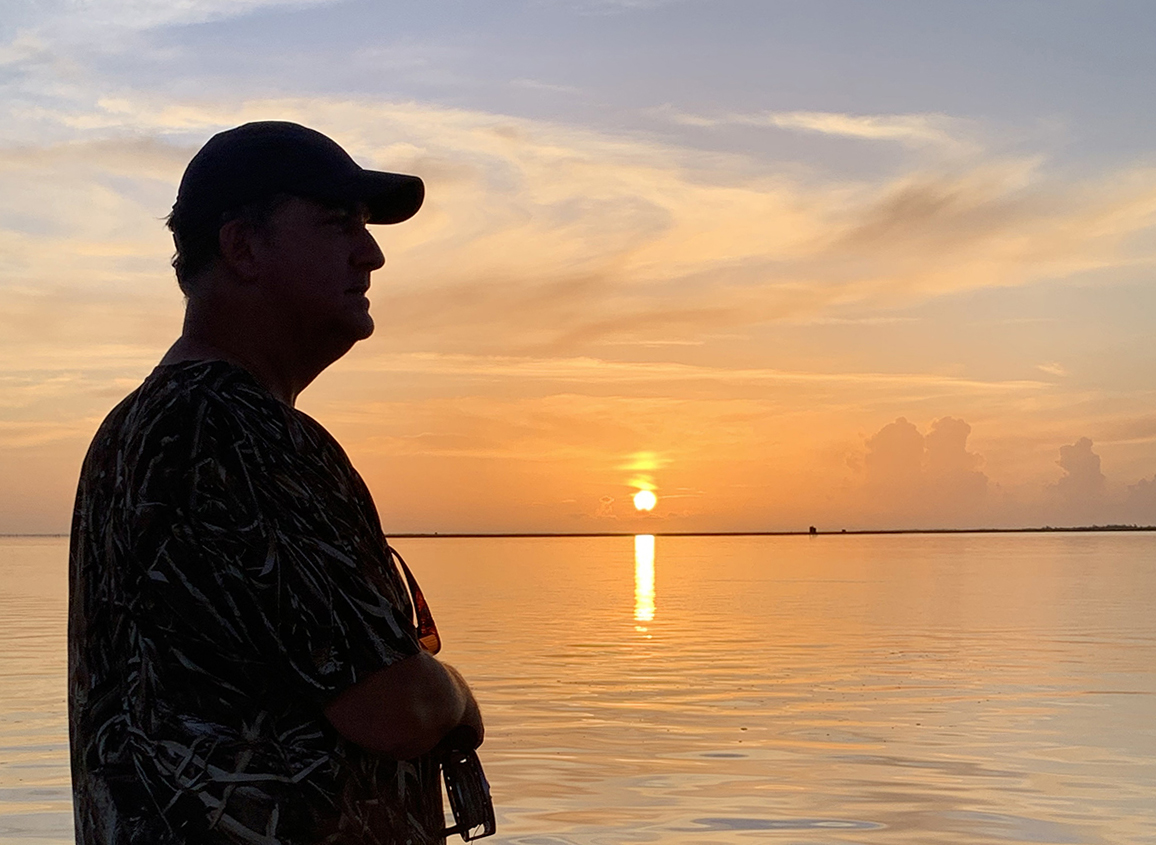
When compared to the excitement of spring or the sheer panic of fall, summer fishing can appear boring. The reality is that this is the season of abundance.
It’s when all the excitement pays off with day-to-day consistency. The weather is mostly predictable. North Carolina coastal patterns will set up and give us dependable conditions day by day. It allows us to pursue the fish that we dream of. There are challenges. Heat and sun conditions force us to modify our behavior. But the fish are there, and we can catch them.
Supporter Spotlight
Let’s start by reviewing a couple things we have previously mentioned. In the summer you need to start extra, extra early (like launching your boat before it’s light), do short trips in the evening (best after a daylong rain), or literally be getting started with fishing when everyone else is brushing their teeth for bedtime. By concentrating your efforts on these low light, or no light periods, we can maximize our ability to find fish in a feeding mood.
Fish eyes are designed to maximize light into the brain. When it’s too bright, they don’t really love it. So, fish early and late, you won’t get quite as hot and you won’t need quite as much sunscreen.
Next let’s talk about what is going on during the summer months. In coastal North Carolina, let’s define summer as June, July, and August. There’s plenty to do. Offshore usually brings the Gulf Stream as close to shore as it’s going to be during June. Check the sea temperature charts and see where it is. Usually at some point it will be closer than 30 miles out. When that occurs it’s time to plan a run.
A center console boat in the 25-foot range will get you there safely. Be aware that the wind will often pick up in the afternoon so, regardless of how warm it may be, some foul-weather gear might be helpful. Watch out for thunderstorms too.
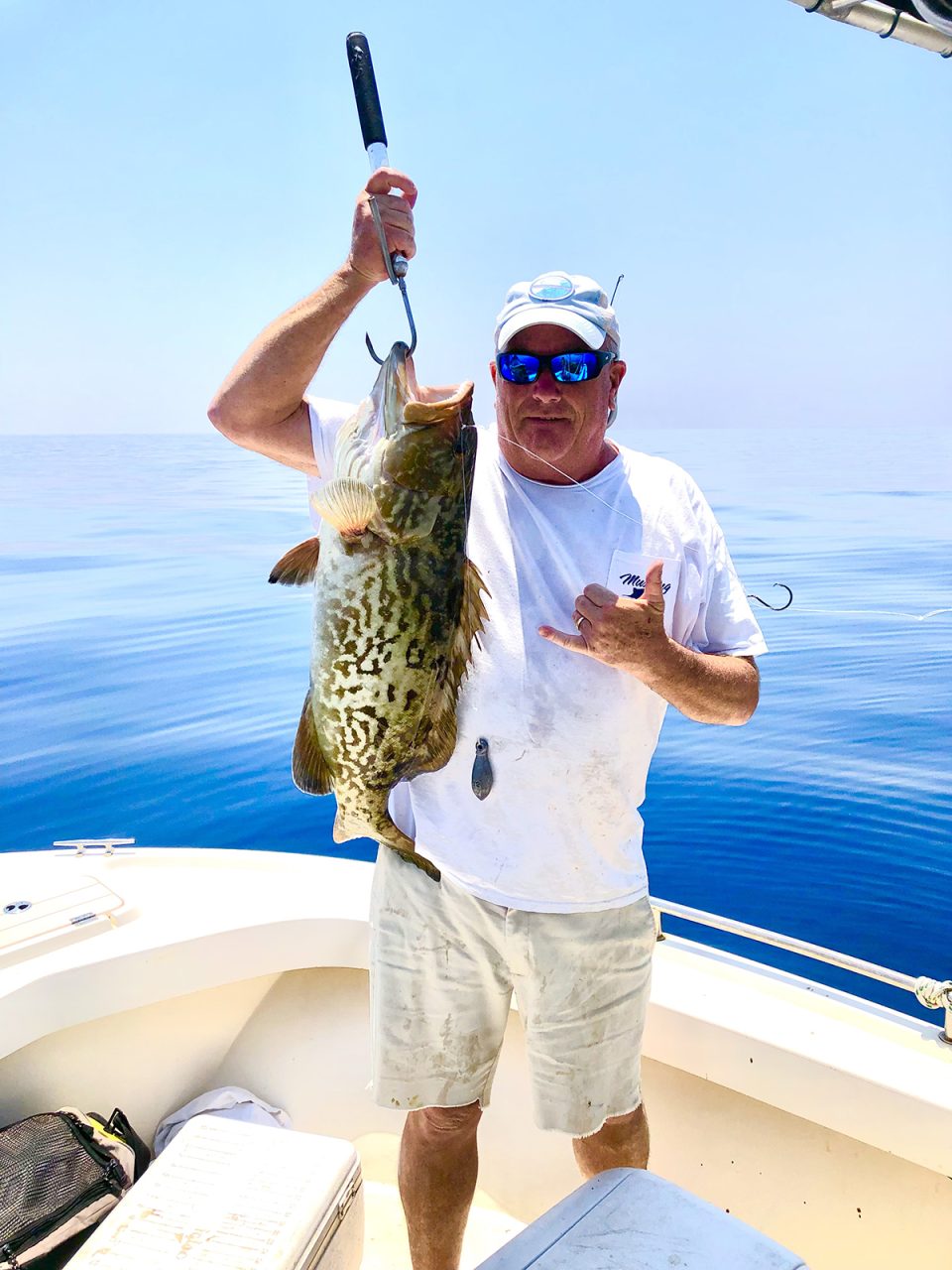
Set up a trolling spread in whatever way makes sense for your boat. Run parallel to any weed lines or current seams you find. Be prepared with frozen cigar minnows or ballyhoo. Mahi mahi will be your most frequent guests with an occasional wahoo to keep you on your toes.
Supporter Spotlight

Closer to shore there will be a consistent bite of bluefish and Spanish mackerel along the beaches and around the artificial reefs. The size will vary.
King mackerel will be present. Fish for them in the manner covered in this earlier article.
Inshore of the barrier islands will see schools of red drum and the occasional large speckled trout cruise the grass flats. You need to get out there early.
I don’t do much bottom fishing but what I do know is that some of the best action of the year on all the available species — both nearshore and offshore — is during June. The party boats running from Morehead City can put you on them.
July is going to bring most of the same energy as June. Be aware that this will bring the majority of the 90-degree Fahrenheit temperatures that we see throughout the year. Plan accordingly. Fish early. Fish late. Bring lots to drink.
The fish feel it too. The boom fishing that can exist in June will seem, at times, to disappear in July. These are the “Dog Days,” according to the Farmers’ Almanac, which goes on to explain that “the Sun occupies the same region of the sky as Sirius, the brightest star visible from any part of Earth.” The added heat is due to the tilt of the Earth relative to the sun at this point. Also, according to the Almanac, “… the tilt of the Earth causes the Sun’s rays to hit at a more direct angle, and for a longer period of time throughout the day. This means longer, hotter days.”
So, the Dog Days have become synonymous with slow fishing, but a funny thing starts to happen in August. Even though it’s still not really fall, the fish start to sense the shortening days, also called photoperiod, and sometimes they get extra frisky. Usually, this is caused by baitfish aggregation. Gamefish that had been lazy for a while get charged up by prey species gathering in large numbers. This is difficult to plan for, but being prepared with the lures that imitate these small fish will allow us to be ready if it does.
A not uncommon occurrence of this type occurs when the first northeastern blow of the season occurs. This concurring occurrence is known ’round here as a “Mullet Blow,” and it’s when large groups of small mullet make their first run of the season out the inlets. Wise anglers will be prepared with cast nets to first catch said mullet and a hook rigged on a Carolina Rig to pursue the gamefish that react to their sudden appearance.
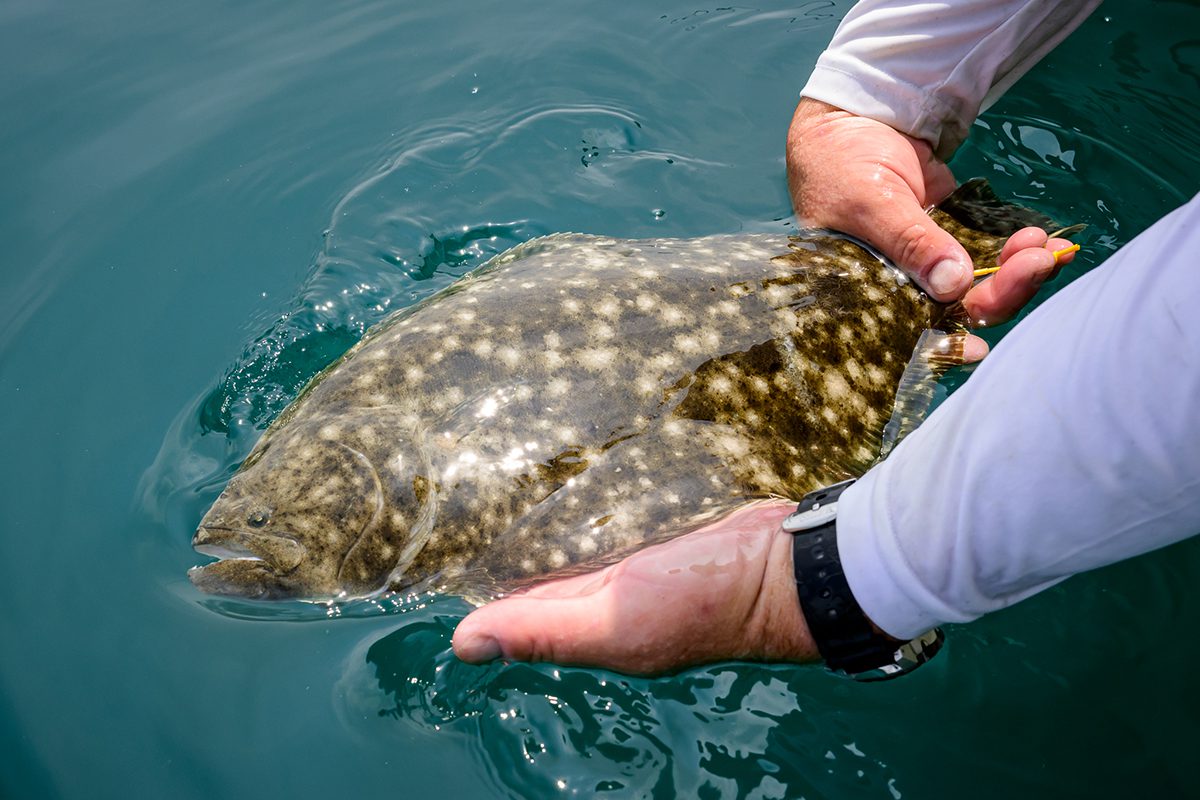
Expect red drum, speckled trout, bluefish, Spanish mackerel, flounder and whatever else might be around. I’ve had large sharks appear at my feet on days like this. Needless to say, we were both quite surprised. Nobody got a bite.
Again, summer is the time of plenty of fish, and no need for scrambling around. You don’t need to rush to the water to get in on the action, because chances are, it’s going to be there tomorrow. It’s a more relaxed pace. Sometimes it’s really good, other times not as good. But just enjoy the more relaxed pace. Fall is coming, however.
By then, you’d better have your act together, because if you miss it then. It’s over. But we’ll cover that at another time.