Elevated levels of a federally deemed likely cancer-causing substance were detected in a sample collected earlier this month from a municipal wastewater treatment plant that discharges into the Cape Fear River Basin.
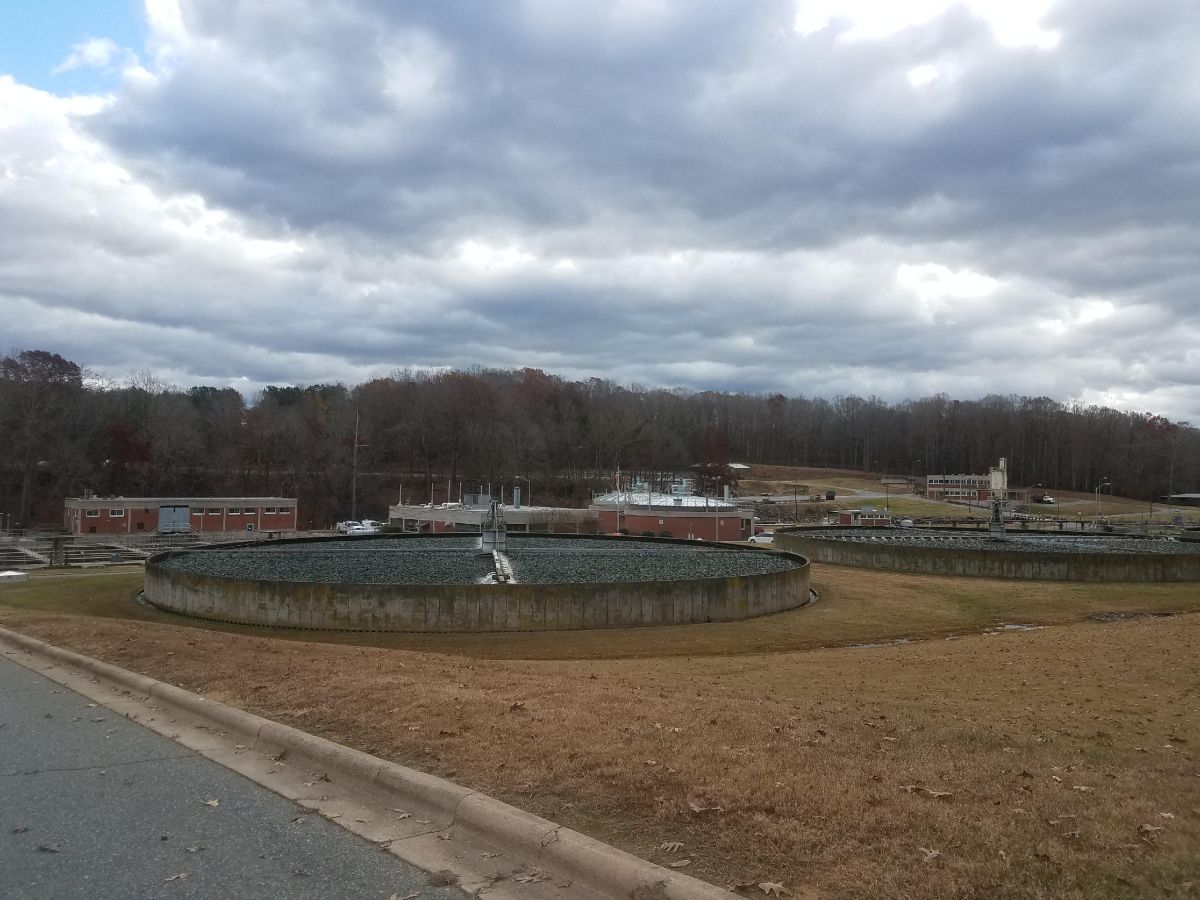
The N.C. Department of Environmental Quality’s Division of Water Resources announced Wednesday it had been notified that elevated 1,4-dioxane levels were discharged from Asheboro’s wastewater treatment plant into Hasketts Creek, which empties into the Deep River.
Supporter Spotlight

A sample collected by the plant July 10 detected a concentration of 2,010 parts per billion, or ppb, of 1-4 dioxane, an industrial chemical used for a variety of purposes.
For downstream water supplies to remain safe, DEQ has determined the Asheboro plant should keep its monthly average 1,4-dioxane discharge at or below 22 ppb. DEQ uses U.S. Environmental Protection Agency toxicity calculations for lifetime exposure to determine safe levels of 1,4-dioxane discharges.
State water resources officials have taken additional sampling since July 10 and are awaiting to confirm the results of those samples, according to a release.
The Division of Water Resources has notified several downstream drinking water utilities about the elevated levels. Those utilities include Bladen Bluffs Water System, Brunswick County, Cape Fear Public Utility Authority, the city of Dunn, Fayetteville Public Works Commission, Harnett Regional Water, International Paper Co., Pender County, Pilgrim’s Pride Water System and the city of Sandford.
“DEQ continues to monitor the levels of 1,4-dioxane discharged by wastewater treatment plants in the Cape Fear River Basin,” according to a release. “Significant reductions have occurred at one wastewater treatment plant through a collaborative effort with municipal operators. DEQ continues to work with the remaining municipal operators.”
Supporter Spotlight

Asheboro and division officials are in an ongoing court battle over the division’s inclusion of 1,4-dioxane discharge limits in city’s August 2023 National Pollutant Discharge Elimination System, or NPDES, permit.
In early February, a Wake County Superior Court judge ruled that the limits set by the state were properly included in the plant’s discharge permit. Asheboro appealed and the limits are stayed until the case is heard by the Court of Appeals.