I’ve talked a bit about being “fishy” in the past. It’s the innate ability to get a feeling for what is happening on the water and the ability use that to relate to the fish and catch them. It’s not something that can be explained or measured, it just is.
Conversely, there are a lot of concrete reasons for fish to be where they are. There are an obscene number of references ranging from articles on the internet to huge research papers that will help find this information. Instead, we’re going to talk about seeing visible signs and evidence that exist around us and putting that to use. In the immortal words of Ferris Bueller, “Life moves pretty fast. If you don’t stop and look around once in a while, you could miss it.”
Supporter Spotlight

The first thing I’m going to mention is something that I treated like “Fight Club” for many years, I just didn’t talk about it. In the spring, when speckled trout are in creeks feeding into larger river systems, there are often longnose gar. They are neat to look at and have a primitive breathing apparatus that enables them to breathe oxygen from the atmosphere as well as through their gills. Therefore you will see them surfacing while they get some air. They are cool to watch. For years that’s all I did, until I started putting some things together.
It became apparent to me that when I was seeing gar gulping air, I would often catch a trout or two in the same spot. This culminated with the day a friend and I caught four citation-sized trout under them, along with one 7.5-pound fish that is still among the largest I ever caught in North Carolina.
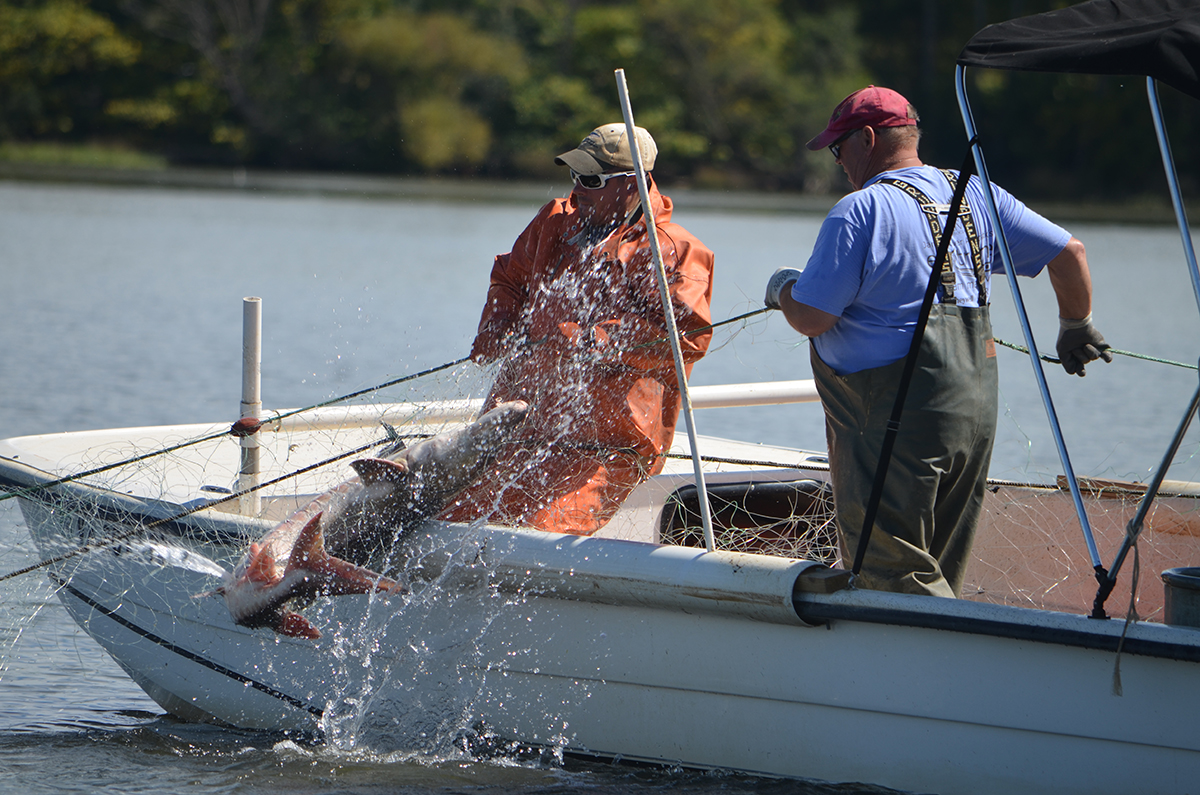
Afterwards, anytime I would see gar, you can be sure extra time would be spent in that location. It usually paid off. Once in a while, I would even catch a gar. Sometimes it would be bigger than I was prepared to deal with on light gear in a small boat. I don’t know why the gar congregate in those spots, or why the trout are underneath, it’s just that they do, and it’s often the same general locations time after time.
Now, if you go out and see gar and don’t at least make a couple of casts in their vicinity, don’t complain to me when you return with an empty fish box.
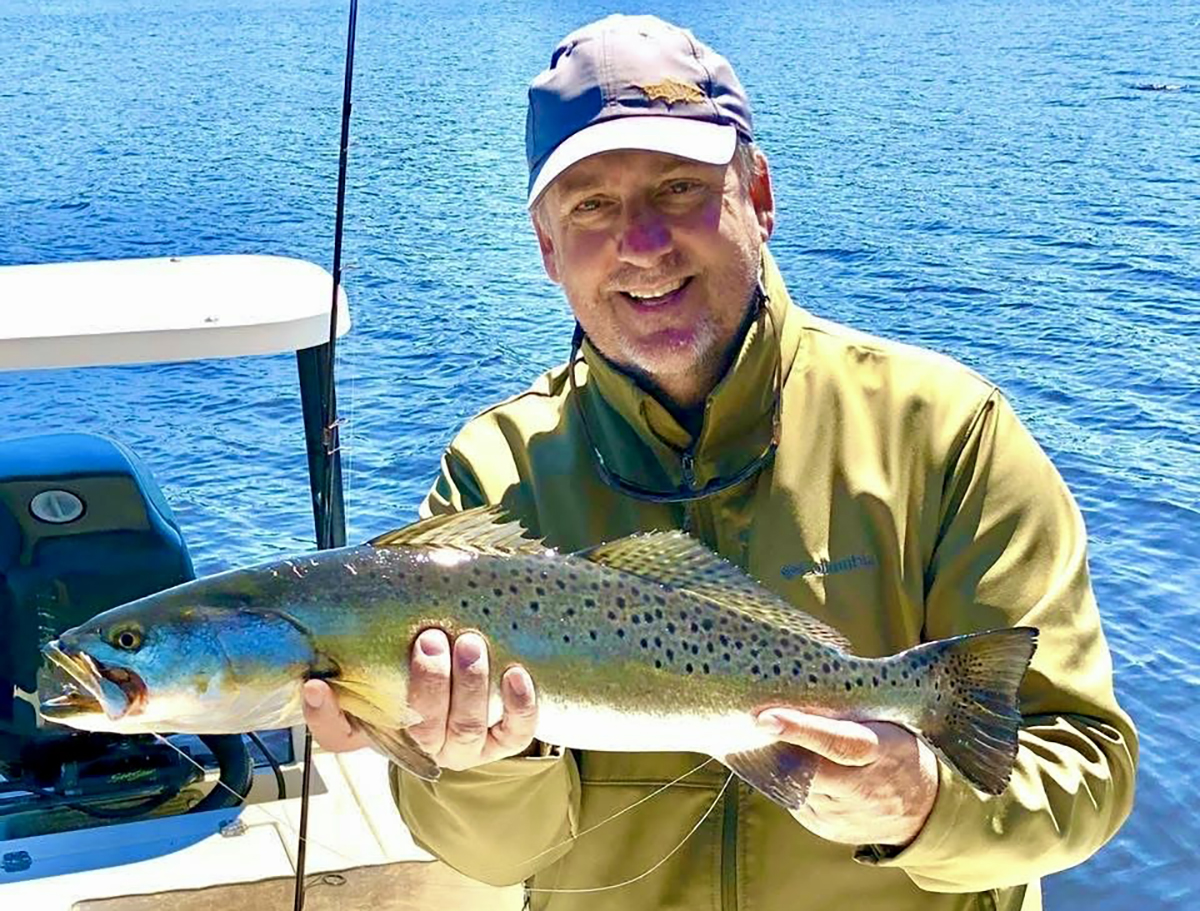
Another thing that comes up when pursuing early-season speckled trout in creeks, the fish are not holding tight to the bank. These are not largemouth bass in a pond, nor are they brown trout in a big river. Upon inspection, it’s obvious that speckled trout are on the move and expecting them to be tight to cover is a mistake.
Supporter Spotlight

A lot of guys I would chat with at the boat ramp would be disappointed after a morning’s casting. When we’d talk, they would invariably say they were casting to the bank as if they were bass fishing. What I would do is set my boat on a line that was approximately a cast and a half to two cast lengths from the shore. I would put my trolling motor on a speed fast enough to make barely enough headway in whatever wind was blowing. Then I would methodically cast in every direction around the boat, concentrating on areas I had not previously covered or floated over. The bigger fish tended to be away from the shoreline. Mostly smaller ones would be tight to the bank. Many nice trout succumbed to my tactics.
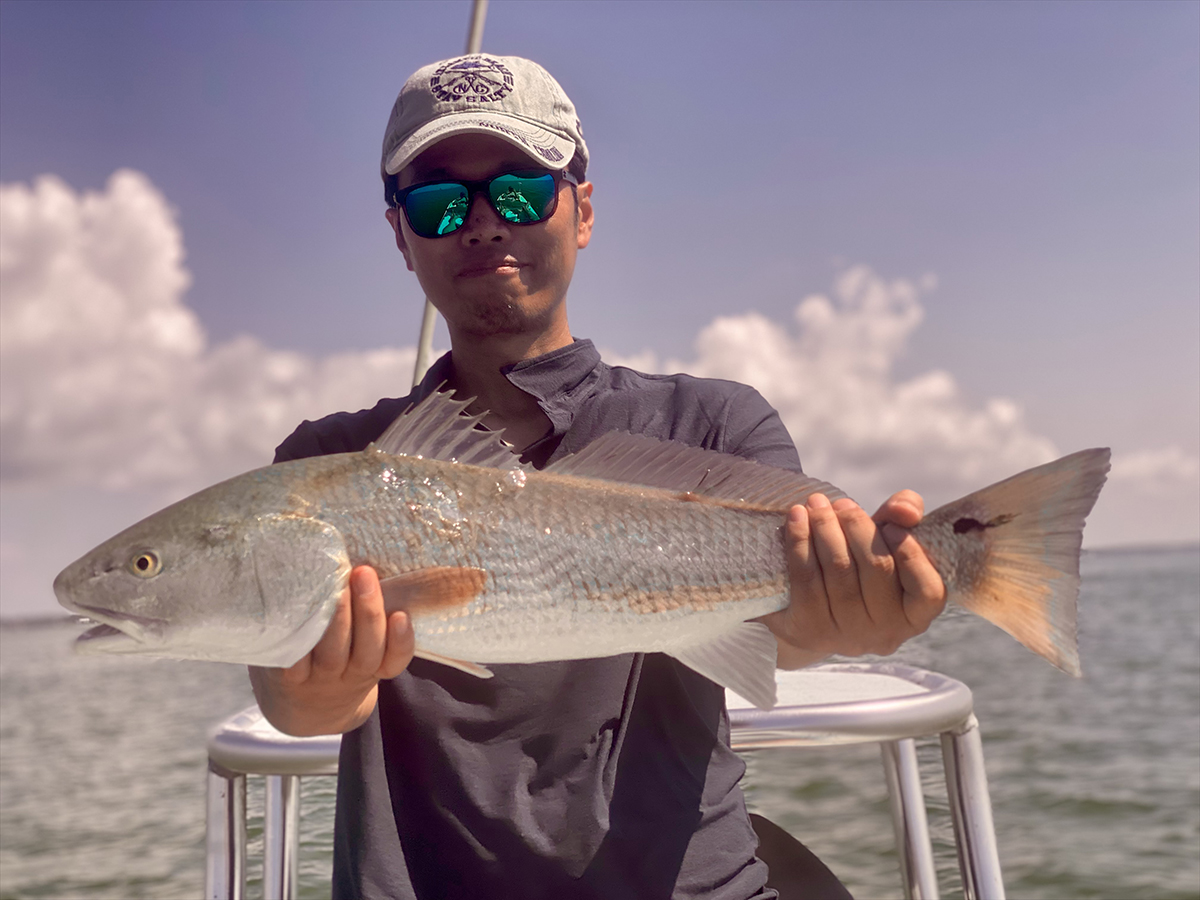
Casting plugs for specked trout and redfish (with bonus big bluefish, jacks, the biggest pompano you’ve ever seen, and the occasional tarpon) around shallow grass flats was always one of my favorite things to do in summer. There’s a lot of water to cover. Figuring out the best place was a challenge. I’ll admit that there were many times when nothing was caught. Sometimes we’d nail it and catch a nice fish or two. The key was to always be alert to the signs of what was happening and try to repeat them.
Some of my favorite spots were in the bayous and byways of Core Sound, Bogue Sound and points north and south of them. The farther from town the better.
Through the years, I noticed a certain commonality among my better locations. If there was an island for fish to gather around, that was good. If there were at least two ways in and out of the protective area near the island, that would be better. These kinds of areas would pen them in for ambush purposes, but they could escape easily when predators showed up. There’s nothing like a 25-inch red drum to make a healthy blacktip shark happy.
So “Ol’ Redsy” needs a way out.
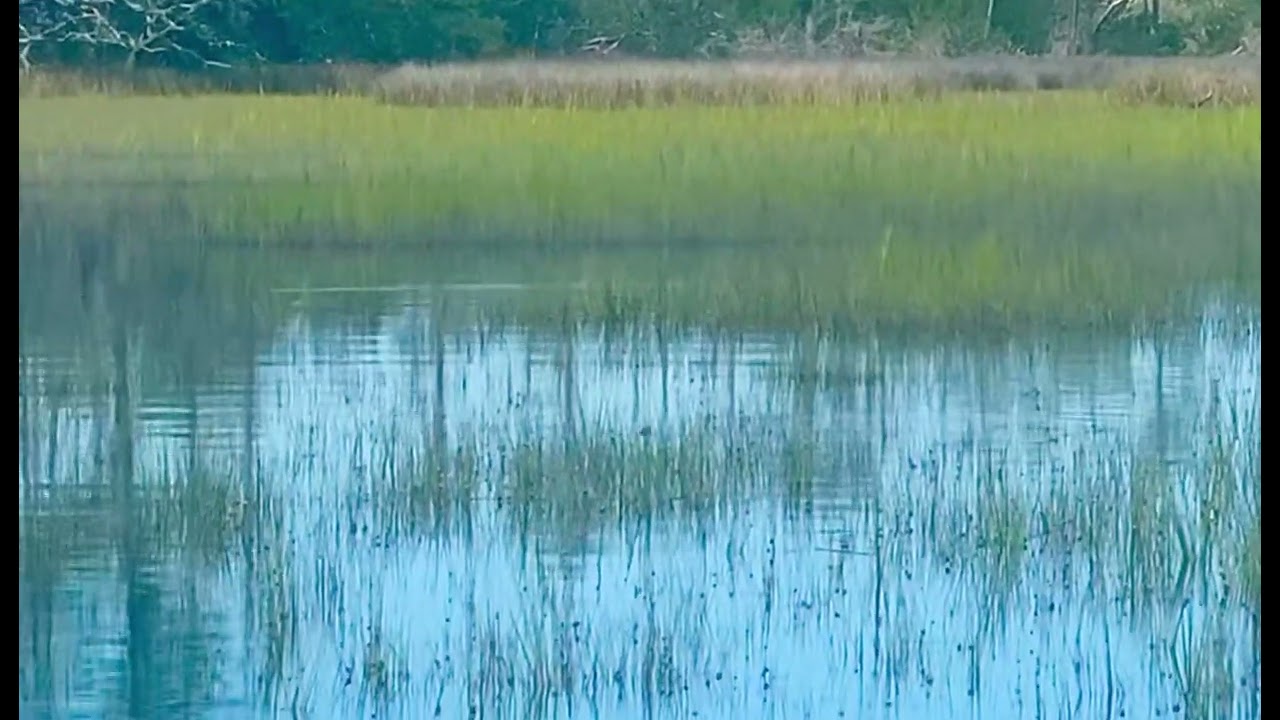
Hog redfish will pen up in these areas. Just be aware that when they start to gather up in schools that resemble big mullet balls, watch out for the black-tipped fins.
The world-renowned fall run of false albacore brings anglers from all over the world to Carteret County. They come to experience mind-blowing, reel-melting action for 10- to 20-pound tuna-type fish in shallow water and be a part of fishing legend. At times, the fishing itself can be easy. On certain days the fish will be on top feeding on small glass minnows about the size of your finger and everywhere you look, there they are.
More often things are quite different.
When the action really heats up around late October and early November, some certainties begin to become apparent. At this time of year, the prevailing northwest winds create calm water along the beaches, and if it’s nice a couple days in a row, some really cool things can happen. One is that baitfish will flood into Barden’s Inlet with the incoming water at Cape Lookout, followed closely by the albies. There can be so many fish it’s simply a matter of casting. Herr Wagner couldn’t write a better valkyrian epic.
What happens more frequently, however, is that the fish will follow pods of minnows and surface sporadically, often leading to difficult conditions in which to hook up. The observant will notice a pattern. Research shows false albacore feed in “spurts” and the right timing can put you in the right position. So instead of charging all over, being patient and awaiting the next attack is best. It can be difficult to attain this Dalai Lama-level of patience when others are charging all over. But often they don’t get anything done regardless.
Contrarily, when you’re fishing in quiet backwaters, fish move slowly and don’t like to make noise. They seem to match their movements to their surroundings. If you’re not paying attention, you may never see the subtle movements that a feeding fish can make and go right past. Again, match your moves to those of your quarry.
So keep your wits about you and think about what Mr. Kipling used to say about keeping your head when all around you are doing otherwise. Paying attention will pay dividends.