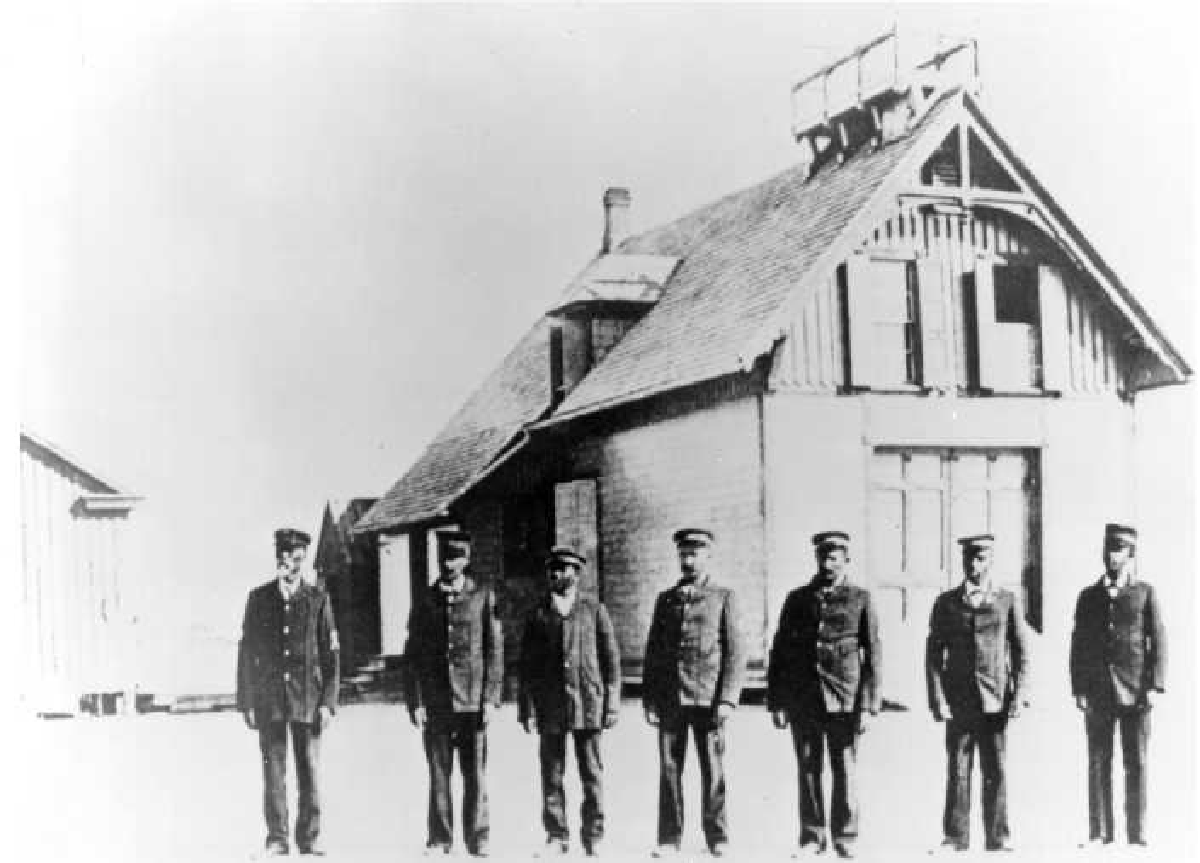
This Sunday marks the 130th anniversary of one of the most celebrated rescues in the history of the United States Life-Saving Service, the rescue of the shipwrecked schooner E.S. Newman’s crew by Keeper Richard Etheridge and the Pea Island Lifesavers.
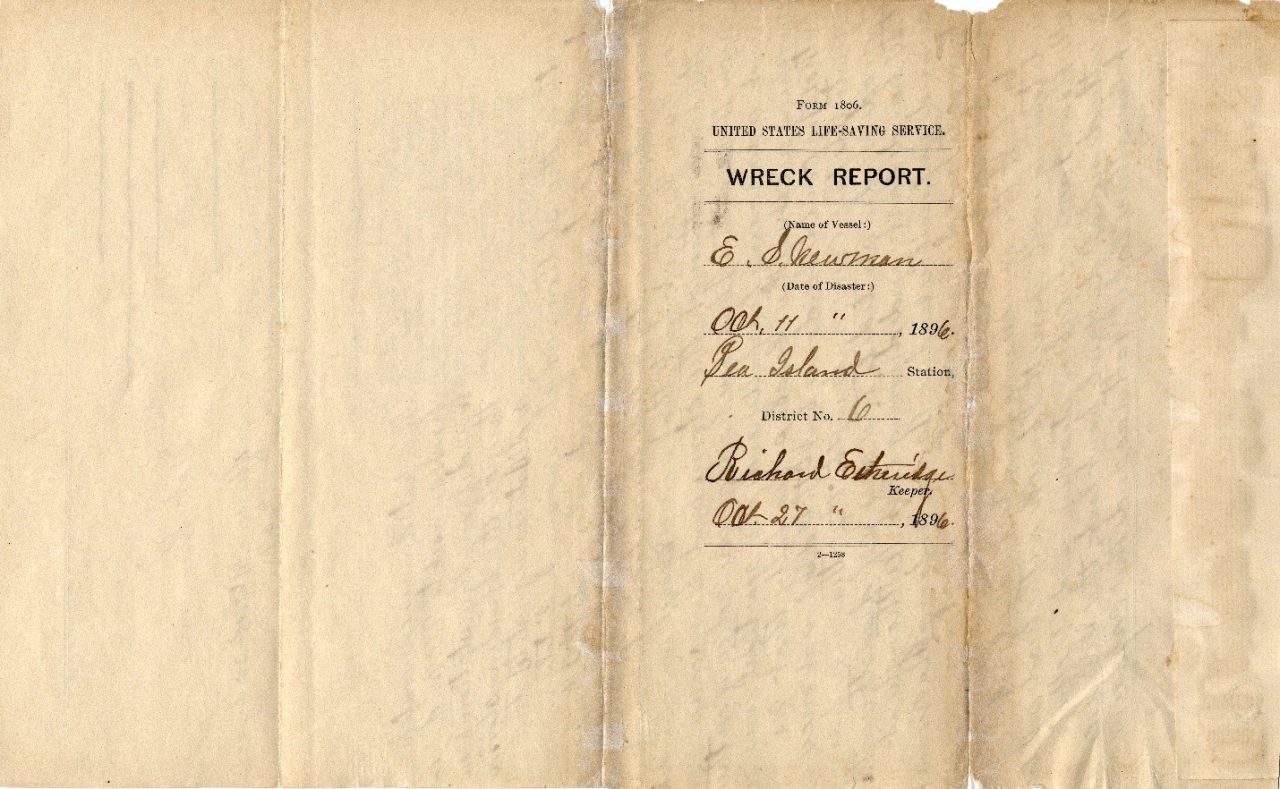
The rescue took place in the middle of the night on Oct. 11, 1896, during a hurricane. As the wreck report reveals, the schooner was first spotted at 7 p.m. What followed lasted into the early hours of the next morning, and all onboard the ship had been brought safely to the Pea Island station by 1 a.m.
More than a century later, Etheridge’s wreck report still speaks to me — not simply as a historical document but as a reminder of how the past continues to move us forward. For me, that night has also become personal. A rescue that occurred long before I was born has helped shape the course of my own life.
Among my favorite words in Etheridge’s account are those he chose to describe the moment the Pea Island crew arrived: “The voice of gladden hearts greeted the arrival of the station crew.” I have always been struck by those words. They allow us to hear something beyond the facts of the rescue. We can almost feel the relief, gratefulness, and emotion as the survivors realized they were being saved.
Supporter Spotlight
There is something else remarkable about these words. Etheridge lived during a time when many Black men like him were assumed to be illiterate. Historical records frequently reduced people who could not read or write to an “X” beside their names. Yet here is Richard Etheridge, writing language that remains powerful more than a century later.
Today, I find myself imagining the conversation that took place inside the Pea Island station that night. What did Etheridge and his crew say to the captain of the E.S. Newman? What was said to his wife and their year-old son after they had been brought through a hurricane to safety? What did the other survivors say to the men who had repeatedly risked their own lives to save theirs?
I imagine tears, relief, exhaustion and perhaps even laughter and smiles once everyone realized they had survived. Those conversations were never recorded, but they are part of history, too. I hope others will read Etheridge’s wreck report for themselves, not only those who want to learn about Pea Island, but anyone interested in the remarkable people whose stories too often remain at the margins of American history.
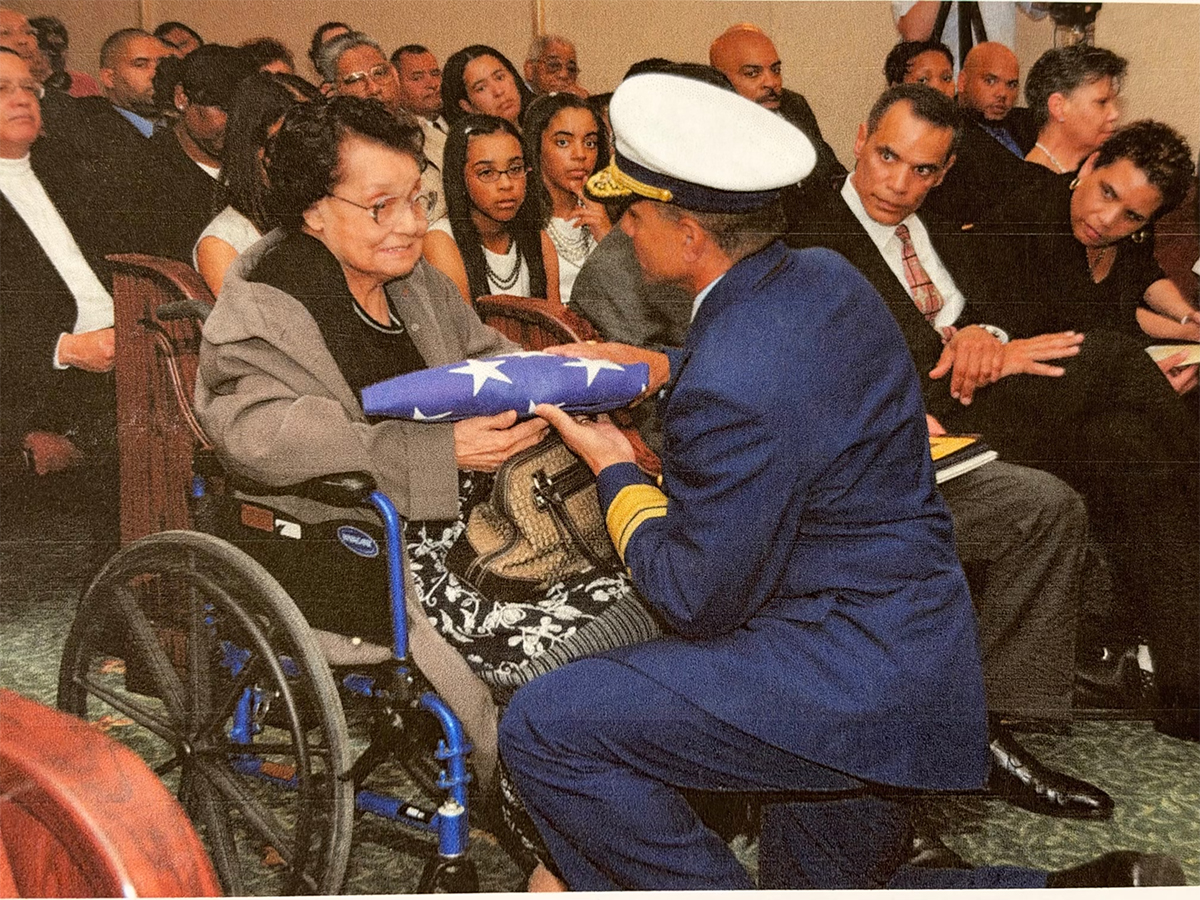
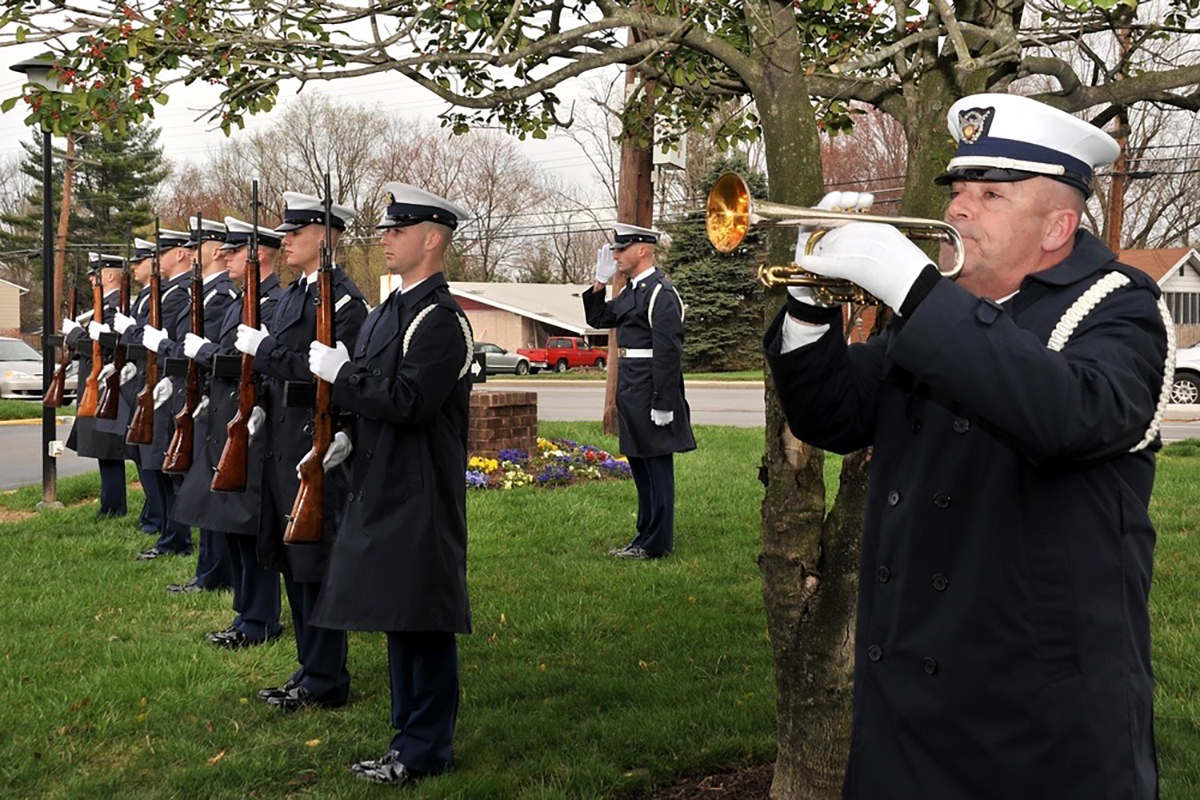
I have researched, written, and spoken about the Pea Island station for years. Yet some may be surprised to learn I did not attend the March 1996 ceremony at which Keeper Richard Etheridge and his crew were posthumously awarded the prestigious U.S. Coast Guard Gold Lifesaving Medal for actions during the E.S. Newman rescue. Even today I am uncertain why. Perhaps I was traveling, something I often did at the time. Perhaps I was simply occupied with something I mistakenly thought was more important. What I do know is that, 30 years later, I understand the significance of that ceremony in a way I could not have understood then.
At the time the award was given, my father, Lt. Herbert M. Collins, was one of only two men who had served at the Pea Island station, and he had served there much longer than the other. I did not fully understand then why my father had been selected to accept a medal honoring Etheridge. Today, it makes perfect sense. No living relative of Etheridge had been located when the medal was presented. My father, therefore, stood in his place — not as a blood relative, but as a member of an extraordinary lineage of men who served at Pea Island. Looking back, I realize that ceremony was also the beginning of something in my own life.
The recognition of Etheridge and his crew ultimately led me to understand more fully the history of the Pea Island station, the men who served there, and the profound influence this history had on my father — and through him, on me. Also, while even today, a direct descendant of Keeper Etheridge to my knowledge has not been definitively identified, I continue to hope that research will one day reveal a connection. Genealogical research is rarely simple, particularly when tracing the descendants of a man who was born enslaved in 1842. Today there are also histories waiting to be recovered, but perhaps that difficulty is a part of the story.
On this 130th anniversary, I also find myself thinking about one of the favorite stories my father would tell about his service at Pea Island. I first shared this story publicly at his memorial in March 2010 in a speech I called “Beyond Pea Island.” Looking back, I now realize that speech marked the beginning of my own journey of telling stories.
A few years before my father died, he returned to the Outer Banks and went looking for someone he knew while stationed at Pea Island. He found her in an apartment above a gas station near Pea Island. A woman, who by then who looked to be in her 60s, answered the door. And the first thing she said was, “My God, I know you. You’re the movie man.”
Supporter Spotlight

I love that story. While working at Pea Island, my father had rented a generator to show movies to local high school students. After the movie, his friend, who also served with him at Pea Island, would play records so the students could dance. Imagine that scene. Two young, Black Coast Guardsmen, finding a way to create a movie and dance night for white teenagers. It’s a small story, but small stories often tell something larger about a person, as does this one about my father’s generosity, kindness, and desire to bring people together.
Years later, I came to know the woman who opened that door. She would always laugh when I asked her what she most remembered about my father. She said it was how handsome he was and how she had told her mother as a young child that he was her boyfriend. She remembered something else, too, about my father when she first encountered him. Her mother was the postmaster and as a young child she often accompanied her mother to work. Whenever my father went to pick up the Pea Island station mail, if he saw her there, he would always give her a stick of Juicy Fruit gum.
I am grateful that I listened to her stories. Through her memories, I learned more about life around Pea Island during World War II and the frightening period when the Outer Banks became known as Torpedo Junction. It was a scary time for her as a child when German U-boats attacked merchant vessels, and when local residents were instructed to extinguish lights at night. Her stories also helped make the stories my father talked of while at Pea Island during World War II that much more real to me.
Although I did not realize it until a couple years after my father died, her name was Jazania Polly Herbert O’Neal, of the Midgett family, a family that carries another remarkable connection to lifesaving history of the Outer Banks. Her grandfather was John Allen Midgett Jr., the legendary commander of the Chicamacomico Coast Guard Station, who had performed the heroic 1918 rescue of the crew of the British tanker Mirlo.
I regret that I never had the opportunity to ask my father more about what he knew of the Mirlo rescue during his early years on the Outer Banks. Perhaps he knew a great deal. Perhaps he knew very little. I will never know. And that is one of the lessons history continually teaches us: Ask the questions while there is still someone here to answer them.