At a time of unprecedented threats to wildlife from wildfires, rising air and water temperatures and increased pressure on habitat from flooding and drought, the U.S Fish and Wildlife Service is continuing to chip away protections provided in the Endangered Species Act.
But conservation advocates are warning that the latest action in the piecemeal unraveling could be a fatal blow to the foundational environmental law enacted in 1973 by then-President Richard Nixon.
Supporter Spotlight

“Basically, they’re taking away protections for the majority of the ways that endangered species become endangered,” Noah Greenwald, endangered species director with the nonprofit conservation group Center for Biological Diversity, recently told Coastal Review. “It cuts the heart out of the Endangered Species Act, and we just won’t be able to save a species if this is allowed to stand.”
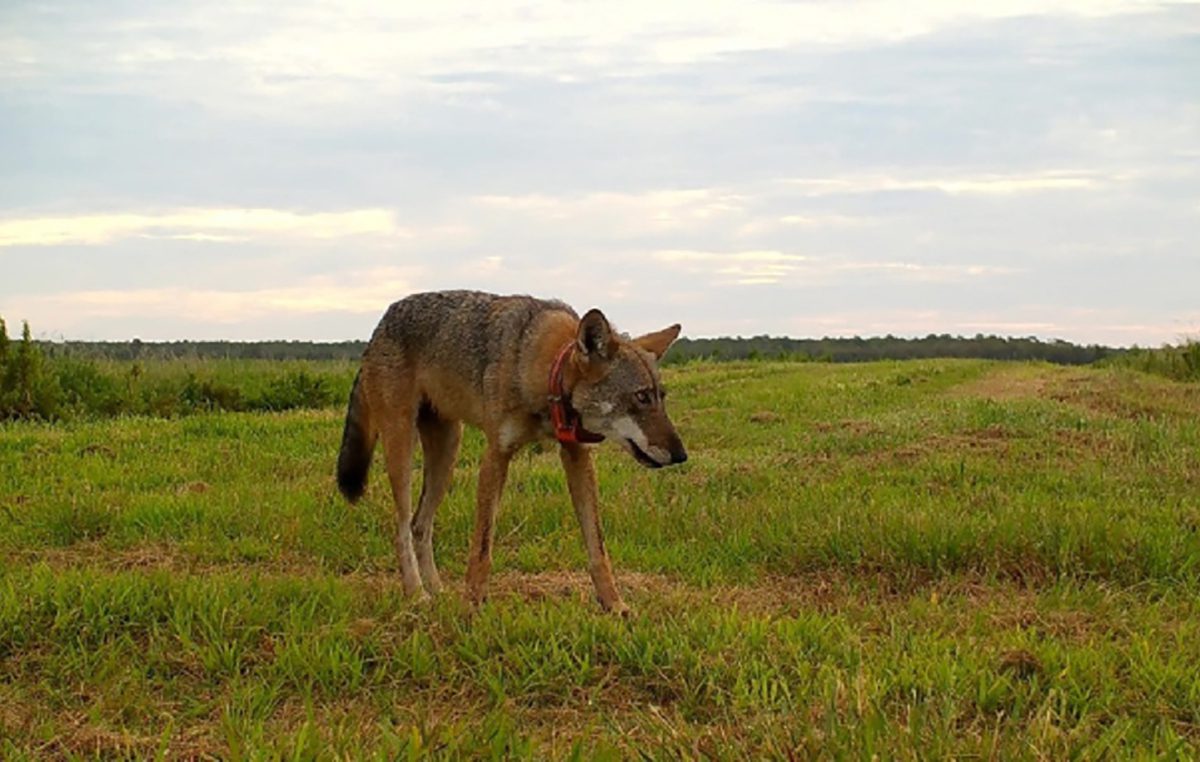
Recovered, delisted species as well as currently vulnerable species would be at risk under a new directive the agency issued last month that drastically narrows how danger to an endangered or threatened species is defined – what constitutes a “take” or “taking” under the act. For instance, the new interpretation of take could potentially undermine yearslong recovery efforts for the red wolf in northeastern North Carolina, the only place in the world where about two dozen of the once-prolific canid still roam wild.
Whatever the perceived value of protecting wolves and other controversial predators, it is the very same law that also brought iconic bald eagles, brown pelicans and American alligators back from the brink and continues to ensure their survival.
As stated in the Sept. 14 memo, U.S. Fish and Wildlife Service Director Brian Nesvik redefined the scope of the Endangered Species Act’s “take” standard in light of the agency’s recission in July of the definition of “harm” in the regulation. Instead, he added, the agency would adopt the interpretation detailed in Justice Antonin Scalia’s dissent in the 1995 Supreme Court decision, Babbitt v. Sweet Home Chapter of Communities for a Great Oregon, which narrowed the definition for a prohibited take to mean intentional and direct action, rather than the broader prior definition that included incidental takes.
“‘Take,’ including the word ‘harm’ in the statutory definition, requires ‘affirmative conduct intentionally directed against a particular animal or animals,’” Scalia said in his dissent, as cited in the memo.
Supporter Spotlight

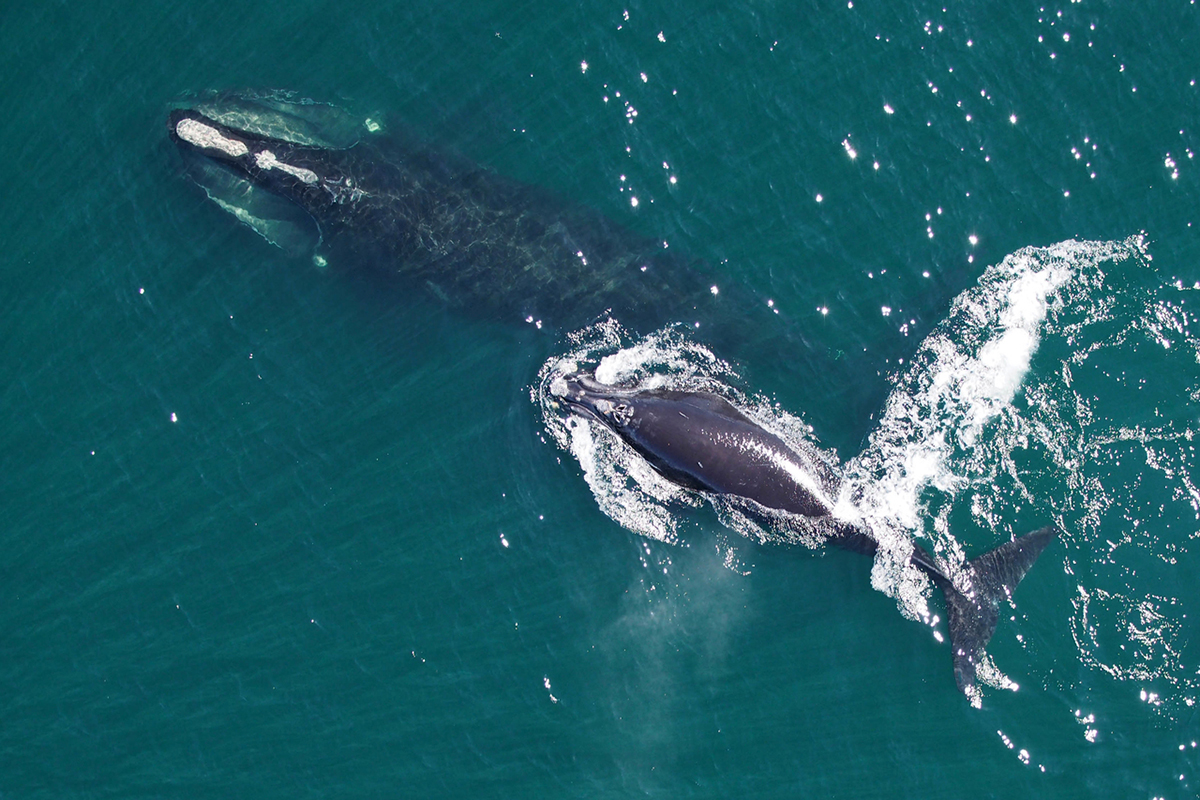
“This means the person must intend to act on an animal and must do so for the purpose of affecting the animal,” the memo continues, again quoting Scalia. “The ‘intent’ consideration goes to an intent to act on the animal, not merely an intent to engage in the activity … A vessel that inadvertently strikes a whale has not taken it, because the vessel’s course was not set against the whale. Felling a tree is not a take of the bats roosting in it unless the tree is felled for the purpose of killing or capturing them. In each instance the conduct is directed at the water or at the timber and reaches the animal only ‘indirectly and accidentally.’”
While disputing the legality of a directive based on Scalia’s dissent, Greenwald said that the statute still prohibits federal agencies from jeopardizing listed species. In reality, he added, Fish and Wildlife has rarely ever determined that something would jeopardize the continued existence of a species. But, he said, the jeopardy prohibition may still provide a guardrail by continuing to require wildlife services some degree of consultation with the Fish and Wildlife Service.
It is the diminishment of “take” to defining it as harm to a particular animal or plant that is most important, Greenwald said. “It’s like the difference between driving a species to extinction and resulting in the death of individuals.”
The act’s success has been rooted in its ecosystem-wide protection, which acknowledges the critical value of the interconnected habitat and environment the species live, grow and roam within and depend on to survive.
On Sept. 21, in a supplemental complaint filed by the Center for Biological Diversity and other conservation groups, review of the agency’s “take memos” is added to an earlier challenge to the recession of the “harm” rule for violations of the act.
“This legal protection against significant habitat destruction that kills or injures endangered wildlife has proven essential to the ESA’s effectiveness at preventing the extinction of imperiled species and promoting their recovery,” according to the complaint. “It ensures, for example, that the dam blocking salmon migration, the logging project that cuts down a tree for nesting owls, and the oil and gas development in Alaska that disturbs polar bears are regulated in the interest of species conservation, just as the direct killing of these species would be.”
Regulation of “incidental takes” — meaning unintentional harm to a species inflicted during execution of projects or activities — not only protects species from extinction, it also provides tactics to mitigate and minimize harm of projects, states the complaint.
The subsequent supplement contended that the “take memos” misinterpreted the term “take” to solely mean intentional conduct aimed at hurting the animal, and “lack any reasoned basis,” among other violations.
As it stands, the term “incidental take” still exists in the statute, Greenwald noted. “That’s why this interpretation doesn’t follow from the statute.”
The fact is, he added, the Supreme Court majority upheld the definition of “harm” in 1995, and the Fish and Wildlife Service’s directive to base rule changes in the act on Scalia’s dissent is not following the law.
“That’s not the way government is supposed to work,” he said. “Congress is the one who’s supposed to rewrite laws, not the Trump administration.”
While Scalia’s dissent may be confusing — seemingly based on some kind of feudal common law —Greenwald said, Nesvik’s far-reaching interpretation of “take” is also not consistent with what Scalia said in his dissent.
If the new definition is allowed to stand, the existing regulations, among others, that mitigate sea turtle harm from fishing gear, unintended shooting of red wolves at night or boat traffic in areas where whales migrate could potentially be challenged or eliminated.
Trump’s associates have been working to weaken protections in the act throughout both his first and second terms, including limits on critical habitat, budget cuts, and efforts to delist species prematurely. So far this term, only three species have been added to its list of endangered and threatened species, and 22 in the first term. By contrast, there were 523 species listed during President Bill Clinton’s two terms, and 363 during President Barack Obama’s eight years.
“This is part of a bigger effort,” Greenwald said. “They would like to undermine all of our environmental protections — that’s the intent here — for our air, for our water, for our wildlife. It’s a full-scale attack on the rule of law and our regulations to protect nature.”