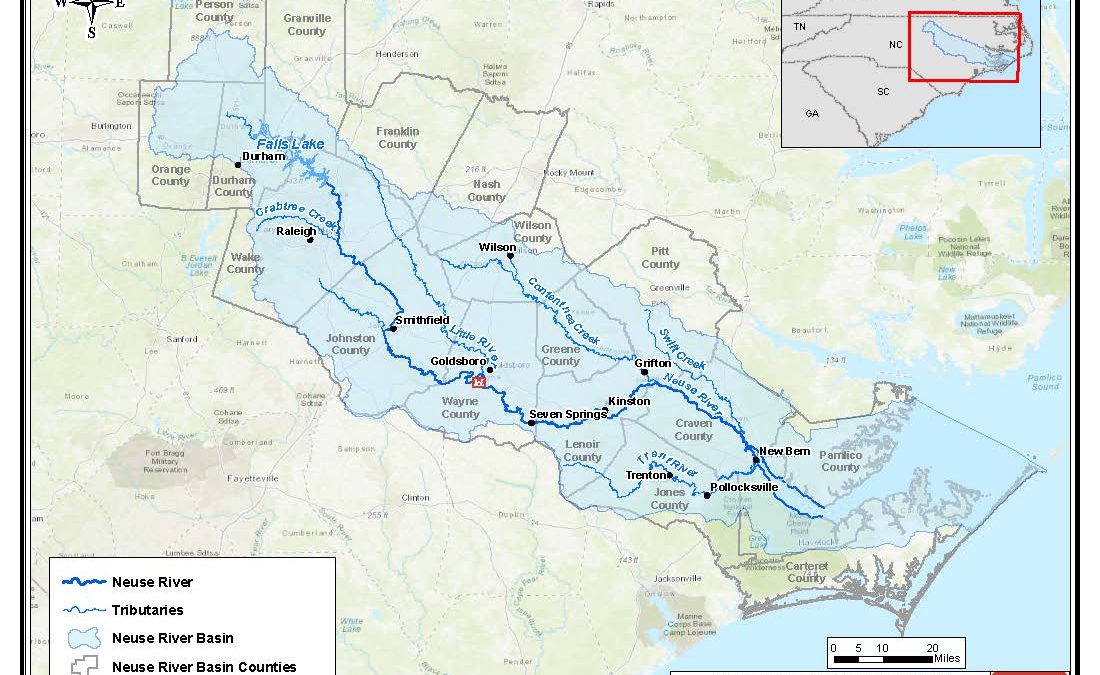
The Neuse River estuary continues to be saltier than normal, particularly for late winter, according to the latest ModMon Project sampling.
science
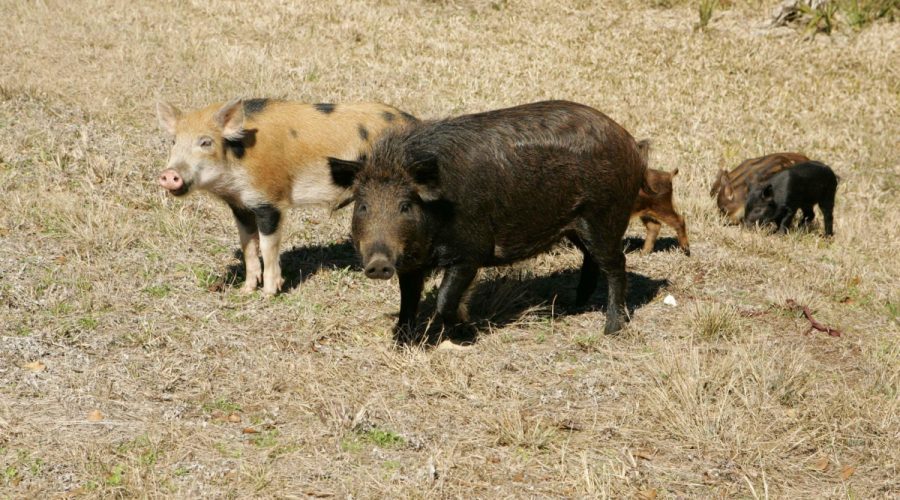
National Invasive Species Awareness Week highlights risks
Biologists, extension agents and foresters here on the North Carolina coast say National Invasive Species Awareness Week, Feb. 26-March 3, is an important time to learn how to limit the spread.
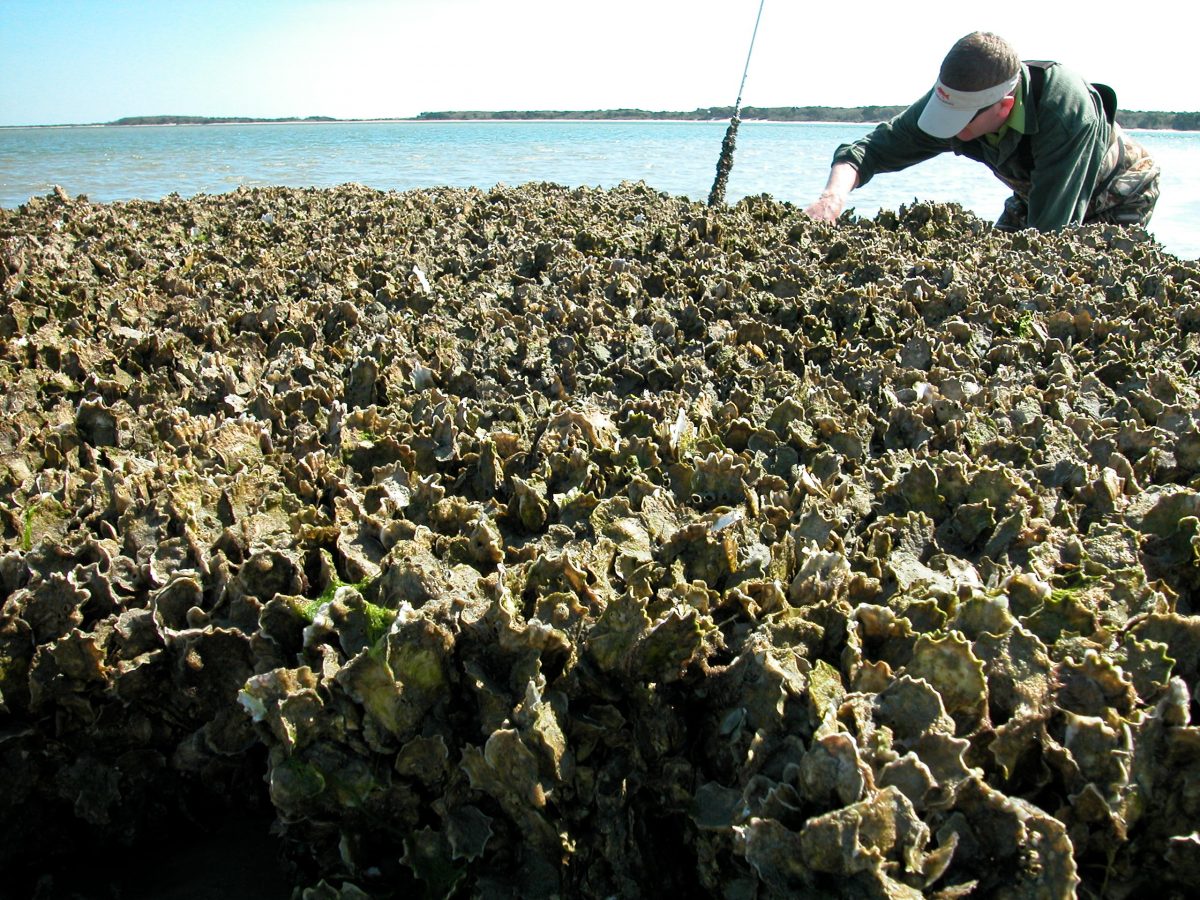
Extensive study aims to help state better manage fisheries
Researchers from multiple universities are working under the North Carolina Collaboratory umbrella to develop recommendations to improve state management of species like oysters.
‘Science on the Sound’ to examine what’s under the marsh
Penn State Professor Emeritus in the Department of Biochemistry and Molecular Biology Dr. James Ferry presents “Life in the Salt Marsh Underground” Feb. 16 at the Coastal Studies Institute.
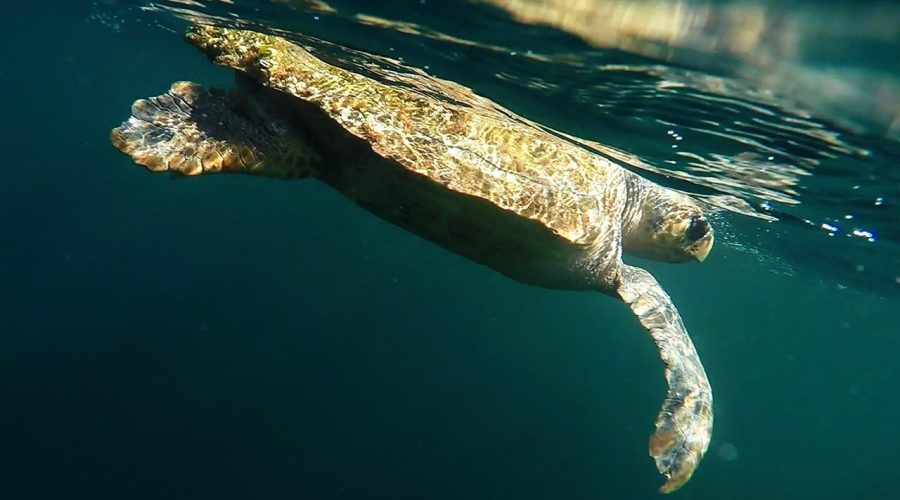
DNA project links individual female loggerheads, nests
University of Georgia research scientist Brian Shamblin leads a study that uses genetic tagging of female loggerheads from southern Georgia to the North Carolina-Virginia state line.
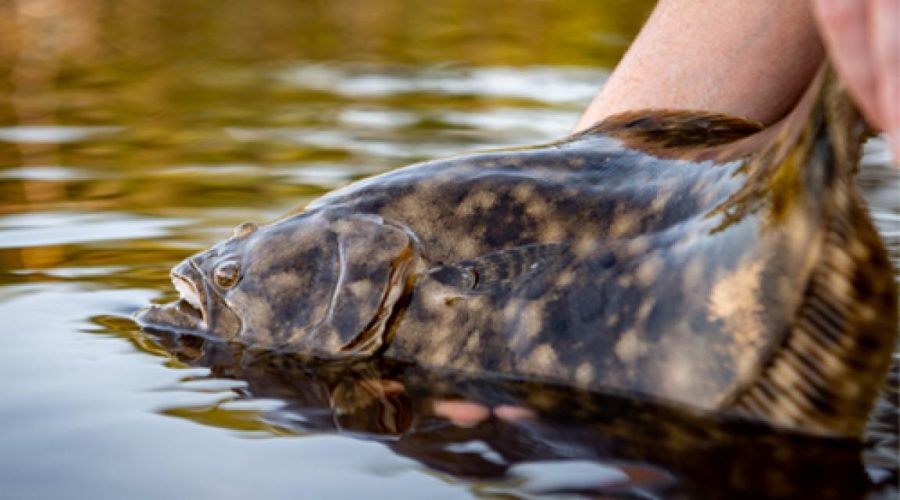
Southern flounder research focus of March symposium
The Division of Marine Fisheries staff invites stakeholders to a daylong symposium to talk about ongoing state research of southern flounder.
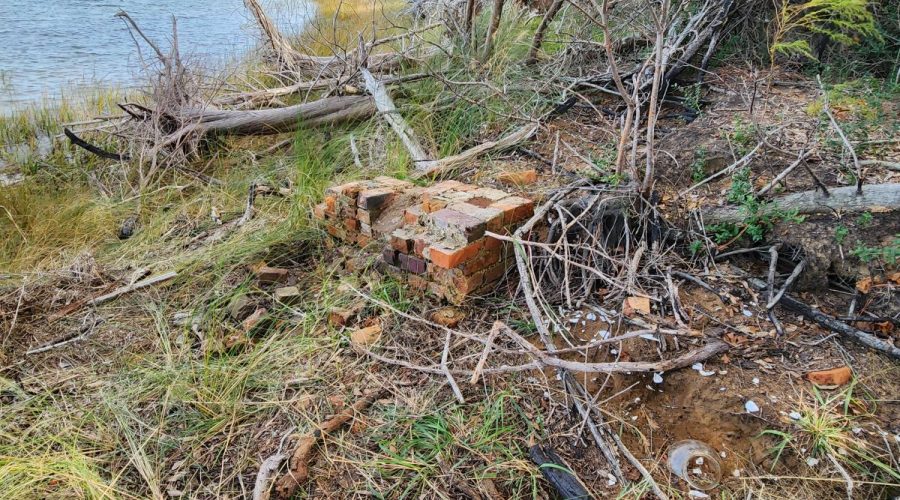
Surveys to guide moves to save cultural sites on state lands
Rising sea levels are increasing erosion along the North Carolina coast, threatening to destroy forever important cultural artifacts on state lands, but archaeologists are working on a plan to protect the sites.
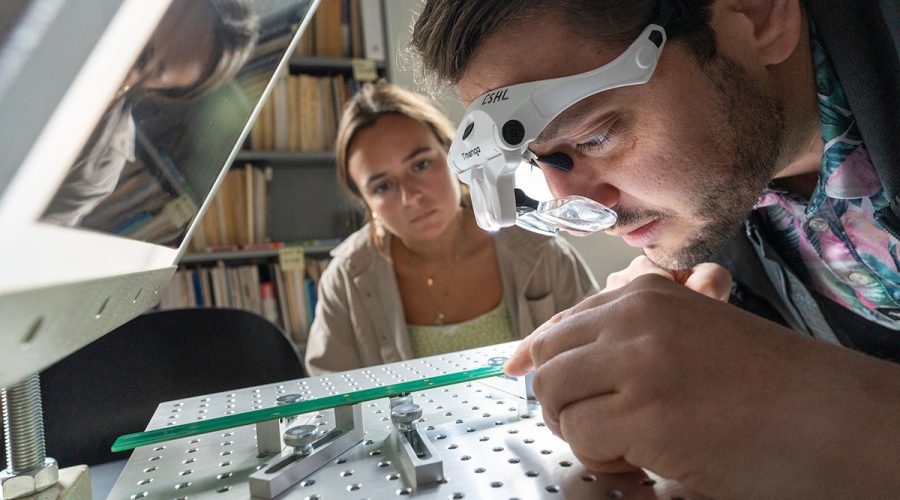
UNCW researchers to study how waves, storms move sand
The team of researchers received a nearly $1 million grant to study over the next two years sand movement under different conditions to better understand storm surge.
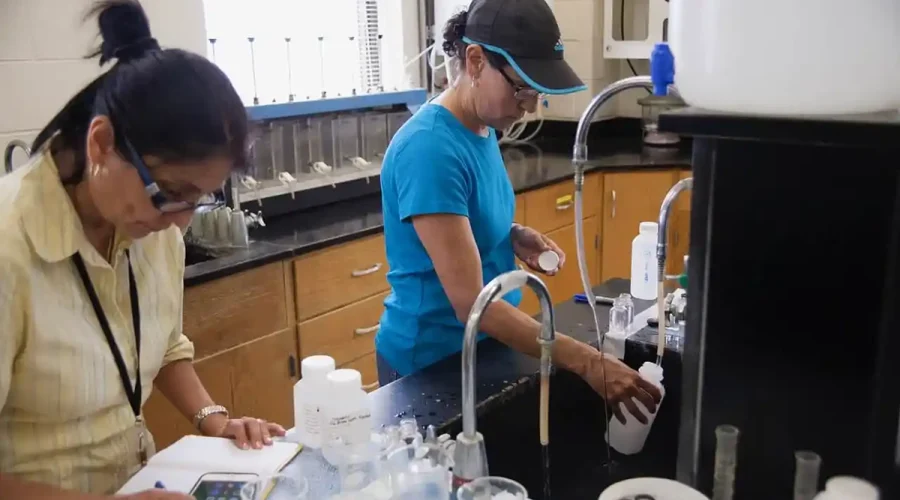
Exposure study evolves to measure PFAS’ long-term effects
Researcher Jane Hoppin, who is leading a study of North Carolina residents exposed to per- and polyfluoroalkyl substances in their drinking water, says the ongoing work will help in understanding how these compounds affect human health over time.
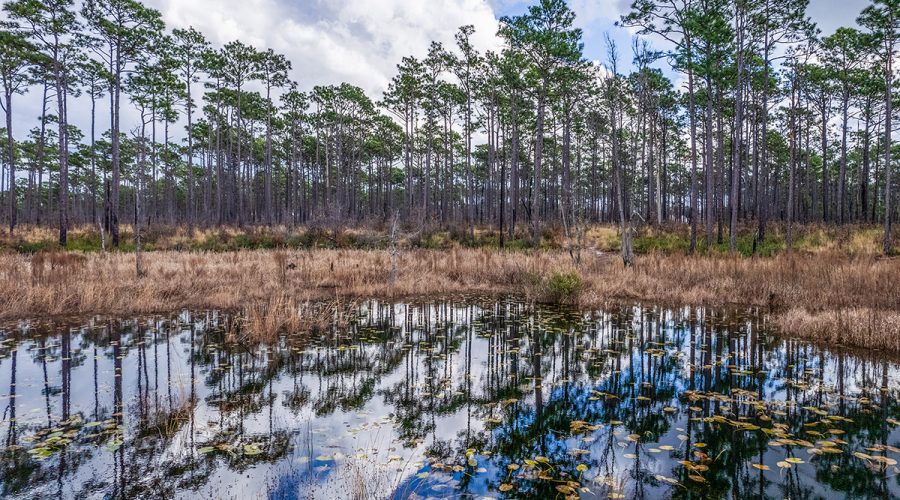
Ecologist revamps NC’s natural communities guidebook
Michael Schafale with the North Carolina Natural Heritage Program provides detailed descriptions of the state’s 343 natural communities, including those on the coast.
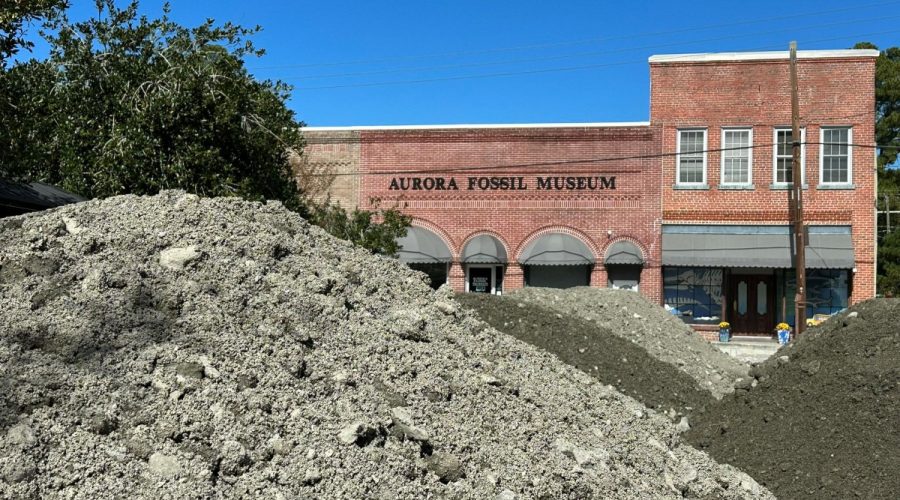
Science centers receive $2.4M to promote STEM education
Several science centers on the coast are among the 53 statewide to be awarded a total of $2.4 million through the North Carolina Science Museums grant program.
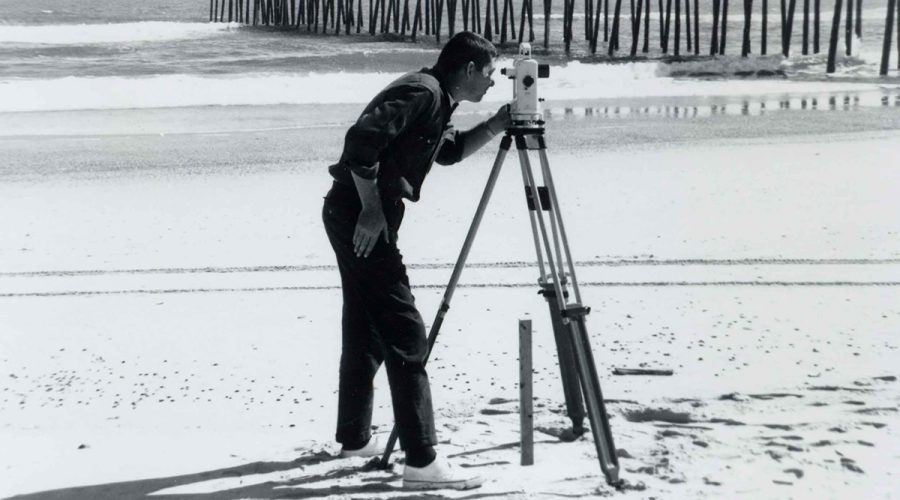
Dolan, Godfrey: Scientists proved Outer Banks are moving
Findings more than 50 years ago by coastal geologist Robert Dolan and husband-and-wife researchers Paul and Melinda Godfrey changed barrier island understanding and led the National Park Service to reverse longstanding policy.

Student study shines light on Outer Banks sea turtle nesting
Outer Banks Field Site undergrads who conducted a four-month study of how artificial light at night affects sea turtle nesting have presented their findings, which indicate conservation efforts may be working.
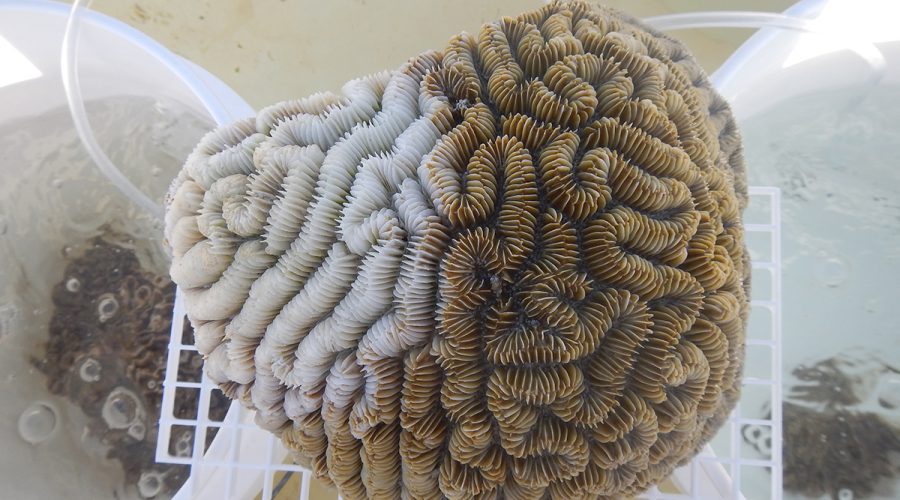
Funding boosts UNCW scientists’ work to stem coral losses
University of North Carolina Wilmington researchers recently received nearly $2 million to further study how to ethically protect coral reefs from being wiped out by disease and climate change.
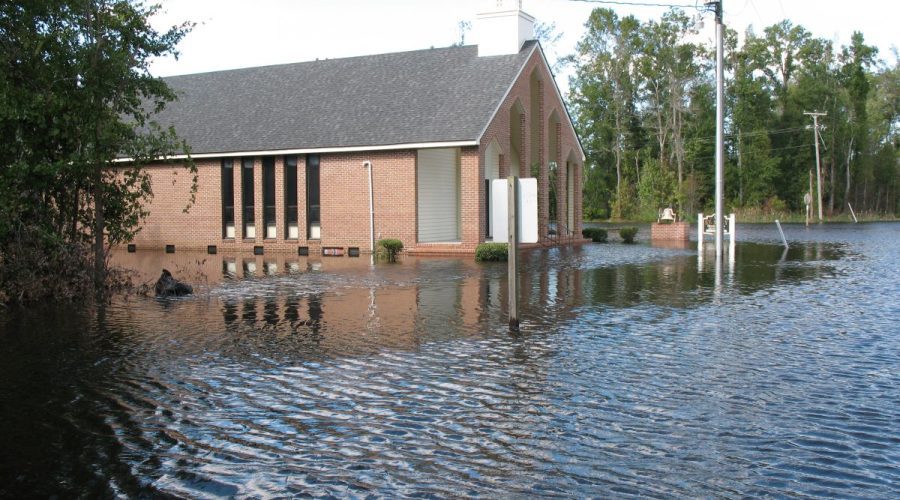
Scuppernong River study takes regional look at water woes
Officials say that because water knows no boundaries, a basin-wide approach was needed to better address water management challenges on both private and public lands.
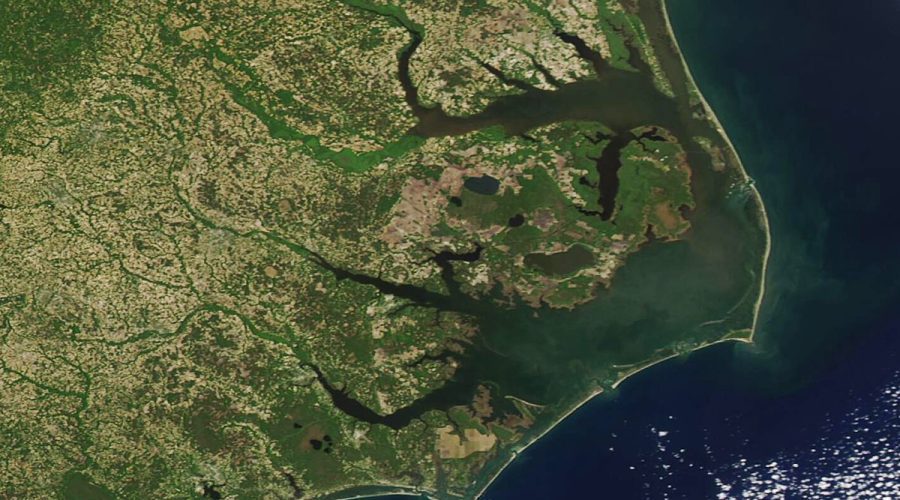
Grant could spur coastal eco-tech hub similar to Triangle
A collaboration of researchers and scientists is working to secure $160 million over 10 years from the National Science Foundation to build an innovation center that’s the ecosystems technology analog to the Research Triangle Park’s biotech boom.