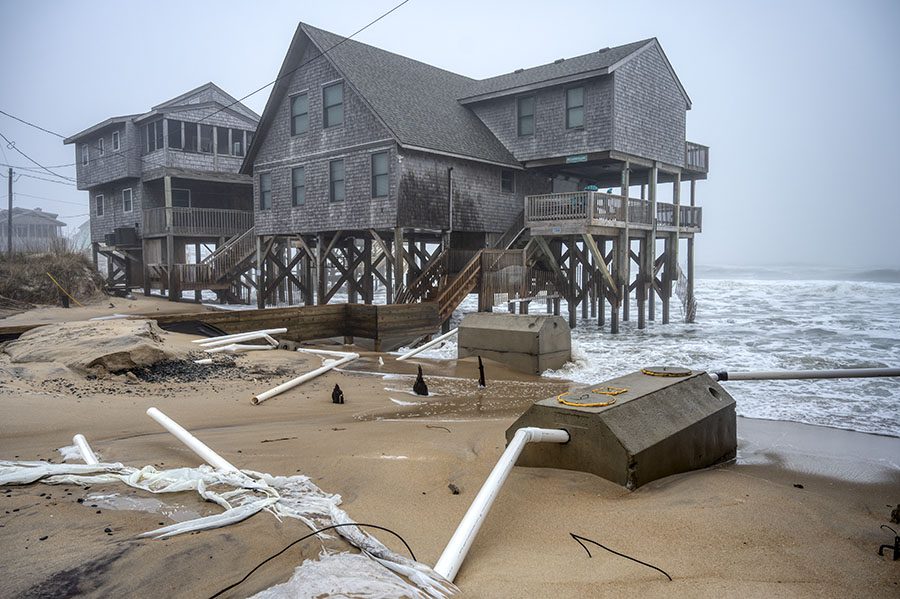
Local governments and federally and state recognized tribes in North Carolina’s 20 coastal counties may apply for state funding to help communities design and implement resilience-strengthening projects.
The North Carolina Department of Environmental Quality’s Division of Coastal Management is accepting applications from municipal and county governments, and tribes that have completed the first two phases, or an equivalent process, of the North Carolina Resilient Coastal Communities Program. Applicants must submit proposed projects that have been identified as a priority project in their communities.
Supporter Spotlight

The division has about $2.5 million in funding for phases 3 and 4 of the program, one that was established to help coastal communities in the state address flooding, storms and other coastal hazards through a locally driven process.
Grant funding for phase 3 supports the engineering, design and permitting of priority resilience projects that have been identified by communities and may also be considered for proposals to develop ordinances or policies that strengthen community resilience.
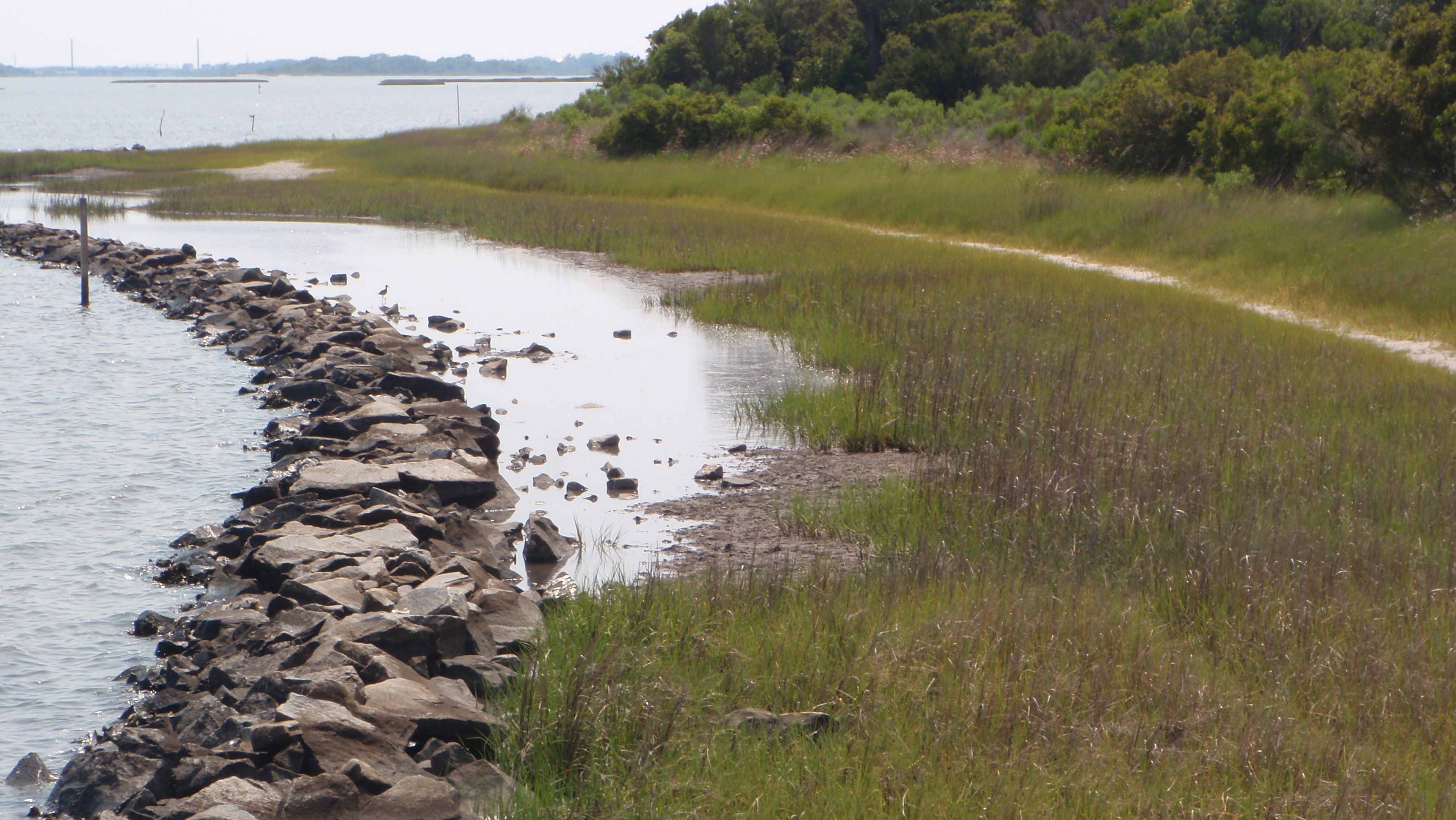
Construction and the implementation of projects that reduce risks to critical assets, people and property from coastal hazards, including flooding, sea-level rise and storm surge, will be funded under phase 4. Those projects should incorporate, where appropriate, natural or nature-based solutions including wetland and stream restoration, flood mitigation, living shoreline stabilization and stormwater management.
The division will host an applicant webinar 2-3:30 p.m. Tuesday, Oct. 13, to provide information about the grants, application process and requirements, and answer questions from prospective applicants. Registration is required.
The application deadline is 5 p.m. Nov. 10.
Supporter Spotlight

The Resilient Coastal Communities Program has over the past five years has awarded 91 grants totaling more $16.3 million and helped 60 communities complete resilience strategies.
Under the program, participating communities are provided technical assistance and funding to identify vulnerabilities, develop resilience strategies and advance projects that address local priorities.