Historic Bath will be bustling with activity in July as Revolutionary era-inspired reenactors representing the colonial navies of Virginia, North Carolina and South Carolina Saturday for “Patriots at Sea: An American Seaport Prepares for War.”
During the living history event scheduled for 10 a.m. to 4 p.m. Saturday, July 25, visitors will be able to speak with the ships’ surgeons and sailors, and visit the Tavern to hear mummers about the simmering war and outrage over British impressment of sailors.
Supporter Spotlight

“The formal navy of the colonies was small, by 1776 there were just 27 colonial warships, but the number of support vessels operating as privateers was over 1,600 and became an important factor in our victory,” according to the site.
Benjamin Schaffer is scheduled to give a talk at 2 p.m. in St. Thomas Church on his new work, “The First Fleets: Colonial Navies of the British Atlantic World,” which delves into the little-known and misunderstood provincial navies established by North American British colonists.
Visitors will have a chance to see what a day in the life of a sailor looks like, meet colonial townspeople teaching children’s games, boatmen will show how to use pitch to caulk a boat hull, and there will be genealogists with local information and on the seaman’s legacy group: Order of the Sea and Sail.
Throughout the day, living history reenactors will give demonstrations on sailmaking, scrimshaw, navigation, ropemaking, ship’s carpentry, spinning and weaving, and open-fire cooking. Representatives from America 250 NC, the state’s official 250th celebration program under the N.C. Department of Natural and Cultural Resources, will be on-site as well.
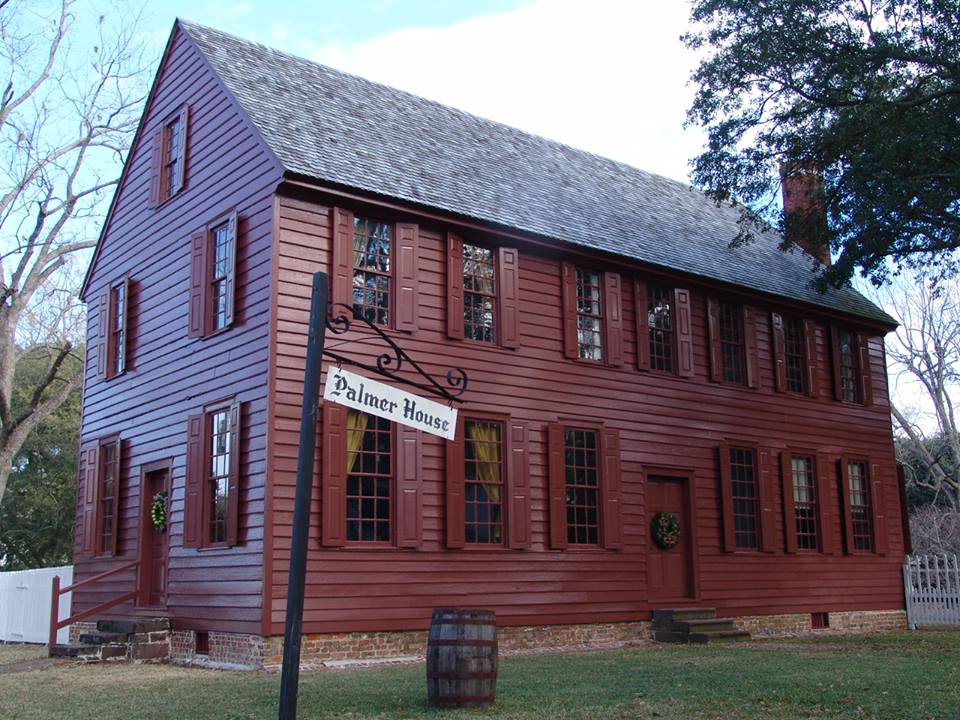
Now a state-managed historic site, Europeans settling near the Pamlico River in the 1690s led to the founding of Bath, North Carolina’s first incorporated town, in 1705. By 1708, the small community had 50 people and 12 houses, and soon became North Carolina’s first port. “While its early years were marked by political rivalries, Indian wars, and piracy, by 1746 Bath was considered for the colony’s capital. However, when county government moved away in the late 1700s, Bath lost most of its importance and trade. Its original town limits encompass a historic district today,” according to the website.
Supporter Spotlight