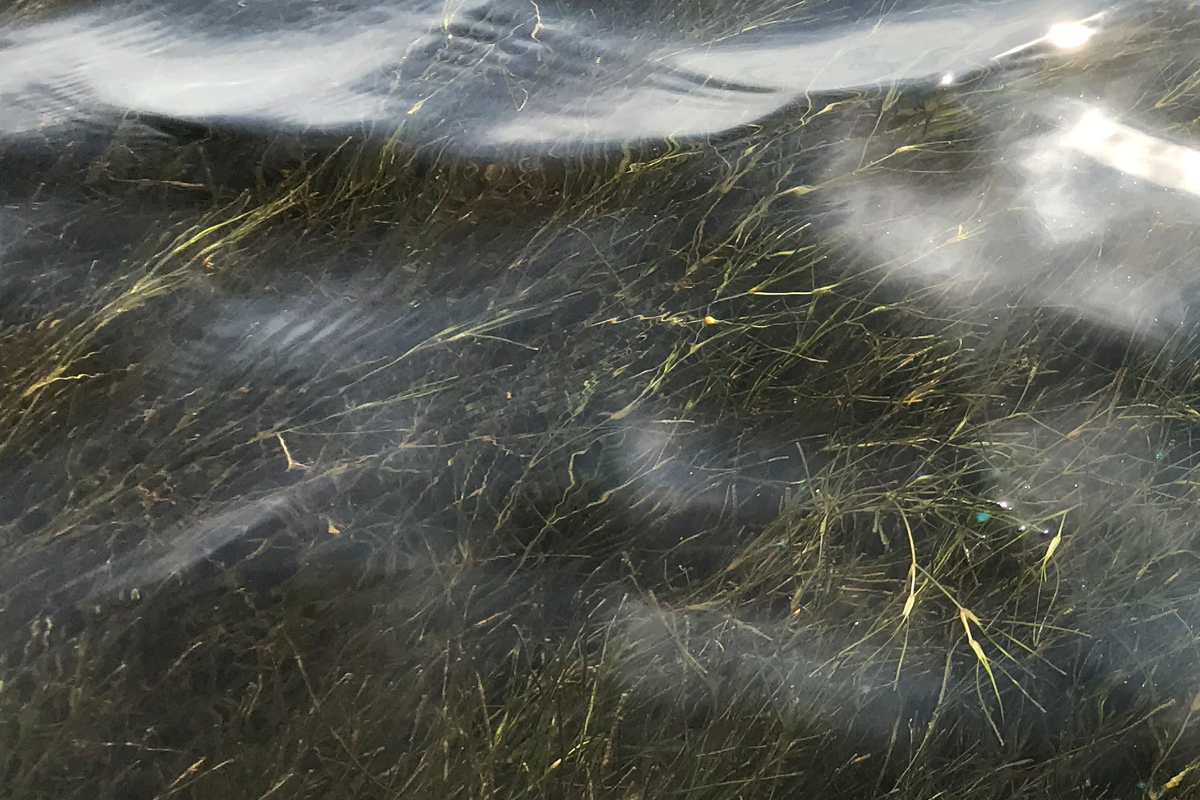
While driving around the roads that parallel the waterways along our coast, you will see canals and channels formed by spartina grass (pronounced: spart-eye-na). As the currents wend their way into and out of these channels, great numbers of aquatic life forms are flushed in and out with the tides. Many of these creatures are moved around at the mercy of the water. The ones we are interested in are not.
A basic understanding of tides is mandatory for success. At the bare minimum it is necessary when fishing these creeks because if you don’t, you can easily run out of water and get stuck for hours. Don’t ask me how I know. But beyond that, the flow creates angling opportunities for the knowledgeable.
Supporter Spotlight
Let’s start with this simple example: It’s late September. As the water starts to cool into the 70-degree Fahrenheit range. Speckled trout will begin to gather in schools. If you are fishing on the wrong tide stage, you may be in the middle of dozens of fish but not catching any. Specks feel comfortable in water that is rising. They like a nice roof over their heads. Most of the time they will bite better on an incoming tide that’s been running for a while in these creeks. The narrower the creek, the more important this can be. Oftentimes you can be in the middle of a really nice bite, and it will shut right off with a click. Check your watch. Usually this will coincide with the change of the tide.
Of course, in fishing, the only absolute is there aren’t any. So, of course, there are certain places where the best trout bite is going to be on the ebb. The only way to find out is to go.
A very popular target to pursue in the creeks, during the open season time of year, is the southern flounder. These are notable for being susceptible to a well-placed live mullet or mud minnow. The preferred tide will be outgoing. If the bottom is smooth, relatively snag-free and deeper than 8 feet, a Carolina Rig with ¼- or ½-ounce sinker will put your hook in the zone. Of course, the problem with fishing in a spot that’s free from snaggy spots usually means fewer flounder. If the water is shallow and full of oysters, rig your bait under a popping cork. These will allow you to stay above the fray, if you will.
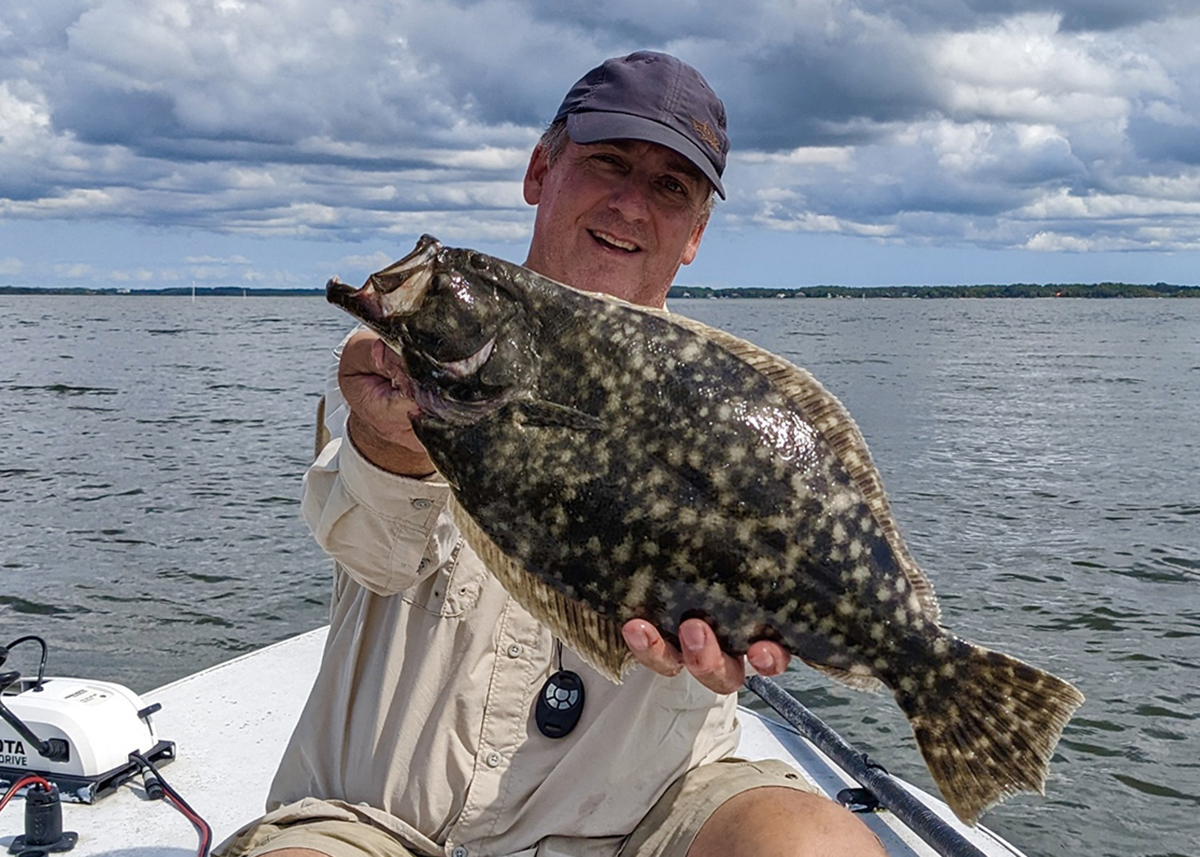
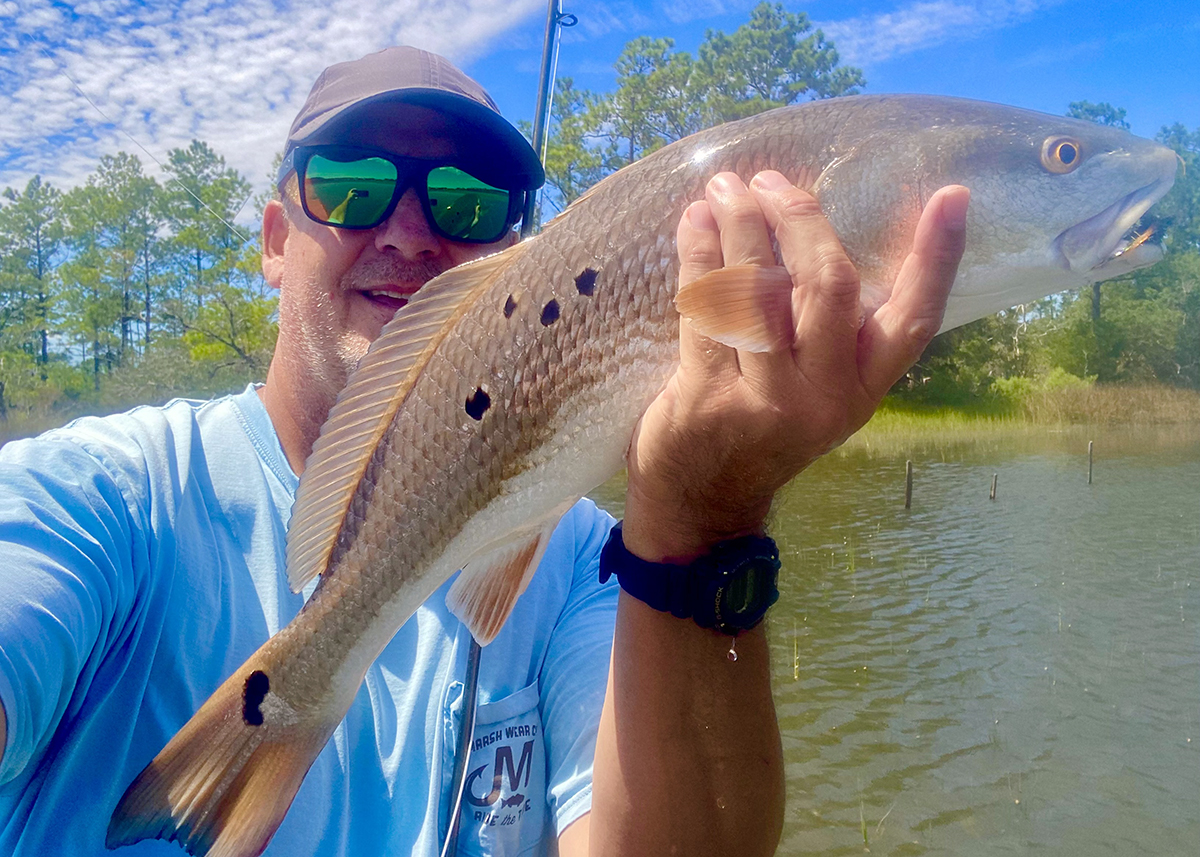
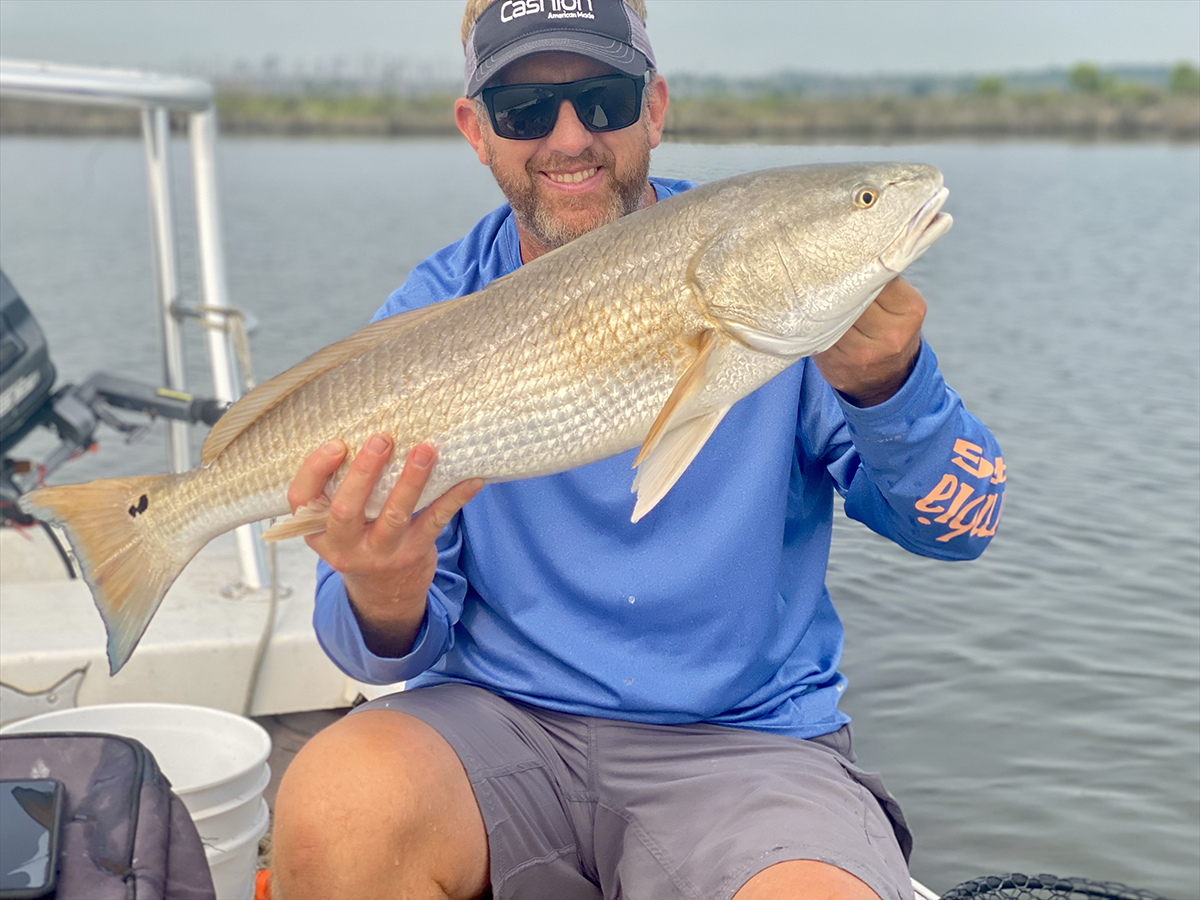
Set up in a spot where a current flows through a cut or past an oyster outcrop. When the cork goes down, you have a customer. It’s best to have a few locations. Give it a half hour or so per location, then move on. Coincidentally, this is a heckuva way to catch red drum in the same places. According to Capt. Rick Patterson of Cape Crusader Charters, a good way to target them is to substitute cut mullet or menhaden for the harder-to-get livies. Of course, the biggest southern flounder that I ever caught in a spartina creek was with a jig during the incoming tide.
Often when we target red drum in spartina, the fish are scattered in small groups or singles and we will have to cover water to find them. There are many popular options for doing so. The gold Johnson Minnow spoon is probably the oldest and most traditional. The original patent was issued in 1923. It’s a great choice for casting around weeds. It has a built-in weed guard. However, if there are a lot of oysters in the waters you’re in, because the tie-in point is directly in line with the hook, they tend to get hung up and are susceptible to being broken off. It’s kind of sad to leave 30 dollars’ worth of tackle in the water. A better option is a tandem spinner bait like those used for bass fishing. It too gets through the weeds nicely. A bonus is the offset tie-in point allows them to bounce off the oyster rocks and come back relatively unscathed.
Supporter Spotlight

If the creek is quite shallow (and the best fishing is usually on a falling tide) a topwater plug may be the only lure style we can find that will enable us to catch fish and not get hung up. My favorites are the Walk-The-Dog styles like the original Heddon Zara Spook, but I’ve had better luck personally with the Rapala Skitterwalk. Something about that dance gets them to smack it.
I was given a lesson by Capt. Rick one day (well, he usually schooled me when we fished together). I was using my typical topwater plug and he used a popping cork with a DOA plastic shrimp. He caught numerous citation-sized trout on a grass flat, and then we went into a creek and he did wonders on above-legal-sized redfish, which were gently released, all while I did not receive a strike … at all. (I’m not bitter). So be prepared to change your strategy if things are not working out at first. Again, the only constant in fishing is there aren’t any.
The last thing I’m going to mention is what to do when the tide is extra high. Sometimes we’ll get the “king tides” and the water gets so high that the fish spread into inaccessible places. That was when I would get in my skiff and pole as far back as I could and see redtails in places that most people don’t think ever have water in them.
That will take an entire story of its own. Since I can’t go myself anymore, I plan to help someone out that wants to try for themself. But that’s for the next time.