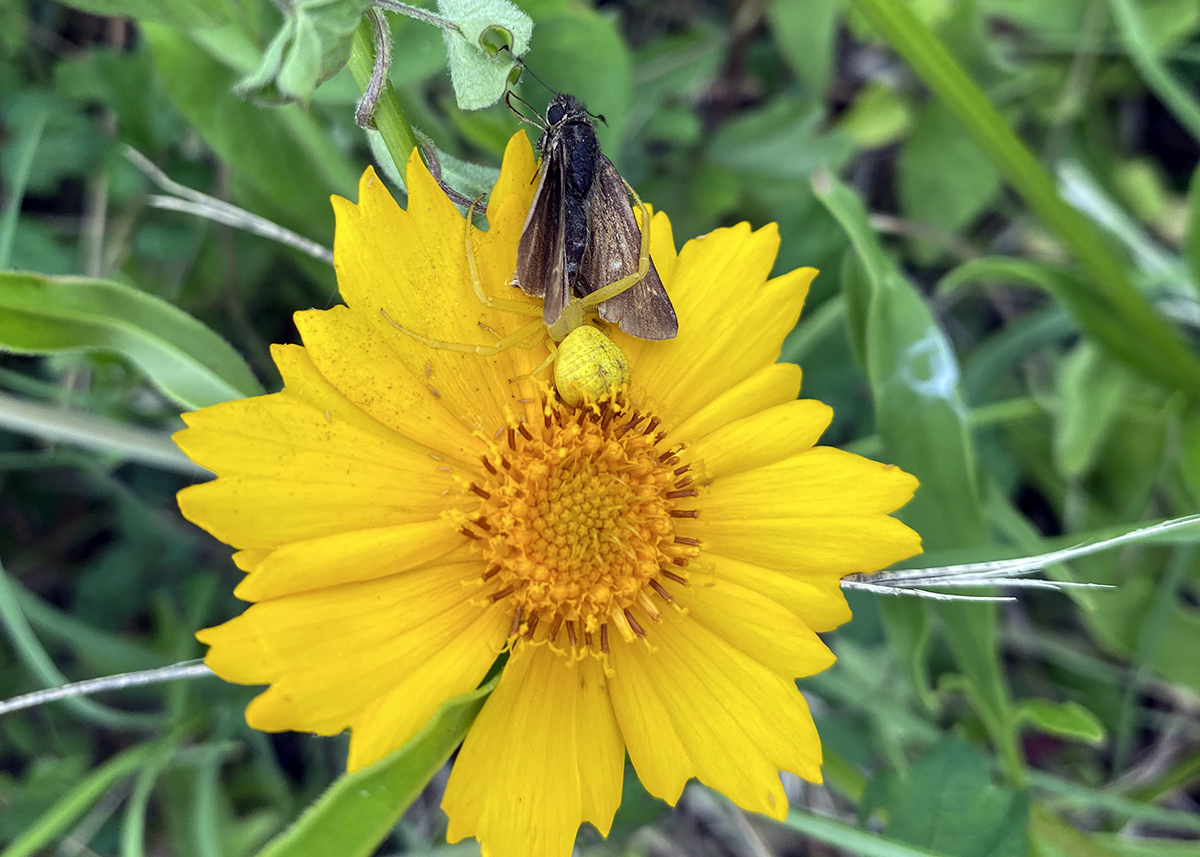
Everybody pretty much agrees that pollinators are important, but why are they important?
Not merely important, pollinators are vital. As vital as pollinators having something to nosh on.
Supporter Spotlight
Which begs another question: Why do plants have flowers in the first place?
Certainly not just to make humans happy, although they do. Flowers have been beloved by generations upon generations of humans, everything from dandelions clamped in a sweaty toddler’s grubby fist right on up to a bouquet of high-dollar roses.
For many of us, flowers mark rites of passage, from a boutonniere pinned to a groom’s lapel to a flower girl’s scattered petals to the bride’s bouquet. A handful of wildflowers on a first date, a bouquet tossed on stage in appreciation for a grand performance.
Often flowers mark a remembrance of a loved one, or grace the altar at church, or beautify the dining table.
Pressed flowers or potpourri extend the memories.
Supporter Spotlight
Flowers come in all shapes, sizes, and colors, delighting the eye. And the scents — from honeysuckle’s light sweetness to gardenias and magnolias perfuming summer air to the cinnamon scent of a bank of wild roses in a tangled hedge — can be irresistible.
Like humans, pollinators are attracted to pretty colors and enticing scents.
While seemingly flitting or buzzing around like a scatterbrained flower fairy, pollinators perform an absolutely essential job.
Parts upon parts
Flowers are composed of many parts.
The petals are brightly colored/scented to attract pollinators. And humans!
Sepals are the little green leaves that wrap around and protect the unopened bud and often become the small leaves just under the opened flower.
The receptacle is the thickened part of the stem which acts as the foundation and anchor for the organs.
A filament is a slender stalk that supports the anther, the pollen producing tip of the male organ.
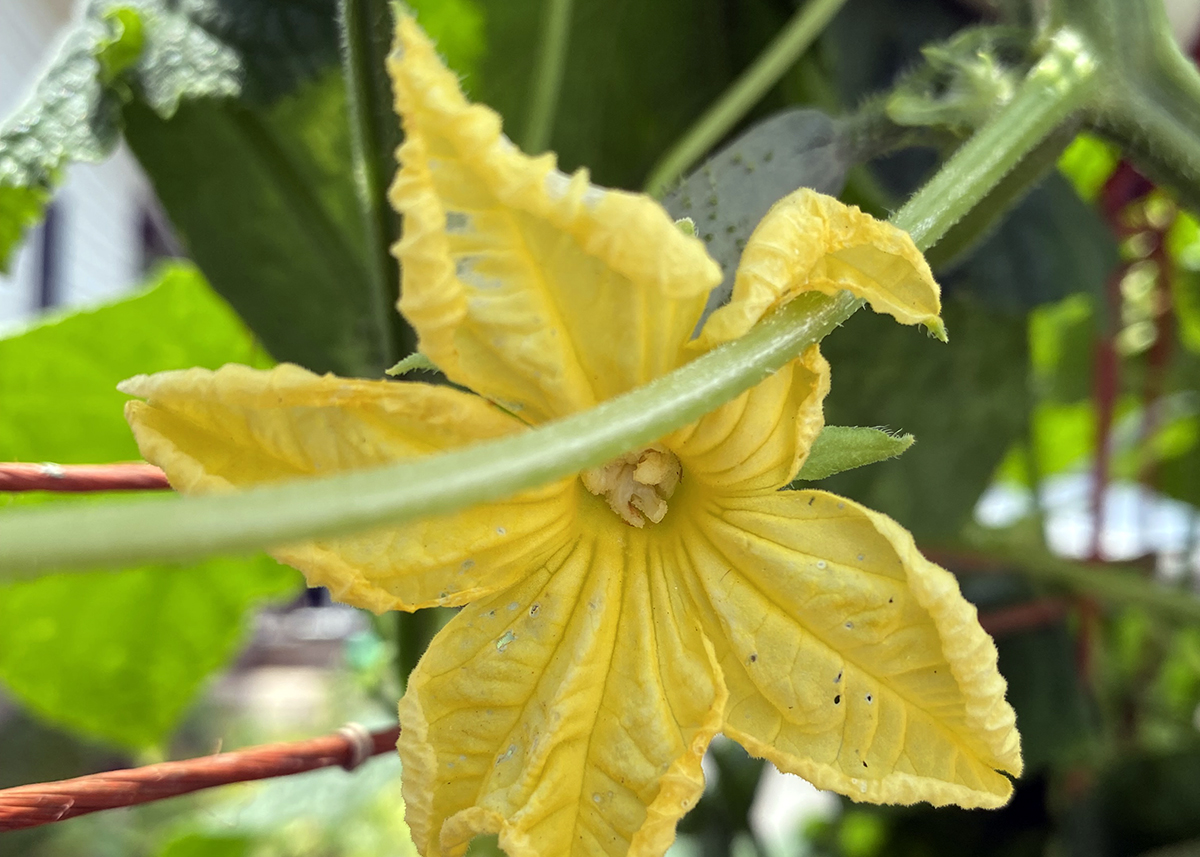
Designed specifically to trap pollen, the stigma is the sticky, often hairy top surface of the female reproductive organ. Next comes the style, a slender tube that connects the stigma to the ovary.
Just like a human womb, the ovary is where a lot of the magic happens. The enlarged base of the ovary contains the ovules, or egg cells. After fertilization, which is where the pollinators and the pollen, not to mention the birds and bees come into play.
The ovary develops into fruit while the ovules become the seeds for the next generation.
Ever seen a teeny-tiny baby squash or cucumber form and then just drop off? Chances are that it didn’t get pollinated. Same thing if your cukes develop into a C shape instead of being long and slender. It got pollinated some, but not enough.
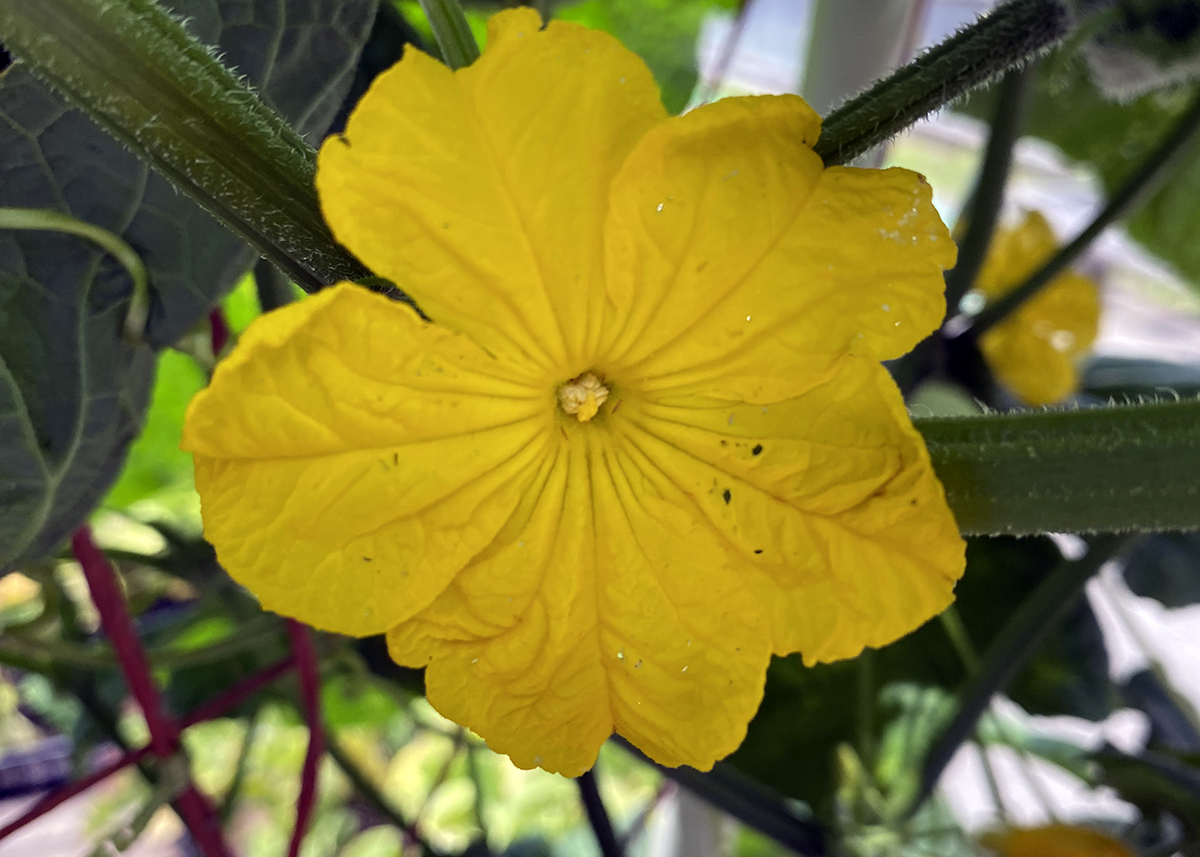
The reason pollinators buzz about, checking out this flower and then that one like an amorous alley cat is, they’re spreading the love. Literally. While some plants are wind pollinated — think corn — most plants need just the right mix of bees or butterflies or moths or bats getting pollen stuck to their legs and carrying it to the next blossom. Comingling, as it were.
“Take some, leave some,” takes on a whole new meaning.
If there aren’t any pollinators, then the magic doesn’t happen.
Starting to get the picture now?
All the flowers in the world won’t be anything but pretty if the rest of the cycle isn’t completed. Flowers, pollen, pollinators, fruit, seed.
If seed isn’t produced, there won’t be a next generation.
The next time your kid wants to pick flowers out of your flowerbed, let them. A flower’s job is to make seeds and ensure the next generation. If, instead of deadheading you let a flower keep its flowers once they’ve fizzled, the flower figures its job is done. It made a flower, made seeds or fruit, done. When you keep picking the flowers or vegetables, the plant goes into high production mode because it feels like it needs to produce more flowers in order to make seeds.
Made for one another
There are absolutely tons of pollinators out there, some so small you may have never noticed them. We all know honeybees and bumbles, but wasps and moths and butterflies, even bats, abound. While there are many different varieties of pollinators, only honeybees make honey.
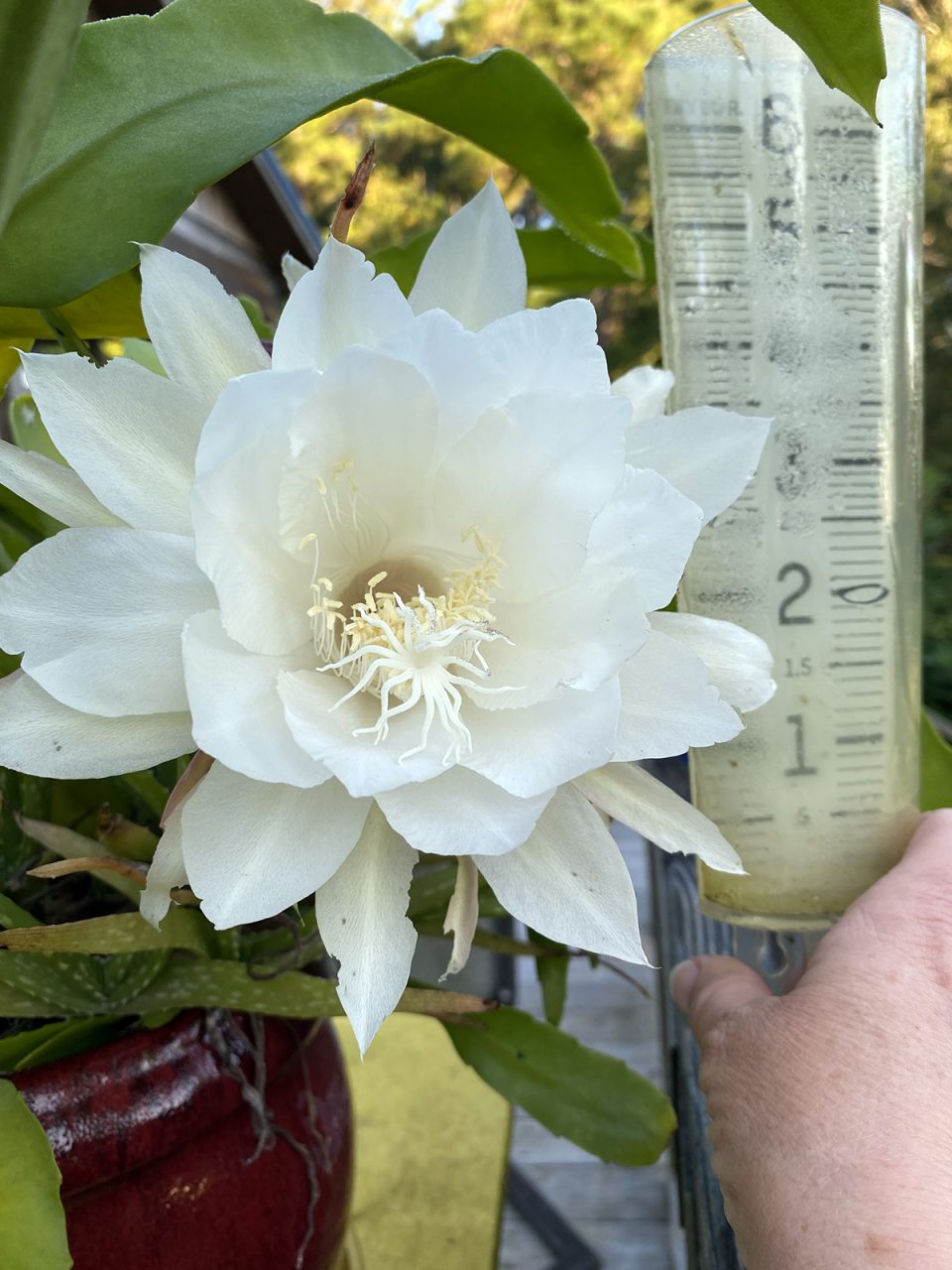
Some flowers have developed in such a way they can only be pollinated by certain pollinators, while others don’t care. Some flowers, such as hibiscus, are huge. Others, like the itsy-bitsy ones on hollies or elaeagnus, are so small you hardly notice them. While we are more familiar with daytime-blooming flowers, just like bats are active at night, some blooms only appear at night.
Some pollinators do double duty. Wasps, for instance. They like sweets, as we all know from watching them hover around our food and sodas. They also enjoy sipping the nectar that flowers produce. More than just a picnic nuisance, wasps are effective predators. They scour cole crops such as cabbages and broccoli, or even warmer-season crops like field peas, looking for caterpillars. They then either sting the caterpillar, paralyzing it, so they can carry it back to their nest to feed their young or they bite the caterpillar into pieces and carry their prey back to their nest, also to feed their young.
Kinda gruesome, but wasps eating the insects that are eating our food is a great thing. Birds and small critters eat pollinators, and bigger critters eat the birds and small critters. So on and so on, right up to humans. Everybody’s got to eat something.
Involving endless partners, all of which are constantly changing direction and intent with all the skill and grace of professional Flamenco dancers, the connection between flowers, pollinators, and humans forms an extremely intricate web of life.
Food becomes prey, prey becomes food.
Pollinators ensure flowers become fruits or seeds, fruits and seeds feed animals and humans.
The seasons turn and the cycle begins all over again with Spring and blooming things. Seeds germinate and grow, flowers bloom, pollinators pollinate, and the seeds and fruits feed the next generations …
… as long as there are pollinators.