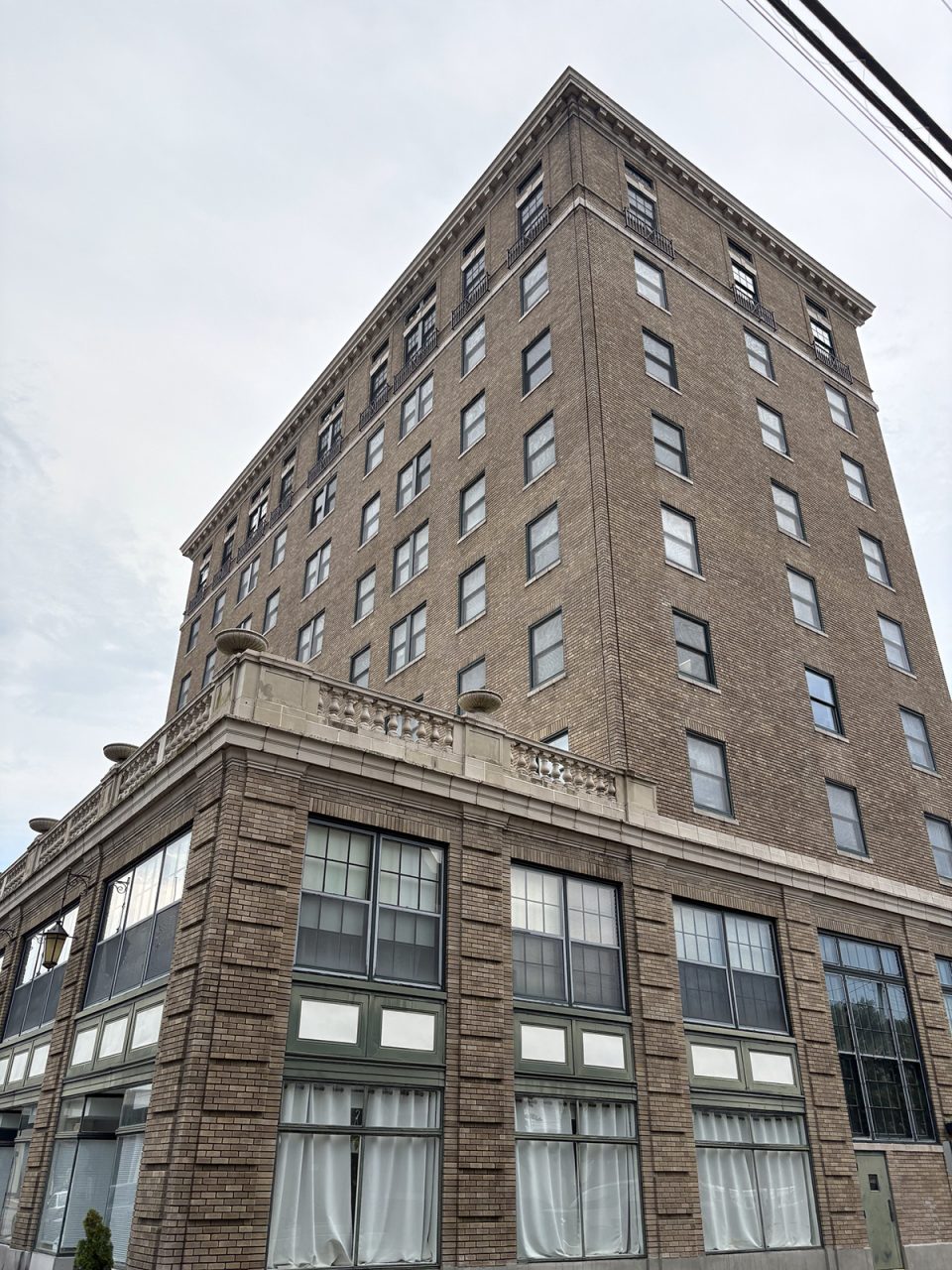
The term “skyscraper” often evokes a Northern metropolis full of towering masses of steel, thousands of panes of glass, and the occasional King Kong sighting.
In reality, a skyscraper is just a multistory building with a frame made of steel instead of a load-bearing mass of wood, brick or stone. With such a broad definition, the skyscraper is part of the social and economic fabric of nearly every city and sizable town in the country. Elizabeth City is among these cities. While its population has never exceeded 19,000 residents, the city does boast one skyscraper that is more than 100 feet tall. That building is the Virginia Dare Hotel, downtown on McMorrine Street.
Supporter Spotlight

The Virginia Dare Hotel was part of a regionwide emergence of Southern skyscrapers in the 1910s and 1920s. Southern companies wanted to take advantage of new technology and construction techniques to build higher than ever before. These structures were nowhere near the size of the behemoths in Chicago and New York, where buildings topped 300 feet by the 1890s and reached 700 feet by 1913. Southern skyscrapers were more modest, with lower heights and light ornamentation, often boasting a few sculptures or terra cotta details.
It is remarkable to consider the size of towns that could handle a steel-frame skyscraper. Elizabeth City in 1930 had about 10,000 residents, while the town of Sanford built a five- and six-story steel-frame building at a time when it had less than 5,000 residents.
One of the most common occupants of Southern skyscrapers was hotels. The skyscraper hotel, perfected in New York with the Plaza and the Park Savoy, catered mainly to business travelers and white-collar city workers. Elizabeth City in the 1920s was certainly a potential home for a hotel skyscraper. It was the largest city for 50 miles and an important trading post on the Albemarle Sound, the nearby Albemarle and Chesapeake Canal, and the Norfolk Southern Railway. The city in 1924 had dozens of insurance companies, four investment firms, three mortgage companies, and two laundries, one of which was labeled “Chinese” and likely run by one of the 64 Chinese-born individuals in all of North Carolina at the time. These many modern businesses, along with the nearby Outer Banks, drew a wide variety of travelers who could appreciate the modern amenities a skyscraper hotel could offer.
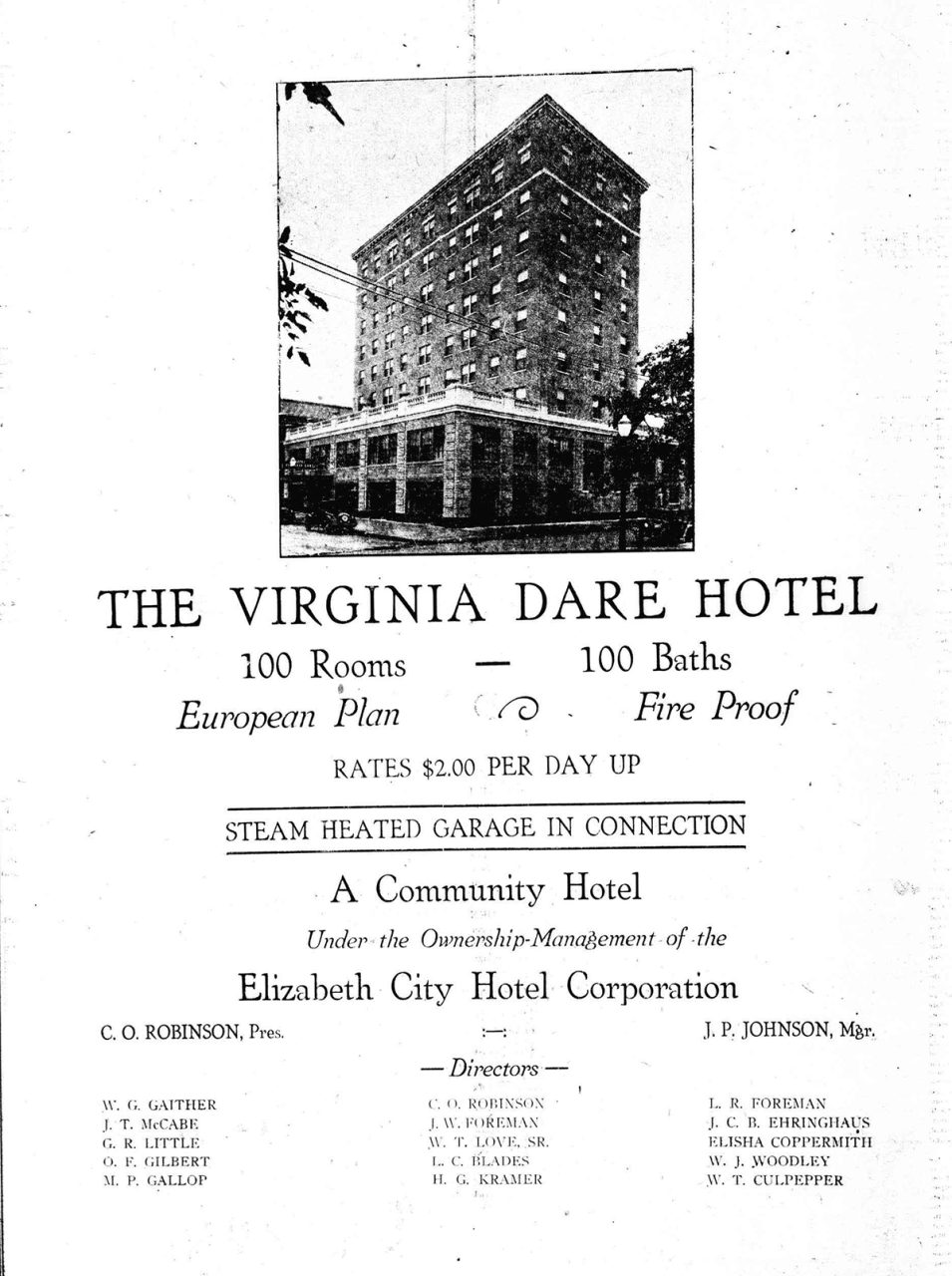
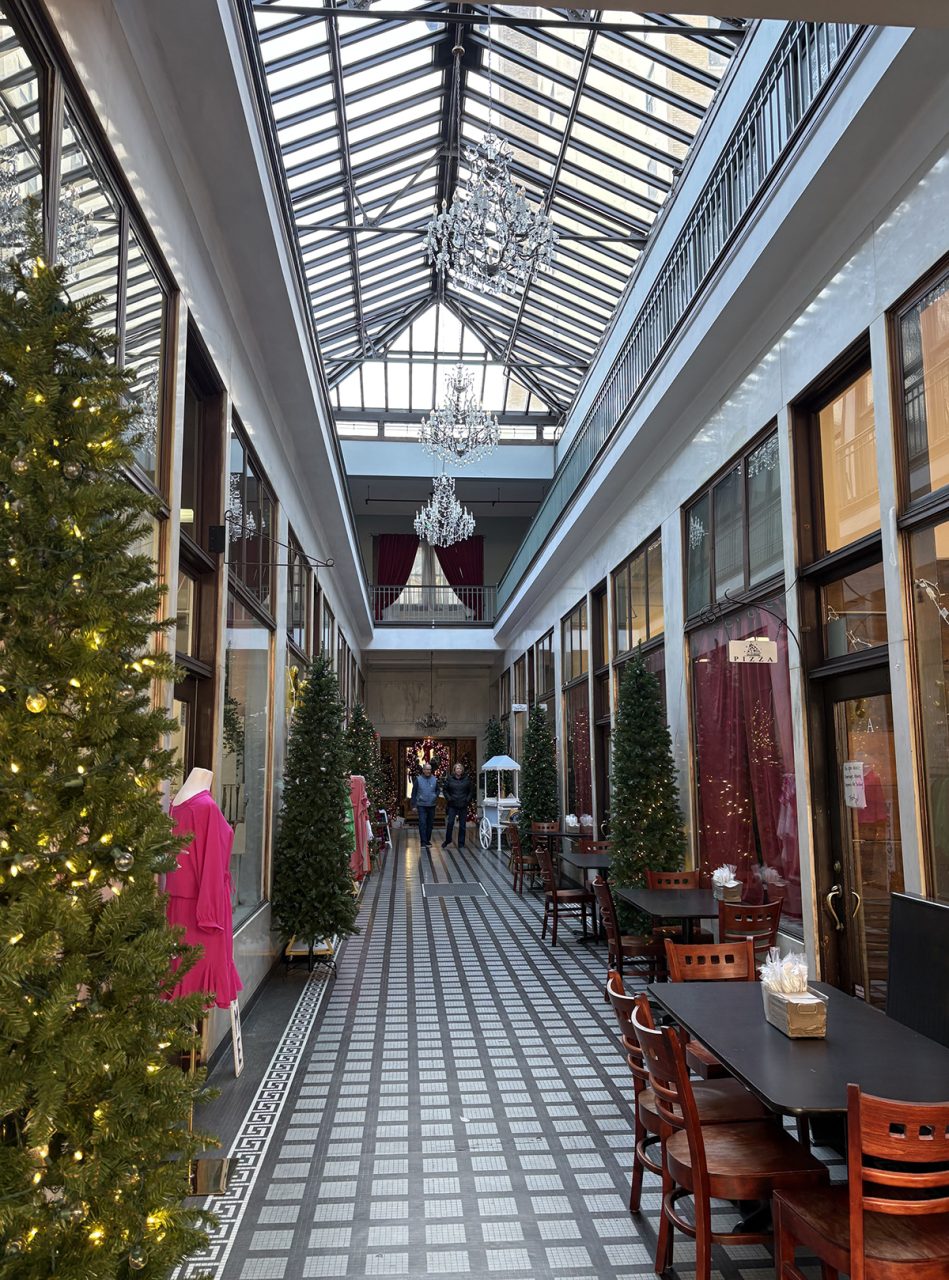
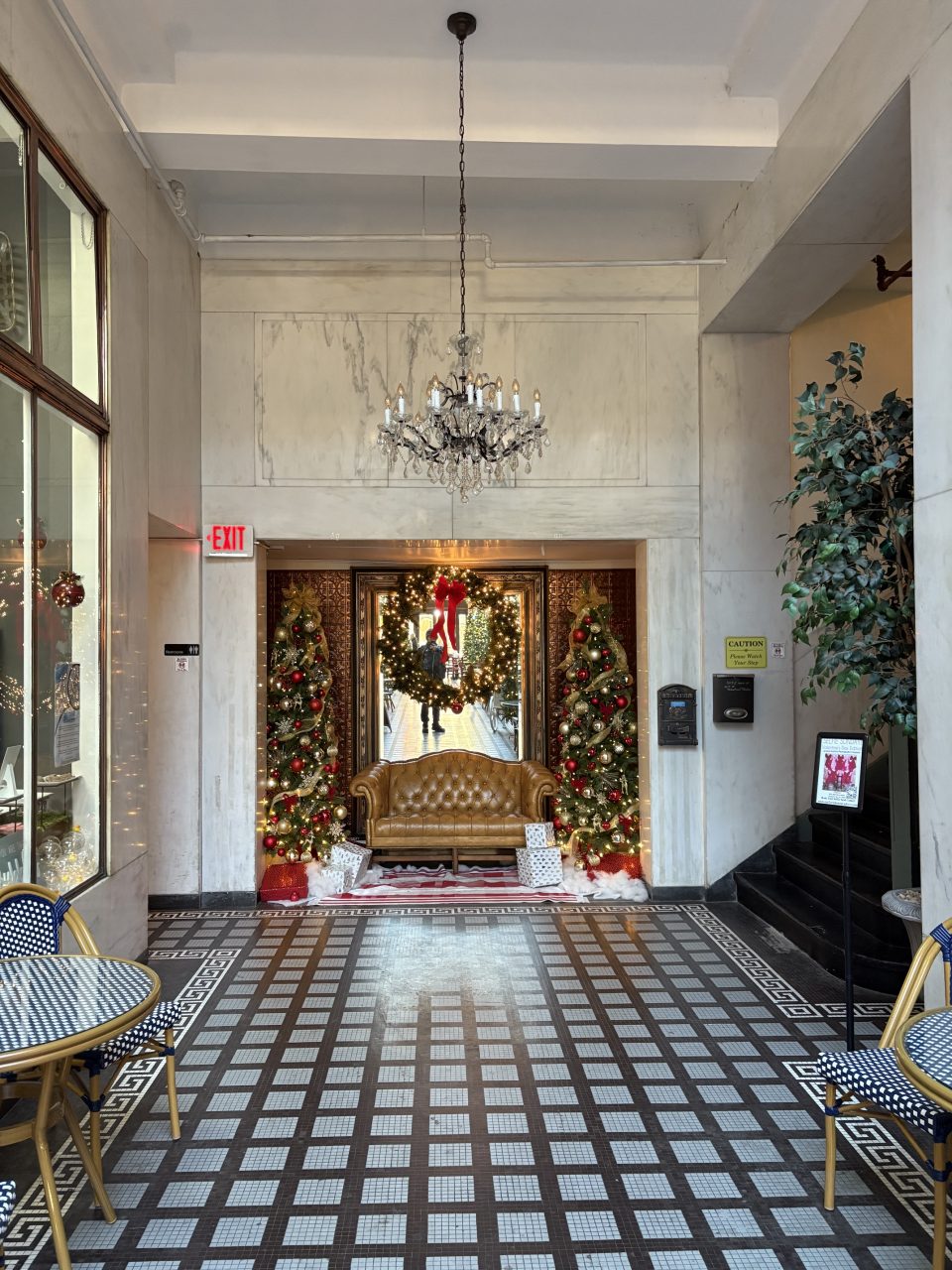
Completed in 1927, the Virginia Dare Hotel provided many of the modern amenities that these travelers expected. With a construction group organized by the local Kiwanis, the 100-room hotel cost about $500,000 to build. The nine-story hotel offered private baths, a telephone in each room, posh furnishings, and an attached garage with steam heat. It sat atop a shopping arcade that housed cotton brokers, gift shops, and a hat store in its early years.
The heyday of the Virginia Dare Hotel was relatively brief. Skyscraper hotels floundered in the 1950s as railway travel waned. Travelers wanted inexpensive, family-friendly accommodations where they could park their cars. They wanted to stay at new, modern, and inexpensive motels. Even though many downtown hotels like the Virginia Dare had parking decks, they were built for an earlier age’s cars. Many big hotels were not located on major highways, and when they were, their sumptuous decorations did not appeal to families on car trips.
Supporter Spotlight

By the 1960s, moreover, these buildings were becoming old and old-fashioned, with repair and renovation budgets unable to keep up. Many of the famed skyscraper hotels throughout the nation fell on hard times in the years after World War II, with the Park Savoy in New York being torn down in 1965 to make way for a nondescript office building.
The Virginia Dare was no different. It closed in 1971 and lay vacant for several years in the 1970s, according to the News and Observer’s Feb. 8, 1971, edition. The closing of the Virginia Dare symbolized a long period of decline for Elizabeth City. Many of its large shipping, lumber, and railroad-related businesses closed in the years after 1950, although the last large vestige of industrial Elizabeth City, its textile mill, stayed open until the 2000s. The city lost population in the 1970s for the first time in over a century.
Unlike numerous other skyscraper hotels, the Virginia Dare Hotel has received new life in recent decades. It has been part of a long trend of historic hotels being reimagined as affordable housing under various federal Housing and Urban Development programs. These programs provide rental assistance, tax credits, and other funds to help renovate historic structures and convert them into safe, affordable apartments for thousands of low-income families throughout North Carolina. HUD programs have also preserved other notable skyscrapers throughout the state, from the famed Sir Walter Hotel in Raleigh to the Kinston Hotel and Goldsboro’s Waynesborough Hotel.
The process of renovating the Virginia Dare occurred in fits and starts during the next few decades after 1971. While it opened for affordable housing soon after the closure of the hotel, the process of keeping the decades-old building safe and habitable for a large elderly population was a challenge.
Debra Stallings worked as a maintenance technician for one of the most recent managers of the Virginia Dare. She noted that the building was a unique challenge for any affordable housing company in rural North Carolina, a region without many tall buildings.
Stallings recalled that the view from the top floors was “beautiful,” and that “it felt like water as far as the eye could see.” But in exchange for such views, the management company had to deal with a myriad of problems including old plumbing, clogged trash chutes, and ancient elevators. Stallings had to help tear down the old water tower perched atop the building and hire a crane operator in order to make repairs to the building’s HVAC system. She remembered once when the elevator broke and needed a replacement part from Virginia. She, other staff members, and tenants had to take turns hand-cranking a service elevator so residents of higher floors could get out of their apartments.
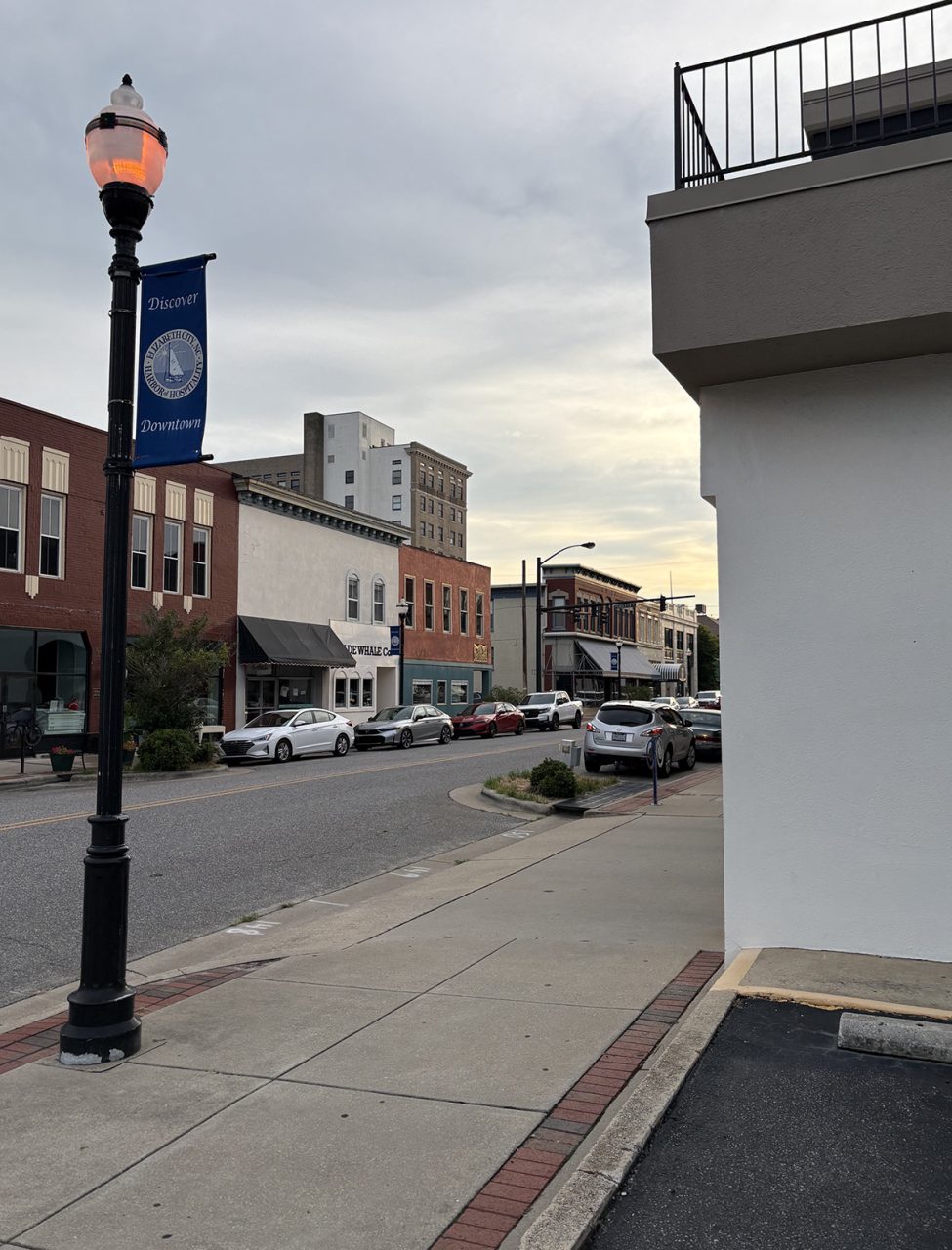
Today, the Virginia Dare still stands proudly above the Elizabeth City skyline. Its shopping arcade contains a barber shop and one of the town’s most popular bakeries. The apartment complex is owned by Tredway, a national affordable housing company with properties in states from New Jersey to Nevada.
The firm entered a new 20-year commitment to the Virginia Dare back in 2023, so that for the foreseeable future, the venerable former hotel will continue to serve the local community, providing a needed resource at its home on the Albemarle Sound.
Coastal Review will not publish Friday, July 3, in observation of the Fourth of July holiday.