Since time immemorial, humans and weeds have — for the most part — coexisted quite happily. For a great part of that time, weeds weren’t just something to be gotten rid of at any cost, these weeds were vital resources, used for food, medicines, dyes, textiles, insect repellants, and even building materials.
What constitutes an actual weed, other than the fact we humans don’t like a certain plant? A weed, by definition, is a plant growing where it’s not wanted. So, corn growing in a cotton field or a watermelon growing in your yard could technically be termed weeds.
Supporter Spotlight

A broader definition for weeds might be plants that are harmful to humans.
But are weeds really harmful to us? Unaesthetic, perhaps, to our order-seeking minds.
Some obviously don’t like us, poison ivy (Toxicodendron radicans) for example, or sandspurs (Cenchrus echinatus). Think the grumpy old man who doesn’t tolerate kids on his lawn, maybe throws an occasional rock and yells a lot. He’s still a human, albeit not a very likable one.
Humans spend an inordinate amount of time and money trying to eradicate plants we don’t like. My personal theory is that the harder a plant is to kill, the better and more beneficial to humans it is – like, cures cancer beneficial. Like a bored teenager in high school, we’re just too hardheaded to take advantage of the wisdom the teachers are imparting.
When exactly did eliminating weeds become such a major thing? Used to be, we let weeds grow where they wanted, for the most part. If you lived on a farm, the yard around the house was kept mowed, but other than that … there was a path to the barn. A path to the creek. To the fields. The rest was left natural.
Supporter Spotlight
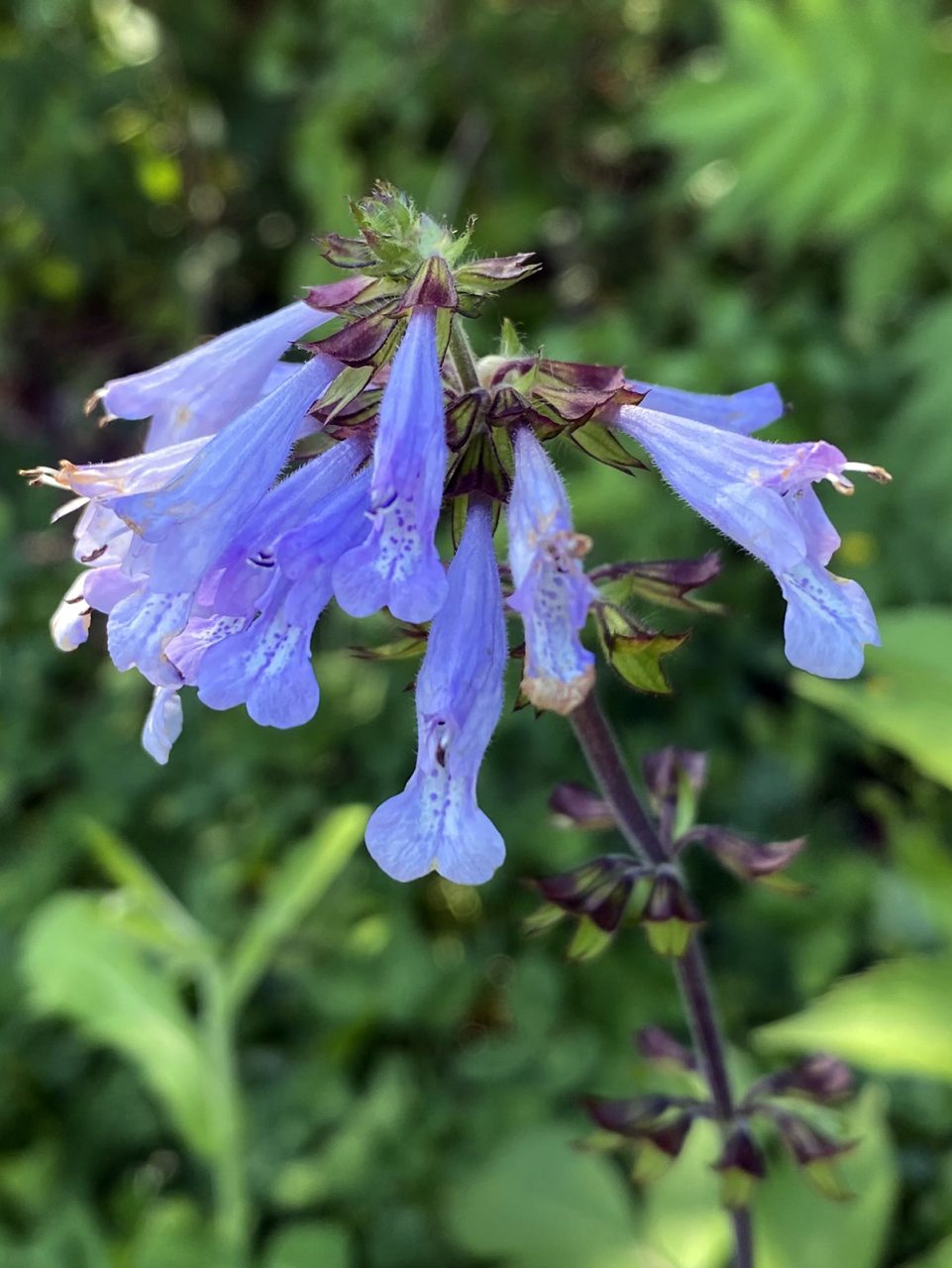
Somewhere along the way, perhaps with the need to keep a garden weed-free so our chosen veggies would grow …
… or maybe it was the advent of modern medicine. Who wouldn’t rather take a pill than choke down a disgusting wad of mushed-up leaves?
… or when chemical substitutes for everything became popular, never mind the side effects.
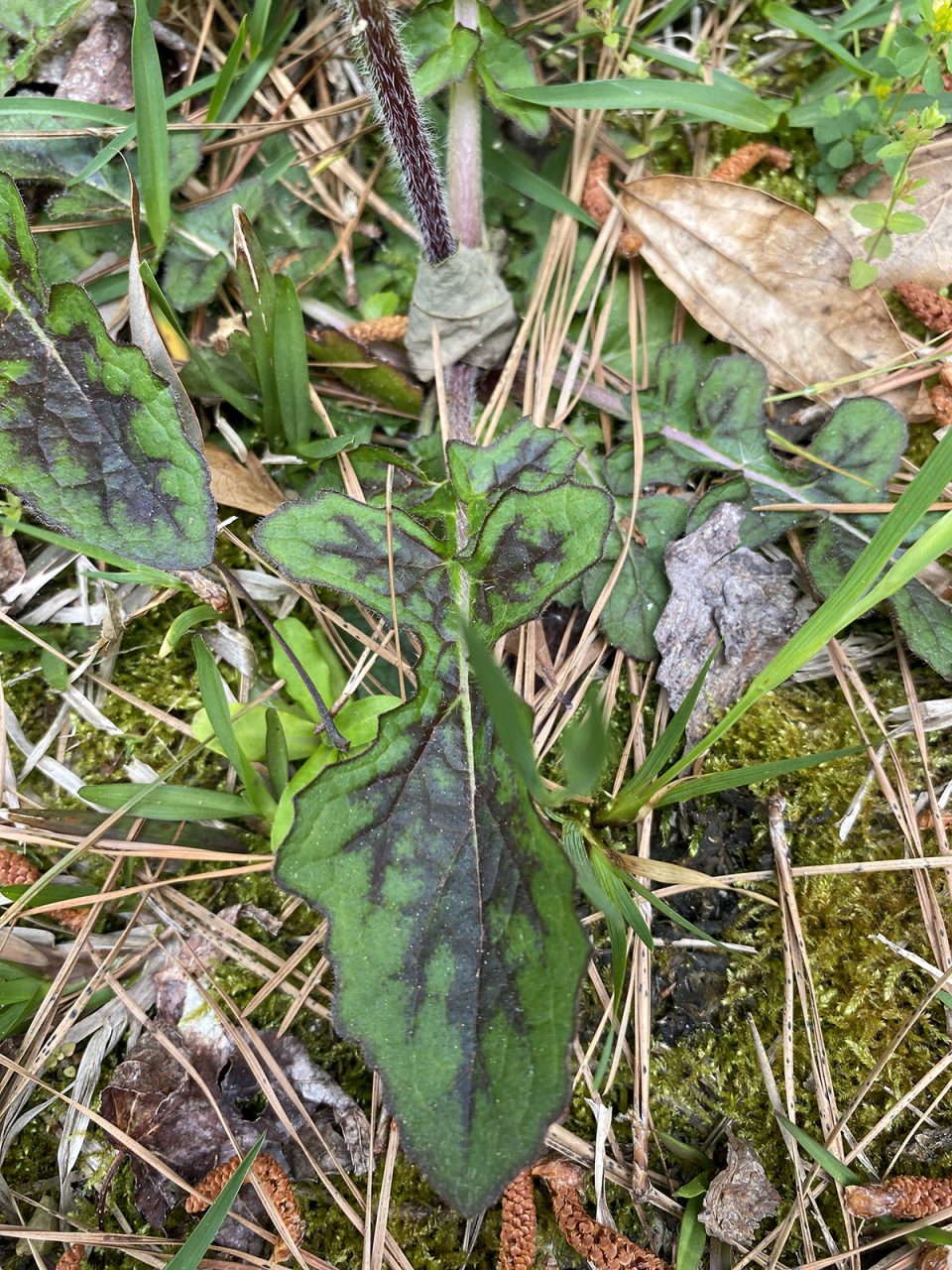
All of those combined with the advent of high-powered lawnmowers and suburban lawns and the competition to see who could grow the greenest grass made us lose sight of the value of weeds.
Instead of utilizing their value, we mow them, spray them, dig them out, and cuss them when we can’t kill them.
And in all that kerfuffle, the natural order of things got skewed all out of whack.
Our mindset changed, kind of the way some people get upset now if a dog eats a bone. Dogs have been noshing on bones as long as humans have been utilizing plants.
Bones, per se, are not bad for dogs. Dogs are supposed to eat bones. Bones are really good for dogs.
But not cooked bones.
As our gradual loss of knowledge about so-called weeds continued unabated and our growing misdirection as to their purpose, feeding dogs bones became a thing of the past. Bad information was passed down from generation to generation until it solidified into erroneous fact.
So, in our quest to have a weed-free garden, or a golf course-worthy lawn, we’ve lost sight of just how good weeds can be for us. And not just us. Pollinators need a steady source of plants and blooms, which weeds happily provide. Weeds provide shelter, food, someplace to lay their eggs, someplace for the newly hatched young to shelter and feed.
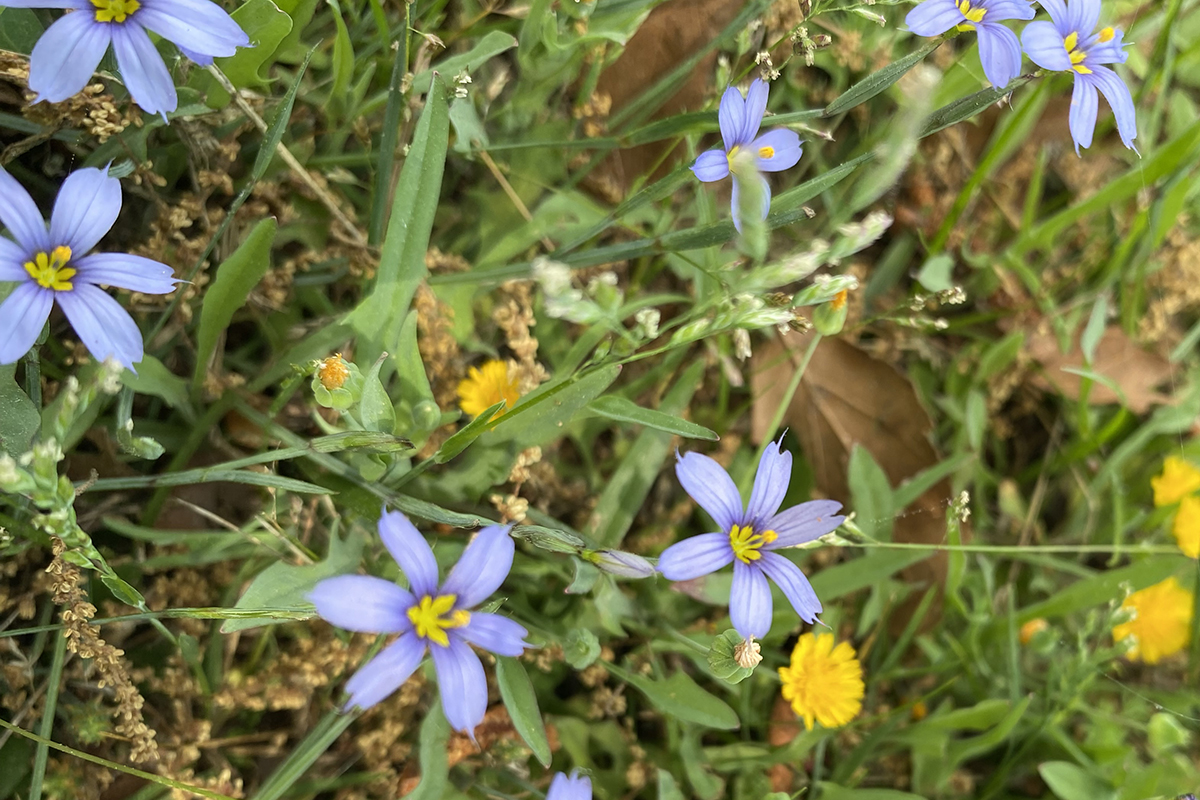
Weeds, with their plethora of colors and shapes, provide us with much beauty. While weeds are often not as showy as deliberately planted flowers, they have a delicate beauty all their own.
Oftentimes, where weeds are growing can tell you much about the environment. Things like how wet or dry your soil is, the pH, whether the area gets more sun or more shade.
Like ever-elusive morels, people used to seek out specific weeds. They knew where to find the ones they wanted or needed, when to harvest for the best effect, and what part of the plant they needed, whether it be leaf or root, bark or blossom, or seed.
That said, gardening is a much more dependable — and often tastier — food source than foraging.
With the advent of technology, humans have gained great knowledge. But it’s knowledge of an entirely different kind, about entirely different things.
In the last hundred years or so, supplanting knowledge gained over thousands of years about the natural world, humans have possibly lost more hard-won knowledge about plants than during any other time in human history.
Thankfully, people are realizing just that, and working to change the tide.
People are re-learning to nurture natives, to mow later so the weeds have a chance to bloom and the pollinators a chance to feed. Even a tiny patch can be a great benefit.
Insects such as monarch butterflies (Danaus Plexippus), while their numbers are still significantly below historical highs, are showing an increase in population.
The problem isn’t that people don’t care, it’s that they don’t know to care. To these people, butterflies and bees and flowers are just … there.
Until they aren’t.
The good news is, despite all our efforts to the contrary, weeds produce infinite seeds and can repopulate amazingly quickly. Remember when the experts all predicted how many decades upon decades it would take Mount St. Helens to ever be green again? They severely underestimated the power of plants and animals to regenerate, which is, without overstating the obvious, their purpose.
Take dandelions (Taraxacum officinale), for instance. Some love their cheery yellow blooms, some loathe them. Some see wishes, some see weeds. Every part of a dandelion is edible or medicinal to humans.
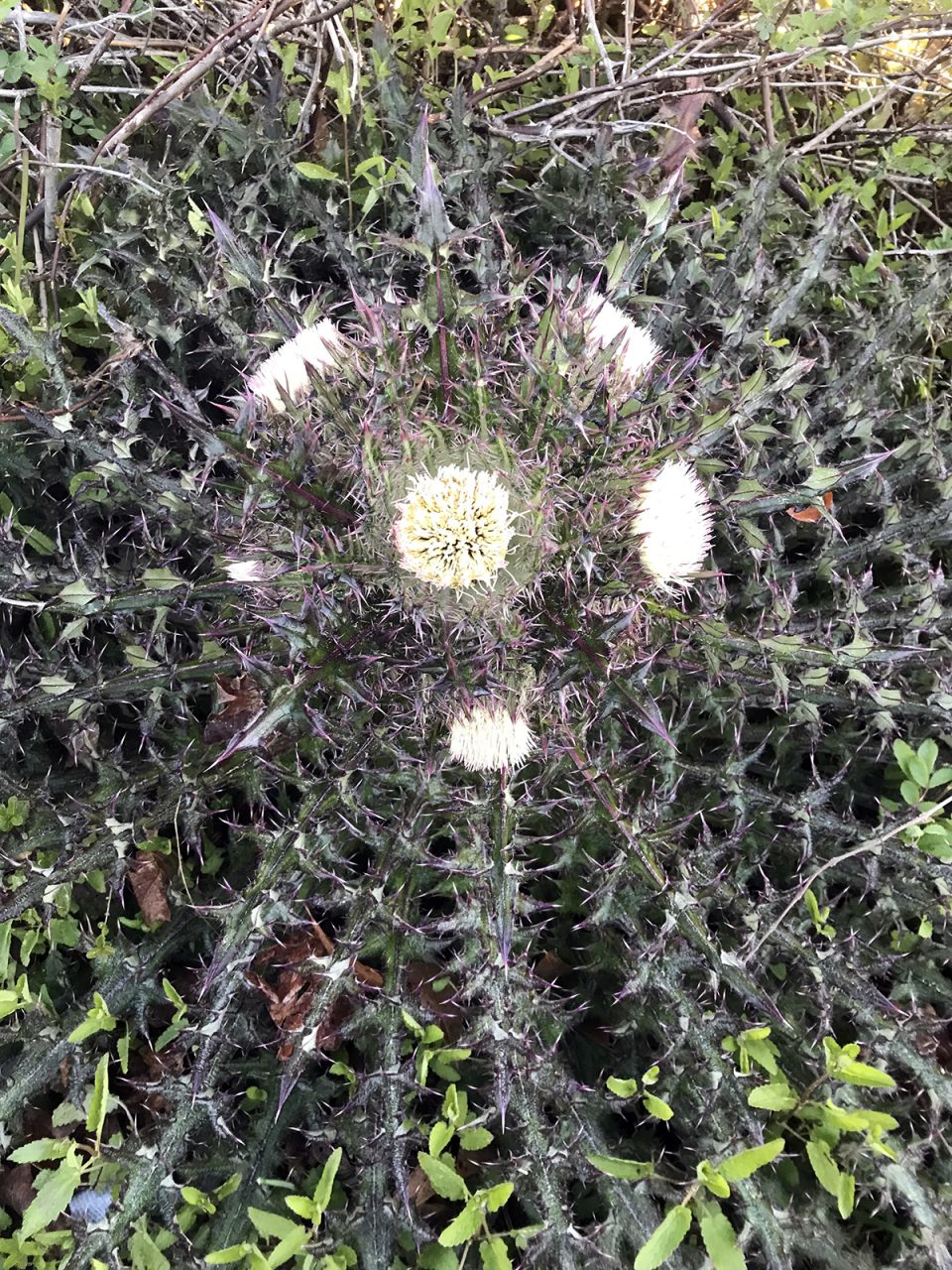
Or thistles. As unpleasant as they come, thistles are typically regarded about as well as a cluster of sandspurs stuck to your shoelaces. They are nasty but edible, if you can get past the spines. Thistledown is one of the best things to use for tinder as it’s extremely flammable.
Like that crotchety old neighbor nobody likes much, even weeds have their place.