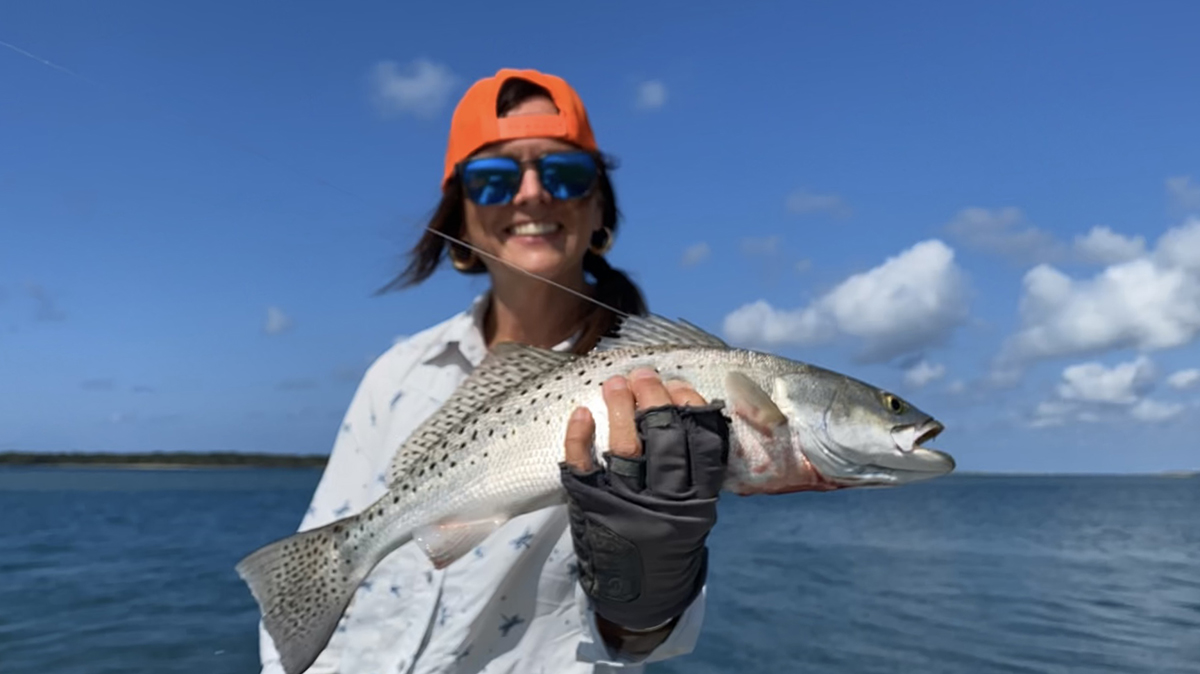
Fishing means many things to people. We have been over the very topic in this space quite a few times. The one thing we have in common, however, is that we would all like to catch a few.
What we do with the ones we catch can and does have an impact.
Supporter Spotlight

Al Lindner of In-Fisherman Magazine and TV shows, “Lindner’s Angling Edge” and “Fishing Edge,” coined the phrase, “Limit your kill, don’t kill your limit”, in the ’70s. Let’s take a look at what that means and how it should influence and inform our decisions today.
First let’s look at some details of what we are talking about. There are two different types of “limits” that come up in fishing. First is size limit. This is the size of the fish that we as anglers are allowed to keep. We measure the fish with a ruler and if it “measures up,” we can keep it. The second is the creel (or bag) limit. This refers to how many fish, of legal size, that can be in our possession. This can be a stringer, cooler, fish box, or anyplace else fish can be stored.
Size limits concern us when the population is dependent on a healthy number of spawning size individuals. As of this writing there are new regulations concerning the minimum size of sheepshead that can be taken.
First, if you are keeping 10-inch sheepshead, there needs to be a serious conversation about your fishing method. We’re talking about a fish that gets much bigger, so if you are not getting them, do your research.
Secondly, we need to have at least one good spawning season from them in order to maintain the population we’re taking from.
Supporter Spotlight

There is also a trend towards slot limits. Fish that are at least a minimum size, but no bigger than a maximum may be kept. This protects long-lived fish that produce massive amounts of eggs as they grow and provide an extremely valuable source of spawning fish.
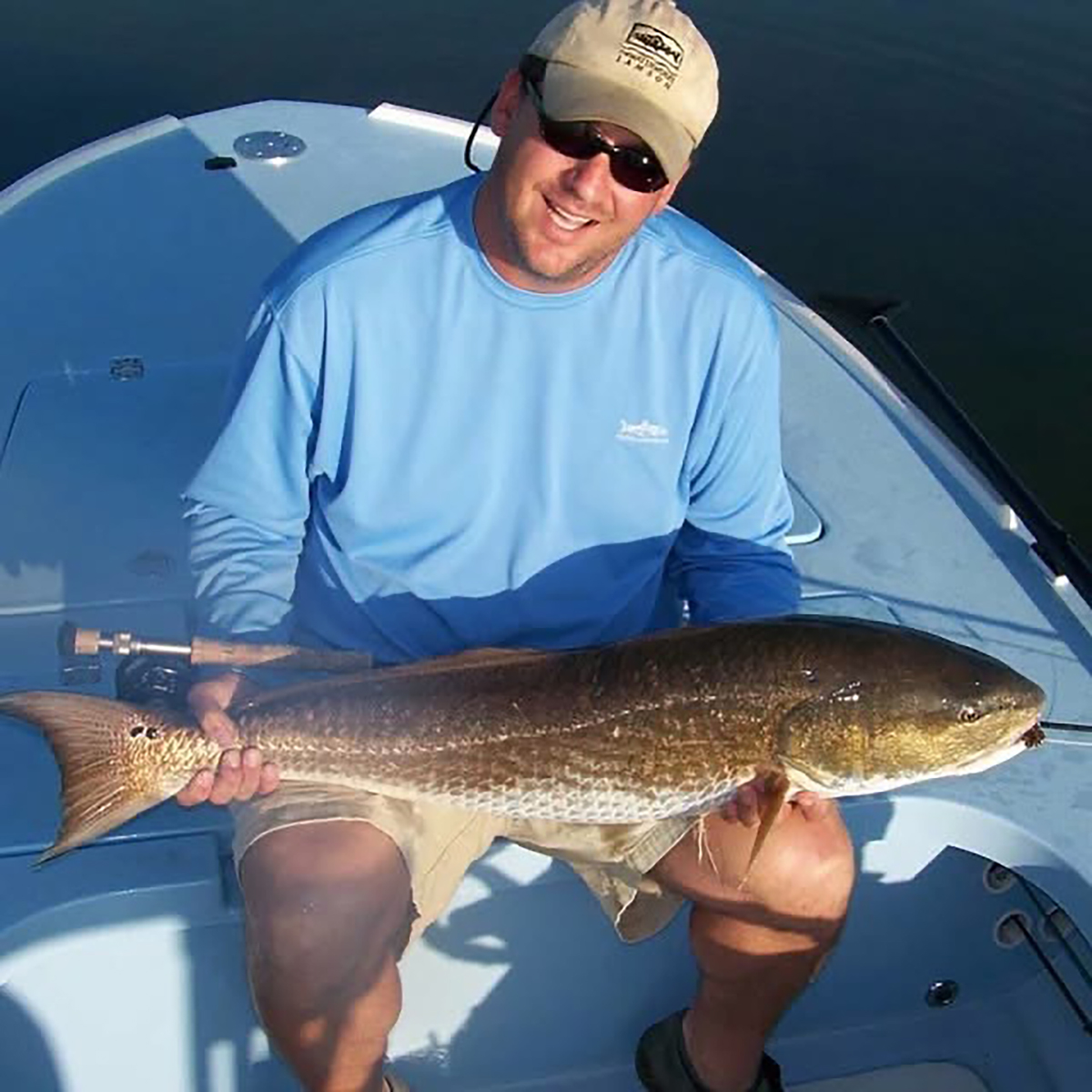
Slot limits have been shown to be extremely effective for red drum. Most states have a 17- or 18-inch minimum and a 27- or 28-inch maximum.
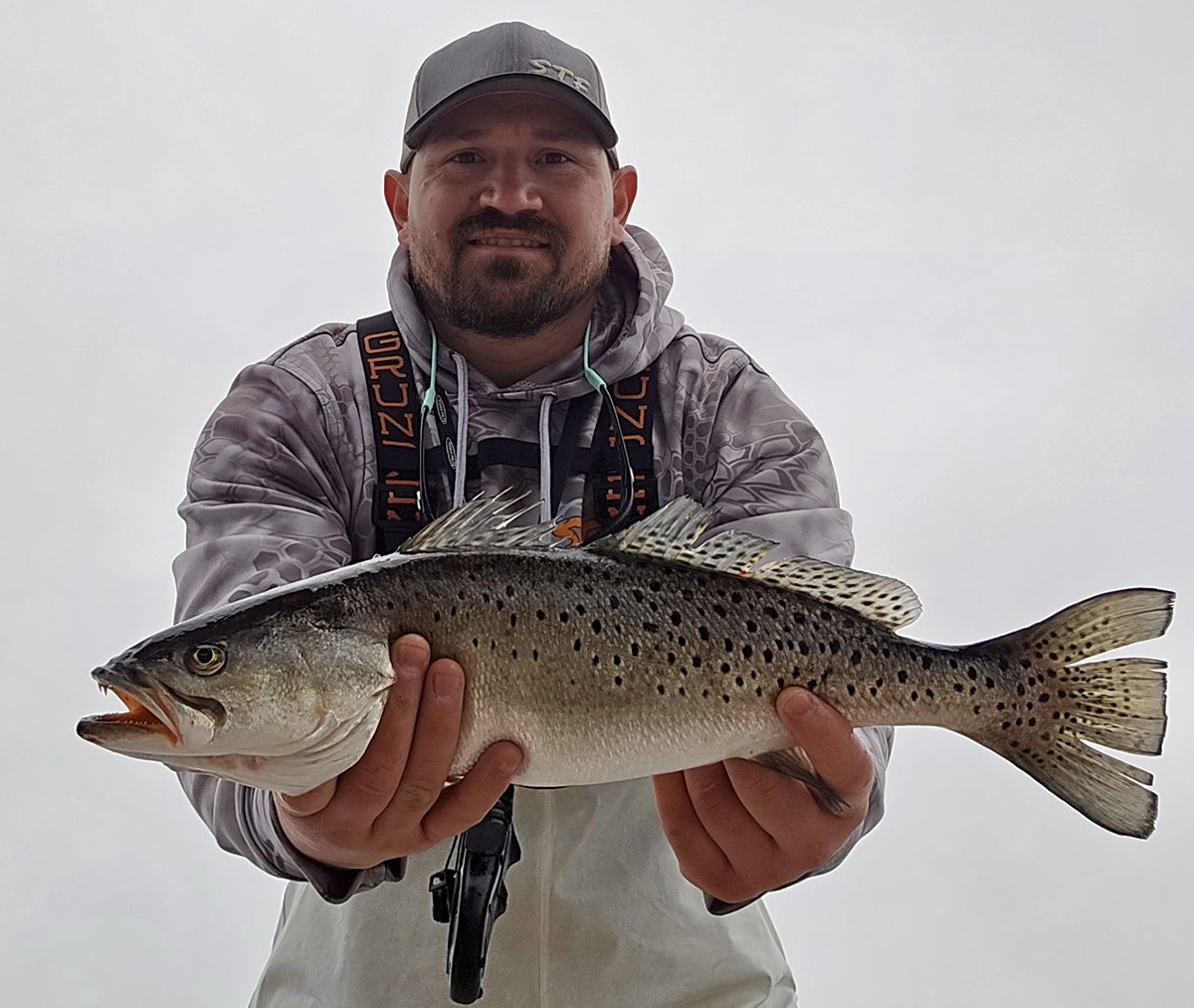
I’ve seen a lot of people get in trouble by not paying attention to the maximum. They can’t even imagine releasing a fish so big. I have called people out for it on piers and public fishing areas. The fine is hefty.
Centuries ago, it was thought that the ocean was so vast fish could be harvested at will. But over time it has become obvious that is not the case. There are still many who turn a blind eye to this reality. They just say, “Fish have tails,” or “The reason you don’t catch anything is because you don’t know what you’re doing.” This kind of thought is both irresponsible and dangerous as well as just plain rude.
When fish are not using the areas they have been in traditionally, the primary reason is usually due to human activity. The number one cause is water quality. This is undeniable and irrefutable. However, in the face of water quality degradation, tough decisions must be made to ensure the fish will continue to exist. This is the reason in our modern age that we have to travel farther and farther afield. If we don’t limit ourselves in the number that we take out, there will soon be no more.
If a population of fish is both robust and well known, it will be depleted until fewer and fewer people are fishing there with more and effort being spent on what is left, until those fish are essentially gone. The fishing efforts will then shift to the next location or species.
In some places in the world, the only fish left are the forage species that the bigger fish feed on. Those small fish provide the basis of the food web. You see it here with menhaden fishing. If the forage fish get wiped out, there will be nothing left to build back.
As with so many things, common-sense regulation is what will benefit the largest and do the greatest good, just like Mr. Spock said.
“Well, Capt. Gordon, what the heck does that mean?”
Just because we’ve always done it a certain way doesn’t mean we should still. When your favorite team is playing a defense that just isn’t working, what does the smart coach do? Answer: Change the defense. It’s the same with fisheries. If what we’ve been doing for generations does not lead to improved fishing for all, maybe it’s time to change the whole thing around.
That might mean killing fewer fish, or maybe changing the style of fishing. It’s pretty obvious. But one thing I can definitely say, as Ben Franklin once told me, “We must all hang together, or we will all hang separately.”