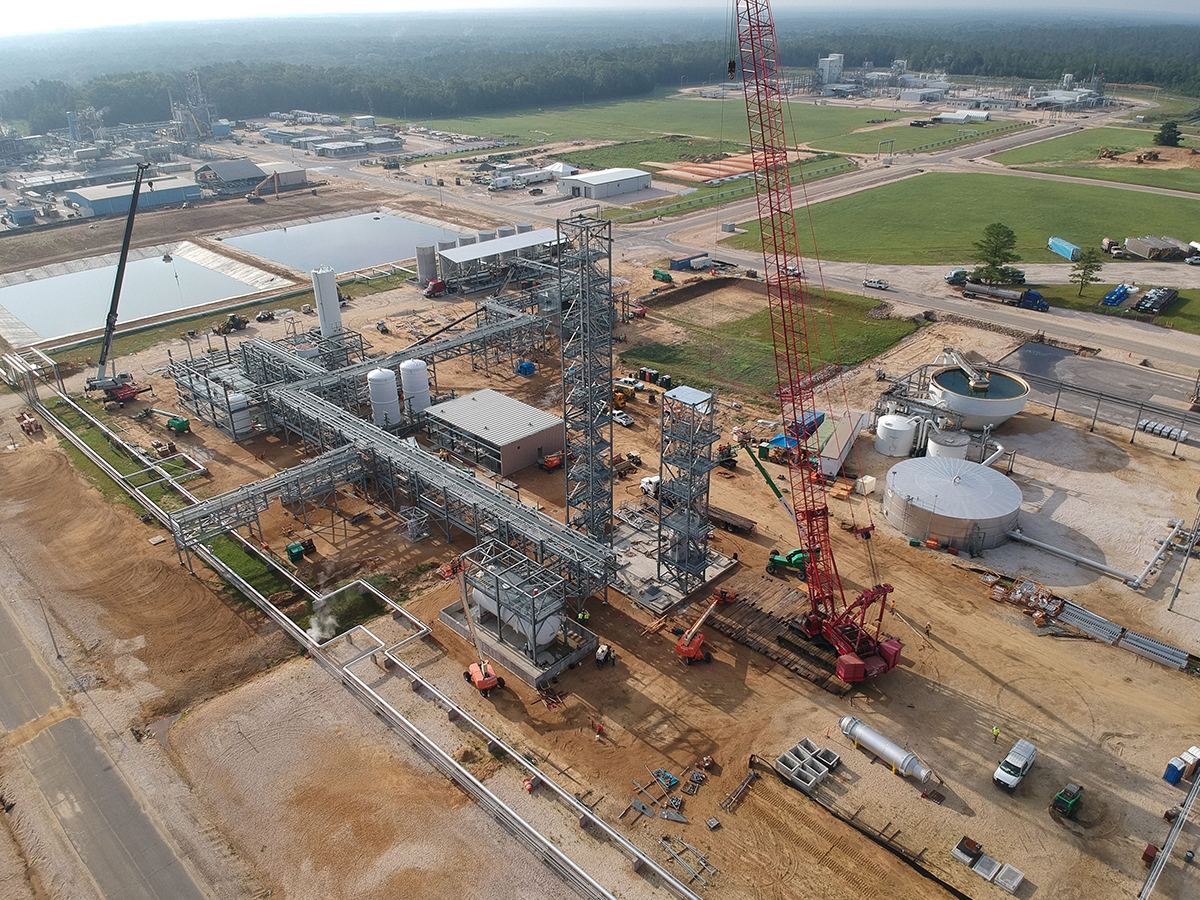
The state reached a $590 million settlement last week with Chemours and related companies in a long-running lawsuit for damages related to their decades of discharging toxic compounds, including the product GenX, into the environment from industrial operations near Fayetteville.
Attorney General Jeff Jackson and North Carolina Department of Environmental Quality Secretary Reid Wilson on Thursday announced the deal between the state, 11 local governments and Chemours and DuPont for decades of PFAS contamination in North Carolina. According to the statement, the settlement amounts to the largest total environmental damages recovery in the state’s history.
Supporter Spotlight
Environmental advocates say the deal doesn’t go far enough.
The compounds, per- and polyfluoroalkyl substances, are persistent in the environment and virtually indestructible, earning the name “forever chemicals.” According to a recent United Nations Human Rights Council report, exposure can affect endocrine systems, with resulting fetal growth and development issues, immunotoxicity, increased risk of kidney and testicular cancers, liver damage, increased cholesterol levels, hormonal interference and reduced vaccine responsiveness.
“Chemours and DuPont devastated North Carolina’s water and natural resources for decades,” Jackson said. He said the deal forces the companies to pay for the harm they caused.
“DuPont and Chemours knew they were dumping toxic forever chemicals into our drinking water, but they put their profits over our people – which is why I sued them in 2020,” said Gov. Josh Stein in a statement.
“This settlement is a huge victory for North Carolina,” said Wilson. “These companies are finally paying for the damage they caused to North Carolina’s land and waters.”
Supporter Spotlight
Wilson said that, while no amount of money can fully compensate residents for the harm the companies had done to public health and the environment, the settlement strengthens the existing, 2019 consent order with the state and Cape Fear River Watch, under which Chemours is permitted to continue operating. That order required Chemours to cut GenX emissions by 99% and reduce air emissions by 99.99%.
Jackson called the deal “a massive step forward” toward funding clean water programs. He said the settlement “puts even more teeth behind the consent order with NCDEQ. Chemours made this mess, and we’re making sure Chemours cleans it up.”
Cape Fear River Watch released a statement, saying the settlement “won’t come close to making us whole again after all the harm DuPont and Chemours have done to the communities of the Cape Fear Region.”
The River Watch group noted that Chemours still wants to expand its Fayetteville Works facility and discharge more PFAS into the environment, and this while acknowledging that the company hadn’t identified all contaminated private wells, nor had it compensated the Cape Fear Utility Authority or its customers for the millions spent to upgrade water treatment plants.
“Chemours is still discharging high levels of ultra-short-chain PFAS—the hardest PFAS to filter—and those PFAS are still showing up in our drinking water,” the group said.
“We are one of the most severely PFAS contaminated communities in the country and it’s more than just our tap water,” Clean Cape Fear co-founder Emily Donovan said in a statement, adding that the Chemours Fayetteville Works facility discharged more than 250 different compounds into the Cape Fear River. “Our beaches, farms, backyard gardens, honey, fish and other wildlife were all contaminated at extreme levels. We are thrilled 11 counties will receive important funds to address clean drinking water. However, it doesn’t sound like much is left over for the state’s other natural resources like our soil, river sediment, fish and beaches.”
The agreement guarantees $455 million to the state and to 11 local governments that joined the deal, to be paid over the next 10 to 15 years. Of the total, $75 million will be allocated to the state with what officials said was “roughly $55 million going to an Emerging Contaminant Mitigation Fund recently created by the North Carolina General Assembly.”
The remaining $380 million, according to the announcement, will be divided among the local governments affected and had previously sued Chemours and DuPont. Among those are Brunswick County, New Hanover County, Wrightsville Beach, Village of Bald Head Island and the Lower Cape Fear Water and Sewer Authority.
The deal creates a $135 million reserve fund from DuPont and sister company Corteva to guarantee the work that Chemours must continue under the 2019 consent order.
State officials, in the statement, said the deal was “a vast improvement over the Environmental Protection Agency’s deal with Chemours earlier this year, which promised only $90 million in environmental projects across three different states, with no guarantee of any of that money coming to North Carolina.” The EPA and Chemours reached that deal without consulting the North Carolina Attorney General’s Office or the Department of Environmental Quality.
A case brought by the Cape Fear Public Utility Authority against Chemours and DuPont seeking additional contamination cleanup funds for the utility’s service area in Wilmington and parts of New Hanover County is ongoing and not affected by the settlement.
Jackson is litigating six other cases against other companies that manufacture aqueous firefighting foam that contains PFAS that have contaminated military bases, airports and fire training facilities across the state.