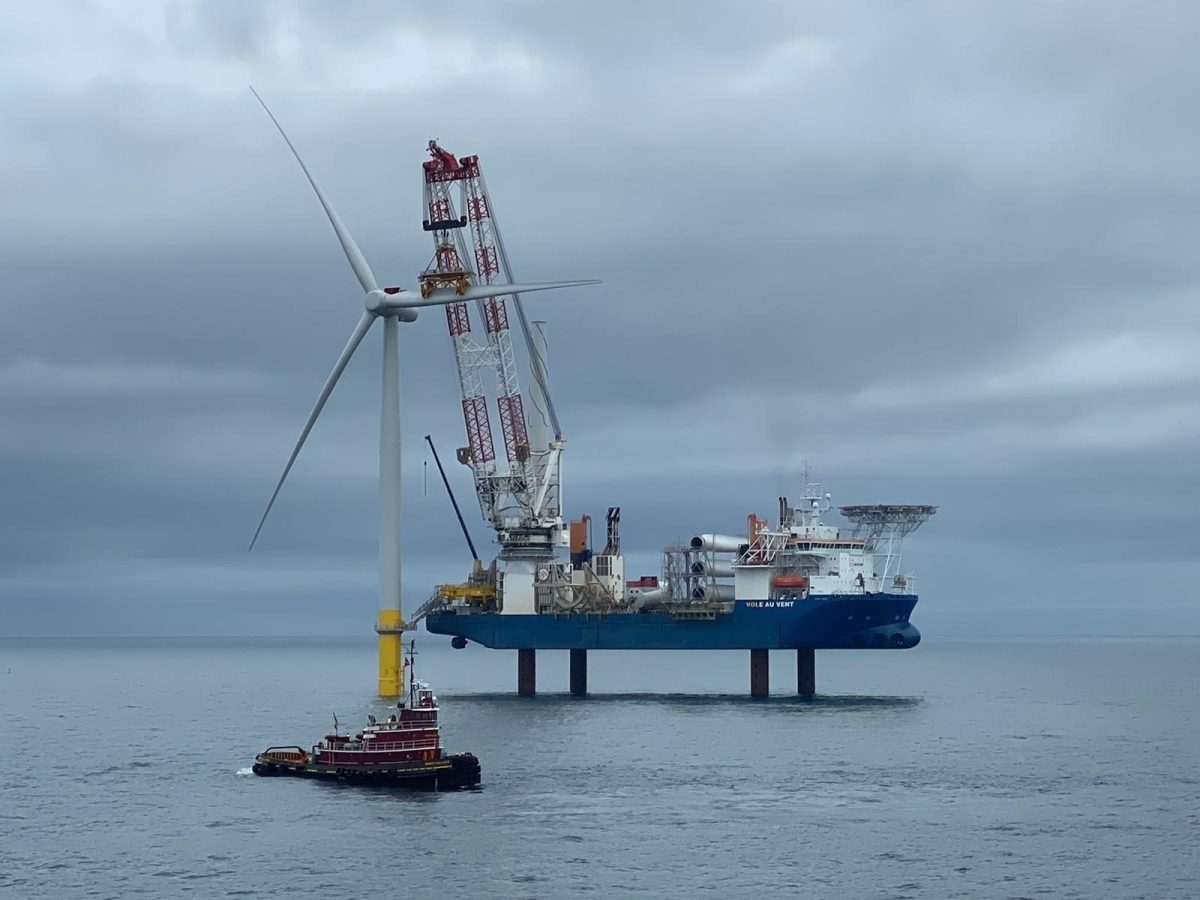
Duke Energy has agreed to ax its wind lease off the coast of Brunswick County, instead pledging to reinvest funds into grid enhancements and additional power generation.
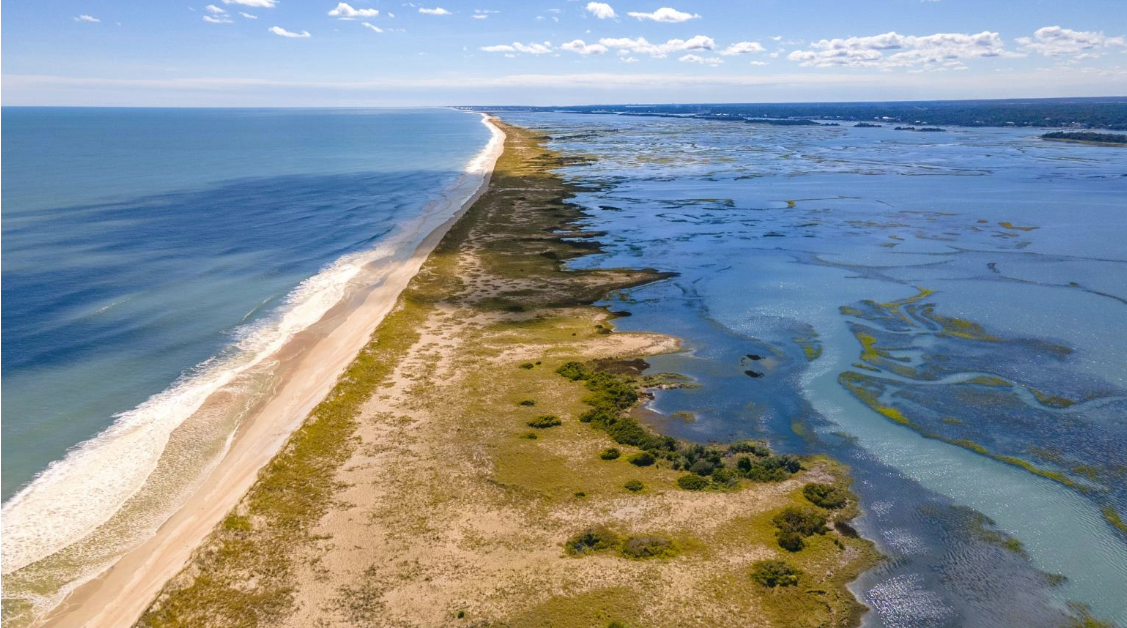
The U.S. Department of Interior announced Monday that the Charlotte-based company will terminate its offshore wind lease in the Carolina Long Bay wind area roughly 22 miles offshore, south of Bald Head Island.
Supporter Spotlight

“This settlement allows Duke Energy to refocus $129 million in ways that directly benefit our customers and communities in the Carolinas,” Duke Energy Carolinas’ Executive Vice President and Chief Executive Officer Kodwo Ghartey-Tagoe stated in a release. “Under this agreement, Duke Energy will reinvest nearly $129 million in additional generating capacity, which may include advancing new nuclear and natural gas generation, and grid enhancements to strengthen reliability, support continued growth in the Carolinas and keep costs as low as possible.”
Related: Carolina Long Bay wind energy firm takes Trump buyout
The company’s decision leaves the more than 110,000-acre Carolina Long Bay wind energy area now tenant-free, as driven by President Donald Trump’s push to dismantle renewable energy projects and replace them with fossil fuel and nuclear power.
In March, TotalEnergies accepted a $1 billion federal buyout of its wind energy leases off the New York and North Carolina coasts, including roughly half of the Carolina Long Bay wind energy area. The France-based global energy company said it would invest the refunded money in a liquefied natural gas export terminal in Texas and other fossil fuel projects.
Duke Energy paid $155 million in May 2022 to lease the other half of the offshore wind area.
Supporter Spotlight

“President Trump’s vision of unleashing affordable, reliable American energy for our country’s communities and using common sense to put the American people first is being implemented,” Interior Secretary Doug Burgum stated in Monday’s announcement. “Duke Energy will now be able to convert a national security concern into projects that will lower the costs for its customers in North Carolina and surrounding states.”
Projects in the Carolina Long Bay wind energy area were estimated to generate up to 3 gigawatts of electricity, enough to power about 657,000 homes, and provide more than $4 billion in net economic impacts.
Though the now-dead projects were years away from providing offshore-generated electricity to land-based power grids, advocates of wind energy argue it is a stable, predictable source of energy.
“We are disappointed to see another offshore wind farm opportunity taken off the table for North Carolina,” Southeastern Wind Coalition President Katharine Kollins said in a release. “At a time when electricity demand is surging and grid reliability is under increasing strain, we need to add energy options, not remove them. It is unfortunate that the federal government continues to pick winners and losers in the energy space, especially when we’ve seen strong performance from the four existing offshore wind farms currently operations in U.S. waters.”
There are still active offshore wind leases along North Carolina’s northern coast, off the shores of Kitty Hawk. Those leases were purchased a few years ago by Avangrid Renewables and Dominion Energy, the latter of which is wrapping construction of a 2.6-gigawatt project nearly 30 miles east of Virginia Beach.
Courts have recently overturned the Trump administration’s actions to quell offshore wind development in the United States, including an order last December to stop work in five offshore wind energy areas on the East Coast, including Dominion Energy’s Hampton Roads, Virginia-based project.
But those rulings have not hampered the administration from continuing to target offshore wind projects.
Since announcing its deal with TotalEnergies, the Interior Department has solidified similar agreements with a handful of other companies to terminate their leases off the coasts of California, Maine, New Jersey and New York.
In early June, New York’s attorney general was joined by state attorneys general from Connecticut, Maine, Massachusetts, New Jersey, Rhode Island and Vermont in challenging TotalEnergies’ federal buyout.
Chris Herndon, chapter director of the North Carolina Sierra Club Chapter, in a statement urged state Attorney General Jeff Jackson to “review the legality of this ‘deal,’ and consider joining other states in challenging the Trump administration in court.”
“Duke Energy and Donald Trump are worsening the energy affordability crisis that’s plaguing North Carolina families and small businesses throughout the state,” Herndon said in a release. “It’s a disgrace that Duke Energy would walk away from an affordable, reliable offshore wind project that our state was counting on to create family-sustaining wages for workers and fixed-price clean electricity to power our state’s economy.”
Pasha Feinberg, an offshore wind strategist with the international nonprofit Natural Resources Defense Council, called Duke Energy’s agreement with the federal government a “lose-lose proposition.”
“We need more electricity, not less,” Feinberg stated in a release. “Canceling clean energy projects is self-defeating. Paying off companies so they will abandon them is just ludicrous. The Trump administration is wasting our money paying companies not to produce energy. It’s long past time for the Trump administration to end its war on new energy so that customers’ bills won’t keep rising and our nation can meet its growing electricity demands.”