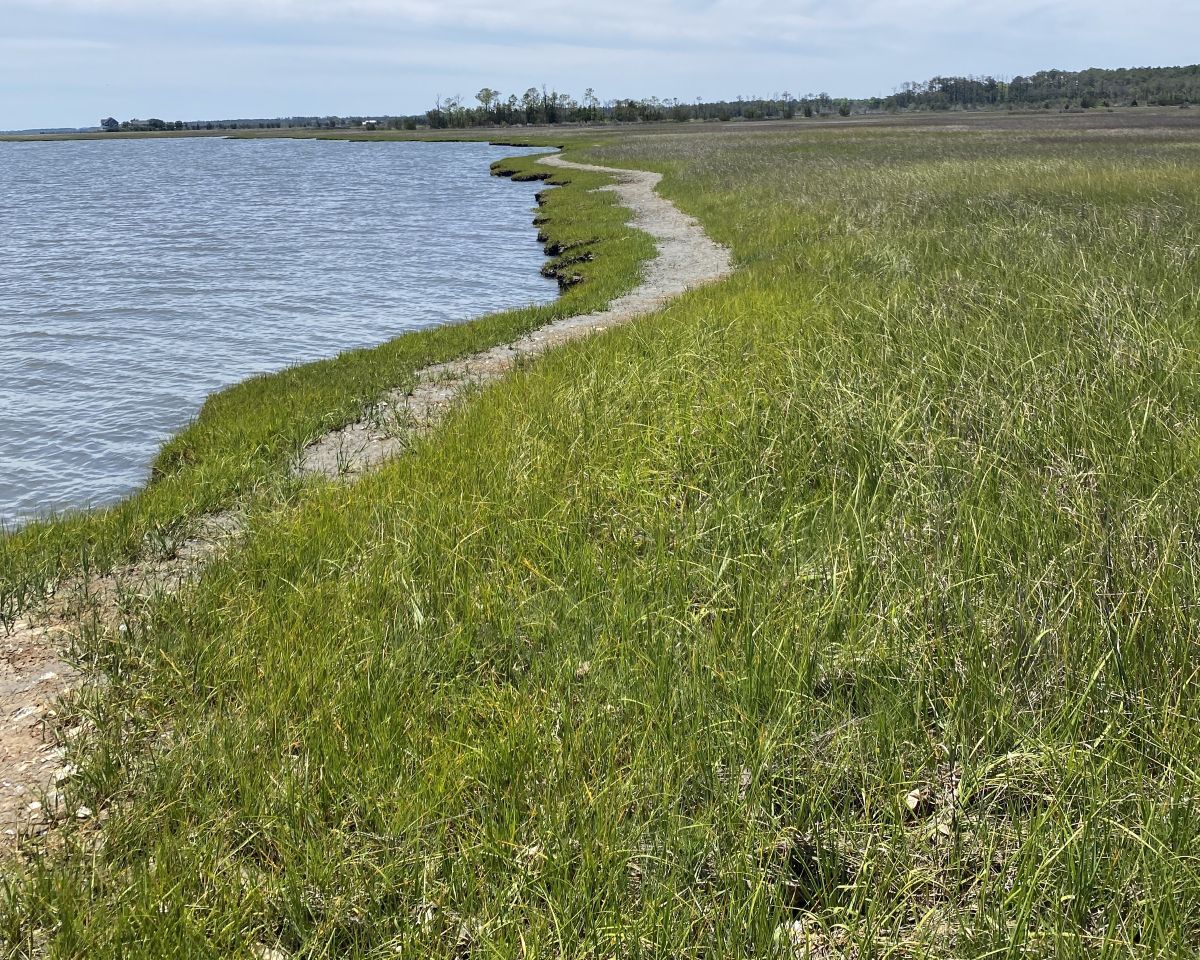
Through a partnership with a national nonprofit, the North Carolina Coastal Federation now owns more than 150 acres of protected land along U.S. Highway 70 at what is often called the gateway to Down East, Carteret County’s 13 unincorporated communities east of Beaufort.
The Conservation Fund purchased the land, placed a permanent conservation easement that limits future development on the 153 acres and conveyed ownership to the Coastal Federation, which called the acquisition, “another major step in the long-term protection of the North River landscape and coastal wetlands.”
Supporter Spotlight

The newly conserved land is within the broader North River conservation landscape, where nearly 7,000 acres of wetlands, forests, and marsh migration corridors have been protected and restored over the past several decades, according to the Coastal Federation.
“This project represents the intersection of conservation, resilience, and public education,” Coastal Federation Executive Director Braxton Davis said in a statement. “These wetlands are not only vital to fisheries and water quality, but they also help protect coastal communities from flooding and storms.”
A short public nature trail is planned designed to introduce visitors to the ecological importance of the North River region and the nearby North River Wetlands Preserve, one of the largest coastal wetland restoration and conservation landscapes on the East Coast, the Coastal Federation said in a press release.
The trail and interpretive exhibit will help visitors understand how coastal wetlands protect water quality, fisheries, wildlife habitat, and coastal communities from flooding and storm impacts.
“Securing this property is a tremendous achievement for the North River landscape and for the future of coastal conservation in Carteret County,” Coastal Federation Senior Adviser Todd Miller explained. Miller helped coordinate the transaction on behalf of the Coastal Federation.
Supporter Spotlight

“This property reflects the continued growth of our land conservation program and the power of strong partnerships with organizations like The Conservation Fund, dedicated landowners, and our public funding partners,” Miller added.
North Carolina Land and Water Fund grants, donations and bargain-sale contributions from the property owners made possible the land purchase, conservation easement, transaction and title-related costs.
“This project demonstrates how collaborative conservation partnerships can permanently protect some of North Carolina’s most important coastal landscapes while also expanding opportunities for public education and climate resilience,” said Guenevere Abernathy, North Carolina State Director for The Conservation Fund. “We are proud to work with the North Carolina Coastal Federation, the North Carolina Land and Water Fund, and the landowners to help conserve this remarkable property for future generations.”
The Coastal Federation publishes Coastal Review.