Editor’s Note: Tabb’s Trails is a commentary photo-essay series with coastal reporter, photographer and hiking enthusiast Kip Tabb. Post has been updated.
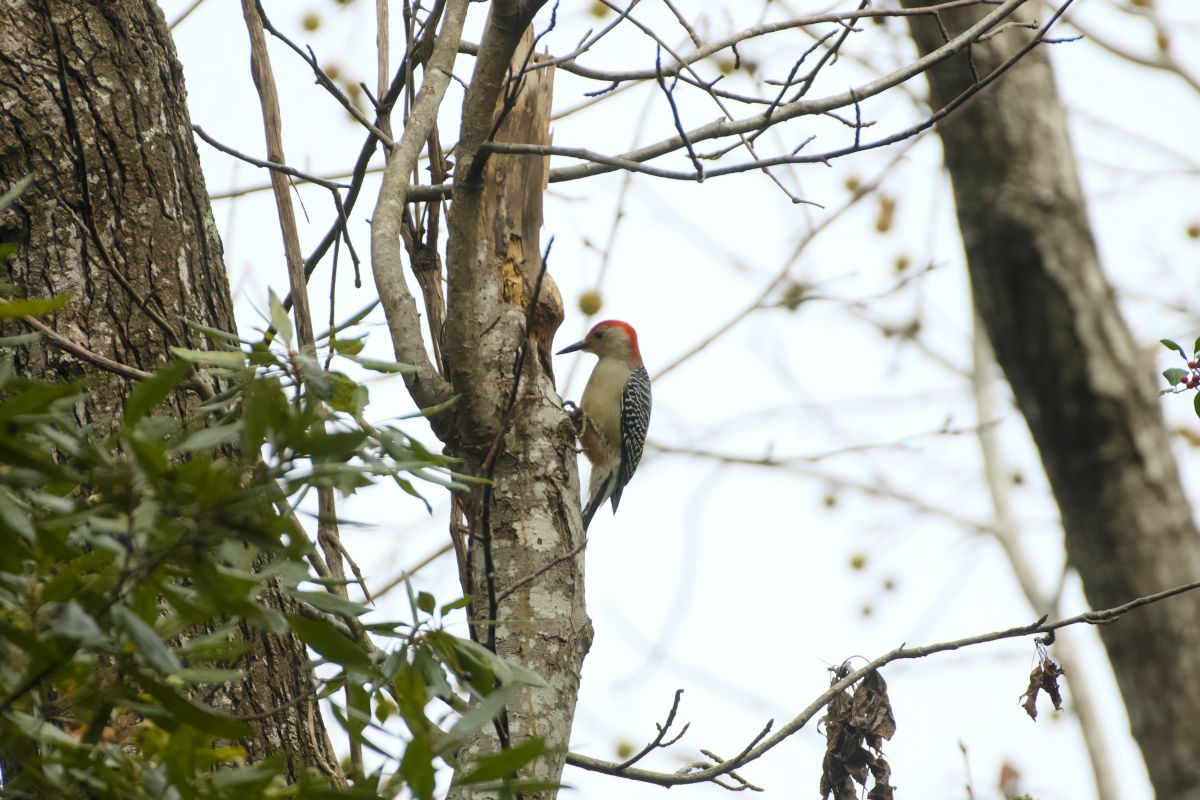
Although it has been a dry year so far at Nags Head Woods Preserve, the protected maritime forest on the Outer Banks is a lush and vibrant green. Songbirds flit among the branches. The raucous cry of woodpeckers is distinctive and unmistakable.
Supporter Spotlight

Actually, the more than 1200 acres of protected maritime forest along the Roanoke Sound has been drying out for the past few years, and the freshwater ponds that dot The Nature Conservancy’s preserve are showing the effects. Ponds that are usually picture book-reflecting pools are shallow and covered in algal growth.
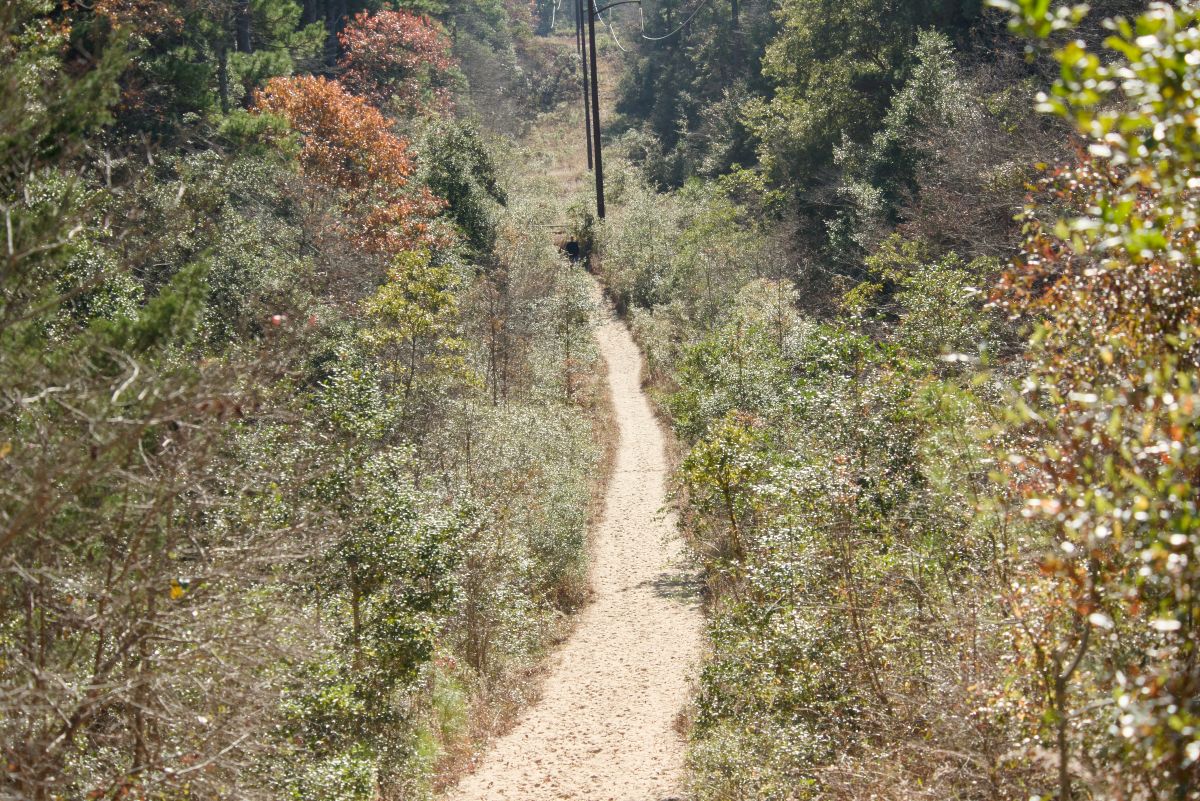
The ponds are at the base of a series of hills. “They are relict sand dunes,” said Lora Eddy, conservation coordinator for the preserve. You can “take a core sample of the soil, and it’s just a very thin layer of organic with just sand.”
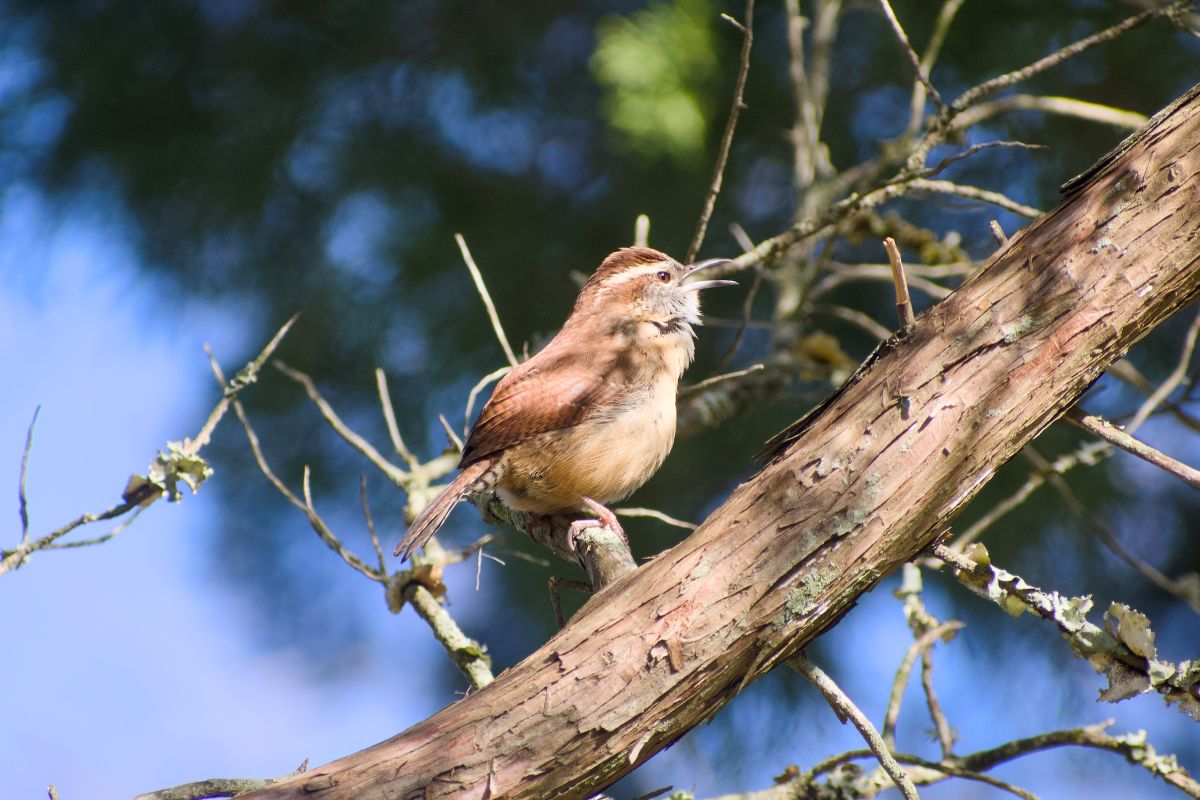
Those ponds, even if they are low, are the key to the verdant growth of the woods, which the nonprofit organization calls “one of the largest remaining maritime forests on the East Coast.”
“It’s really neat how areas between our relic dunes hold rainwater and help provide a little bit of extra water for the forest, wicking up some of that groundwater and that’s in here so they can sustain themselves,” Eddy said.
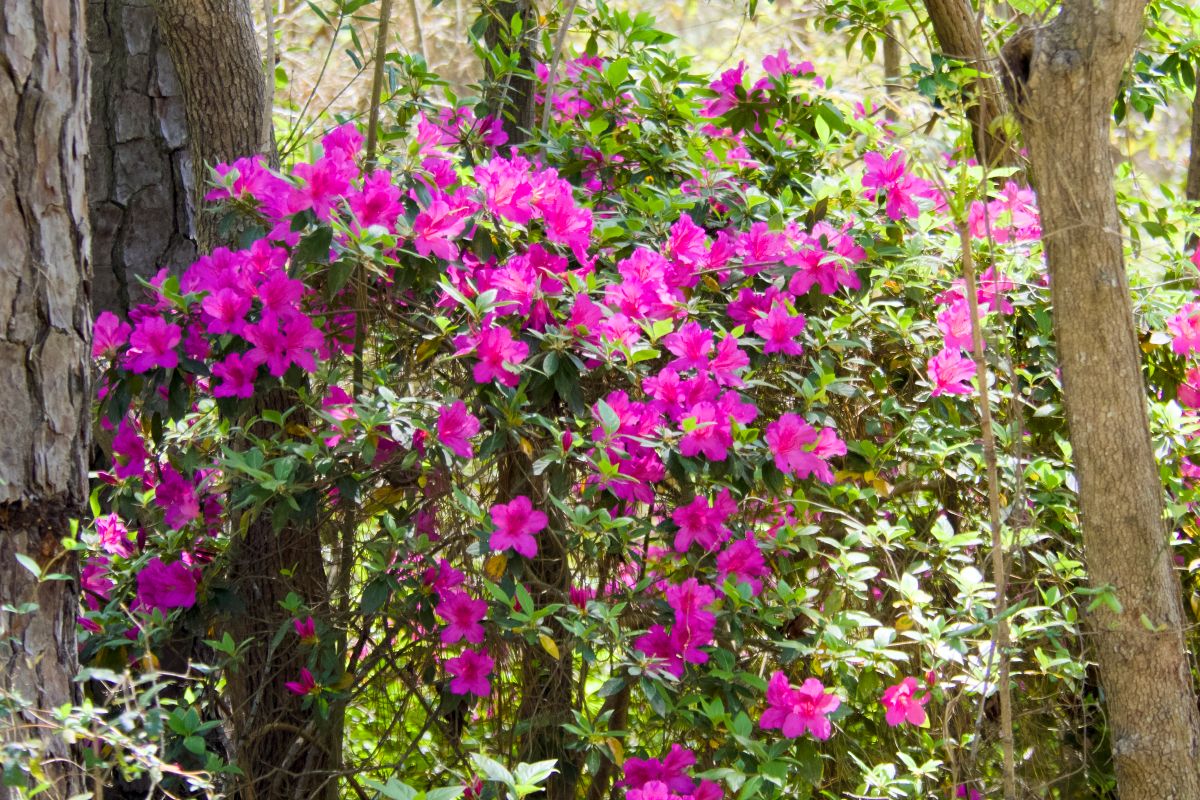
The best guess is Nags Head Woods formed around 700 to 1,000 years ago, although it could be older than that. Protected from the salt spray and ocean winds by natural sand dune systems at Jockeys Ridge State Park to the south and Run Hill to the north, the woods are filled with old-growth trees, marsh and upland habitats that have withstood everything nature has thrown them for hundreds of years.
Supporter Spotlight

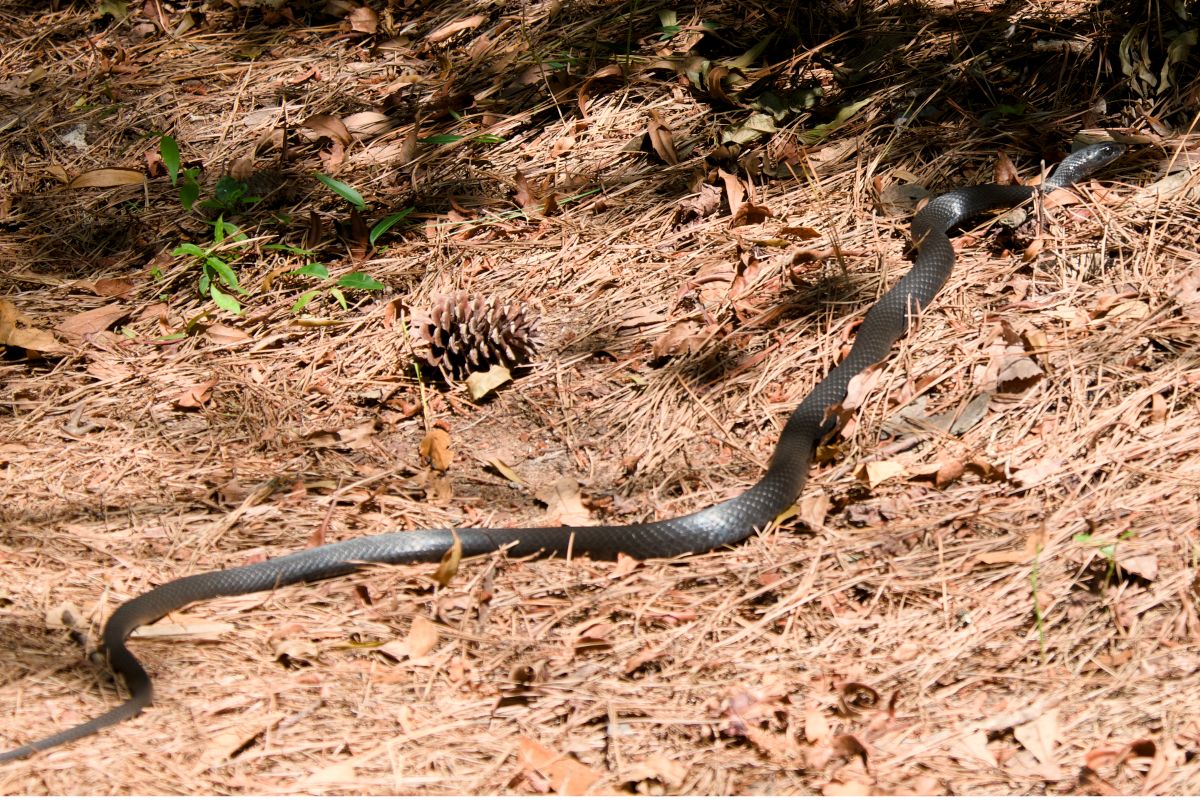
“You think about these really cool coastal habitats, they’re just used to change,” Eddy said. “That’s the amazing thing about coastal habitats.”
There are more than 8 miles of trails and the variety is one of the best features of the reserve, Eddy continued.
The preserve seems to offer trails for everyone, including the quarter-mile Center Trail, a loop around two freshwater ponds by the visitor center. It is a very easy trail and a great introduction to enjoying the forest for young legs.
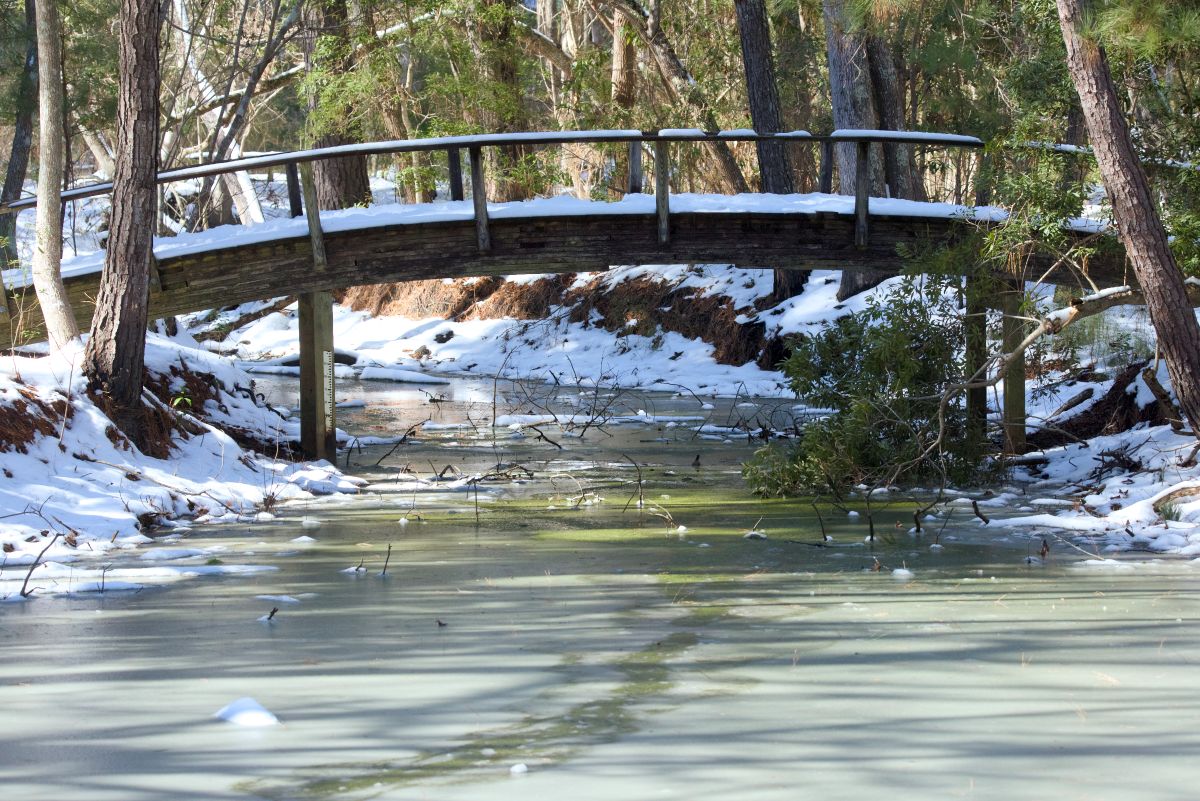
The Sweet Gum Trail is certainly more demanding. Hikers climb ridges with elevation gains that make it seem almost like a mountain trail.
The Sweet Gum Trail connects with the Blueberry Ridge Trail to create a challenging 3.75-mile hike.
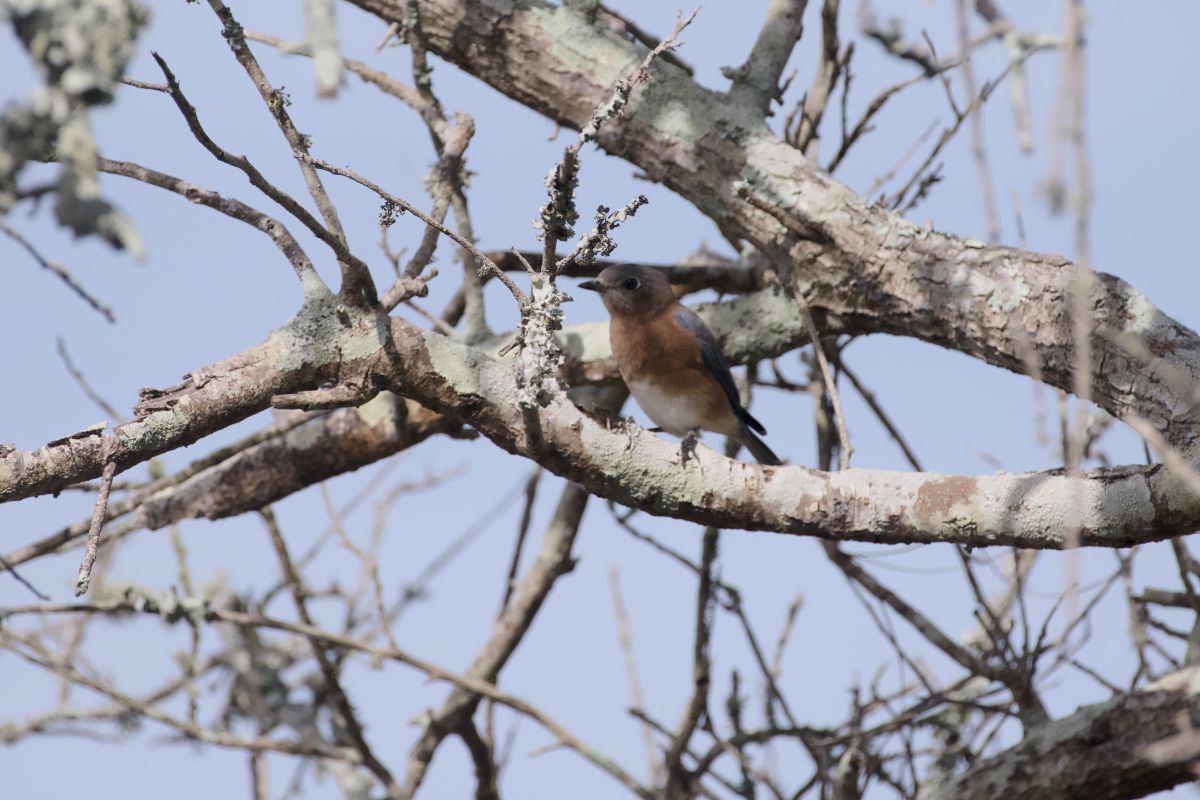
There is also an Americans with Disabilities Act, or ADA, Trail with two accessible parking spaces. The 1,850-foot boardwalk circles a pond fed from Roanoke Sound. It may be the best birding trail in the reserve.
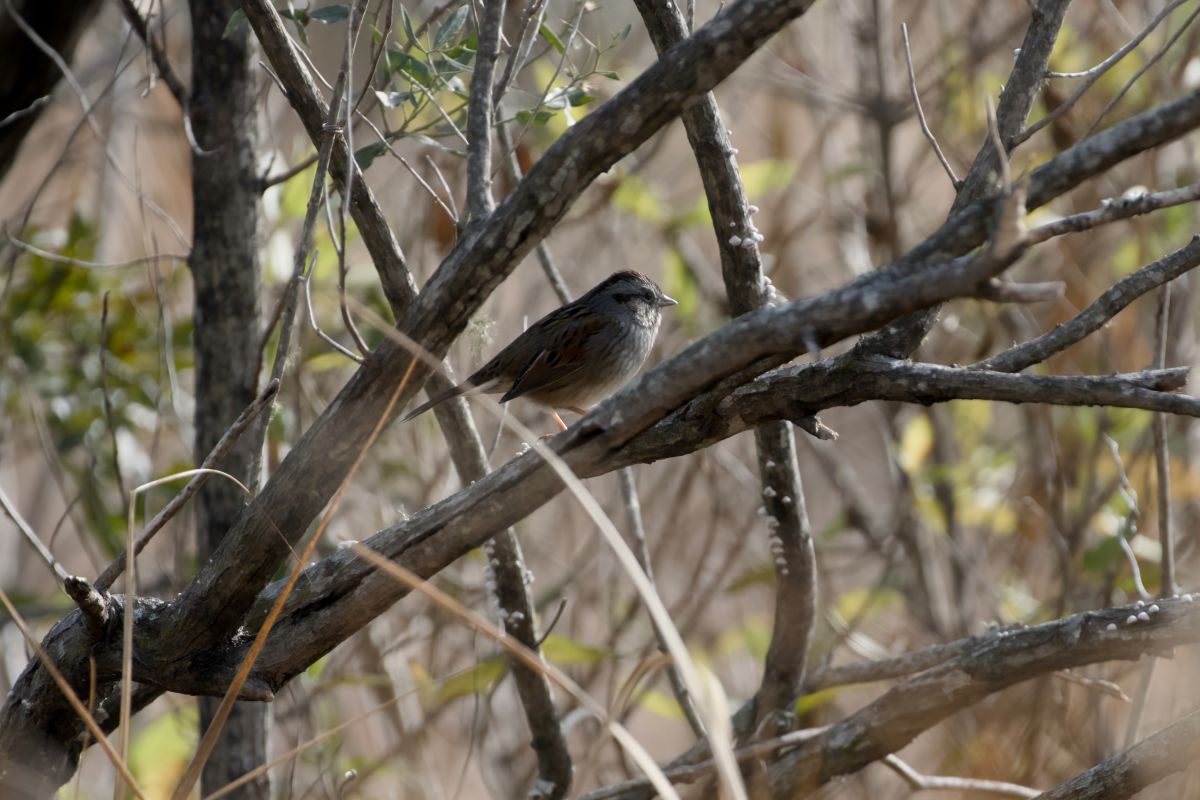
In the winter, yellow-butted warblers are ubiquitous, red-bellied and pileated woodpeckers are common and there’s an occasional green heron that can be seen on the fringes of the pond.
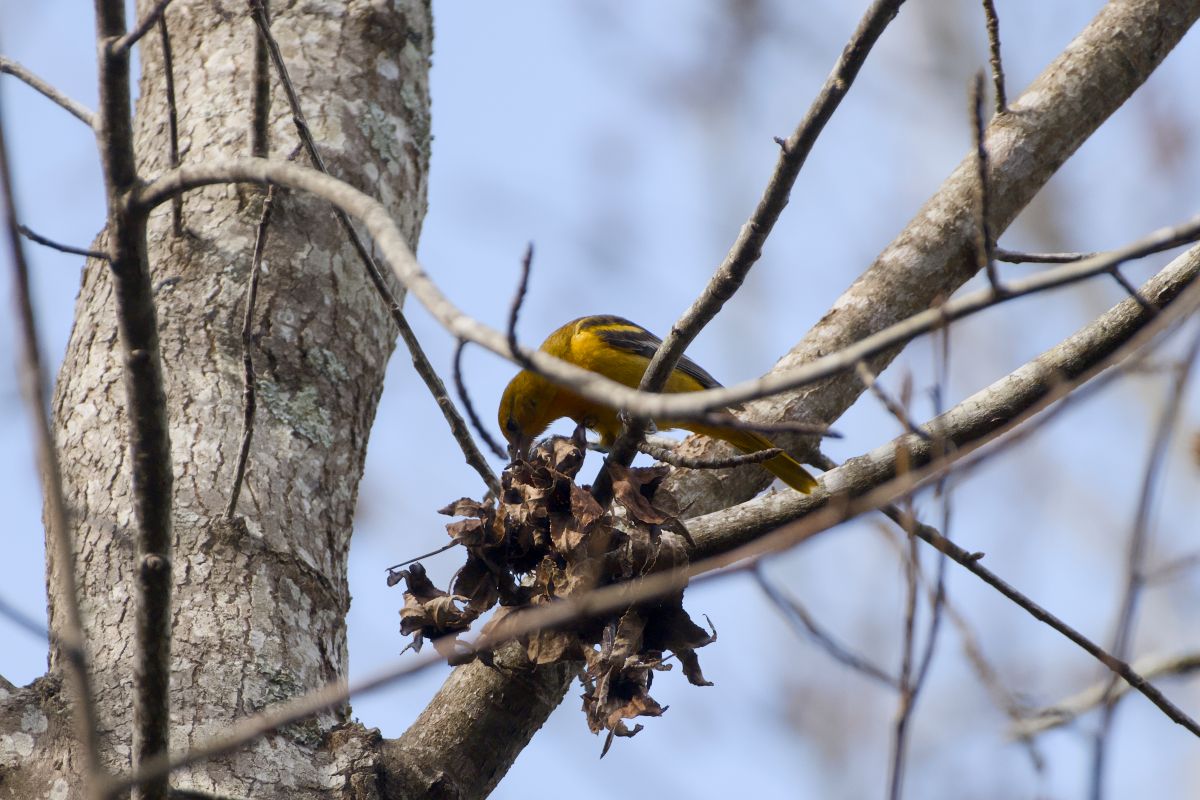
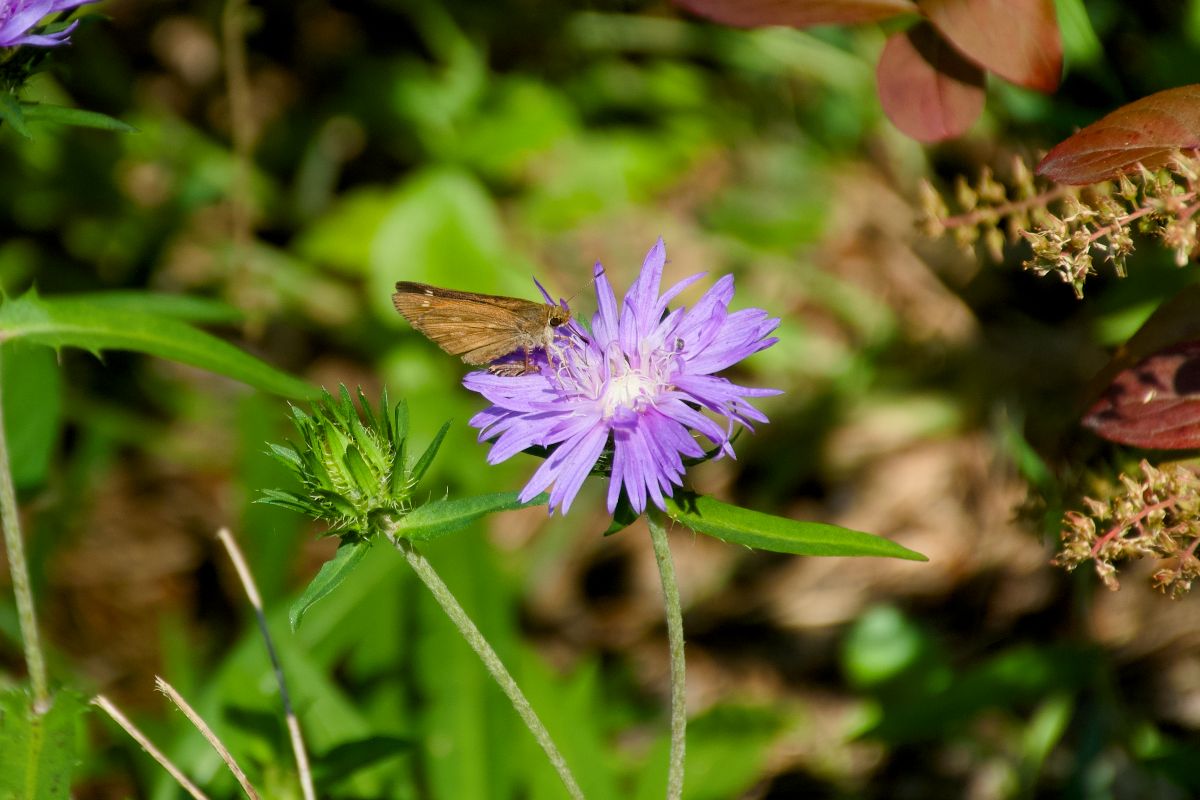
At the beginning of the ADA Trail is a butterfly garden. The flowers are just now coming into bloom, but the butterflies have been flitting through the reserve since the first warm weather of April.
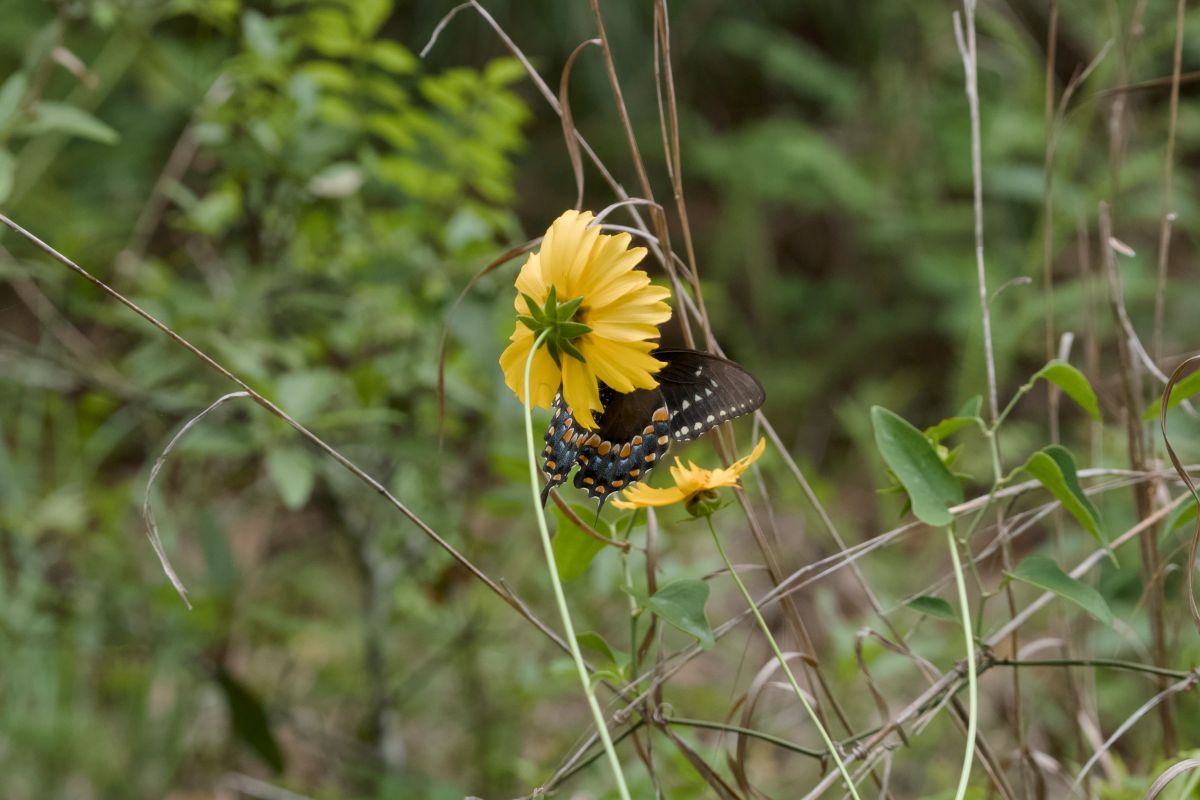
Nags Head Woods participates in the Carolinas Butterfly Monitoring Program that “aims to track butterfly populations using scientifically sound, standardized survey methods as well as opportunistic sightings across both North and South Carolina.”
It is a community-based science program and Eddy is enthusiastic about it.
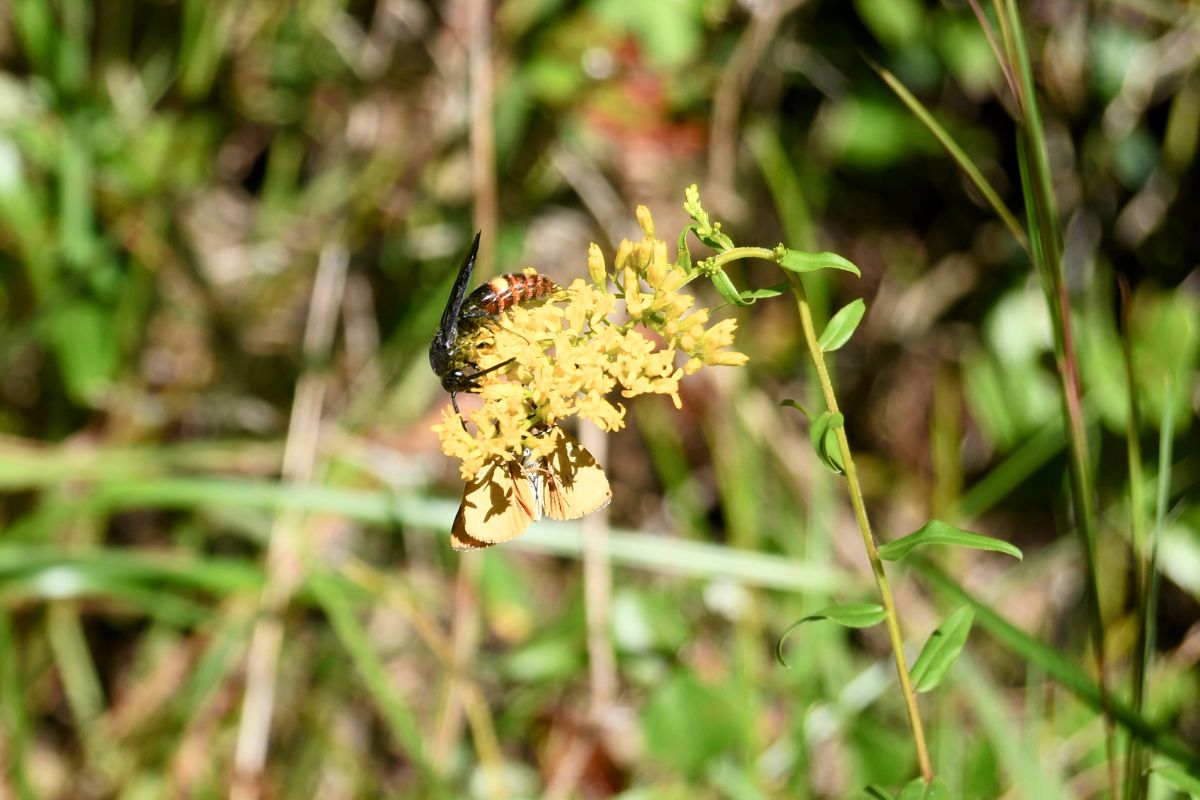
“We are using the scientific method called the Pollard Walk,” she said. “I imagine there’s this circle around me as I walk, and as I walk, I count butterflies within that circle. It’s a lot of fun. When I talk to kids who are visiting, they’re asking me what I’m doing, carrying a clipboard and chasing butterflies.”
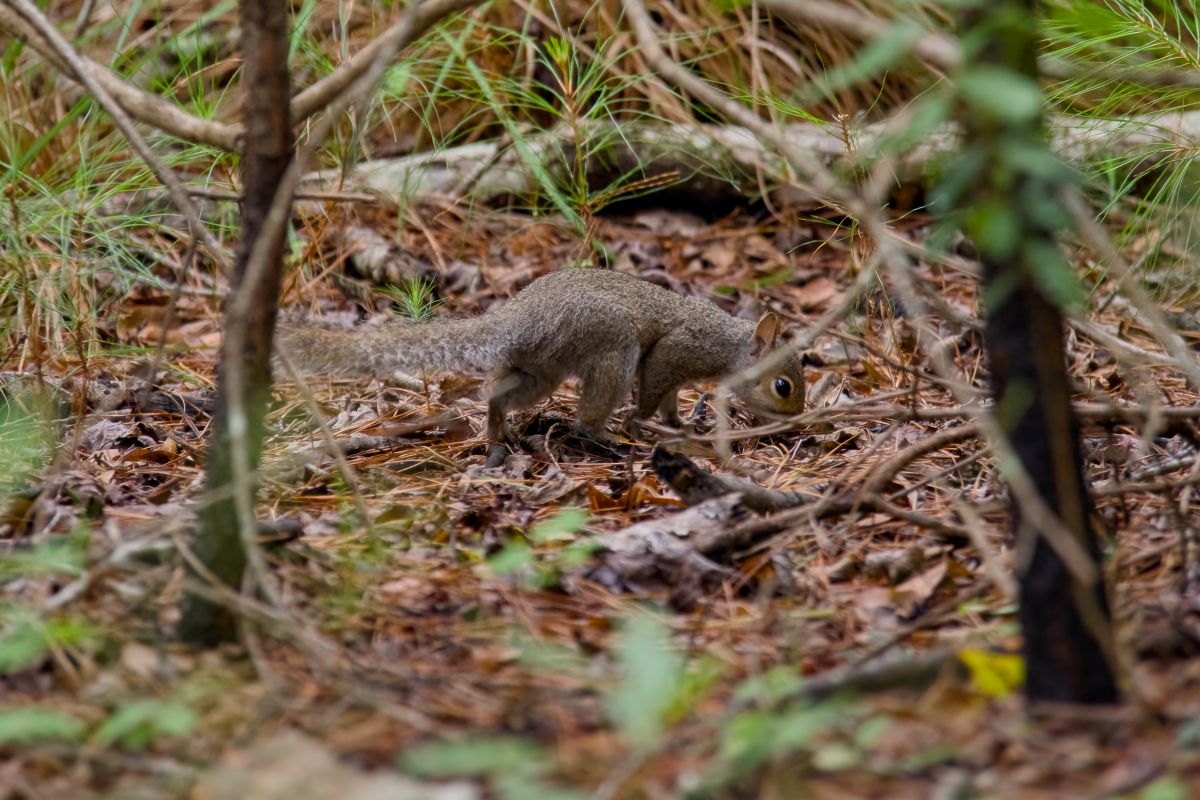
The squirrels are out in force this year, dancing out of the way of cars as drivers navigate Old Nags Head Road, possibly one of the last maintained dirt roads on the Outer Banks.
The road is located in Kill Devil Hills and Nags Head and is jointly maintained by the towns. The road, Eddy said, “takes a lot of maintenance.”
The speed limit on the road is 15 miles per hour and for a good reason. It’s only one lane, and meeting an oncoming car involves seeing who has the closest place to back up to allow the other car to pass.
The annual Nags Head Woods 5K hosted by the First Flight Rotary Club takes place every year on Old Nags Head Road the Saturday before Mother’s Day. The race just celebrated its 40th year.

It’s a beautiful road and one of the oldest in Dare County. N.C. State Highway Commission maps from the 1930s show a dirt road heading west off what is now N.C. 12 and then going south along Roanoke Sound until it reaches Nags Head.
Now gone, there was a small but thriving community at Nags Head Woods. The Nature Conservancy published a book in 1987, “Everyone Helped His Neighbor: Memories of Nags Head Woods,” that was reissued in July 2018 featuring interviews with those who lived there.
There are still a few homes on the edge of the woods along Roanoke Sound, but the forest has been largely uninhabited for over 40 years.