A controversial provision that would allow state tax dollars to fund coastal terminal groins has been stripped from legislation moving through the North Carolina Senate.
The Senate Finance Committee on Tuesday passed an amended Senate Bill 1001, omitting a section that would permit Coastal Storm Damage Mitigation Funds to be used for terminal groin permitting, construction, or repairs.
Supporter Spotlight

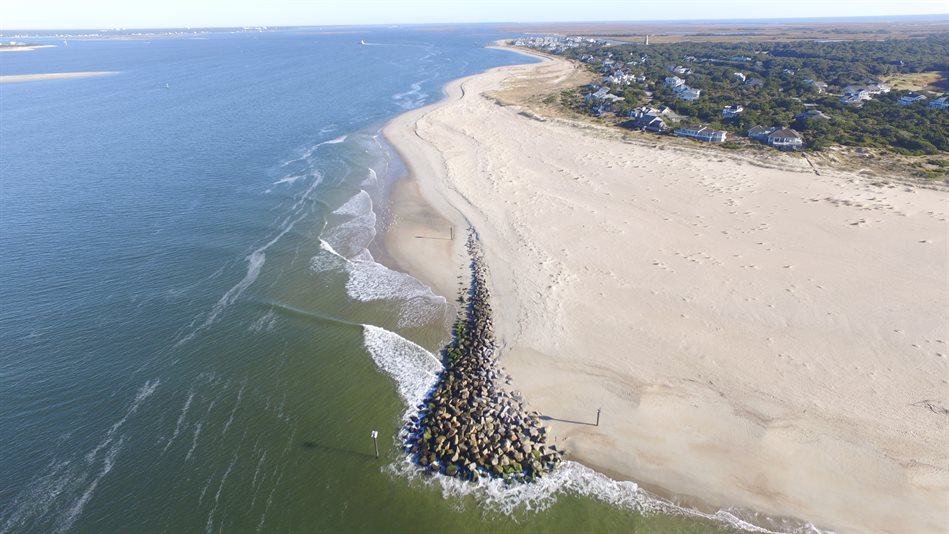
A terminal groin is a type of hardened erosion control structure that is built perpendicular to a shore at an inlet to trap sand. North Carolina law prohibits the allocation of state funds for these structures, which were banned for decades until 2011 when legislators repealed the law to allow a handful of beach towns the option to explore building them.
“We’ve worked with our partners, and we resolved any concerns to date,” Sen. Michael Lazzara, R-Onslow, said Tuesday morning.
The amended bill will now go before the Senate Rules and Operations Committee.
Lazzara indicated last week in a meeting of the Senate Committee on Agriculture, Energy, and Environment that the language in the bill might be revised.
Lazzara is one of the primary sponsors of that bill and Senate Bill 1009, which aims to overturn the state’s 40-year prohibition on hardened coastal erosion control structures, including breakwaters, bulkheads, seawalls, jetties, revetments, and terminal groins.
Supporter Spotlight

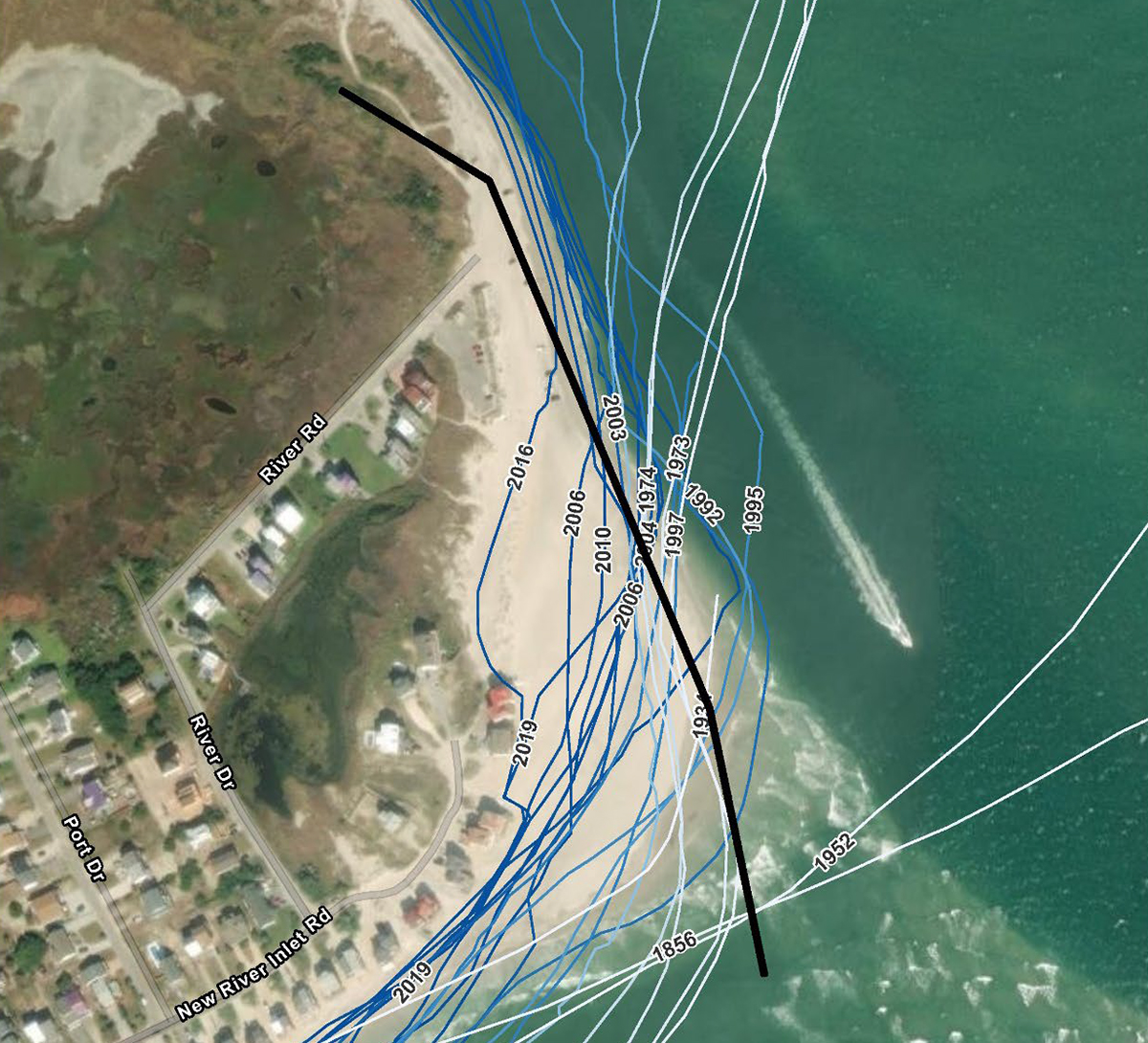
Hardened erosion-control structures have long been controversial because they capture sand that travels down the beach nearshore, depleting the sand supply to the beach immediately downdrift of the structure, stripping land that is natural habitat for, among others, sea turtles and shorebirds.
Senate Bill 1009 advanced last week to the Senate Appropriations Committee one day before the Coastal Resources Commission Science Panel released its draft report examining the effects of hardened erosion control structures on ocean coastlines.
The 47-page report, which was presented to the CRC last Thursday, was created to provide scientific and technical information for policymakers, regulators and legislators.
Science Panel Chair Dr. Laura Moore, a University of North Carolina at Chapel Hill professor in the Department of Earth, Marine and Environmental Sciences, explained to commission members that the report covers the physical and adverse effects, and ecological impacts, of hardened structures.