The North Carolina Division of Marine Fisheries has released its annual review of scientific and management information for managed coastal species in the state.
The 2025 Fishery Management Plan Review includes a dozen species or groups of species that are managed under DMF-implemented fishery management plans, 21 species or species groups that are managed by the Atlantic States Marine Fisheries Commission or federal councils, and two species that are managed by N.C. Marine Fisheries Commission rule.
Supporter Spotlight

The review compiles information collected during the previous calendar year and includes fishery-dependent data gathered from commercial and recreational fishermen as well as data collected by researchers in the field.
Summaries of life histories, stock assessments, fisheries and management of each species or species group is also included. The review is in addition to the comprehensive management plan reviews conducted every five years for the 12 state-managed species or groups of species.
The division notes this year’s review entails a number of highlights, including the following:
- No immediate need for management changes for bay scallop, leading division officials to request delaying the next bay scallop management plan comprehensive review until 2027.
- No required management changes in the state for red drum. The Atlantic States Marine Fisheries Commission’s 2024 regional benchmark stock assessment indicated that the north stock of red drum is not overfished and that overfishing is not occurring. However, the assessment noted concerning trends if fishing mortality. Changes in management that may result from the North Carolina red drum management plan review will have to comply with requirements of the ASMFC plan.
- Despite a cold stun event in 2025, indices in the spring and fall of that year showed higher relative abundance of spotted seatrout than the timeseries average. Under an amendment adopted by the state Marine Fisheries Commission in March 2025, all harvest of spotted seatrout will close through June 30 if a significant cold stun event occurs.
- Data from recreational and commercial fisheries show an increase in the proportion of larger southern flounder, a positive sign for that species’ stock. The division’s fishery-independent surveys indicate fluctuations in abundance indices, with no increasing or decreasing trends.
- Commercial landings of striped mullet have remained high since an amendment was adopted in May 2024 to end overfishing and rebuilt the stock. The review found that relative abundance has increased, which may correlate with high landings. DMF plans to further review and analyze available striped mullet data to assess trends and stock characteristics until a stock assessment for this species is scheduled.
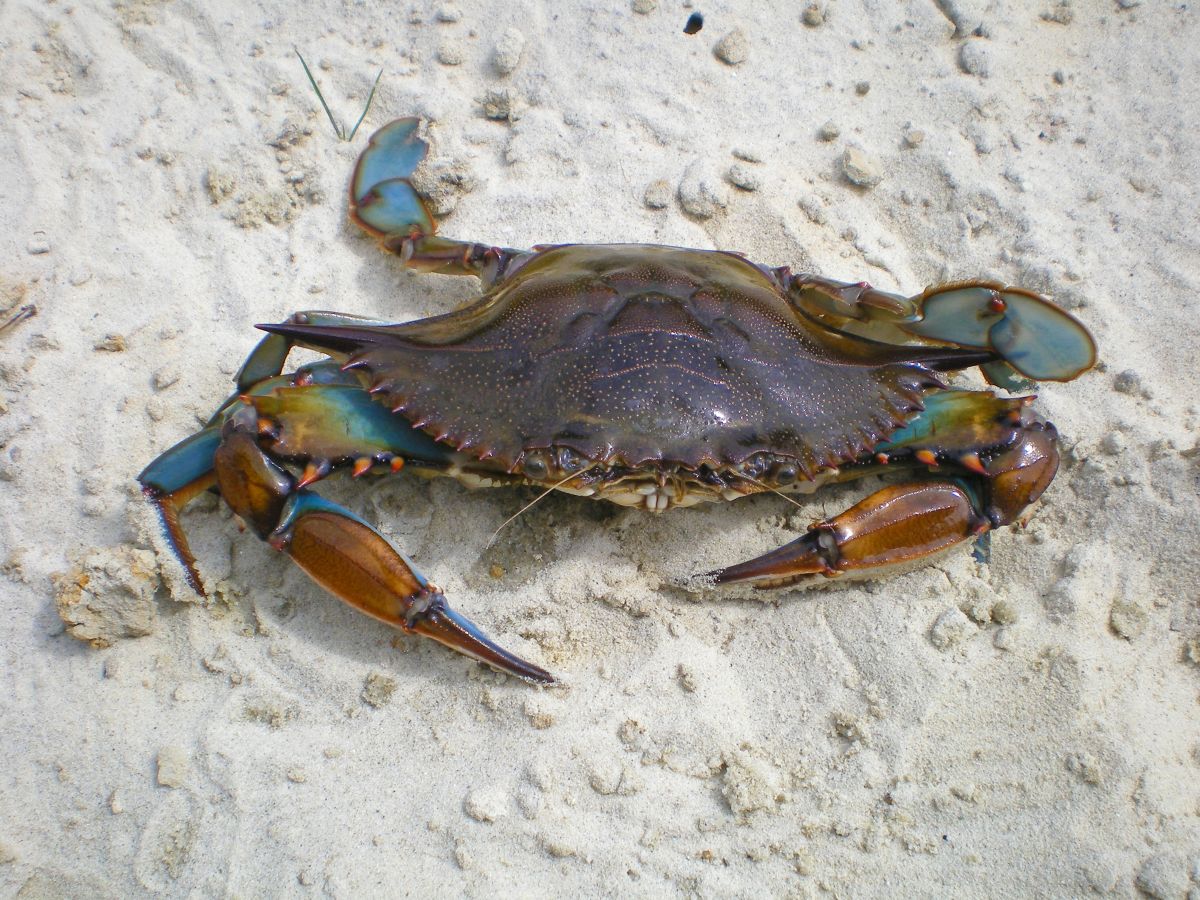
- Commercial landings, trips and fishery-independent indices of juvenile blue crab abundance show declines, measures that support the 2018 stock assessment findings that juvenile recruitment is in decline and has remained low. Results of the division’s benchmark stock assessment for blue crab are expected by late this year.