Nearly a dozen new and amended state fisheries rules touching on everything from false albacore management to shellfish leases and franchises are now in effect.
The N.C. Marine Fisheries Commission’s rule changes became effective June 1.
Supporter Spotlight

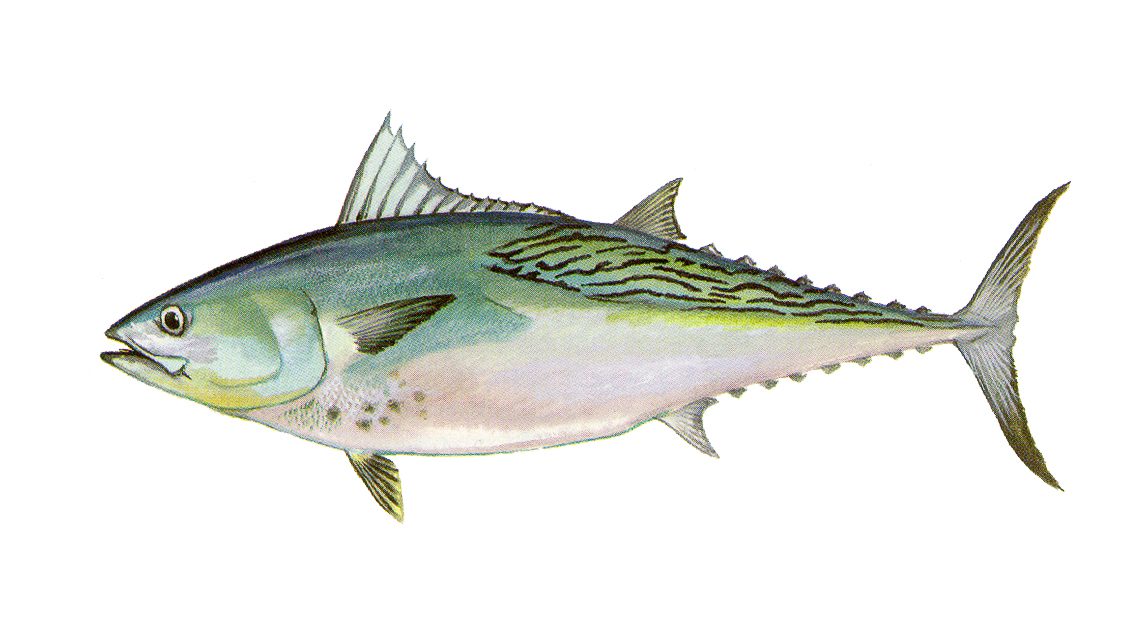
Under the new rules and amendments, North Carolina is now the second East Coast state behind Massachusetts to manage the false albacore, or “little tunny” fishery.
Rule 15A NCAC 03M .0523 authorizes the N.C. Division of Marine Fisheries director to issue a proclamation to manage the false albacore fishery if landings exceed a predetermined threshold. The director must be given prior approval before issue a public notice regarding that fishery.
“The rule establishes means to manage this fishery in North Carolina in case the fishery continues to expand,” according to a division release.
Under one of the new amendments, fishers who use pots are required to mark their pots with one, not two, forms of identification.
Amendments to shellfish leases and franchises that codify current procedures and align with state laws include the following:
Supporter Spotlight

- Removing franchises from productions requirements and termination procedures.
- Clarifying that production requirements for shellfish leases are based on the date a shellfish lease was granted or last renewed.
- Clarifying who determines eligibility for additional shellfish lease acreage, the time at which the determination of eligibility for additional acreage occurs, what is considered additional shellfish lease acreage and what is considered acres under a shellfish lease.
Also in effect are amendments to five permit rules, including:
- Requiring seafood dealers that reports trip tickets electronically to report quota monitoring logs electronically.
- Codify four permits in permanent rule that have been required by proclamation, including a dealer permit for the estuarine flounder fishery and the Estuarine Gill Net Permit. There are no changes to the permit requirements.
- Clarify a fish dealer is required to submit a trip ticket for fish not sold, consistent with the North Carolina Mandatory Harvest Reporting law and Marine Fisheries Commission rules for commercial harvest reporting requirements.
- Codify into rule a permit condition that has been required by proclamation that makes it unlawful to refuse to allow Marine Fisheries Commission employees to obtain data for the conservation and management of marine and estuarine resources.
- Broaden the definition of “educational institution” to include schools and educational organizations.
- Add links to webpages in rules for supporting information that can change frequently.
- Repeal the Horseshoe Crab Biomedical Use Permit due to lack of use. Harvest continues to be allowed during the open commercial bait harvest season.
- Add email as an additional means to satisfy call-in requirements for the Scientific or Educational Activity Permit and Weekend Trawling for Live Shrimp Permit.
- Remove the requirement to notarize a permit application and, instead, require only the initial permit general condition form to be notarized.