
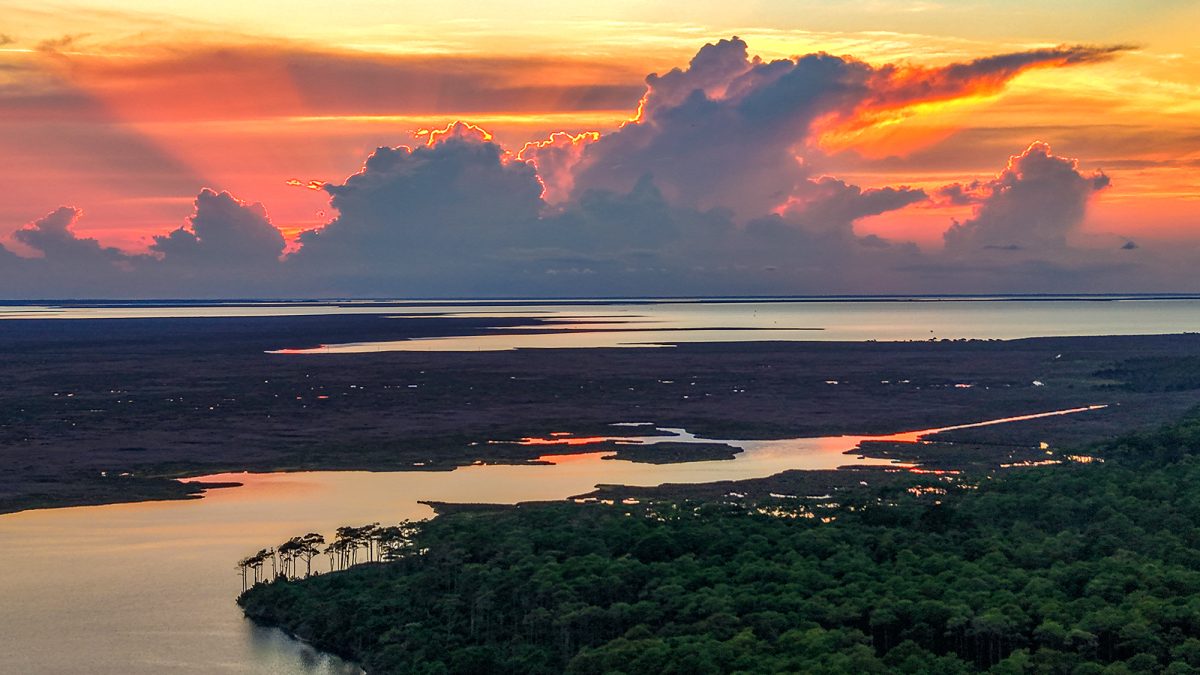
The sun sets behind a cloudbank Saturday as shown from above the Cedar Island National Wildlife Refuge. The refuge off Lola Road on Cedar Island in Carteret County that was established in 1964 occupies 14,494 acres on a peninsula jutting into southern Pamlico Sound, with N.C. Highway 12 slicing through and the 5,500 acres the state conserved in 2019 just to the east. Both offer opportunities to immerse one’s self into nature, such as hiking, paddling, birding and nature viewing, as well as numerous other activities. Photo: Dylan Ray
nature
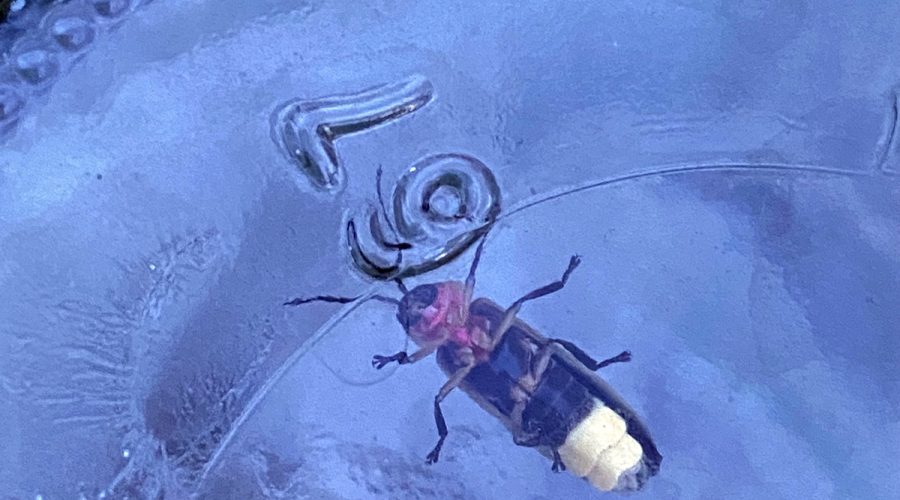
Lightning bugs: Less yardwork may reverse their decline
A glass Mason jar full of fireflies has delighted countless numbers of young nature explorers, but these illuminating creatures have more to do with gardening than what meets the eye.
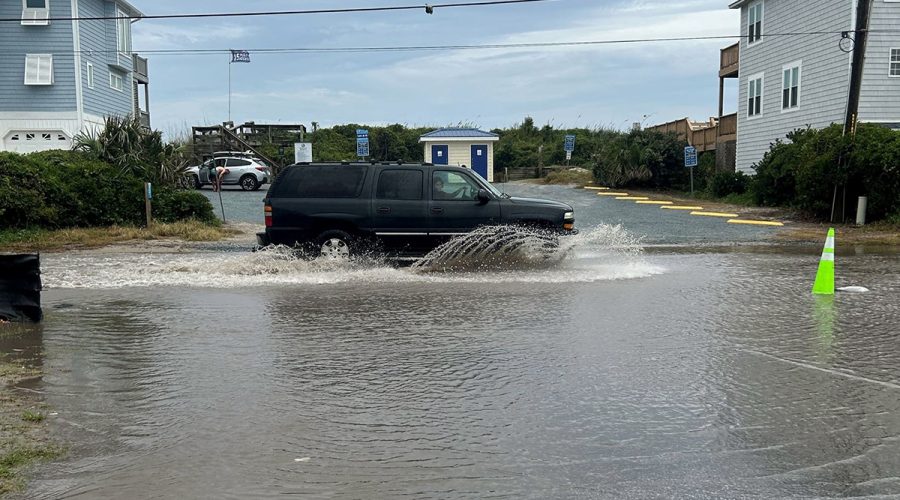
‘Astonishing’: Topsail Island stormwater projects yield results
Officials in the three Topsail Island towns see improvement in the chronic street flooding that had long been a problem after an agreement to take on an island-wide resiliency project.
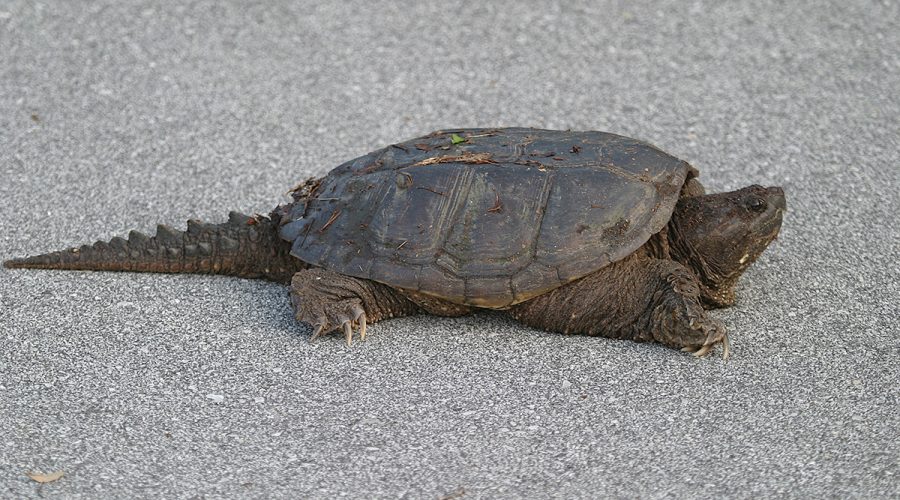
My uncommon interactions with common snapping turtles
Snapping turtles have quite the reputation, a larger-than-life mystique rife with legend and lore, but despite their fierce appearance, they are rarely aggressive toward humans while in the water, but on dry land — mind your fingers!
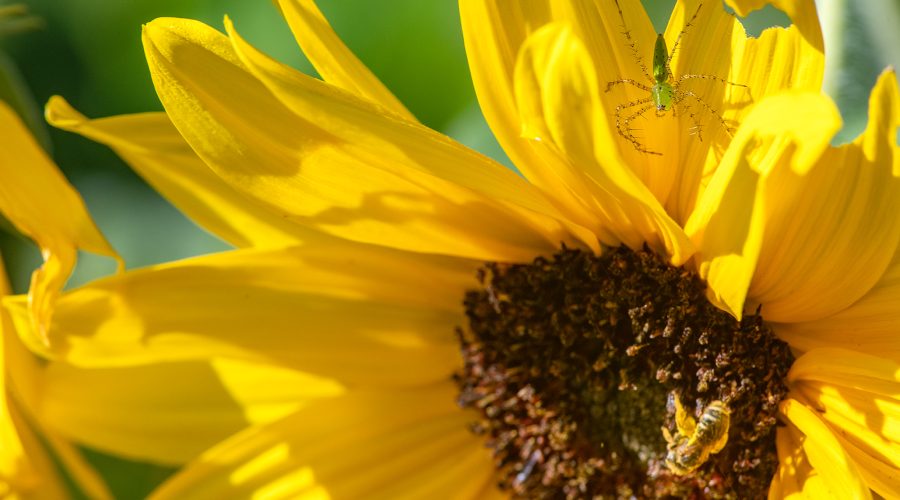
Sunny surveillance
A lynx spider covertly watches as a pollinator bee forages on a sunflower blossom in a garden near Russell Creek in Beaufort. Photo: Dylan Ray
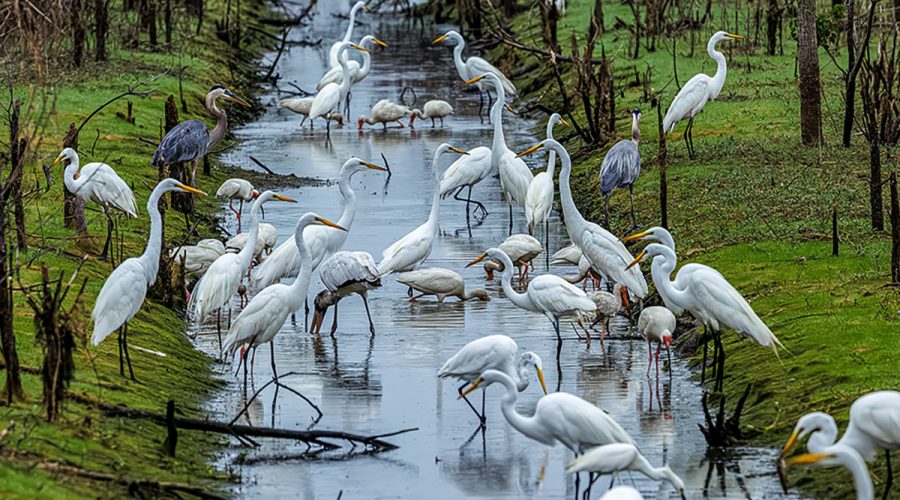
Drought creates feeding trough
The state’s ongoing drought is affecting water levels in the North Carolina Coastal Federation’s North River Wetland Preserve near Otway, where wading birds take advantage of conditions recently to feed on the fish, tadpoles, frogs and aquatic insects left with nowhere to go. Nearly the entire state was facing drought conditions at the time this was published, with most of the coast in moderate drought with increasing severity toward New Hanover and Brunswick counties and the western portions of most other coastal counties.
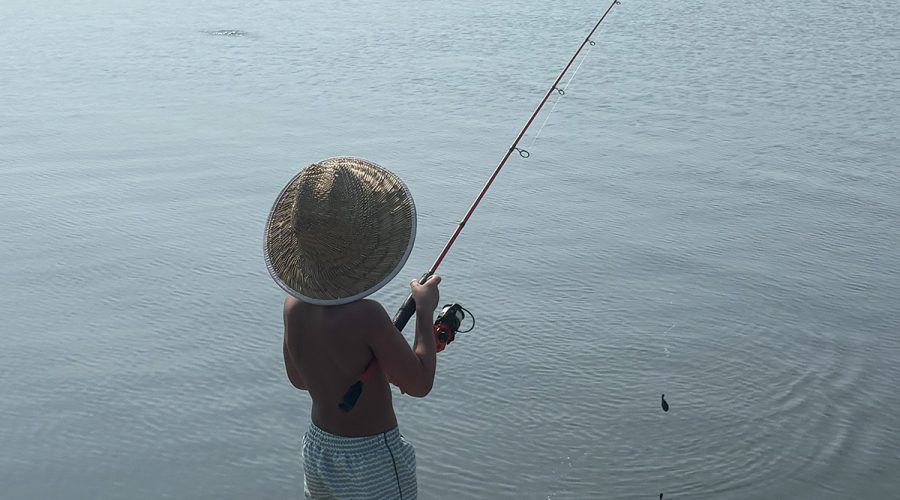
Early morning angler
Case Skinner, 4, son of Kathleen and Jeremy Skinner, fishes from his parents’ dock on on the Newport River in Mill Creek, an unincorporated community in central Carteret County. The young Skinner is also accomplished with a cast net. Photo: Jeremy Skinner
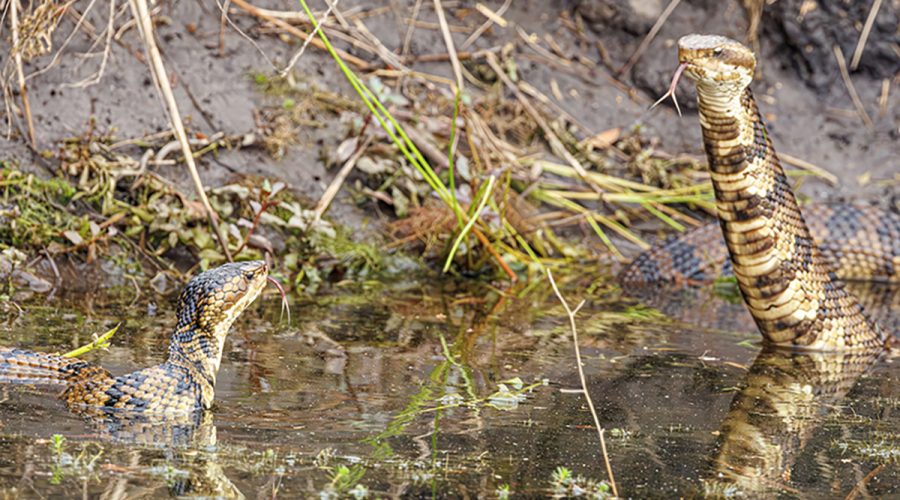
Pit viper stare-down
Two cottonmouths, aka water moccasins and known scientifically as Agkistrodon piscivorus, came face to face while foraging Sunday at the North Carolina Coastal Federation’s 6,000-acre North River Wetlands Preserve, with one rising up and the other backing down. One of six venomous snakes in North Carolina, the cottonmouth is the most aquatic, preferring wetter habitats. It’s a pit viper, having a pit on its face that senses heat. The North Carolina Wildlife Resources Commission offers tips on how to coexist with snakes. Photo: Doug Waters
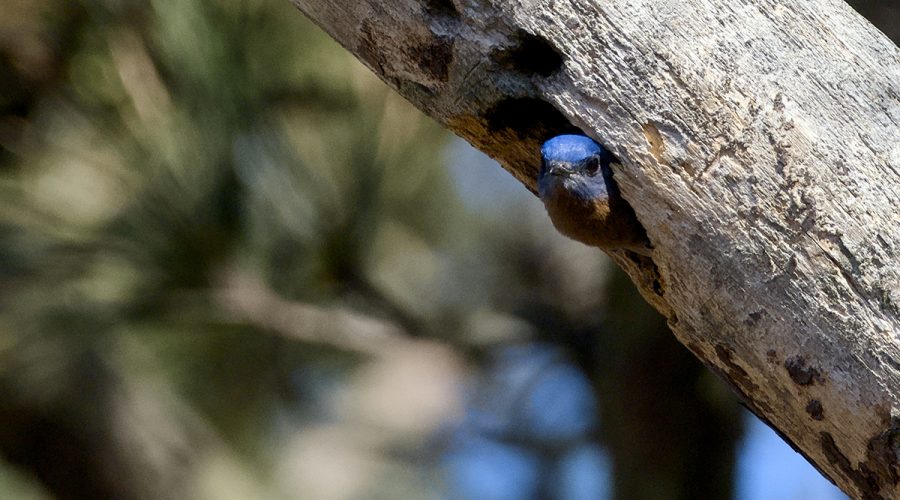
Mr. Blue has eyes for you
A brightly hued eastern bluebird peeks out from a knothole in a tree at the Dare County Arboretum and Teaching Garden in Kill Devil Hills. Male bluebirds tend to draw attention to themselves at their nest cavities in this way to lure potential mates, according to Cornell Lab. Dare County Extension Master Gardener volunteers maintain the arboretum garden at 300 Mustian St. Photo: Kip Tabb
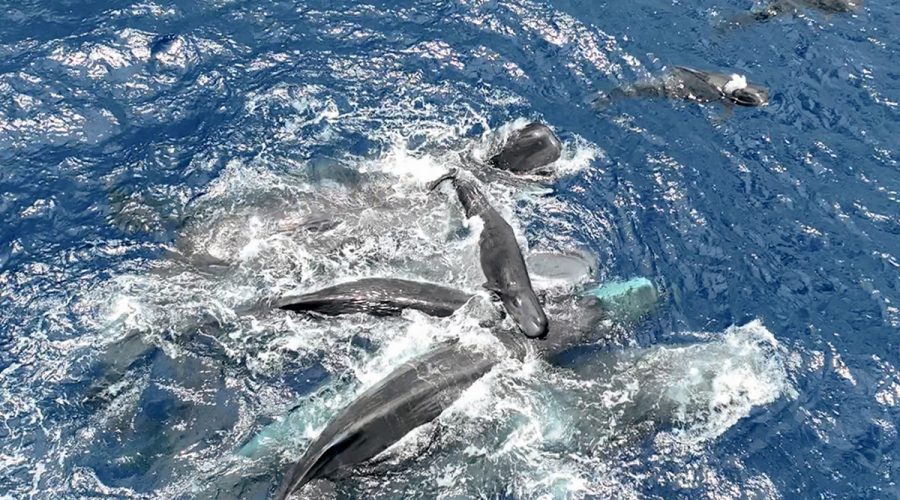
Scientists record female sperm whales assisting in calf’s birth
A research team was working the summer of 2023 off the coast of Dominica when they made the “impossibly rare” observation of a mother sperm whale giving birth and the newborn assisted by the other whales in taking its first breath, all while recording their underwater vocalizations.
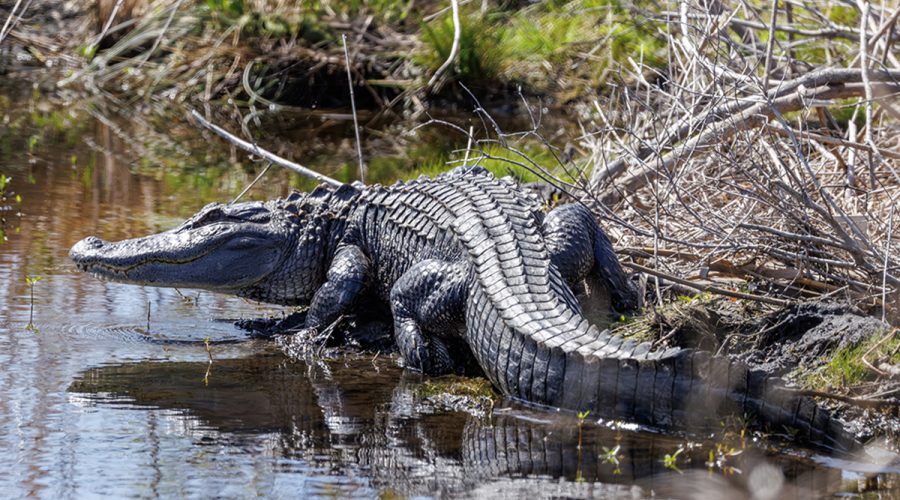
Nice alligator; see you later
An American alligator sunning at North River Wetlands Preserve in Carteret County slides in for a dip recently as March temperatures rose. The 6,000-acre preserve is the North Carolina Coastal Federation’s project to return farmland back to its original state and to use the wetlands to naturally treat polluted runoff. The Coastal Federation publishes Coastal Review. Photo: Doug Waters
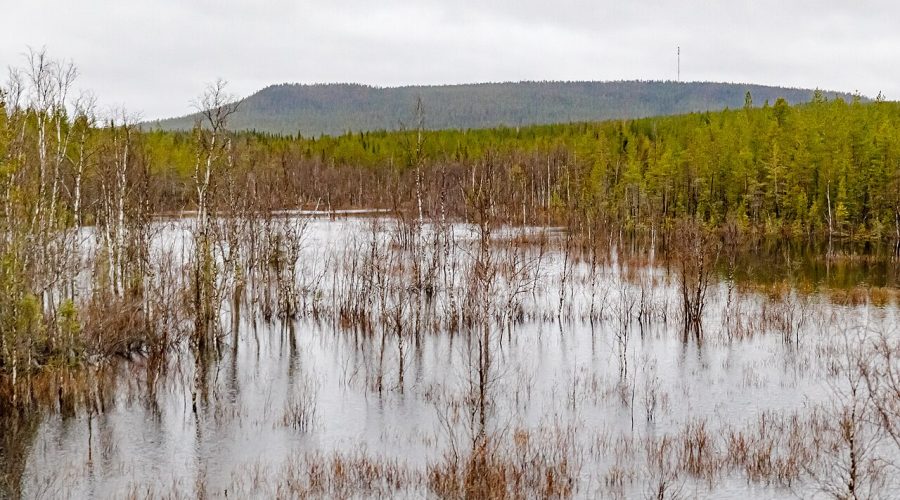
Friends group to organize nature trip to Finland, Arctic
The Friends of the North Carolina Maritime Museum Beaufort is set to offer a two-week travel opportunity next year to see the birds, wildlife and natural history of Finland.
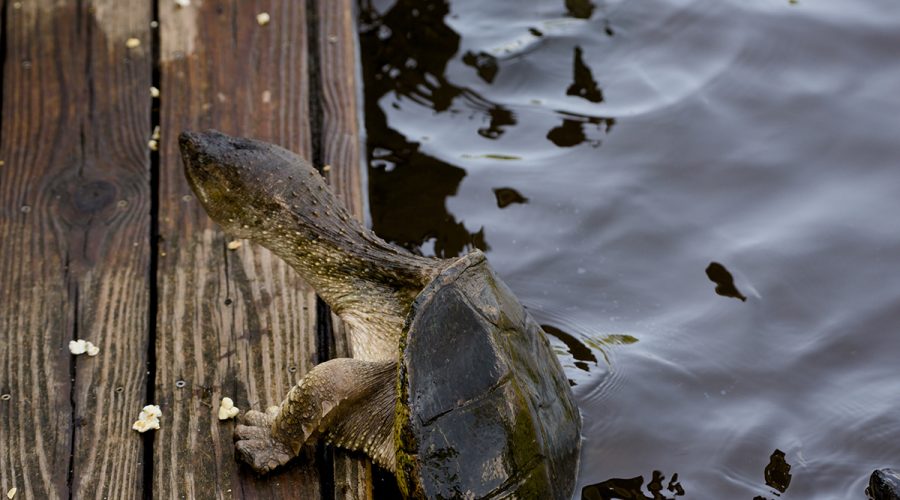
Coming ashore
A snapping turtle climbs from the water for a snack recently at Sandy Run Park in Kitty Hawk. The park at 4343 The Woods Road offers public access to the Kitty Hawk Woods Maritime Forest, a half-mile nature trail with a pair of gazebos, canoe or kayak access, a nature observation tower, a catch and release fishing pier, picnic tables, benches and interpretive signage. While Sandy Run Park is home to friendly turtles, visitors are asked to not feed them. Photo: Kip Tabb
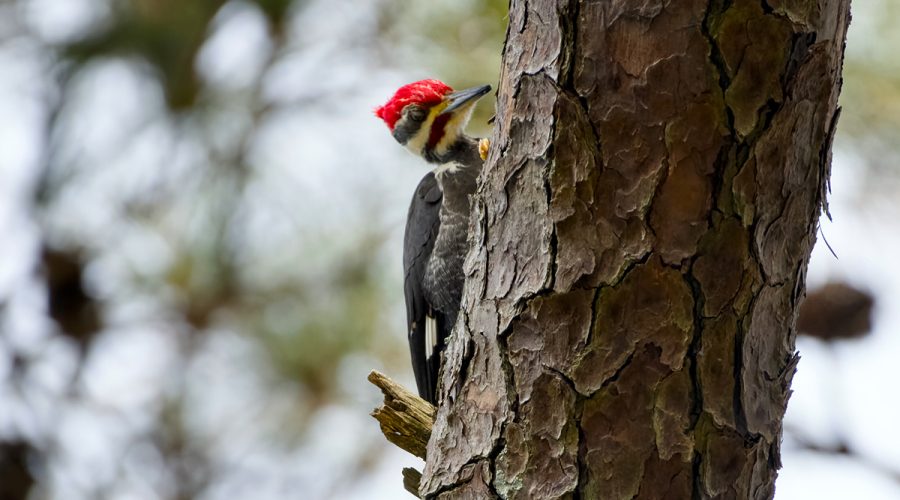
Brilliant redhead on the hunt
A male pileated woodpecker, or Dryocopus pileatus, searches for a snack Sunday in the bark of a pine tree in Nags Head Woods Preserve, one of the largest remaining maritime forests on the East Coast, according to The Nature Conservancy. This woodpecker, which feeds on insects in trees and logs, is one of more than 150 bird species visitors may spot at the preserve, and at least a third nests here, according to the conservancy. Photo: Kip Tabb
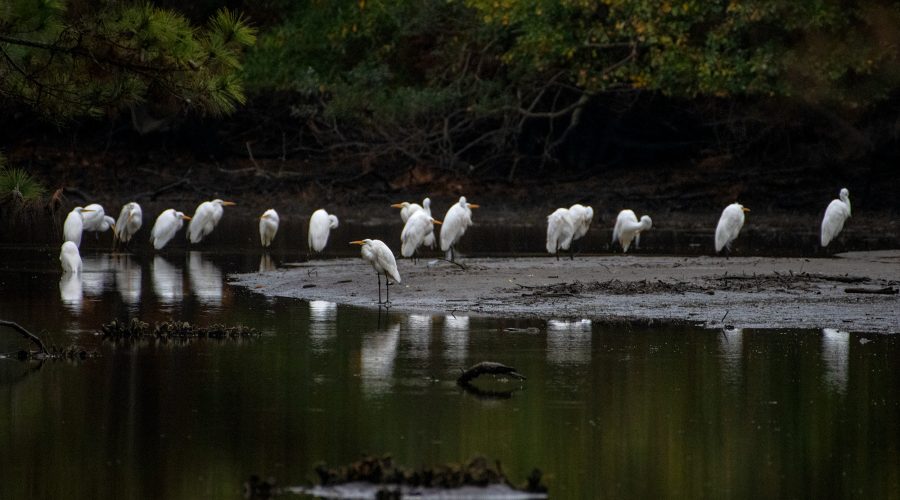
Ruffled feathers hunker together
A siege of herons takes refuge Monday from high winds near Russell Creek in Beaufort. Photo: Dylan Ray
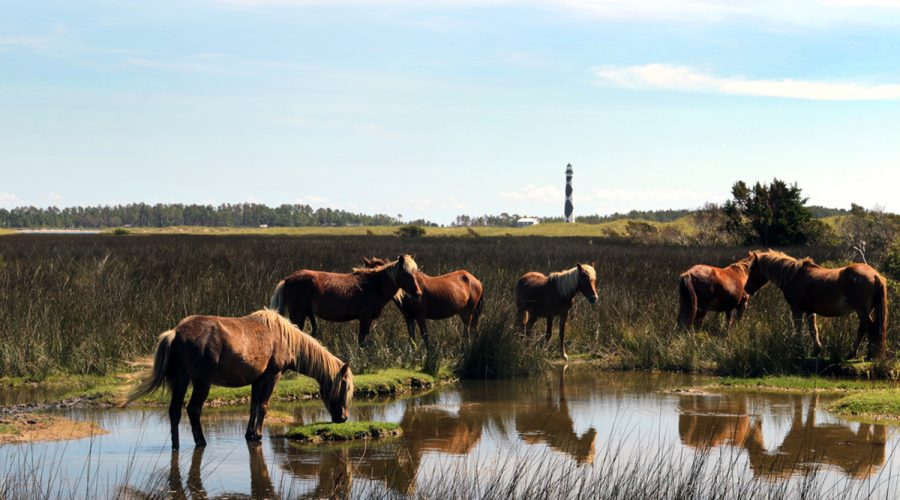
Opinion: For whose benefit are barrier island horses?
Guest commentary: Invasive species pose a serious challenge for ecosystems that have not evolved alongside them, and such is the case with North Carolina’s crystal skipper and the nonnative horses allowed to roam the barrier islands that are the butterfly’s only habitat.