Maybe you noticed, maybe you didn’t, but Easter came really early this year. But what does a bunny hand-delivering colored eggs and loads of chocolates have to do with gardening?
Ever wonder why Easter hops around like a bunny trying to get away from a fox? Most, although not all, holidays fall each year on a set date. It’s much easier to keep track of them that way. What if Valentine’s Day and Christmas jumped around the way Easter does? It makes it kind of hard to plan decorating and festivities, doesn’t it? It’s a challenge to even remember when to celebrate.
Supporter Spotlight
So why is it that Easter skitters hither and yon like a drop of water on a hot skillet? Is it simply afraid of commitment?
How many of you, enticed by our warmer-than-usual March weather, gleefully donned your shorts and flip-flops and got all gung-ho about planting your garden or your flowerbeds? The big-box stores were certainly eager to foster your addiction with all kinds of Hansel- and Gretel-esque “gingerbread house” plant displays.
Long before Easter was, well, Easter, the date now chosen as the holiest of Christian holidays was earlier established as an ancient planting guide that varied, according to the full moon. Our ancestors didn’t always have calendars. Some of them just didn’t pay that much attention. Others, like some of us, wanted to jump the gun and get a head start on the planting season. Weather was cold, weather turned warm, and then they got antsy, the same way we do.
Unlike us, if they planted and lost their seeds or tender, young plants to frost or cold weather, they couldn’t just run out to the nearest garden center and buy more. Saved seeds were often the difference between having plenty of food and going hungry — or even starving to death.
And then there’s that pesky difference between cole crops and warm-season crops. Some plants thrive in cold weather, and some can’t stand it. Some plants love hot weather, and some melt. It’s like the difference between someone who loves winter and someone who prefers summer.
Supporter Spotlight

Not only do we need to know when to plant, we need to know what to plant. Blessed as we are, here on the coast, with multiple growing seasons, there’s still an art to getting the cole crops finished before the heat sets in, and getting the warm season crops in as soon as we can without them getting zapped by frost.
You may be thinking, “We’re not growing crops on the moon, so what difference does the moon make to anything?”
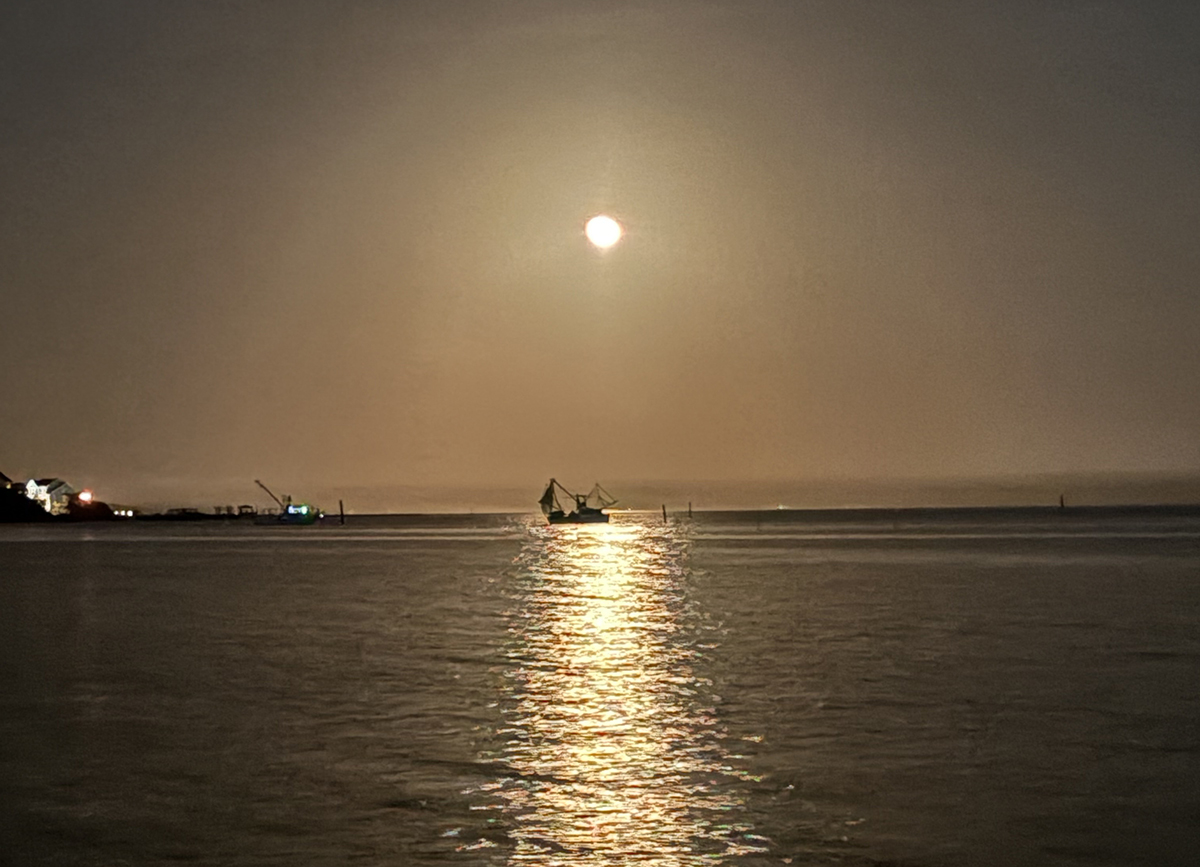
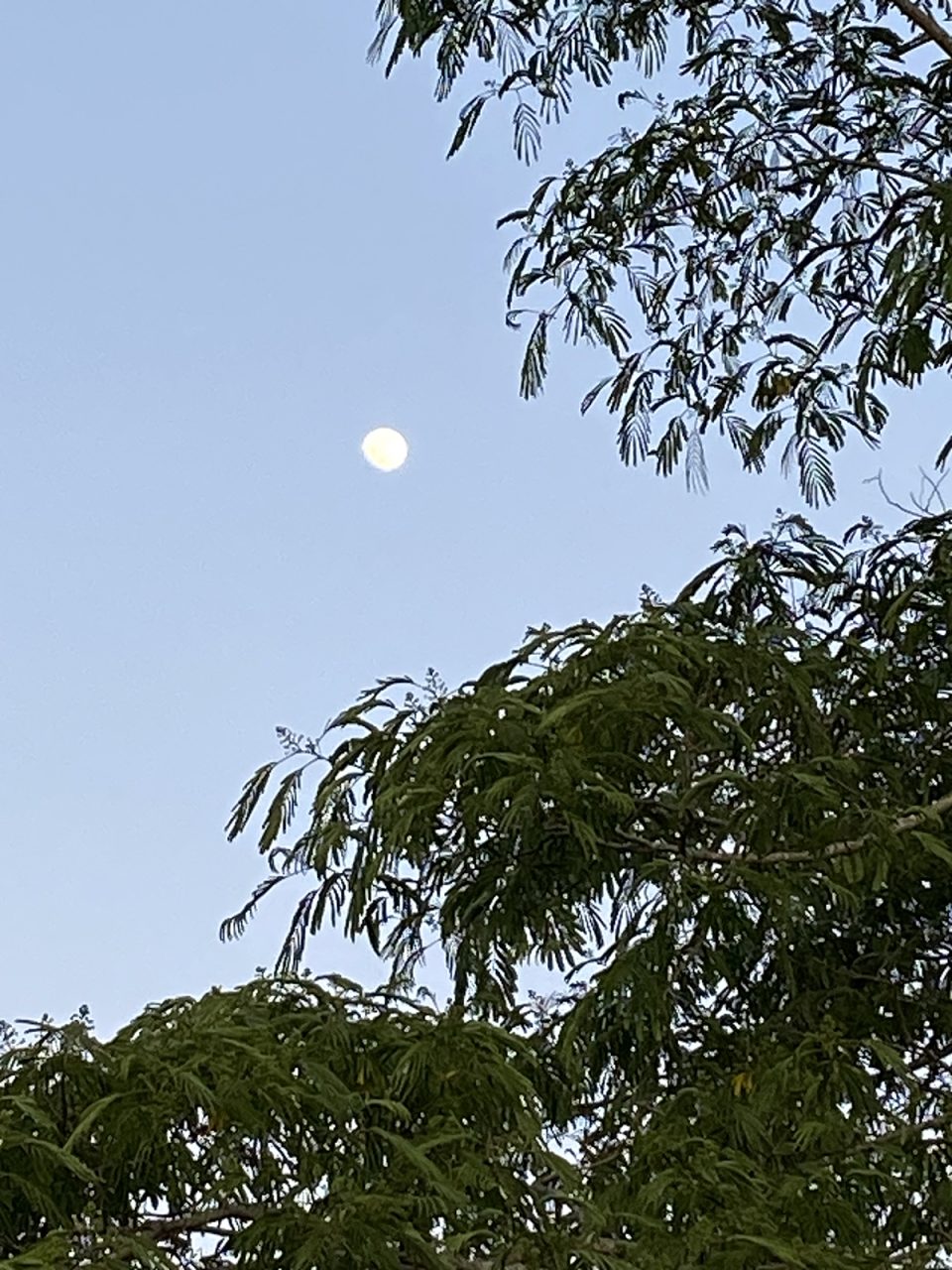
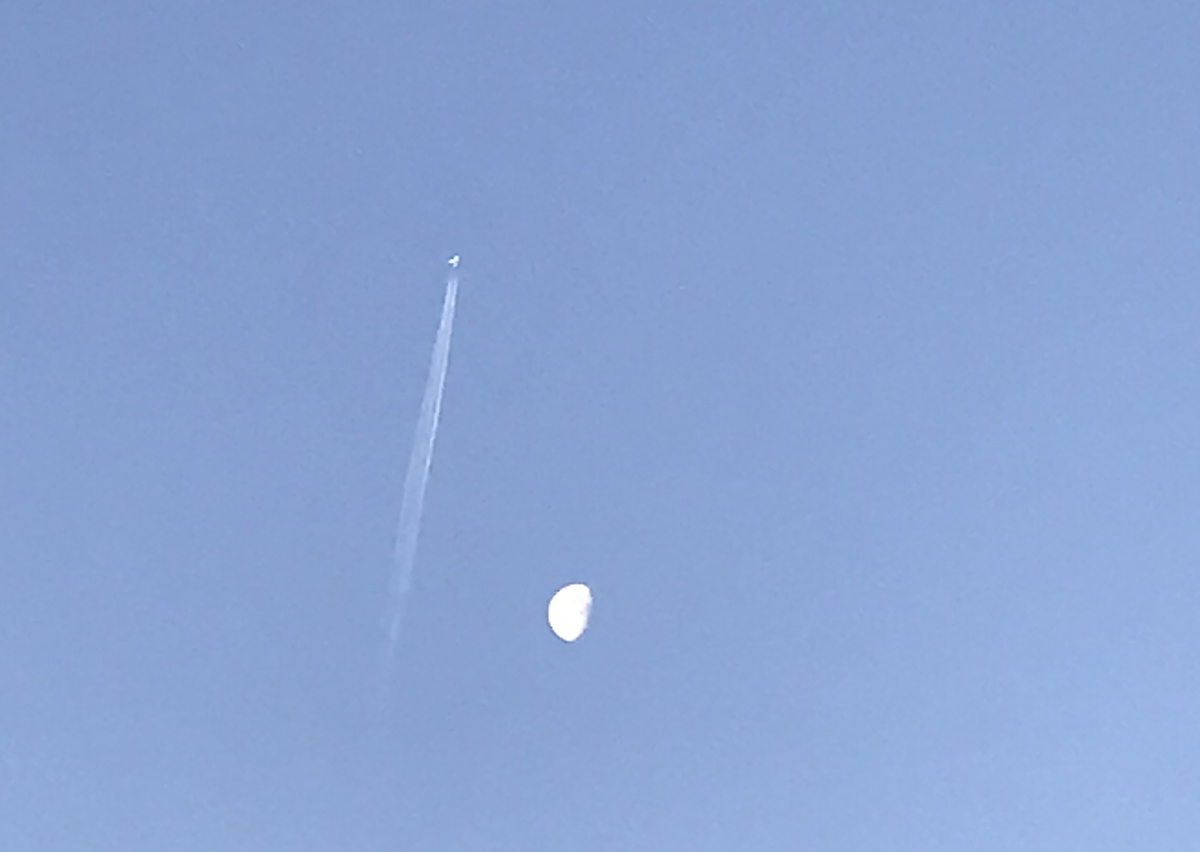
The moon, that gorgeous, greenish cheese wheel in the sky, waxes and wanes on a regular schedule. Full every 28-ish days, its increasing and decreasing size affects far more than we realize. Weather. Animals. Humans. Oceans.
Without looking it up, do you know what phase the moon is in right now? It cycles over 29 ½ days from new, when we can’t see it at all, through waxing crescent, which is a thin crescent on the right; and then first quarter, or half-moon; waxing gibbous, which is between half and full; full; waning gibbous, or between full and half; third quarter or half-moon; and waning gibbous, a thin crescent on the left.
Because it can be full every 28 days, it’s entirely possible to have two full moons in the same month, a phase we call a “blue moon.”
There’s usually a significant weather event a couple days on either side of a full moon, whether it be cold, storms, or what have you. Insects hatch out worse around a full moon. Animals, such as deer or fish, feed at different times, according to the phase of the moon. It’s long been a belief that humans get crazier around a full moon. Just ask any nurse, police officer, or teacher.
The moon, our lovely nightlight, moves all the water on the planet four times a day. Think about that! And since humans are walking, talking, thinking (sometimes) bags of water, it has to have an effect on us as well.
Living mostly inside in our heated and air-conditioned homes, most of us don’t pay much attention to the stages of the moon anymore, or even to the moon itself, unless we happen to catch sight of a full moon while moving from the enclosure of our cars to the enclosure of our homes. In times past, the moon was a valuable predictor or harbinger of numerous different events, and wise people paid attention.
So, what does the full moon have to do with Easter and planting?
The reason the holiday doesn’t fall a set date is this: Easter is always the first Sunday after the first full moon after March 21. The spring equinox is March 21, so depending on the Paschal Full Moon, Easter can fall anywhere between March 22 and April 25. However, if the full moon falls on a Sunday, Easter will be the following Sunday.
The spring, or vernal, equinox, is when the sun rises due east and sets due west, and it was marked by the ancients at places like Stonehenge and Chichen Itza to signify the end of winter and the renewal that follows, the beginning of spring.
Theoretically, in our area, there shouldn’t be any more frost after Easter. Easter this year was April 5, while our last frost date is usually determined to be around the 15th of April.
Now, are you beginning to see why Good Friday is often known as “planting day?” Seeds put out after that time should be OK. Keep in mind, warm season crops such as tomatoes, peppers, cukes and eggplants need nighttime temps in the mid-60s to thrive.
If there’s one thing consistent about weather, it is that it’s going to be weather, and like an exhausted, hyped-up toddler on a sugar rush, it’s going to pitch a fit and do what it wants!
This is exactly why there would always be one wise elder in the village or larger area who carefully and accurately kept track of the moon and its phases — the one who cried out, “Stop! It’s not time yet! It’s too early! Wait!”
Just like now, some people listened and some didn’t. Sometimes their jumping the gun worked, and sometimes they failed abysmally.