
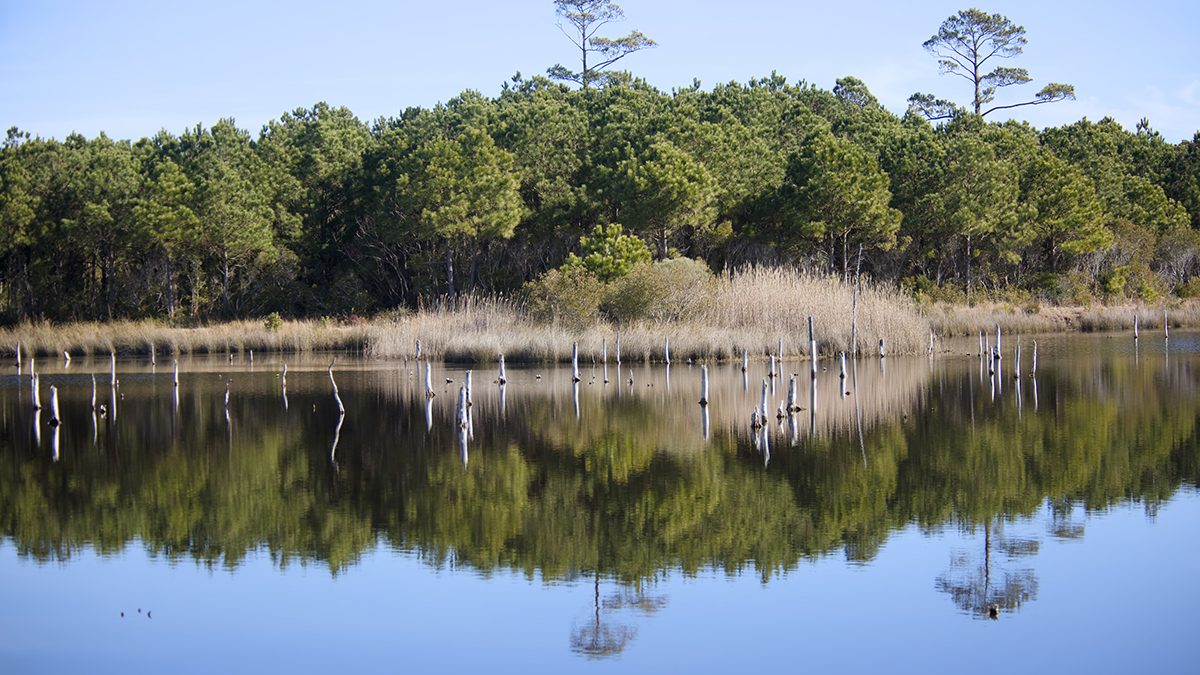
The milelong hike around Manteo Marshes can be a birdwatcher’s joy — or not — so be patient because when it’s good, it’s spectacular.
commentary
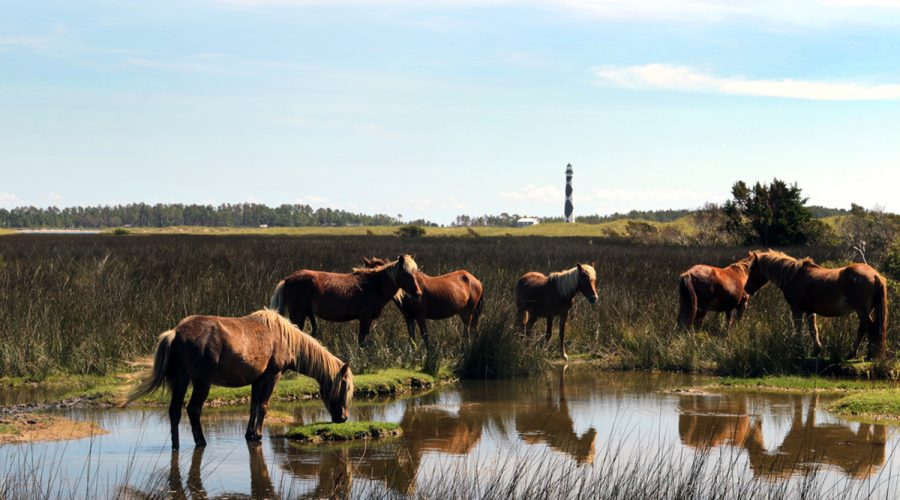
Opinion: For whose benefit are barrier island horses?
Guest commentary: Invasive species pose a serious challenge for ecosystems that have not evolved alongside them, and such is the case with North Carolina’s crystal skipper and the nonnative horses allowed to roam the barrier islands that are the butterfly’s only habitat.

Port’s Cape Fear dredge project fails taxpayers, environment
Guest commentary: Deepening the Cape Fear River will only worsen flooding around the downtown Wilmington waterfront and the North Carolina Battleship site and lead to a substantial loss of vital wetlands and floodplains.
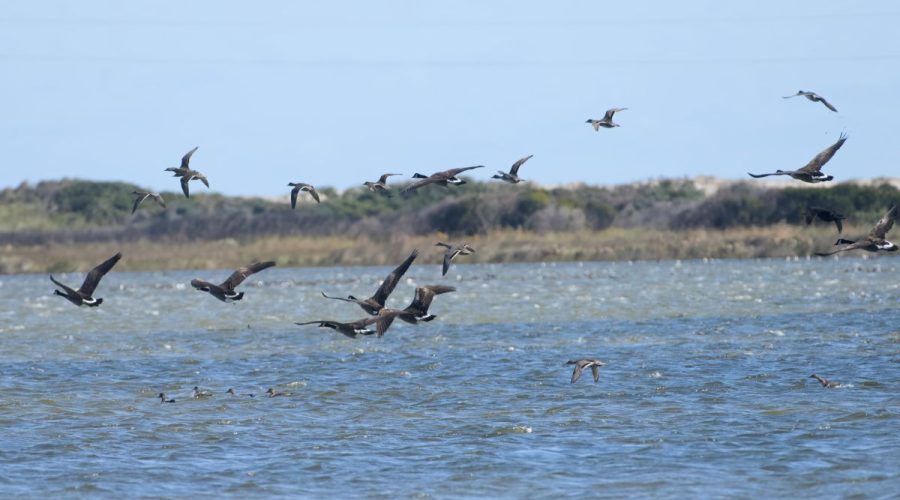
Tabb’s Trails: Along the North Pond Wildlife Trail
Saturday, Oct. 18, turned out to be a remarkable day on the half-mile trail behind Pea Island National Wildlife Refuge’s visitor center, with rarely seen species and migratory waterfowl.
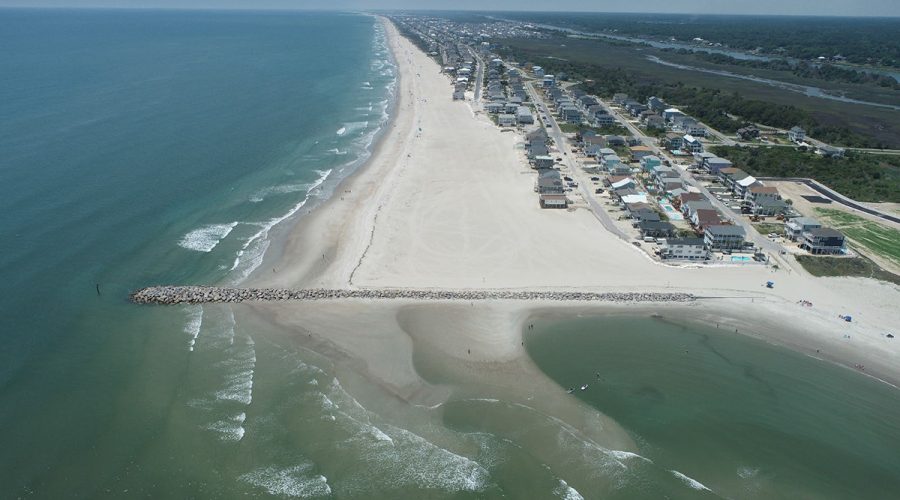
Opinion: Ocean Isle’s terminal groin process fully transparent
Readers are not provided full context and are left with an incomplete understanding of the facts regarding the lengthy, transparent public process behind the town’s terminal groin project, writes Ocean Isle Beach Mayor Debbie Smith.
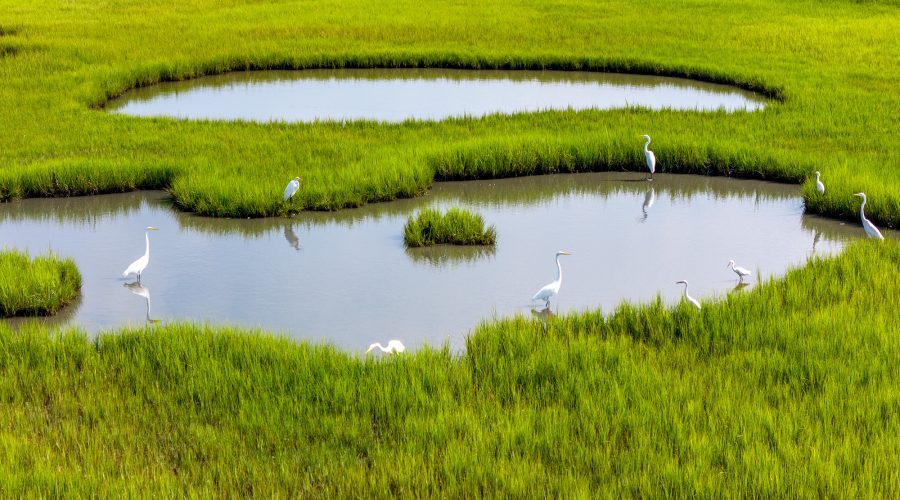
Coastal habitats are North Carolina’s hidden climate engines
North Carolina’s abundant coastal wetland ecosystems are highly effective carbon storehouses, serving to slow climate change’s pace while also providing vital fish nurseries, wildlife havens and storm buffers.
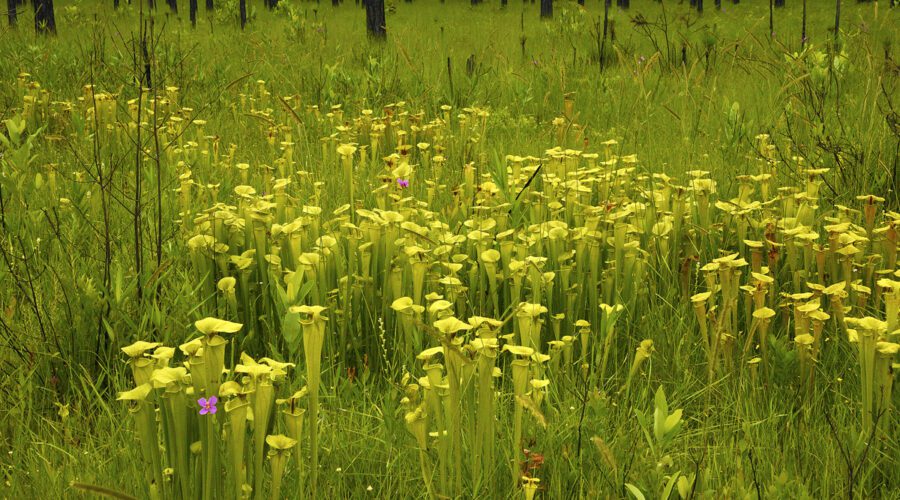
Roadless Rule protects US wildlands, Croatan National Forest
Guest opinion: The federal Roadless Rule was adopted with massive public support and now protects 58.5 million acres of roadless national forestland in 39 states, but it’s in jeopardy and our voices are powerful.
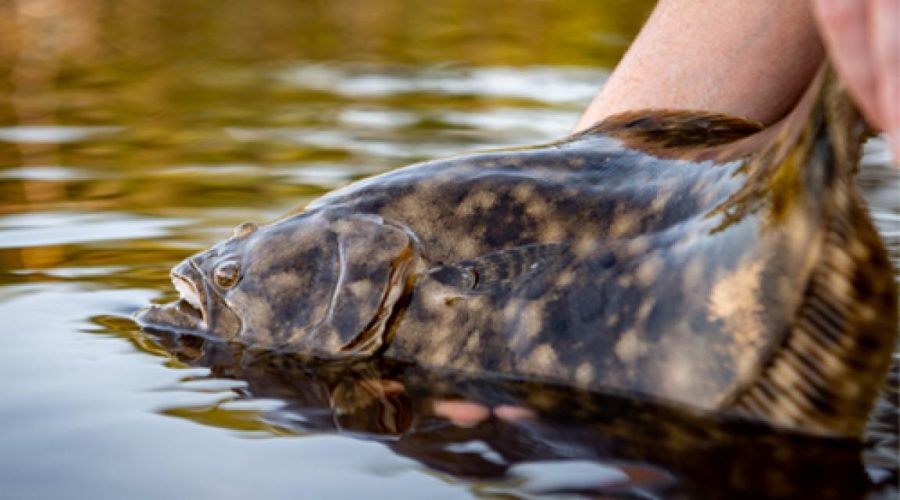
Southern flounder: Warmer seas may skew iconic fish’s future
Guest commentary: Southern flounder are unusually sensitive to climate change because water temperatures during their juvenile stage determines whether they develop as male or female — and the implications are stark.
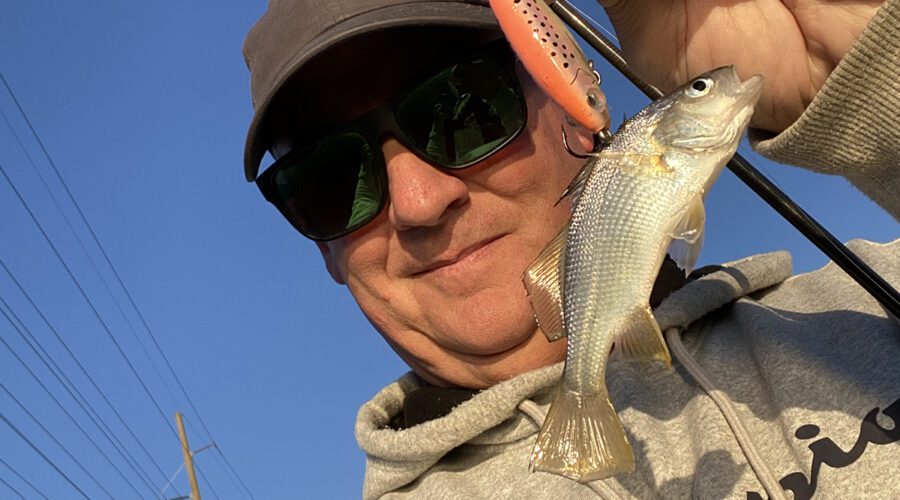
Go for glamour, but also be prepared to catch those ‘other’ fish
Glory species such as speckled trout, red drum, flounder and king mackerel are what nearly every saltwater angler loves to target, but often you’ll have to deal with an unwanted, sometimes dangerous catch.
PACT Act ignores TCE, PCE contamination on military bases
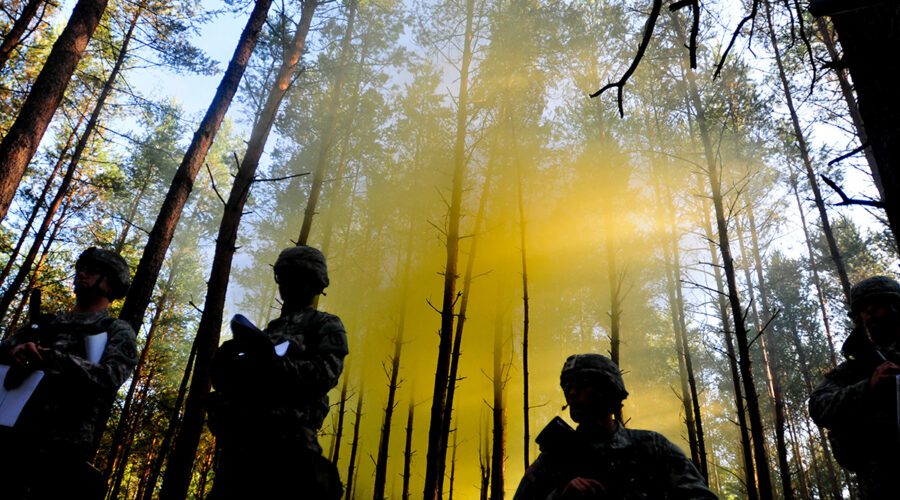
Guest commentary: With more than 620,000 veterans living in North Carolina, many likely exposed to recently banned compounds trichloroethylene and perchloroethylene while working for the military, updating the toxic agents list is essential for equal access to benefits.
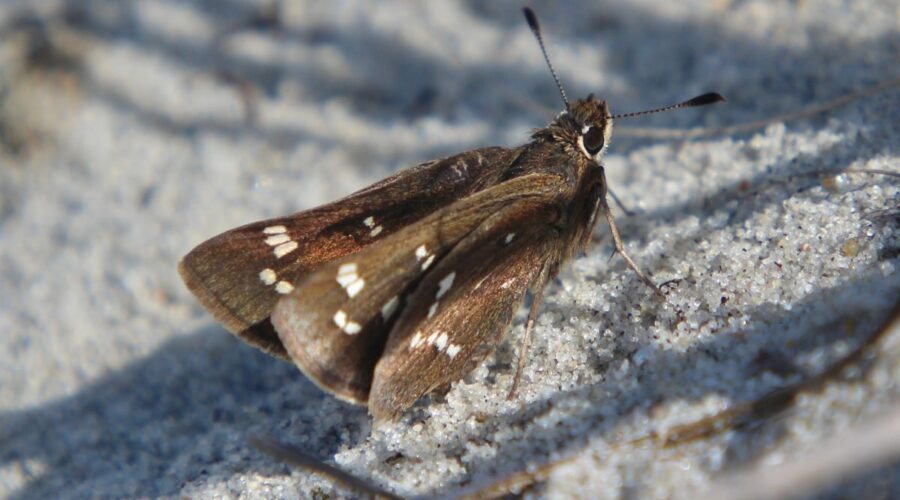
Tales from the dunes: Butterflies in science, sentiment
NC State and North Carolina Aquarium researchers have traipsed across sand to study the crystal skipper, a butterfly known for its white speckled wings that can only be found in the Bogue Banks area.
Bulkhead alternatives could reimagine a changing coast
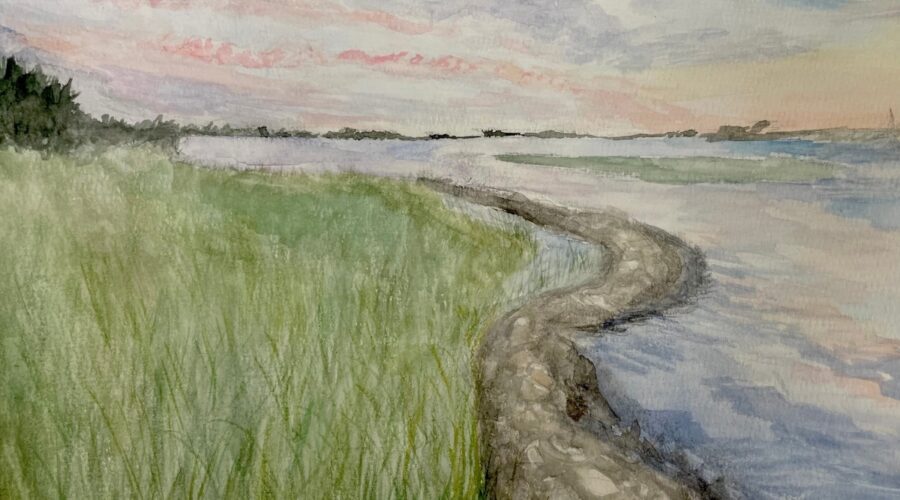
Duke University undergraduate Ava Kocher in this guest commentary explores the value of using living shorelines to protect wetlands and property.

‘Egg drop challenge’ launches ‘egg-cellent’ questions
The incredible, edible egg is also breakable, but at what height? Heidi Skinner has some questions about a Massachusetts Institute of Technology study on the “egg drop challenge.”
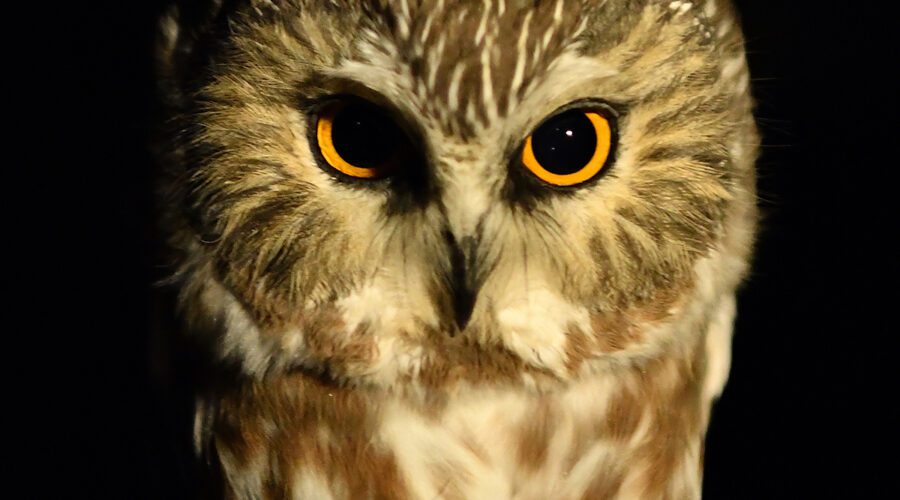
Sam’s Field Notes: Migratory owls and climate change
Naturalist Sam Bland and his wife Bright, while in western Wyoming, recently trekked into the night to observe a researcher who specializes in capturing, banding and monitoring the movements of northern saw-whet owls, a threatened species here in North Carolina.
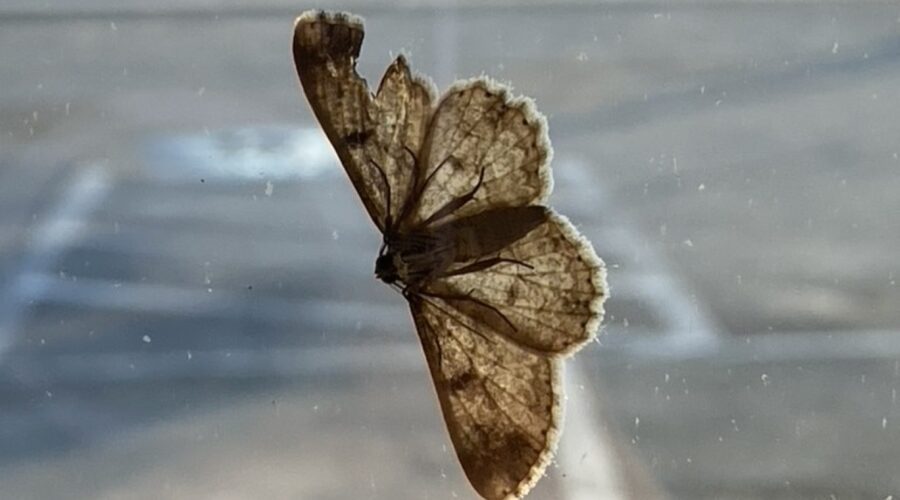
Don’t be bugged by bugs, they show us if a garden is healthy
In today’s Budding Wisdom, Heidi Skinner writes about the two kinds of bugs: “the ones we love and the ones we loathe” and “whether we like them or not, insects definitely have their place.”
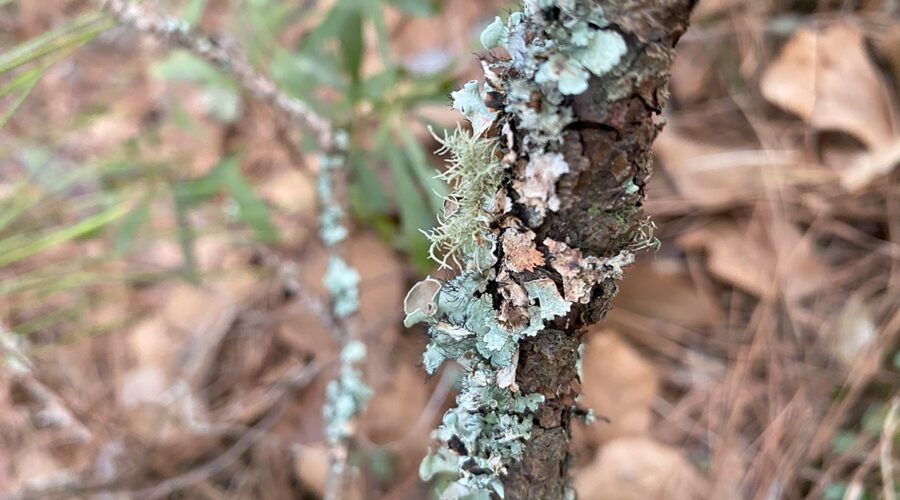
Likable lichens a bigger part of our lives than we may know
Birds and other animals, as well as humans, have for centuries found useful these complex communities of organisms that are found everywhere on Earth, yet we are still learning about them.