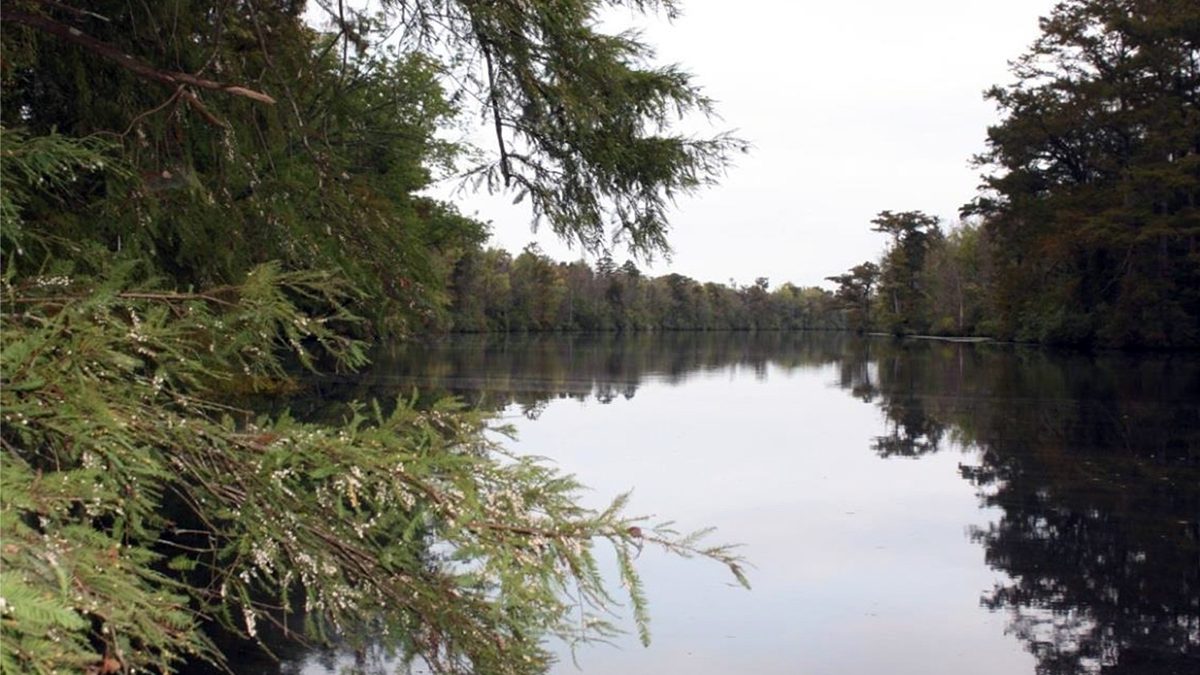
Proposed changes for the 2027-28 hunting, fishing and game land state regulations, which will be discussed at two public hearings set for later this month, are now open for public comment through Sept. 14.
Wildlife Resources Commission
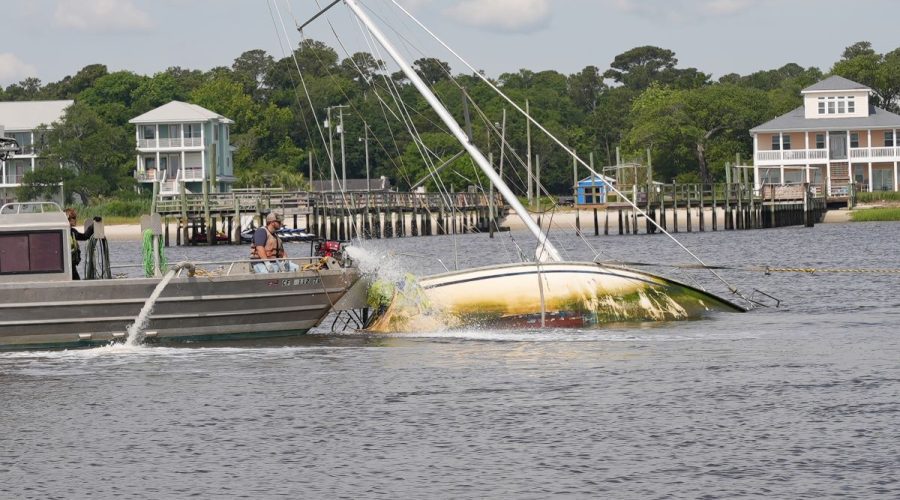
NC coast is state’s greatest investment; new budget treats it so
Commentary: Bipartisan agreement this year, combined with nurtured relationships, sound science and practical problem-solving, resulted in permanent funding to rid coastal waters of abandoned and derelict vessels and money for projects that improve water quality, bolster resilience and help preserve the natural resources that sustain economy and our quality of life.
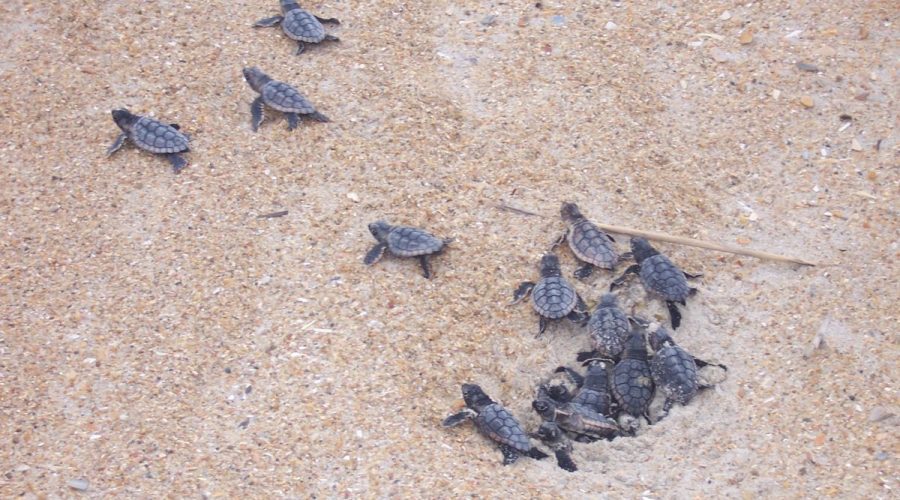
State wildlife officials launch coastal animal watch survey
Wildlife viewers visiting North Carolina’s southern coast are asked to take a five-minute online survey to help officials better understand the correlation between animal watching’s economic contributions to coastal communities and the state.
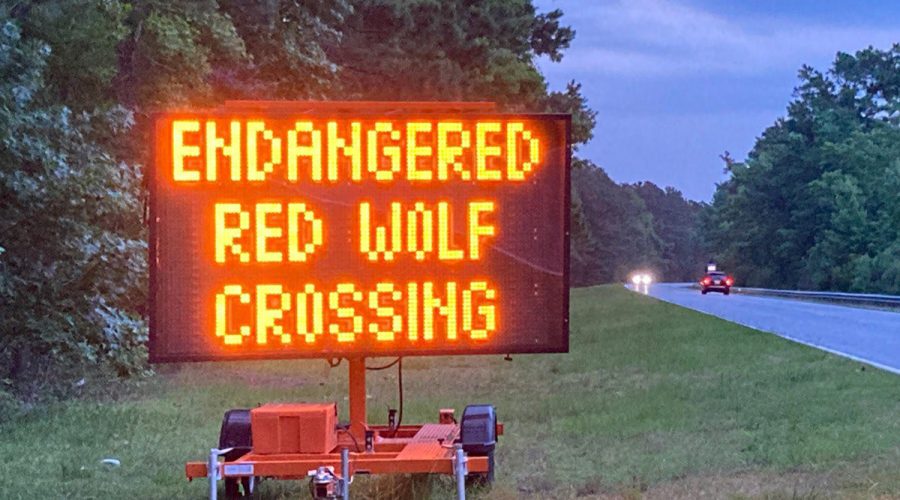
Budget, donors, grants total $31 million for wildlife crossings
Wildlife advocates are hailing the recently approved state budget for including $10 million of a $31 million project to build 11 protected road crossings for wildlife with corresponding fencing along 2.5 miles of U.S. 64 from the east end of East Lake on the Dare County mainland to west of Robertson Landing Road by 2031.
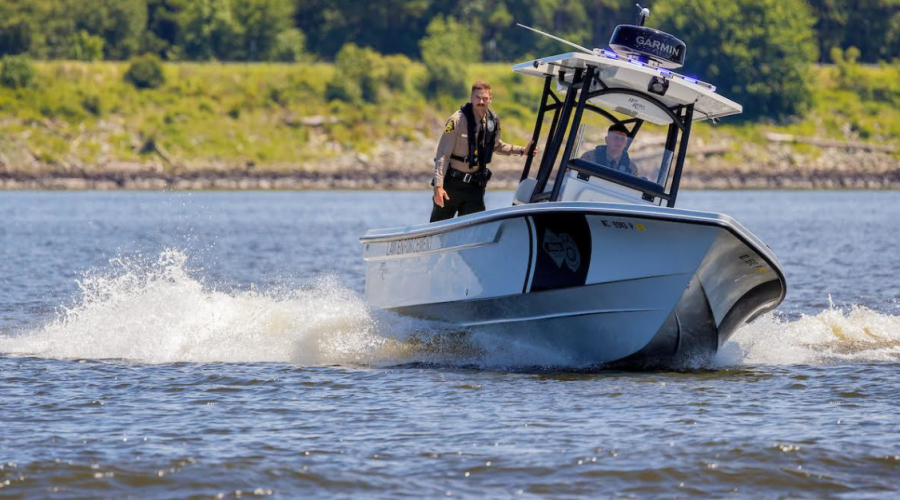
Wildlife officers to ramp up holiday weekend water patrols
N.C. Wildlife Resources Commission Law Enforcement Division is reminding boaters that officers will be increasing their presence over the holiday weekend in an effort to curtail impaired operator boating incidents.
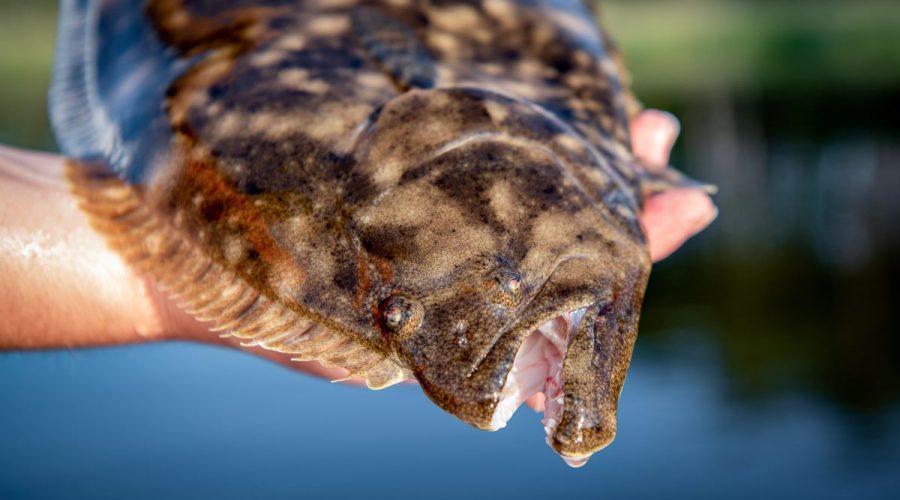
Sept. 1-14 is recreational flounder season for all NC waters
Fishers are allowed to keep one fish per day if it is 15 inches or longer that they caught with hook and line only in inland, coastal and joint fishing waters.
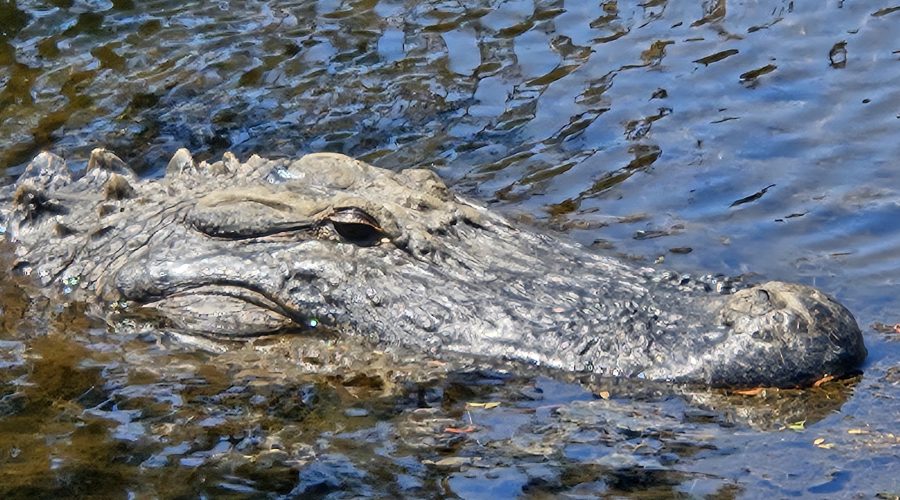
Human-alligator encounters rise on NC coast as habitat is lost
As mating season for alligators native to the southeast, including North Carolina’s coastal plain, continues into June, wildlife officials are reminding the public to avoid feeding and interacting with the reptiles.
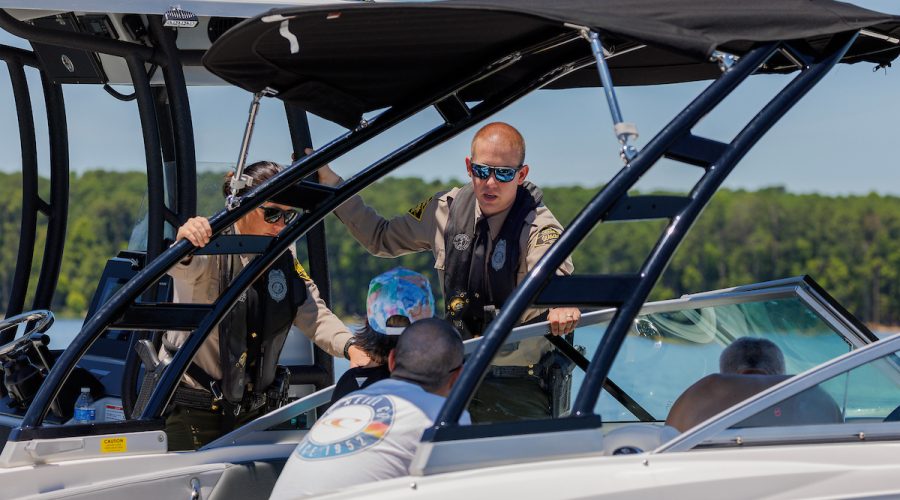
Wildlife Resources, Highway Patrol urge safe holiday boating
Though the number of boating incidents reported in North Carolina is down slightly this year, compared to 2025, boating fatalities have increased.
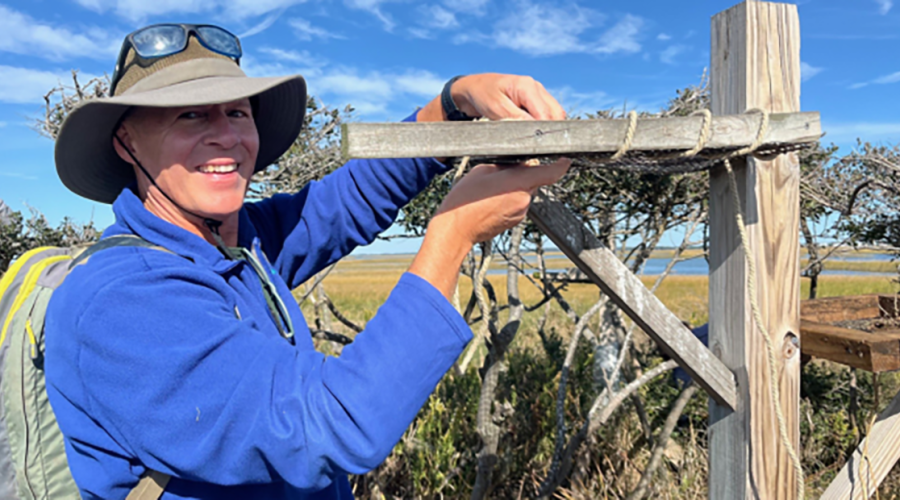
Sea turtle program coordinator Matthew Godfrey to speak
Godfrey, the North Carolina Sea Turtle Project coordinator for the Wildlife Resources Commission, is the the featured guest this month for the North Carolina Coastal Federation’s “Green Drinks” speaker series in Morehead City.
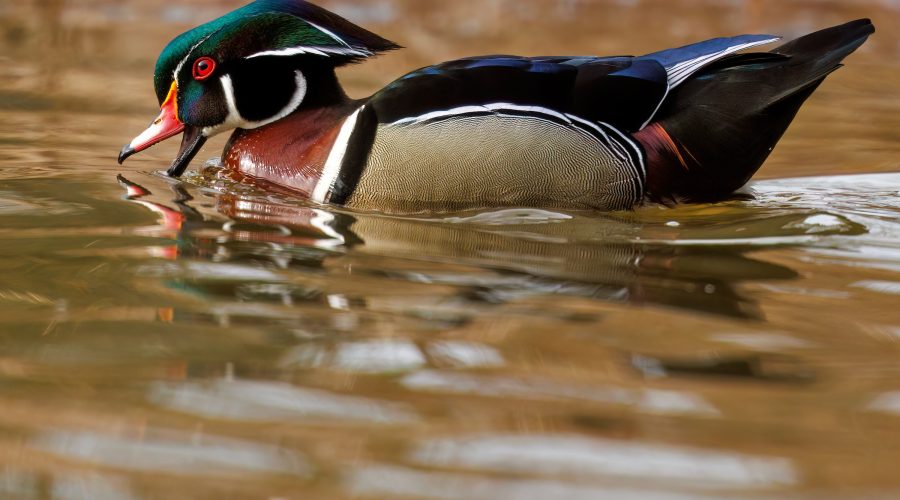
Waterfowl, migratory game bird season dates announced
Dates, bag limits and associated regulations have been announced for North Carolina’s 2026-27 waterfowl, webless migratory game bird, and extended falconry seasons.
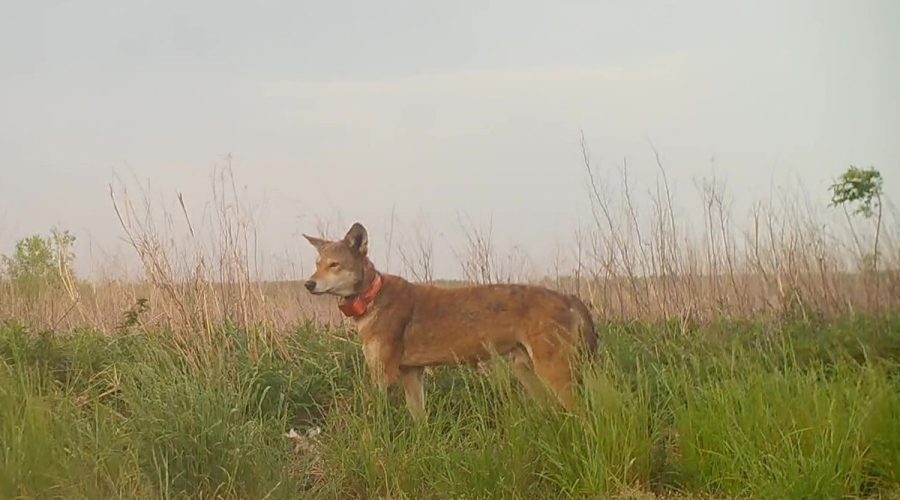
Measure would create special ‘Red Wolf’ vehicle tags
A bipartisan group of legislators has filed a bill to authorize the Division of Motor Vehicles to begin issuing special vehicle registration plates with proceeds benefiting the state’s eastern red wolf population.
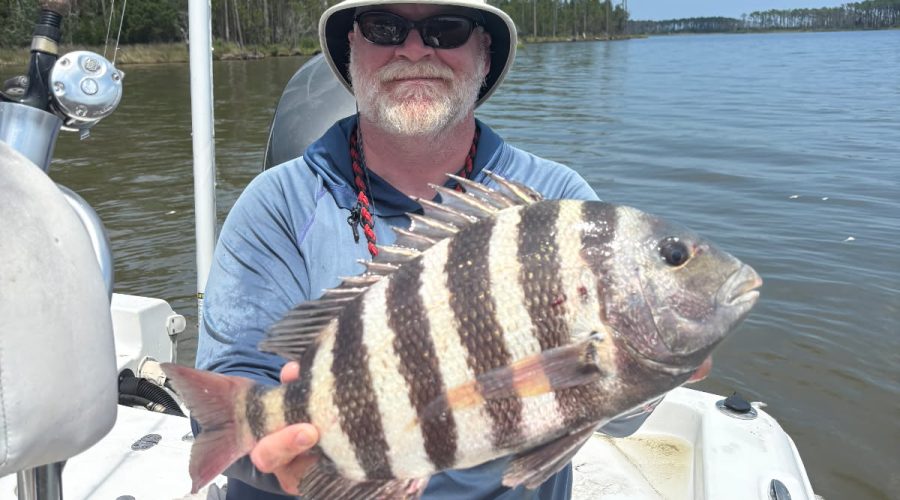
Temporary creel, length limits for sheepshead begin May 6
The regulation for sheepshead harvest in inland and joint fishing waters of the state aligns with a recent proclamation enacting similar limits in coastal fishing waters.
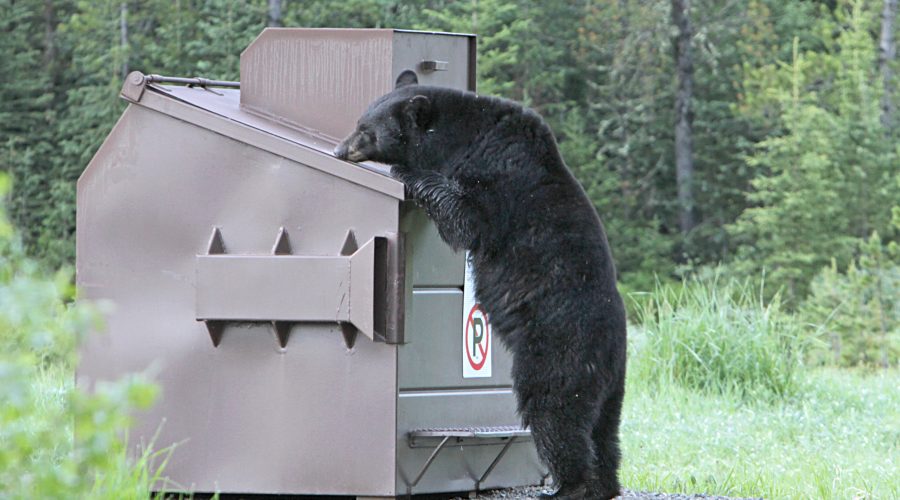
Wildlife officials offer tips to deter, not attract, black bears
The N.C. Wildlife Resources Commission, in partnership with BearWise, has hot tips on how to look for and reduce potential attractants for black bear as they become more active now through the fall.
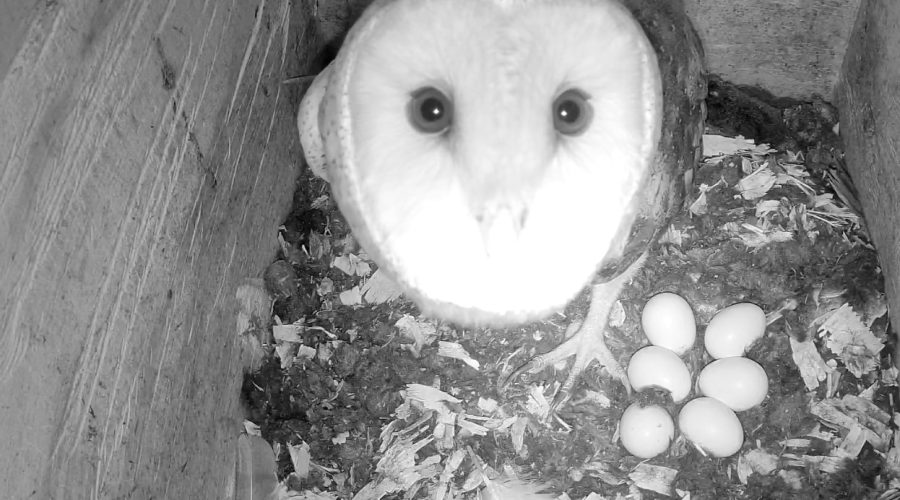
‘Barn Owlet Watch 2026’ Wildlife Commission cam goes live
The N.C. Wildlife Resources Commission’s Barn Owlet Watch 2026 is now live, giving viewers 24-hour real time video and audio to all the happenings in a barn owl nest box in the western part of the state.
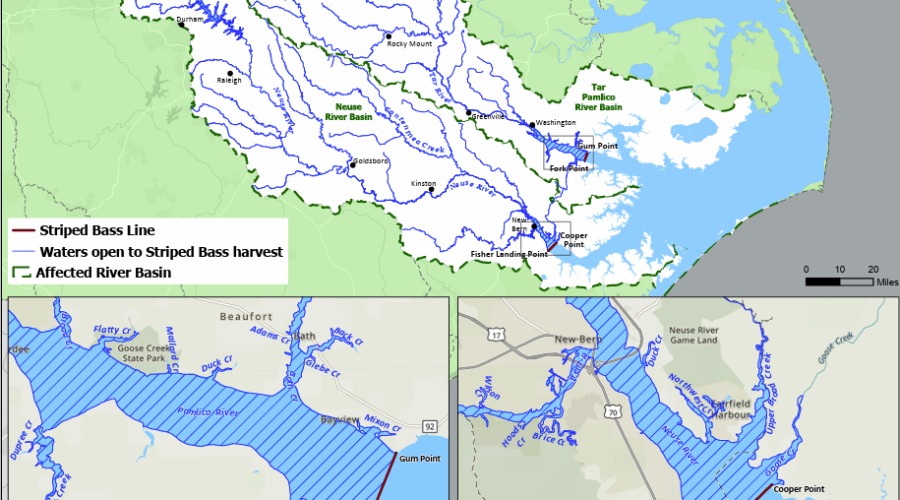
Striped bass season to open in parts of Tar-Pamlico, Neuse
Anglers may harvest striped bass by hook-and-line in areas of the Tar-Pamlico and Neuse rivers from April 1-30.
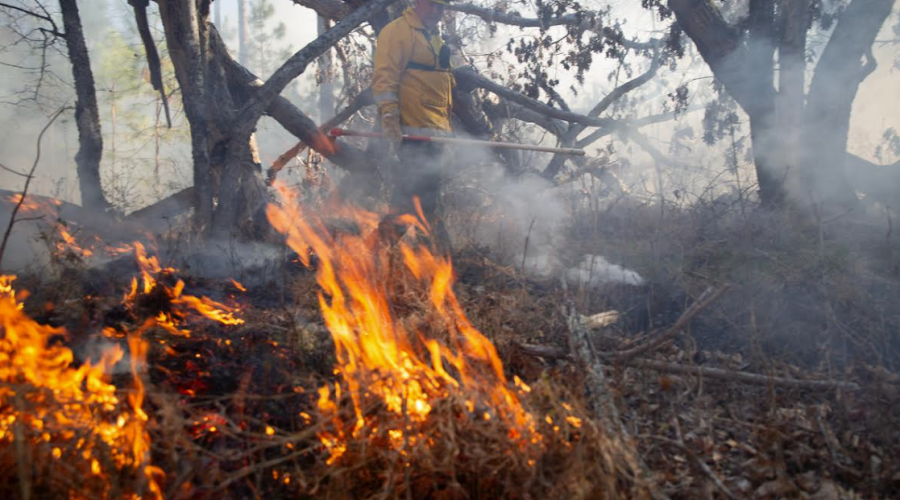
Online dashboard identifies locations of prescribed burns
The N.C. Wildlife Resources Commission offers an online dashboard that pinpoints where the agency is conducting prescribed burns on state game lands.