
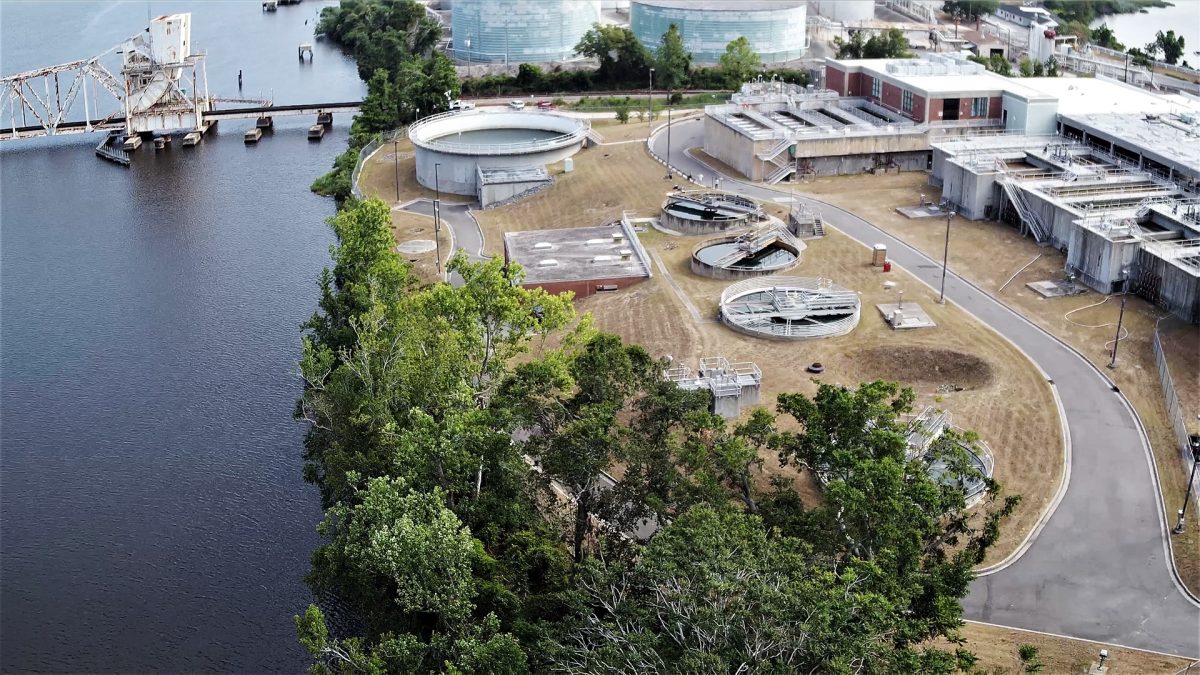
Cape Fear River Watch, via its representation, the Southern Environmental Law Center, contends Chemours Co. continues to exceed emission and discharge limits established under a 2019 consent order between the company, the organization and the state environmental agency.
public health

Chemours deal largest ever in NC; advocates say it’s too little
Attorney General Jeff Jackson and North Carolina Department of Environmental Quality Secretary Reid Wilson announced the settlement Thursday. Environmental advocates say the deal doesn’t go far enough.
Coastal commission tables proposed septic rule amendments
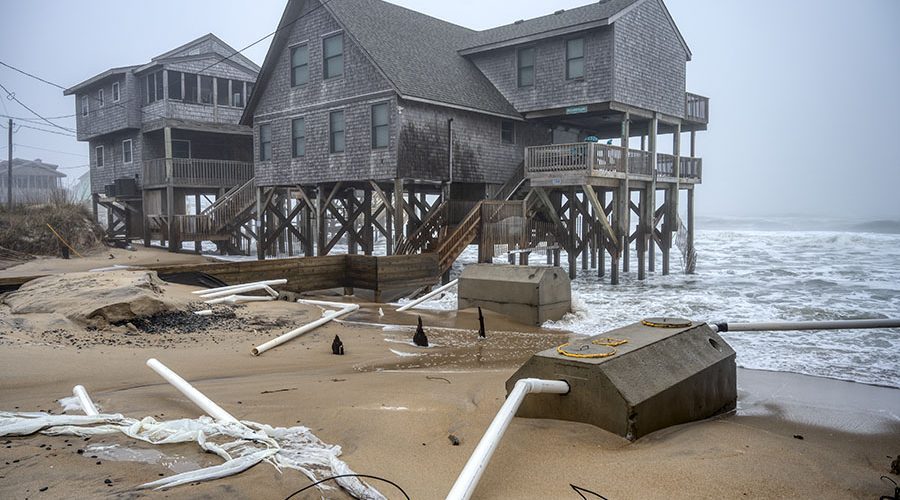
The Coastal Resources Commission, poised last week to consider two rule amendments regarding septic systems on the beach, instead tabled the discussion until October.

Opinion: Water, water, everywhere; when’s it safe to drink?
Guest commentary: We need the North Carolina General Assembly to step up and protect their constituents as the EPA rolls out its stated plans to eliminate nationwide drinking water standards for PFAS, a known human health risk.

Corps presses toward fall decision on $1.3 billion harbor plan
The federal final environmental impact statement for the proposed channel deepening and widening at the N.C. Port of Wilmington is nearing the final approval stage, but Cape Fear area residents and advocates say their objections and questions about potential effects remain unanswered.
Secretaries’ Science Advisory Board to meet Wednesday
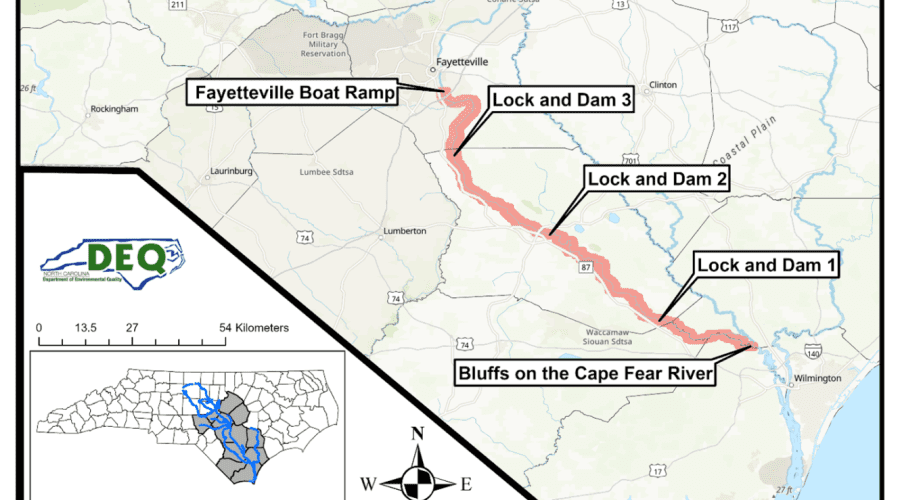
The North Carolina Secretaries’ Science Advisory Board, which assists, consults and advises the state’s human health and environmental agencies, is scheduled to meet virtually on Wednesday.
‘Peering into the black box of nutrition’: Study tracks diets
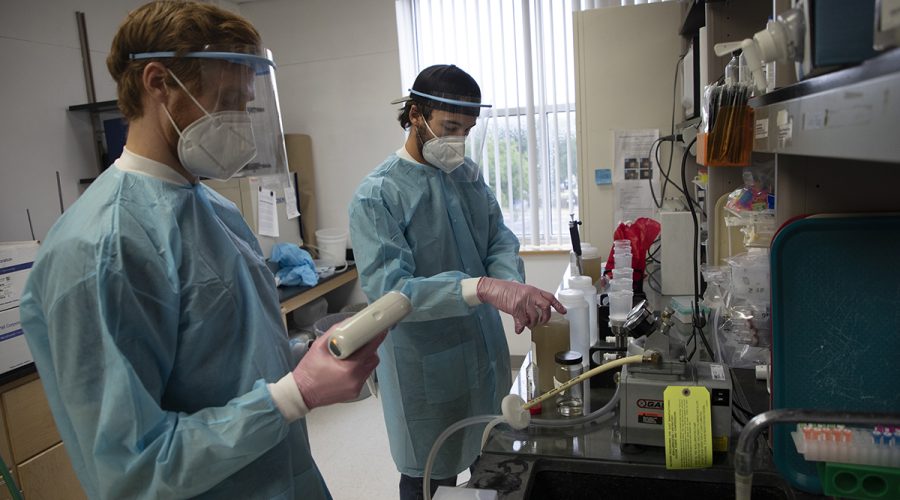
Dr. Rachel Noble of the University of North Carolina Chapel Hill Institute of Marine Sciences and colleagues used technology developed to track COVID-19 in municipal wastewater to now track populations’ dietary habits so their nutritional health may be studied and improved.
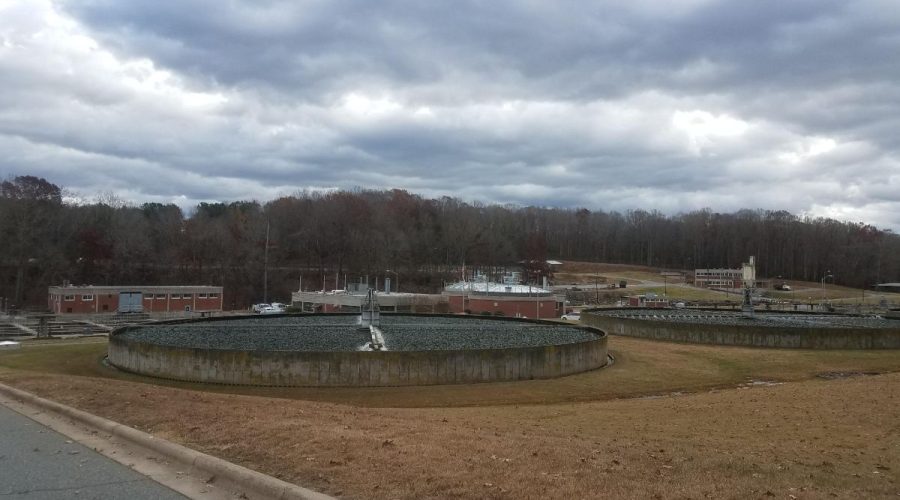
Cape Fear area water utilities notified of elevated 1,4-dioxane discharge
Several downstream drinking water suppliers, including Brunswick and Pender counties, and the Cape Fear Public Utility Authority, have been notified that elevated levels of 1,4-dioxane were detected in a July 10 sample collected upstream from the Asheboro Wastewater Treatment Plant.

Audit reveals hundreds of potentially contaminated landfills
A state audit released Monday found that more than three-quarters of almost 700 identified landfill sites where municipal solid waste disposal occurred without regulatory oversight have never been investigated by state environmental regulators.

Opponents call EPA proposal on persistent PFAS ‘dangerous’
Speakers during an online public hearing Tuesday largely and roundly criticized the Environmental Protection Agency’s proposal to repeal federal drinking water limits for four per- and polyfluoroalkyl substances and delay the deadline for water utilities to comply with limits for related compounds by two years.

State aging agencies offer fans to eligible adults until Oct. 31
The state-managed Operation Fan Heat Relief has been providing fans since 1986 to adults living with disabilities or are 60 and older to help reduce heat-related illnesses and make their living environment more comfortable.

Stein signs budget with safe water provisions, new ferry tolls
Gov. Josh Stein signed the $34.4 billion spending plan featuring coastal environmental spending and policy provisions, and new tolls on state ferries that have long been free to ride.
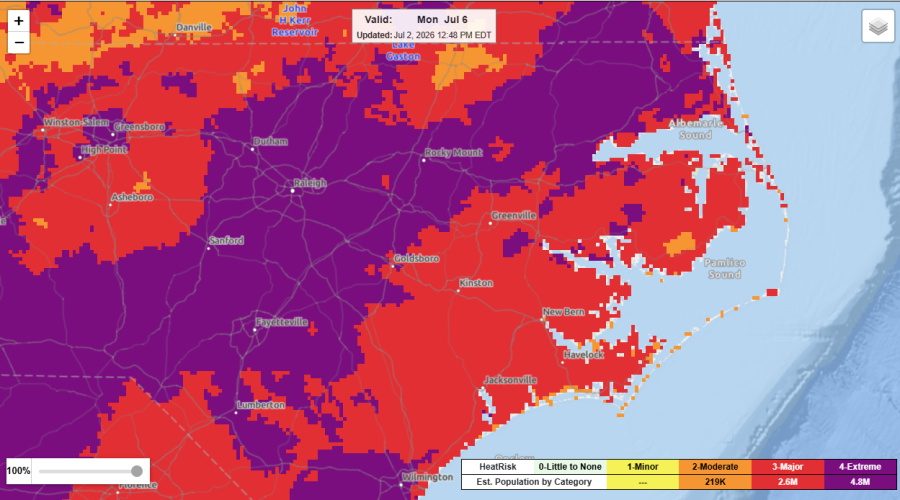
Forecasters project heat wave over Fourth of July weekend
Forecasters and health officials warn that this Fourth of July weekend the “feels like” temperatures of between 100 and 110 starting Friday can be dangerous to your health.

Supreme Court sides with herbicide maker in lymphoma case
The Supreme Court on Thursday ruled in favor of the maker of the herbicide Roundup and the Trump administration in rejecting the claims of a Missouri man with non-Hodgkin’s lymphoma.

Coastal temperatures to soar this week, pose big health risks
Coastal counties are forecast to have a “real feel” near or in the 100s Thursday, and raises the concern that residents will experience warmer nights and longer heat seasons.
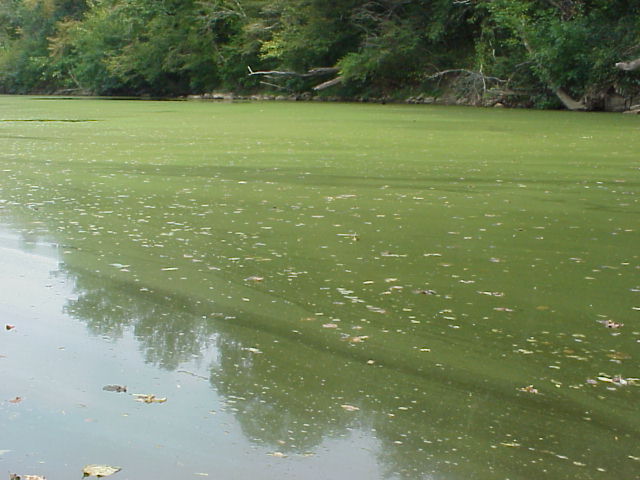
Public reminded to avoid contact with discolored waterbodies
State water resources officials remind the public this summer to avoid contact with discolored water, a potential sign that an algal bloom is present.