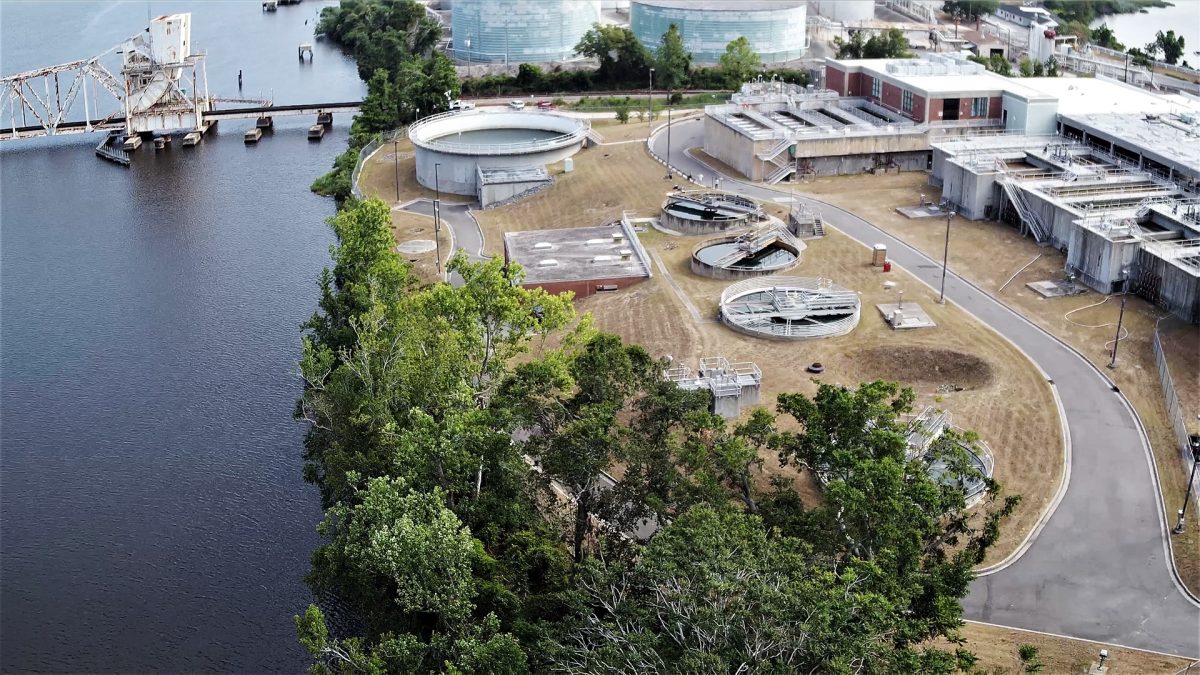
Cape Fear River Watch, via its representation, the Southern Environmental Law Center, contends Chemours Co. continues to exceed emission and discharge limits established under a 2019 consent order between the company, the organization and the state environmental agency.
Public Health

Corps presses toward fall decision on $1.3 billion harbor plan
The federal final environmental impact statement for the proposed channel deepening and widening at the N.C. Port of Wilmington is nearing the final approval stage, but Cape Fear area residents and advocates say their objections and questions about potential effects remain unanswered.

Opponents call EPA proposal on persistent PFAS ‘dangerous’
Speakers during an online public hearing Tuesday largely and roundly criticized the Environmental Protection Agency’s proposal to repeal federal drinking water limits for four per- and polyfluoroalkyl substances and delay the deadline for water utilities to comply with limits for related compounds by two years.
Stein to Chemours: ‘Pay to help us clean up the pollution’
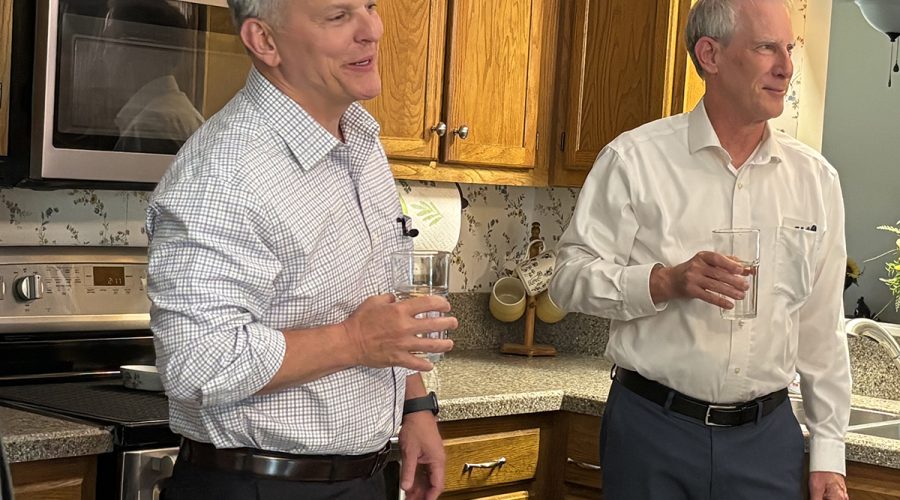
Gov. Josh Stein says Environmental Protection Agency’s settlement agreement with Chemours on PFAS pollution will likely do little to help North Carolina and that the state Environmental Management Commission and EPA handling of these contaminants were “unfortunate steps.”

Coastal temperatures to soar this week, pose big health risks
Coastal counties are forecast to have a “real feel” near or in the 100s Thursday, and raises the concern that residents will experience warmer nights and longer heat seasons.

EPA ‘strategy’ proposes to strike enforceable PFAS standards
The Environmental Protection Agency is wasting no time in advancing its plans to eliminate and reevaluate enforceable standards for four per- and polyfluoroalkyl substances, including the compound branded GenX found in the drinking water sources of tens of thousands of North Carolinians.

Speakers scold EMC, share health issues at PFAS rules hearing
About 230 crowded into Wilmington’s Skyline Center Thursday for the Environmental Management Commission’s hearing and dozens spoke, often angrily, about proposed PFAS monitoring and minimization rules.
Move to relax federal coal ash rules ‘potentially concerning’
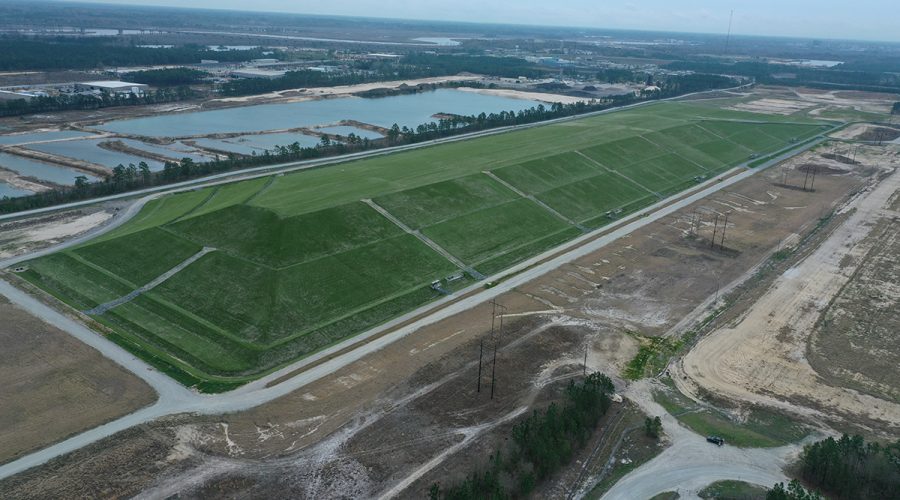
The proposed loosening of federal coal ash disposal regulations is not expected to affect North Carolina’s robust management rules — at least for the time being.
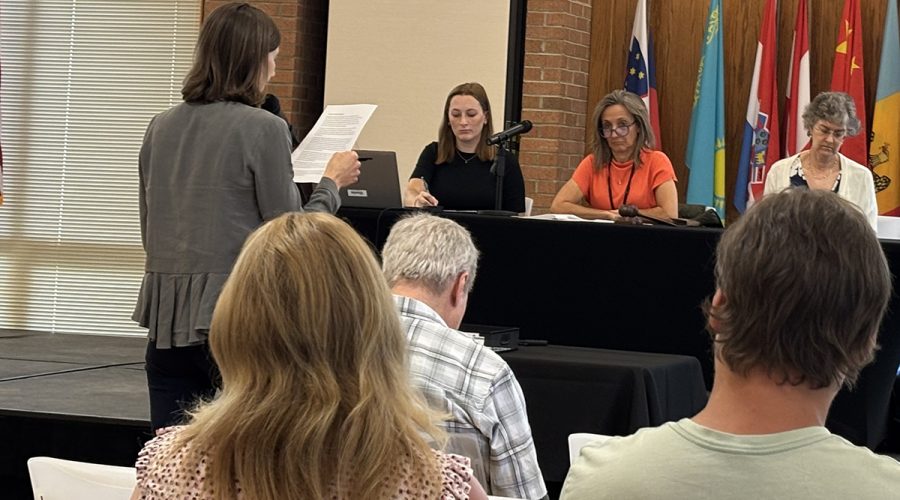
Proposed industrial wastewater rules ‘completely inadequate’
Nearly all who spoke Tuesday during a public hearing in Fayetteville criticized the North Carolina Environmental Management Commission’s proposed industrial discharge rules fail to protect the drinking water supply of people who live farther down the Cape Fear River.

EPA adds microplastics, pharmaceuticals to contaminant list
In a first, the Environmental Protection Agency has included microplastics and pharmaceuticals on its draft list of substances in public drinking water that are unregulated but merit further scientific scrutiny.
NC’s PFAS crisis a warning as Congress debates chemical laws
Supporters call the changes modernization; critics warn they could weaken safeguards in the Toxic Substances Control Act, the nation’s primary chemical safety law.
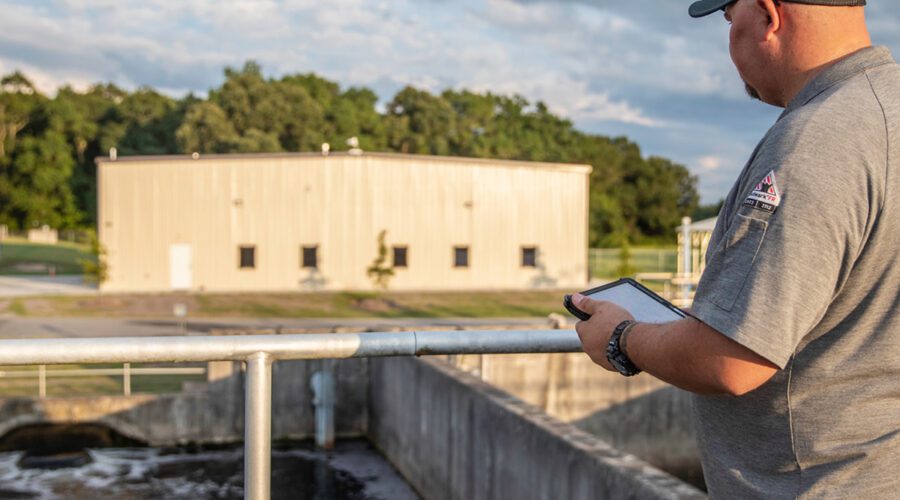
Commission OKs advancing wastewater rules to public review
The public will soon be able to lodge their comments about proposed rules mandating that public sewer plants test their treated discharge into rivers, creeks and streams for three types of per- and polyfluoroalkyl substances and a chemical solvent.
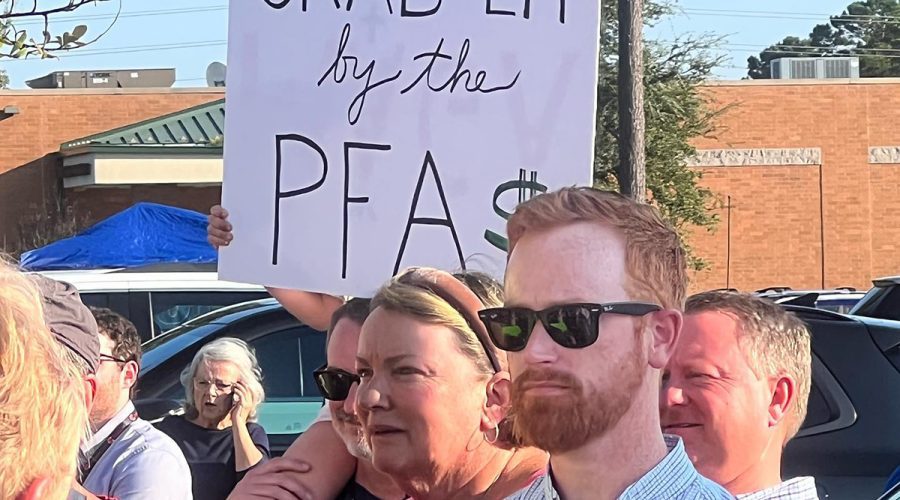
Chemours cannot keep documents sealed, federal judge rules
Chemours and its predecessor company DuPont had sought to seal records including regulatory compliance monitoring reports and internal corporate communications about chemical production.
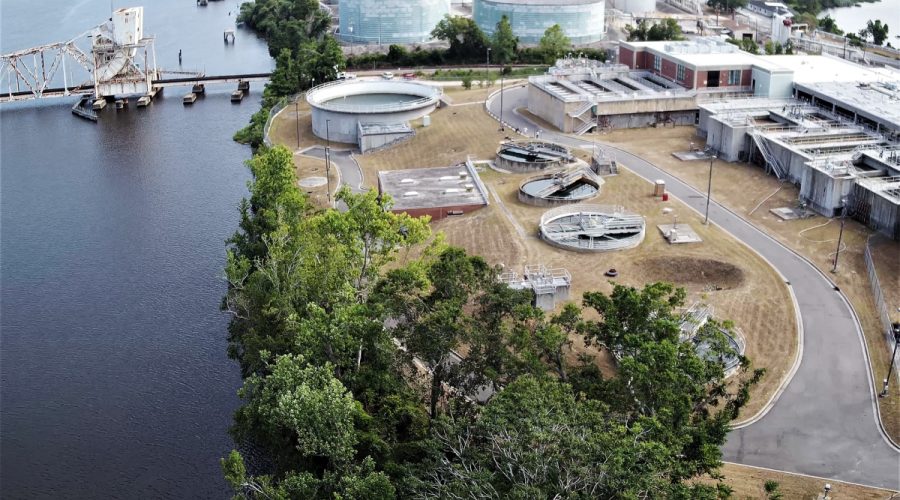
Opponents urge EPA to uphold objection to Asheboro permit
Those who spoke last week at the Environmental Protection Agency’s hearing on Asheboro’s wastewater permit urged the EPA to uphold its objection to the city’s proposed permit with no effluent discharge limit for 1,4-dioxane into the drinking water supply of hundreds of thousands downstream.
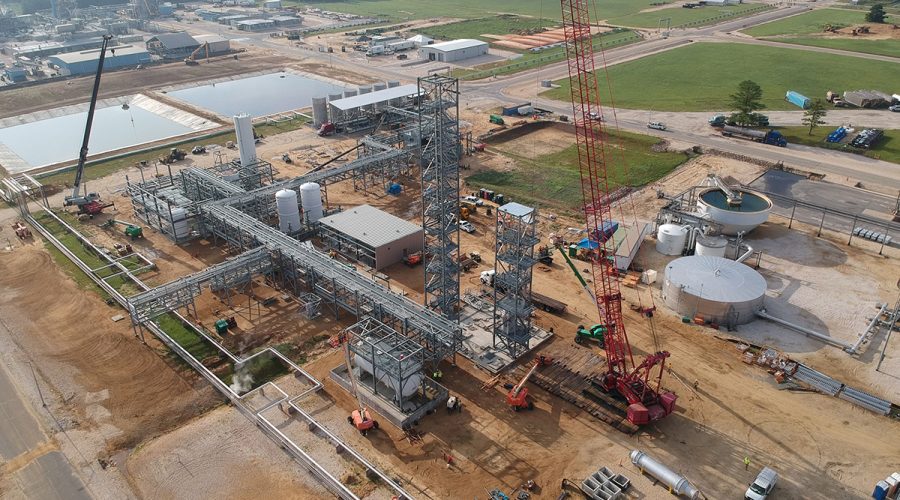
Attorneys allege Chemours hid emission data from public
The company “improperly withheld vital emission data from the public” in its Aug. 14 application to the North Carolina Department of Environmental Quality’s Division of Air Quality, according to a letter to regulators from Southern Environmental Law Center attorneys.

Draft state rules for 1,4-dioxane, PFAS dischargers delayed
State staff need more time before presenting draft monitoring requirements for dischargers of PFAS and 1,4-dioxane for the Environmental Management Commission to consider.