
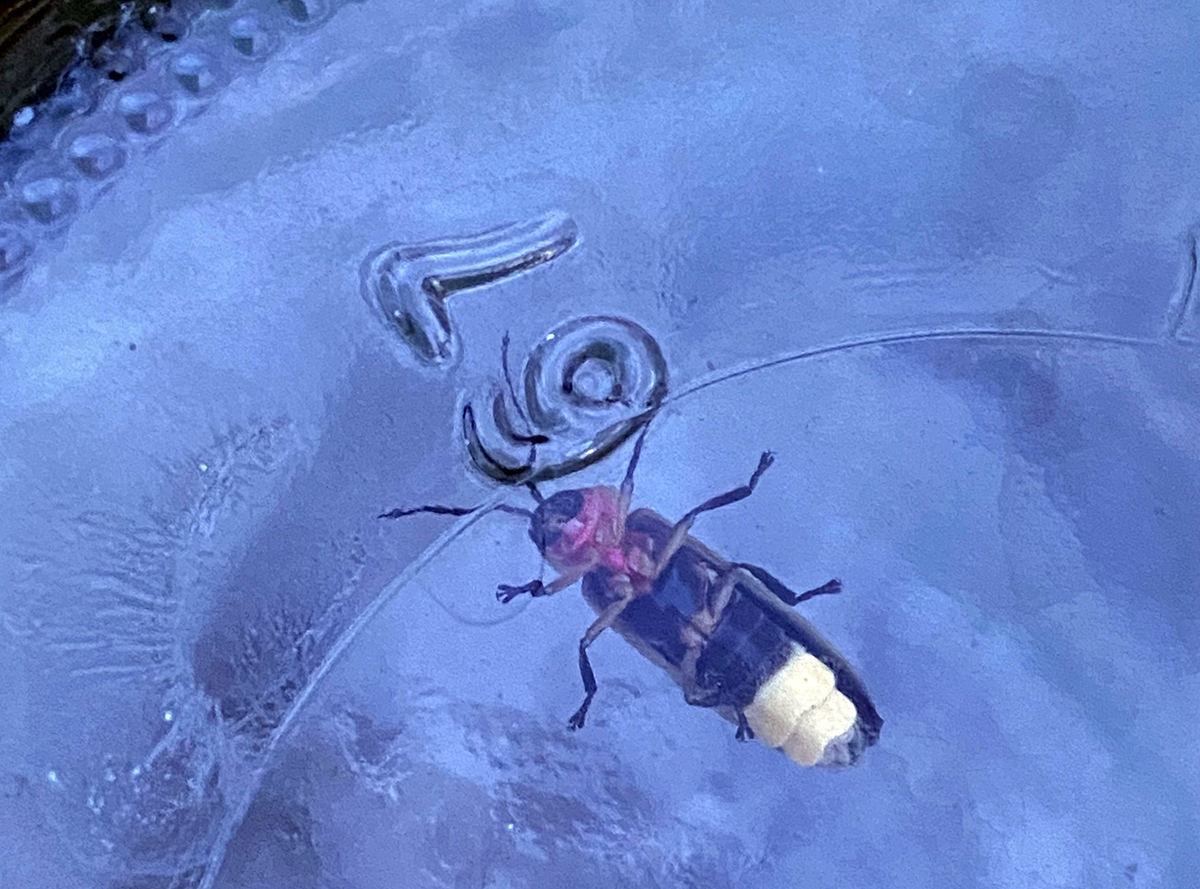
Whether you call them lightning bugs, fireflies, or by their scientific name, Lampyridae, how could anyone not love a bug whose butt lights up like a miniature light bulb?
How do they manage that?
Supporter Spotlight

Their bioluminescence is a chemical reaction in a special light-producing organ called, aptly enough, the lantern. A heat-sensitive molecule called luciferin reacts with oxygen in the presence of an enzyme called luciferase. Far more energy-efficient than even fluorescent lights, a lightning bug’s light produces almost zero heat.
Since it’s hooked into their breathing, the light can be controlled by oxygen intake.
Many of us have fond memories of twilight summer evenings, gleefully spotting them rising and flashing, fairly begging to be chased and caught. Dancing foot to foot while excitedly asking mom or grandma for a (glass) Mason jar with holes poked through the lid. Then we’d go tearing back outside after an interminable wait, hoping the lightning bugs were still low enough to catch. Running barefoot this way and that through dew wet grass and humid air, leaping and dashing after their flashing lights, we were every bit as intent as an ambulance-chasing lawyer.
Most kids today don’t know the pure enthrallment of carefully snatching the lightning bugs out of the air and putting as many as we could catch in our jars so we could watch them light, over and over. Quite the trick, putting a new capture in without letting the others out.
Many of us older folks have wonderful memories of being all hot and sweaty, sitting on the steps in the dark and oohing and ahhing over our prizes, trying to anticipate which one would light up next. Come bath and bedtime, we’d release them to the night skies, only to repeat the same process again the next evening.
Supporter Spotlight

But what, exactly, do lightning bugs have to do with gardening?
Humans, being human, prefer things all neat and tidy: mown grass and trimmed verges and tamed woodlands.
What do lightning bugs need? Taller grasses, brushy understories, and deep leaf litter. While not a true bug at all, lightning bugs are instead flying beetles. Found on every continent except Antarctica, they prefer humid environments. More than 2,000 species of lightning bugs can be found worldwide, with around 150 to 200 in North America, alone.
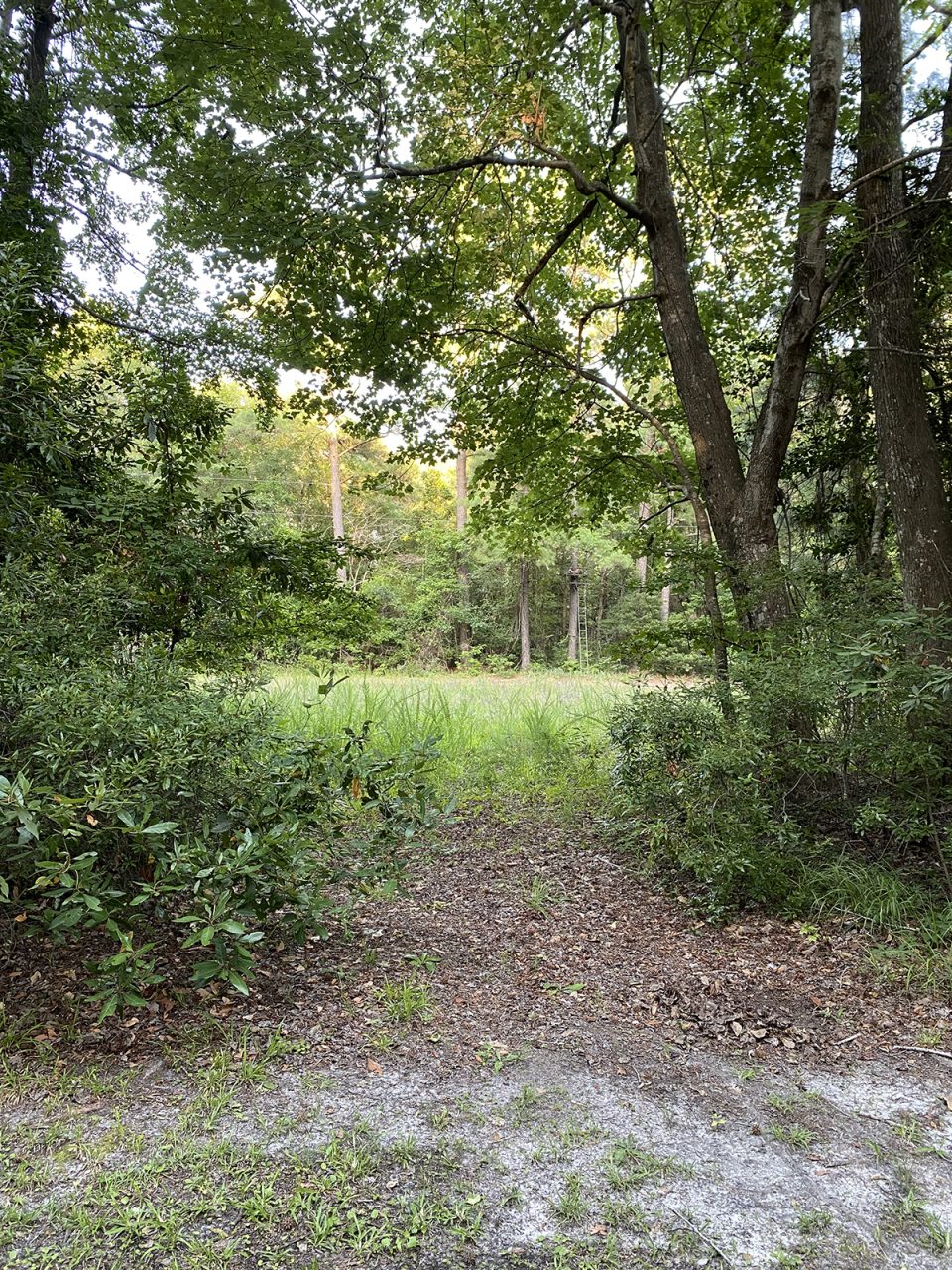
In our efforts to have neat yards, we have inadvertently diminished the lightning bug’s ideal habitats, and that doesn’t even include the widespread use of pesticides.
Yeah, they’re cute bugs, but so what? Just because there are a lot fewer of them than there used to be, what difference does a few more or fewer bugs with an on-demand light make?
Besides the fact they’re cute as all get-out, scientists are discovering new things about lightning bugs all the time. Think of the possibilities of lights without heat.
Lightning bugs, like butterflies, go through different stages during their lifetime — four, to be exact. Egg, larva, pupa, and adult. Ever seen a glowworm? Lasting one to two years, that’s the larval stage of a lightning bug. A female lays 50 to 500 eggs in soil, damp moss, or leaf litter. The eggs usually hatch in three to four weeks. Some of the eggs also glow.
Lightning bugs spend most of their lives in the larval stage. Voracious predators of snails, slugs, worms, and others tiny critters, they live and hunt in soil, leaf litter and rotting logs. Oak trees are particular favorites as the lichens and fungi attract the types of foods lightning bugs nosh on.
Once the larvae is fully grown, it either makes a mud casing or attaches to a leaf or tree trunk. In a couple weeks, usually in late spring or early summer, the adult will emerge. The adults only live two to four weeks, and some species don’t even eat during that time. Their sole purpose — other than amusing children of all ages — is to reproduce.
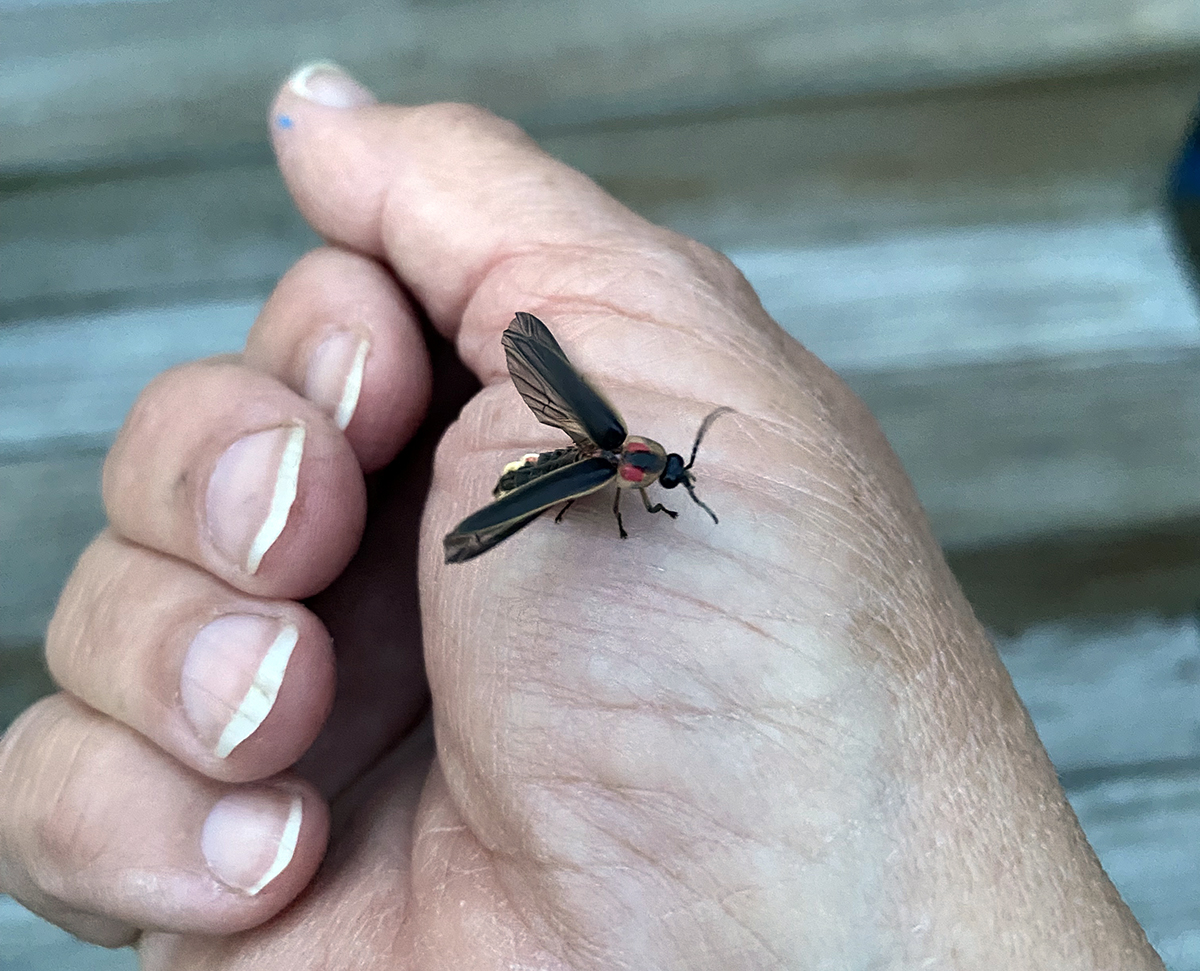
Their flashing lights attract mates. If you know what to look for, the color, length, duration, and timing of the lights can tell you which species of lightning bug you have.
So what, exactly, do lightning bugs need to thrive and what can we do to ensure our kids and grandkids can see these delightful bugs for generations to come?
Lightning bugs need humidity, and they are often centered around water. There’s no lack of either here. They also need different levels of grasses, undergrowth and trees.
Does that mean your yard has to look like an abandoned junkyard? Absolutely not! Letting your yard grass get a little taller, even if nothing more than a narrow verge along the edge, close to a fence or woods will help tremendously. Planting native shrubs and flowers will also help. Think of your vegetation as steps, because fireflies need differing levels of greenery to thrive.
The larvae need duff — a damp layer of decomposed organic matter on the forest floor, under the fresh layer of leaves and sticks. Consisting of things such as decaying bark, roots, and other plant detritus, the duff harbors various fungi and bacteria. They also need the leaf litter itself, both to hide and hunt.
The adults often spend the daylight hours in bushes or taller grasses, anywhere there’s shade and adequate moisture. Depending on the species, sometime between twilight and dawn, the males rise and fly, flashing their beacons. The females tend to stay closer to the ground on bushes or plants, calling the males to them by flashing their own mating signals.
Lightning bugs also need dark. Light pollution has been a huge factor in their decline. Outside lights that are motion-sensitive, or lights that can be turned off are best. Tall trees can help shield them from pole lights.
Do yourself a favor and lighten up on yardwork. Let that pile of leaves stay. Let the grass go two weeks without mowing.
Saving one little bug in the grand scheme of things doesn’t seem like much. Unless you’re that bug.
Our amazing world would be a much darker place without these little treasures.