
The U.S. Department of Agriculture has moved to repeal a 2001 rule that bars road construction, logging and mining in national forests, including more than 170,000 acres in North Carolina alone now protected by the rule.
Archives
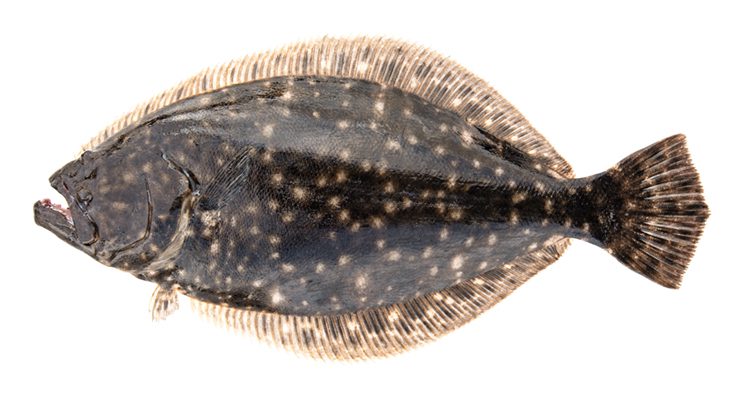
NC Fisheries Division sets commercial flounder season dates
The North Carolina Division of Marine Fisheries has announced opening dates for the upcoming commercial flounder season.
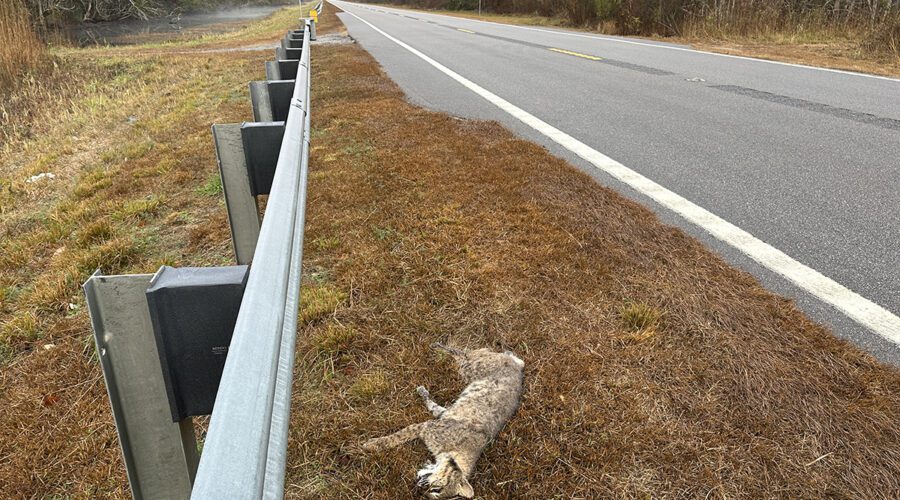
Conservation group’s US 64 study finds ‘remarkable carnage’
More than 5,000 vertebrates representing 144 species of wildlife were killed on U.S. Highway 64 just halfway through a two-year survey.
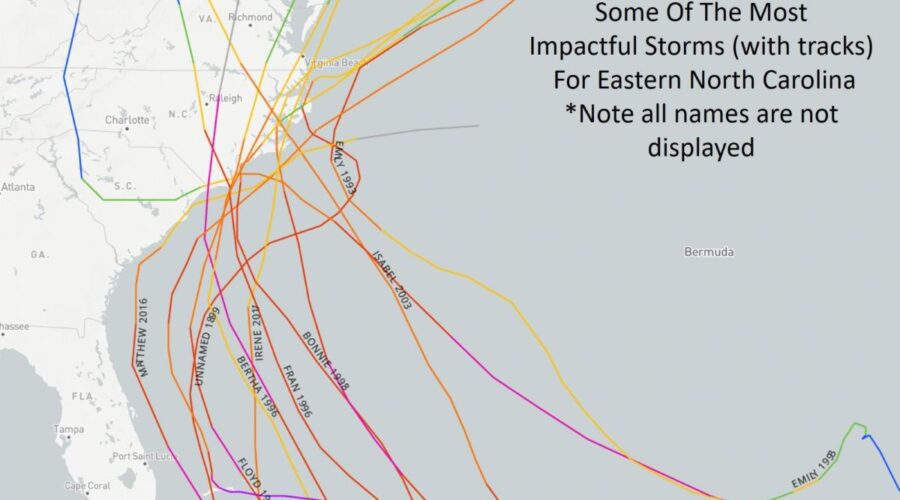
Meteorologists to offer two hurricane forums in September
National Weather Service forecasters are to give presentations on hurricane preparedness in Belhaven Sept. 9 and in Merrimon Sept. 13.
Global photosynthesis rates trend differently on land, at sea
A recently published study finds that plants on land are increasingly absorbing more carbon, while Earth’s oceans are taking in and storing less.

Night flyer out on a limb
A male luna moth, or Actias luna, finds a perch in the branches of a Japanese maple near Russell Creek in Beaufort. The easily identified species flies mostly at night and is found statewide this time of year in and near hardwood forests, wooded residential areas and, on North Carolina’s barrier islands, in maritime forests. Adult luna moths do not feed and live off food they consumed as caterpillars for the moths’ seven- to 10-day lifespan.
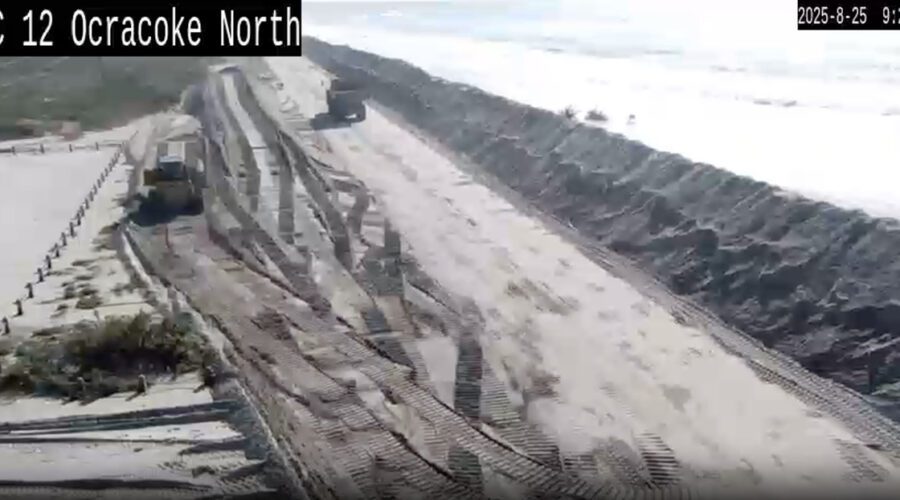
NC 12 reopens; Hatteras, Ocracoke Island evacuees return
Ferries and the highway that runs along the Outer Banks are beginning to return to normal in the aftermath of Hurricane Erin’s close pass.

Relish a good pickle? Ancient preservation methods still work
Fruit ciders, vinegars, relishes and pickled vegetables — these time-tested methods for preserving foods share similarities, but there are also delicious differences.
Flounder allocation increased for recreational fishers
The state Marine Fisheries Commission has adopted an amendment that equally splits the flounder allocation between commercial and recreational fisheries beginning this year.
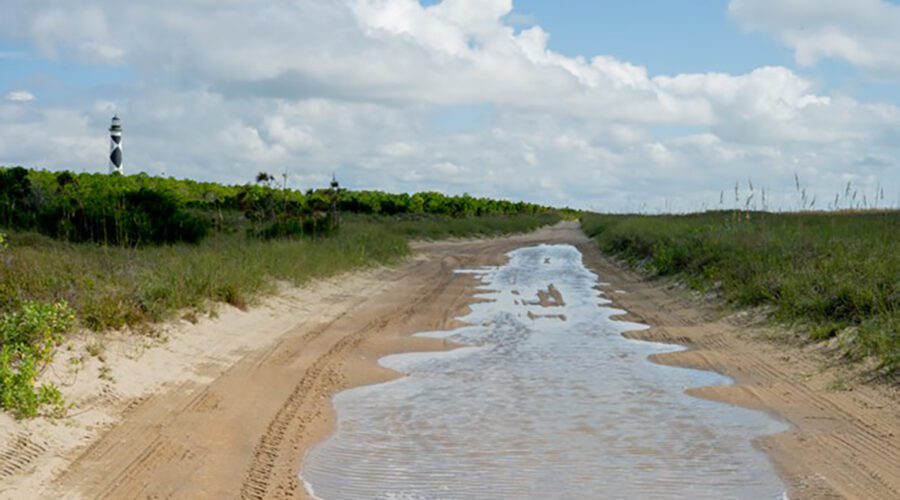
Cape Lookout National Seashore begins reopening facilities
National Park Service officials announced Friday that Cape Lookout National Seashore facilities would be reopening this weekend from closures related to Hurricane Erin.
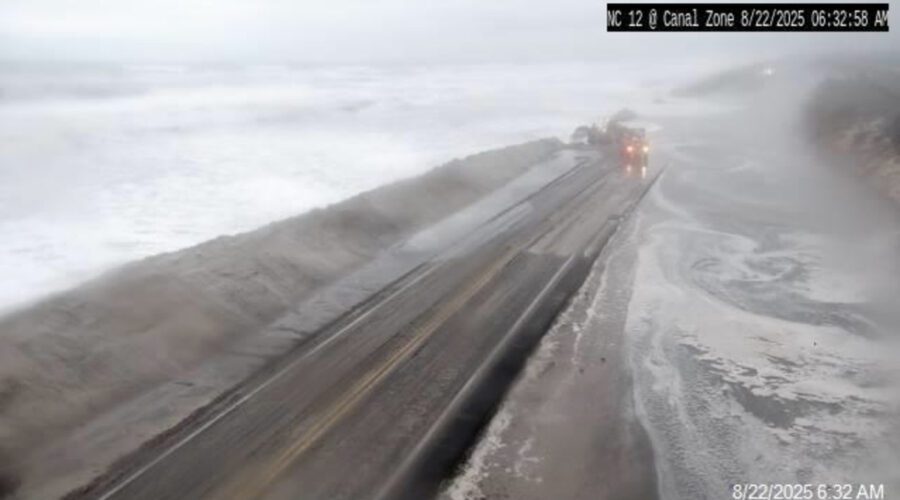
Flooding keeps NC 12 closed to traffic as Erin heads out to sea
State transportation crews were clearing N.C. Highway 12 and rebuilding dunes in the wake of Hurricane Erin’s pass offshore, as flooding conditions continued and the road remained closed Friday morning.

Our Coast: Sawmill workers of the Roanoke River, 1938-1939
The next installment in historian David Cecelski’s “Working Lives: Photographs from Eastern North Carolina, 1937 to 1947″ series takes the reader to a sawmill, a handle mill, and a veneer plant on the banks of the Roanoke River in 1938 and 1939.
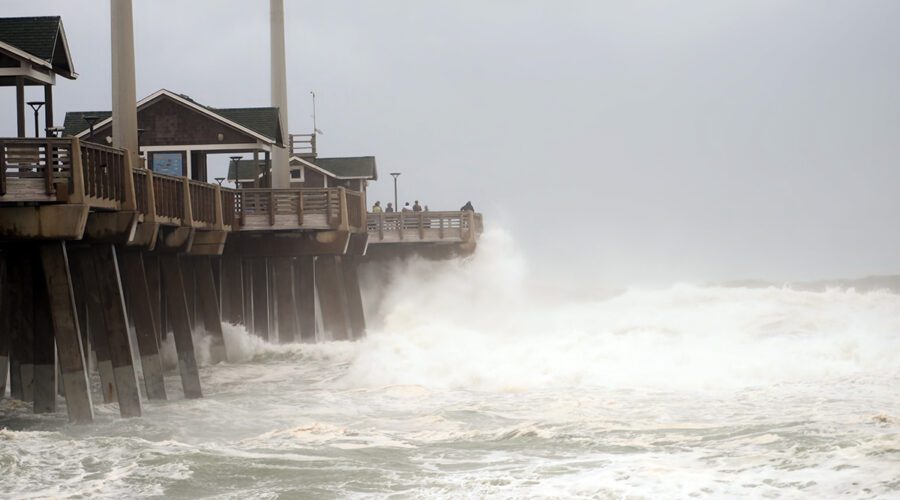
Angry Erin heads out to sea
People on Jennette’s Pier in Nags Head watch as waves generated by Hurricane Erin crash into the concrete structure that’s part of the North Carolina Aquariums system. The storm’s center was about 260 miles east of Cape Hatteras at midday Thursday and moving out to sea, but hurricane-force winds extended outward up to 105 miles and tropical-storm-force winds extended up to 320 miles from the sprawling but weakening storm’s eye. Life-threatening surf and rip current conditions will likely continue as storm surge and flood risks subside. The pier’s website provides information on current conditions and live webcam views.

Holden Beach moves to place pier decision in voters’ hands
Town commissioners have given unanimous approval to a plan to hold a $7.3 million bond referendum in November to replace the damaged fishing pier.
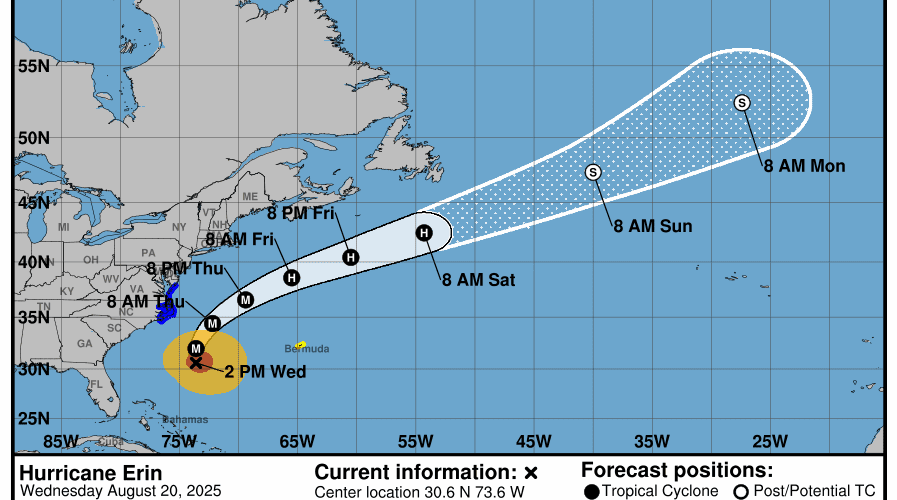
Hurricane Erin poses hazards despite expected offshore track
National Weather Service forecasters warned Wednesday that, although the forecast path of Hurricane Erin is well offshore, threats of rip currents, damaging beach erosion, major coastal flooding and overwash, and extremely dangerous surf remain.
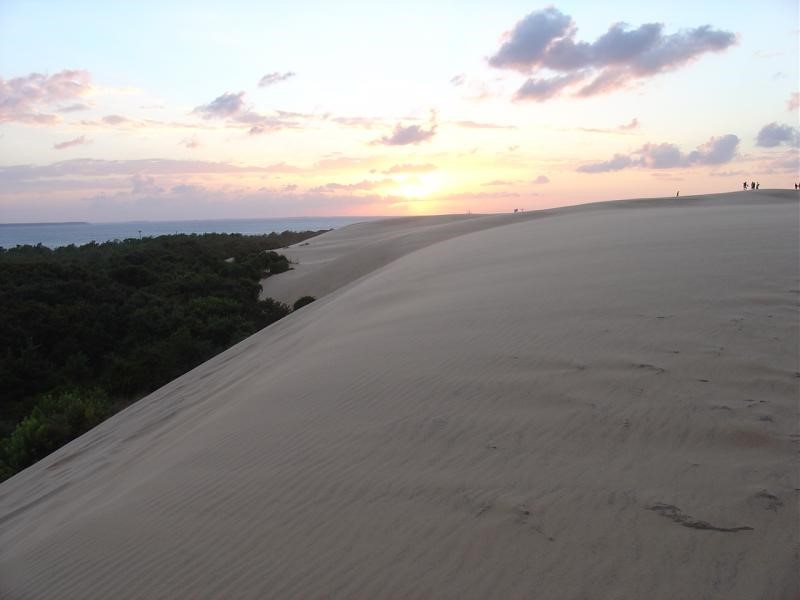
CRC to consider protective boundary for Jockey’s Ridge
The N.C. Coastal Resources Commission is scheduled to meet in New Bern Aug. 27-28.