
The Environmental Management Commission voted to postpone hearing proposed rules to monitor and minimize the two human-made chemical compounds from industrial users and dischargers.
PFAS
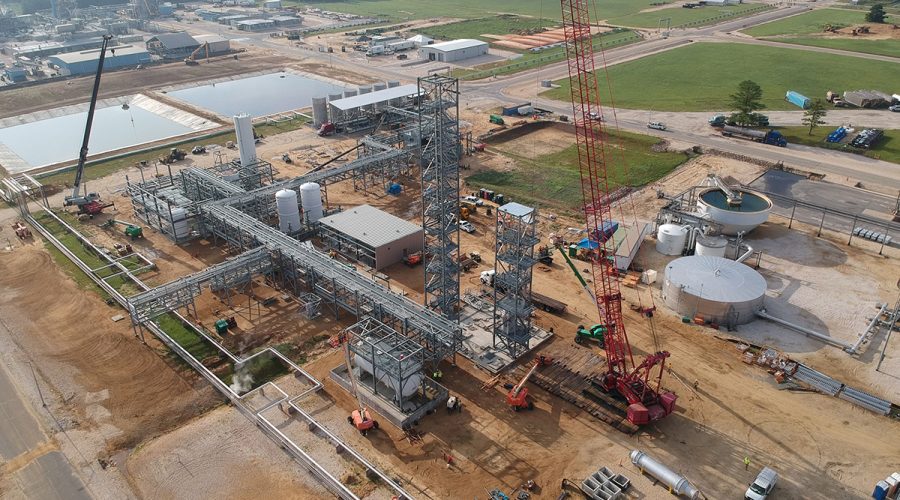
Wilmington Council resolves to oppose Chemours’ expansion
The Wilmington City Council on Wednesday unanimously adopted a resolution opposing Chemours’ proposed expansion of its Fayetteville Works plant in Bladen County.
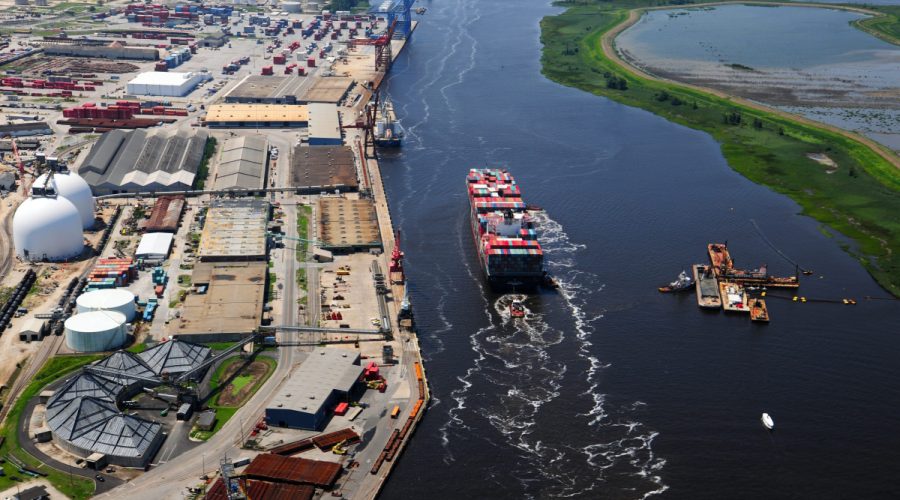
Port’s Cape Fear dredge project fails taxpayers, environment
Guest commentary: Deepening the Cape Fear River will only worsen flooding around the downtown Wilmington waterfront and the North Carolina Battleship site and lead to a substantial loss of vital wetlands and floodplains.

EMC committee may move proposed PFAS surface water rules
The North Carolina Environmental Management Commission’s Water Quality Committee will consider proposed monitoring and minimization rules
Chemours is doubling down on its toxic history: NRDC
Chemours is not a company that can be trusted to expand its operations responsibly, and it’s an example of the national PFAS pollution crisis, writes Drew Ball of the Natural Resources Defense Council.
Attorneys allege Chemours hid emission data from public
The company “improperly withheld vital emission data from the public” in its Aug. 14 application to the North Carolina Department of Environmental Quality’s Division of Air Quality, according to a letter to regulators from Southern Environmental Law Center attorneys.
EMC moves groundwater standards, wetlands rules ahead
The N.C. Environmental Management Commission voted Thursday to send a groundwater standard rule for PFAS to the Rules Review Commission and a rule that defines wetlands in the state to the Office of Administrative Hearings.
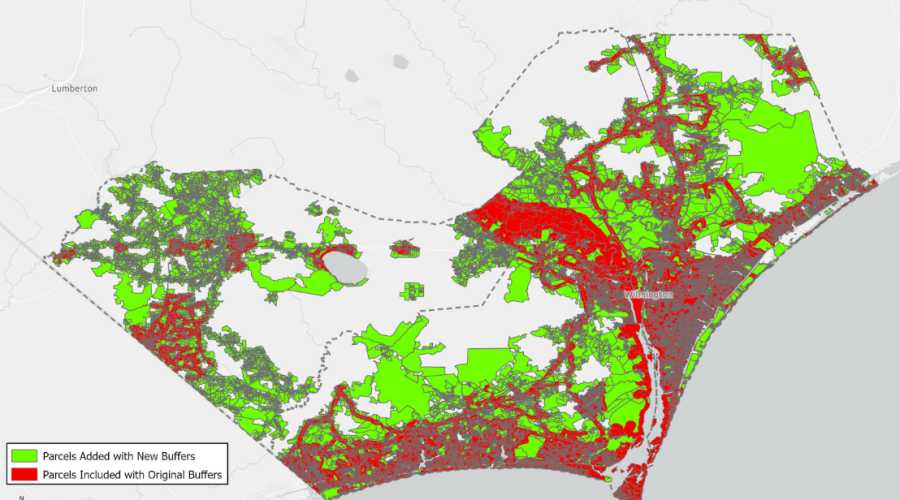
DEQ requires Chemours to expand PFAS well water testing
The N.C. Department of Environmental Quality announced Thursday that it is requiring Chemours expand sampling eligibility of PFAS contamination to about 14,000 additional residences in the lower Cape Fear region.
Environmental commission to consider wetlands, PFAS rules
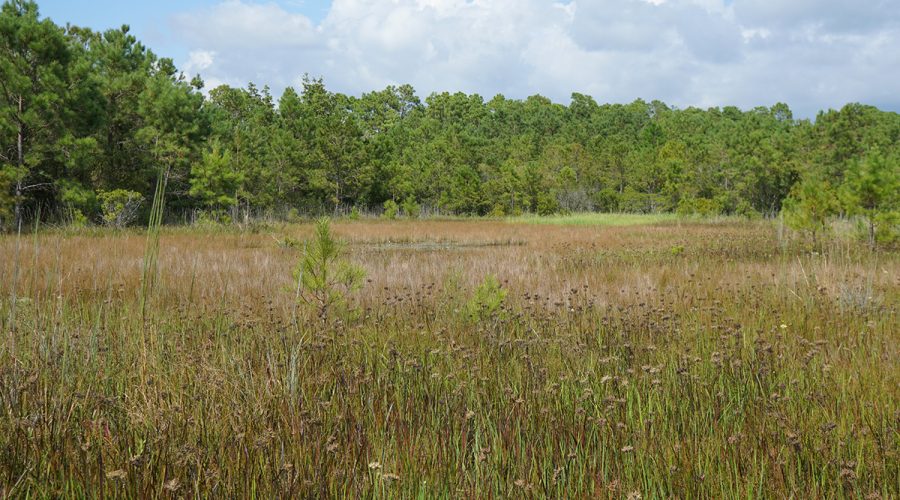
The Environmental Management Commission is to vote during its Sept. 11 meeting on a legally mandated change to the state’s regulatory definition of wetlands and on groundwater quality standards for PFOA, PFOS and GenX.

Brunswick halts water treatment plant contractor lawsuit
Brunswick County in a release stated that it reserves the right to refile the lawsuit it rescinded last Monday against the contractor it hired to expand and install a low-pressure reverse osmosis system at the Northwest Water Treatment Plant.
Brunswick fires, sues water treatment plant contractor
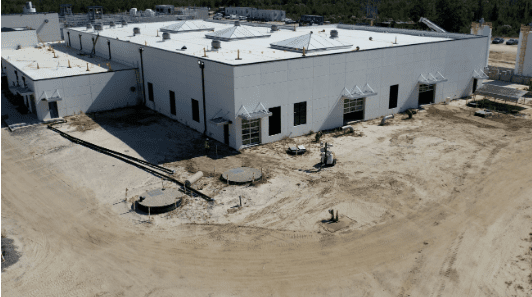
Citing repeated delays and poor workmanship, Brunswick County on July 25 filed a lawsuit against and terminated the contracting company it hired to expand and upgrade the Northwest Water Treatment Plant.
More than $240M awarded for water, wastewater upgrades
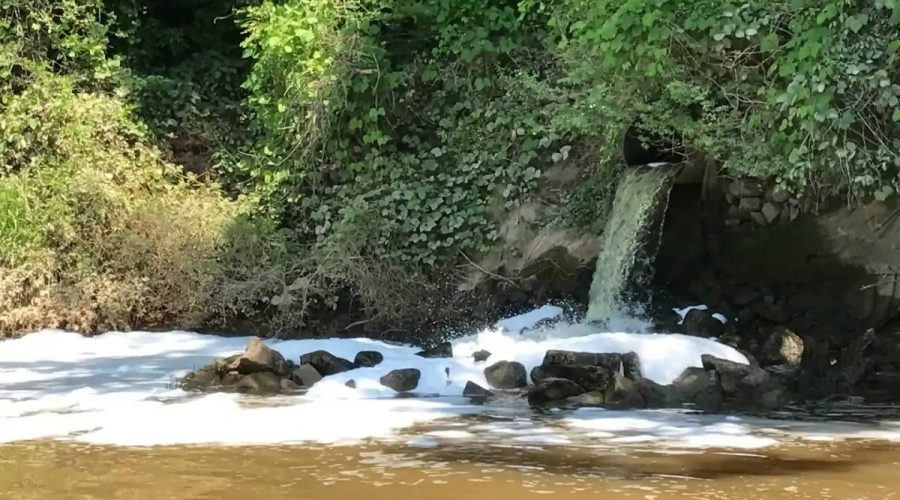
Drinking water and wastewater infrastructure improvement projects in a handful of coastal counties are among 48 projects selected to receive funding grants.
Completion dates pushed for Brunswick water plant upgrades
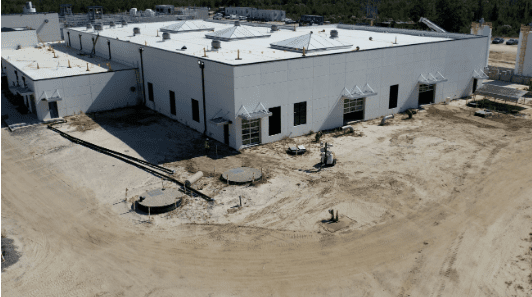
Contractor delays have pushed back the completion date of upgrades, including a reverse osmosis system, at Brunswick County Public Utilities’ Northwest Water Treatment Plant.

North Carolinians condemn EPA’s PFAS regulation delay
Advocates push state legislation as EPA scales back GenX and PFAS regulations.

Cape Fear River Watch’s Dana Sargent heading for new post
After seven years as Cape Fear River Watch executive director, Dana Sargent is taking on a different environmental advocacy role with hopes to spend more time with her family.
Proposed state rules on discharges defanged as EPA retreats
The Environmental Protection Agency’s announcement this week that it will rescind and reexamine four expected PFAS rules follows a state Environmental Management Commission committee’s opaque decision stalling proposed surface water rules on three compounds.