State and weather officials are hosting a virtual meeting on Monday to discuss ways in which local governments can prepare for North Carolina’s heat season.
During the meeting, which is open to the public but targeted to local government staff including emergency managers, public health personnel, planners and administrators, officials will provide a forecast for the 2026 heat season, review signs of heat illness and preventative actions, and provide tools and resources available to local governments to address heat impacts in their communities.
Supporter Spotlight

The North Carolina Department of Environmental Quality’s State Resilience Office is hosting the event 1-3 p.m. in partnership with the N.C. Department of Health and Human Services, North Carolina State Climate Office and the National Weather Service.
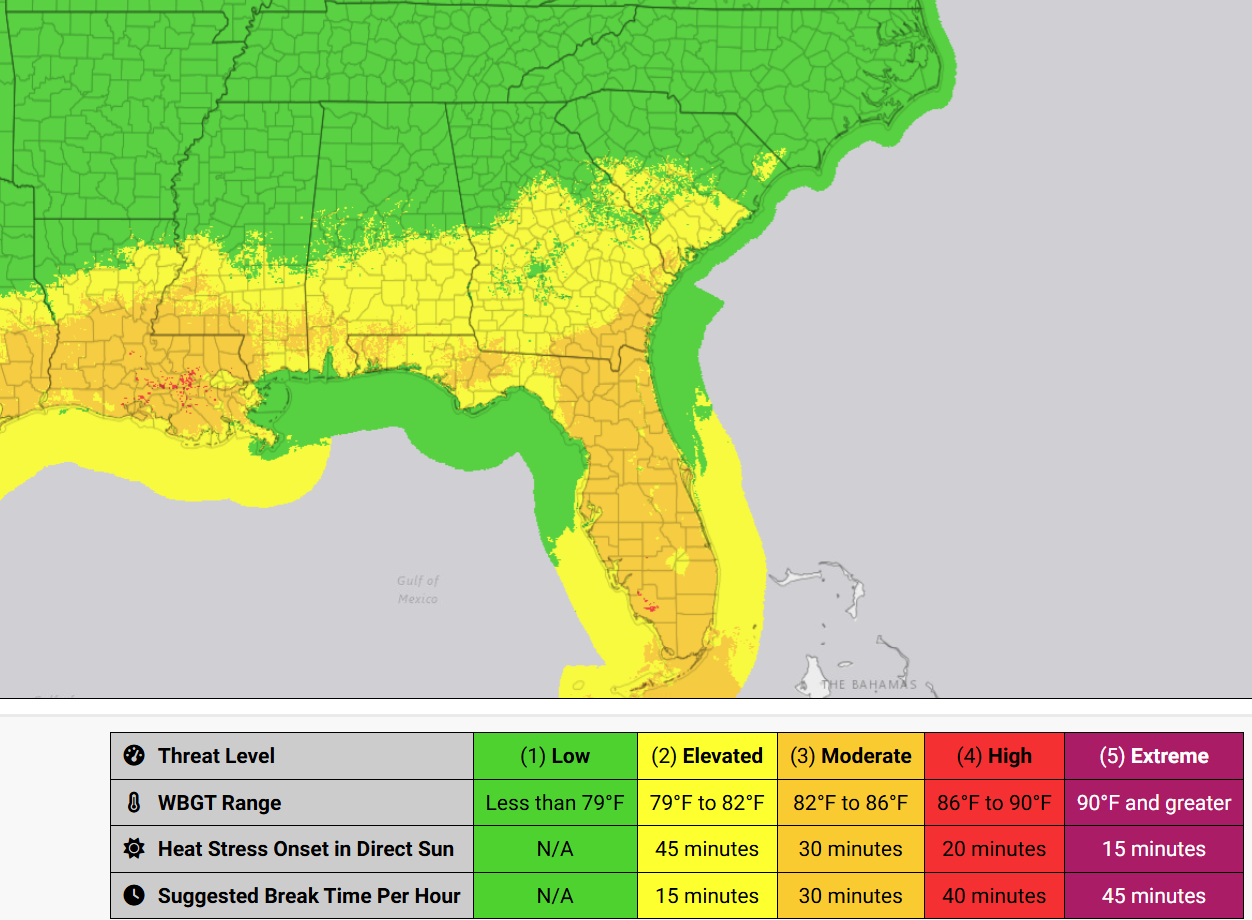
Officials will highlight DEQ’s Planning for Extreme Heat Cohort, a free program that aids local governments in developing heat action plans and connecting with climate and policy experts from North Carolina and across the nation, and the North Carolina State Climate Office will present its Southeast Heat Monitor, a new tool that forecasts statewide heat stress threats.
“We all know that it gets extremely hot in North Carolina during the summer, resulting in serious health problems for people of all ages,” DEQ Secretary Reid Wilson stated in a release. “We encourage local governments and the public to participate in our Heat Season Kickoff Meeting May 11 to understand the health risks and identify ways to protect communities from extreme heat.”
July 2025 was the second warmest July for North Carolina in 130 years. There were more than 5,700 heat-related visits last year to emergency departments in North Carolina, according to DEQ.
Last year was also globally the third-warmest year on record, following 2023 and 2024.
Supporter Spotlight

“We want you have to a safe and healthy summer, but with thousands of heat-related emergency department visits last year, it is critical to be prepared for extreme temperatures to protect yourselves and families,” N.C. Health and Human Services Secretary Dev Sangvai stated. “NCDHHS continues to work with state and local partners to inform North Carolinians about health effects from extreme heat and ensure resources are available for people at risk of experiencing heat-related illness.”
During the meeting, DHHS will share its resources to manage heat-related health impacts, including the NCDHHS Heat Health Alert System, which notifies subscribers of dangerous heat indexes throughout the summer months and provides materials to support prevention.
The department also publishes weekly reports detailing heat health impacts for each region of North Carolina, and trains health care workers and others across the state to recognize and respond to heat illnesses.
Extreme heat has broad impacts across the state, damaging roads, electrical infrastructure and North Carolina’s agricultural industry. The state’s heat season began May 1.
Local governments can open local cooling centers, share educational information, integrate heat action into long-term planning for infrastructure, and plant trees to help protect residents from extreme heat.
Those who would like to attend the meeting may register online.