Four new historic districts and 19 properties across the state, five of which are on the coast, have been added to the National Register of Historic Places in the last year, the North Carolina Department of Natural and Cultural Resources announced this week.
Part of a national program to coordinate and support public and private efforts to identify, evaluate, and protect America’s historic and archeological resources, the National Historic Register is the “official list of the Nation’s historic places worthy of preservation,” that was authorized by the National Historic Preservation Act of 1966 and is under the National Park Service.
Supporter Spotlight

“Each addition to the National Register of Historic Places represents another step in preserving North Carolina’s unique story,” said the department’s Secretary Pamela Cashwell in a statement Thursday. “These sites help connect our communities to their past while supporting cultural tourism and local economies.”
In Beaufort County, Pantego School No. 2 was listed Feb. 24. The Rosenwald-funded school building was completed in 1926 and remained operational as an integrated school after 1968, until it closed in the spring of 2001, the application states.
Winnabow is an 1845 Greek Revival frame house with a double-pile center-passage plan at 677 Governor Road, in Brunswick County that was was Dec. 29, 2025.
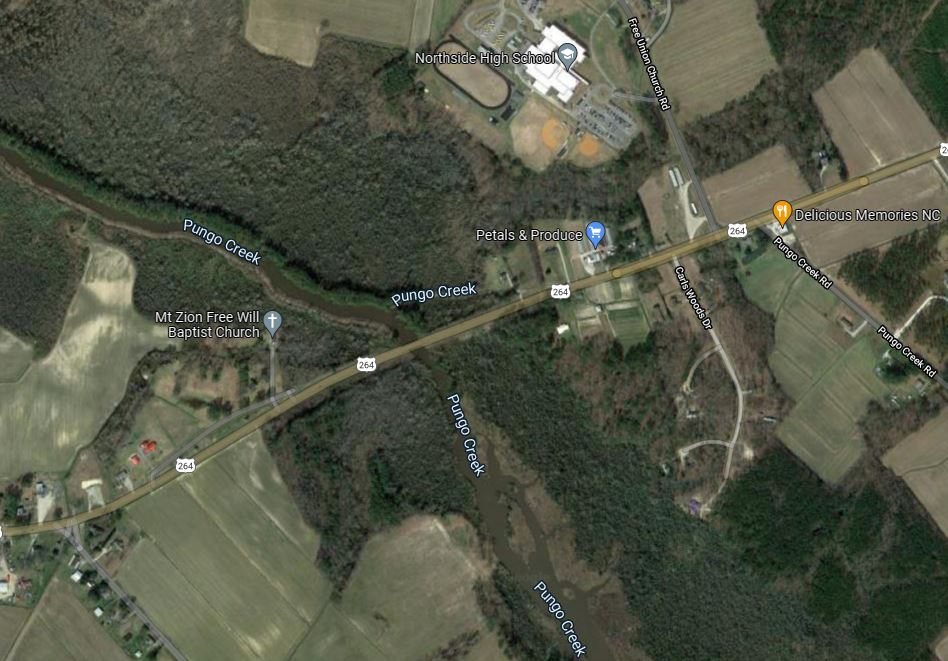
Clubfoot and Harlow Canal in Carteret and Craven counties, which was listed Feb. 23, is a roughly 3-mile artificial channel dug that opened July 1827 across a peninsula connecting Clubfoot Creek and the Neuse River at the north to Harlow Creek and the Newport River to the south.
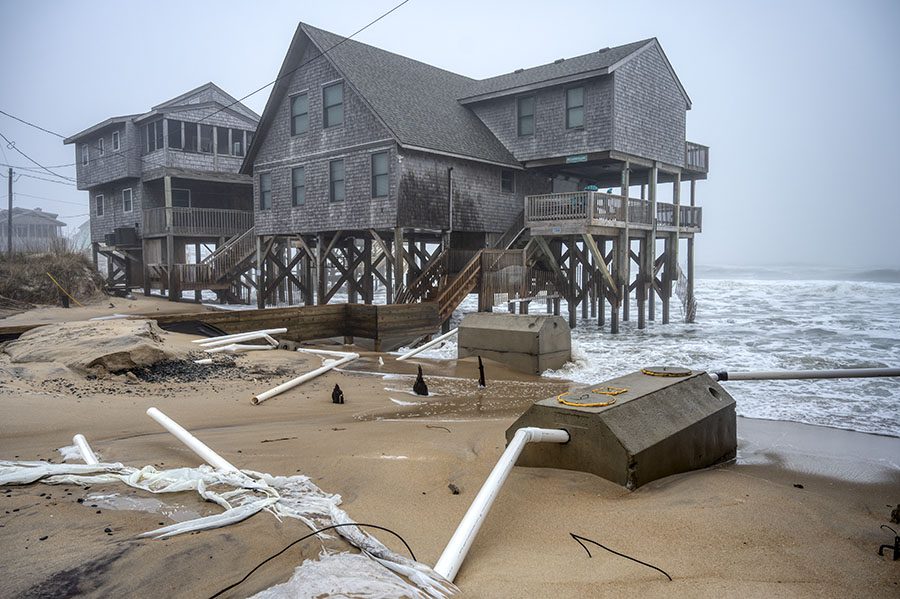
The 1850 Adam Dough Etheridge House in Dare County was listed Aug. 11, 2025. The two-story, single pile, vernacular dwelling features a side-gabled roof and partially enclosed full-width porches on the façade, common among houses on Roanoke Island in the 18th and early 19th centuries.
Supporter Spotlight

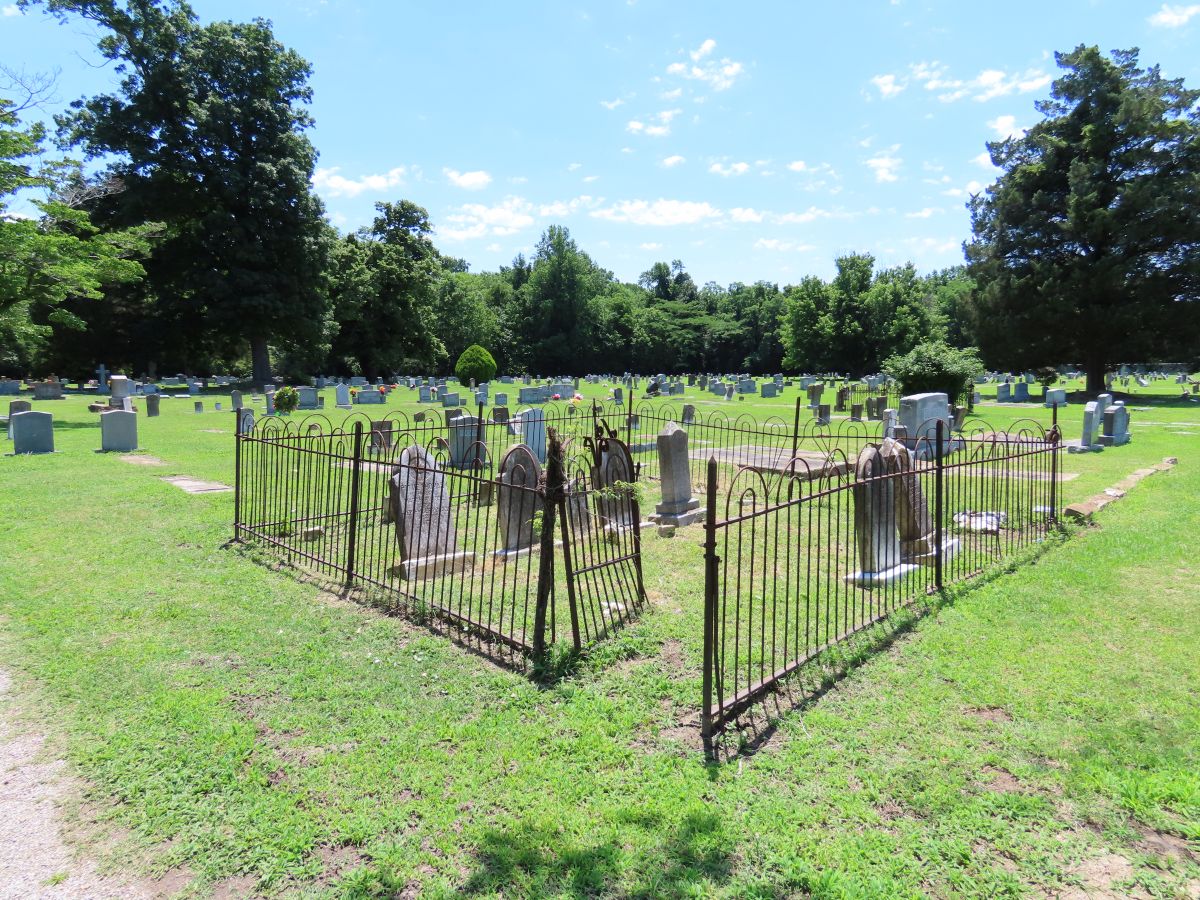
Located in Pasquotank County, Oak Grove Cemetery, which was listed Aug. 11, 2025, is Elizabeth City’s oldest extant Black cemetery. The Black community formally established it on 2.53 acres in 1886, expanded it twice in 1921, and again in 1955 to approximately 8 acres, which it remains today within a 14-acre parcel, according to documents.
The listing of a property in the National Register places no obligation or restriction on a private owner using private resources to maintain or alter the property.
Over the years, various federal and state incentives have been introduced to assist private preservation initiatives, including tax credits for the rehabilitation of National Register properties.
As of Dec. 31, 2025, there have been 4,455 completed historic rehabilitation projects with private investments of $4 billion statewide.