
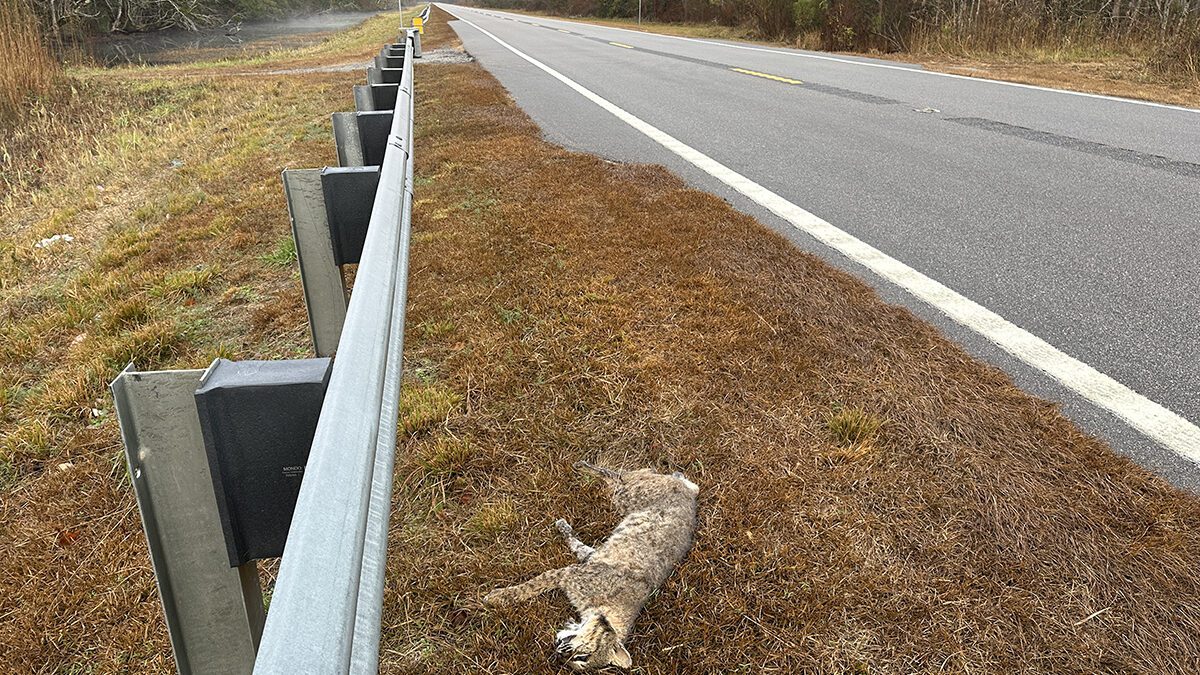
More than 5,000 vertebrates representing 144 species of wildlife were killed on U.S. Highway 64 just halfway through a two-year survey.
Featured
Global photosynthesis rates trend differently on land, at sea
A recently published study finds that plants on land are increasingly absorbing more carbon, while Earth’s oceans are taking in and storing less.
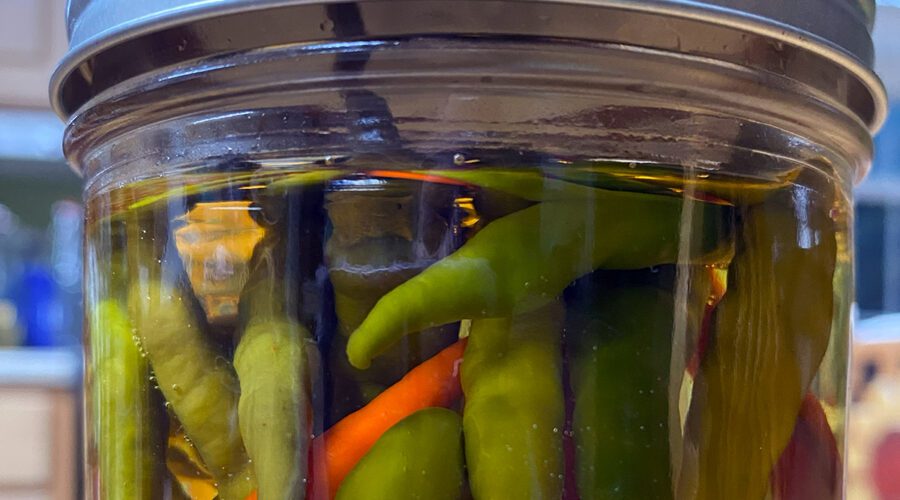
Relish a good pickle? Ancient preservation methods still work
Fruit ciders, vinegars, relishes and pickled vegetables — these time-tested methods for preserving foods share similarities, but there are also delicious differences.
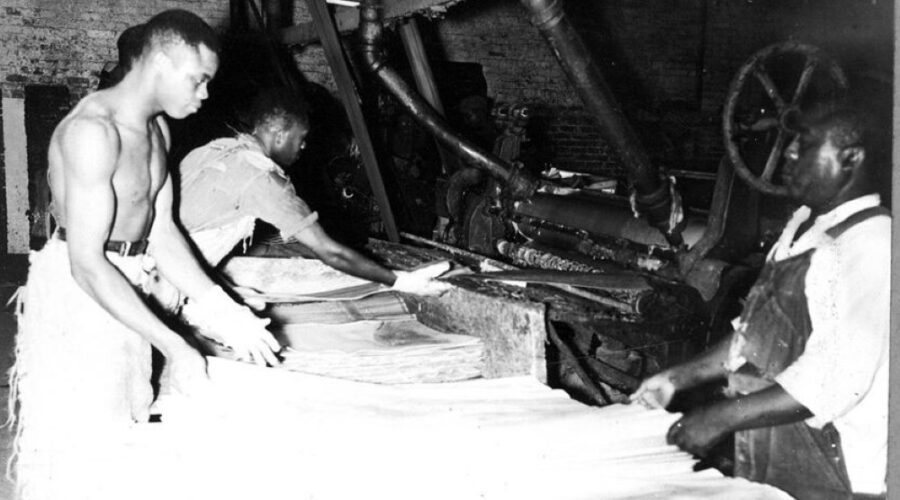
Our Coast: Sawmill workers of the Roanoke River, 1938-1939
The next installment in historian David Cecelski’s “Working Lives: Photographs from Eastern North Carolina, 1937 to 1947″ series takes the reader to a sawmill, a handle mill, and a veneer plant on the banks of the Roanoke River in 1938 and 1939.
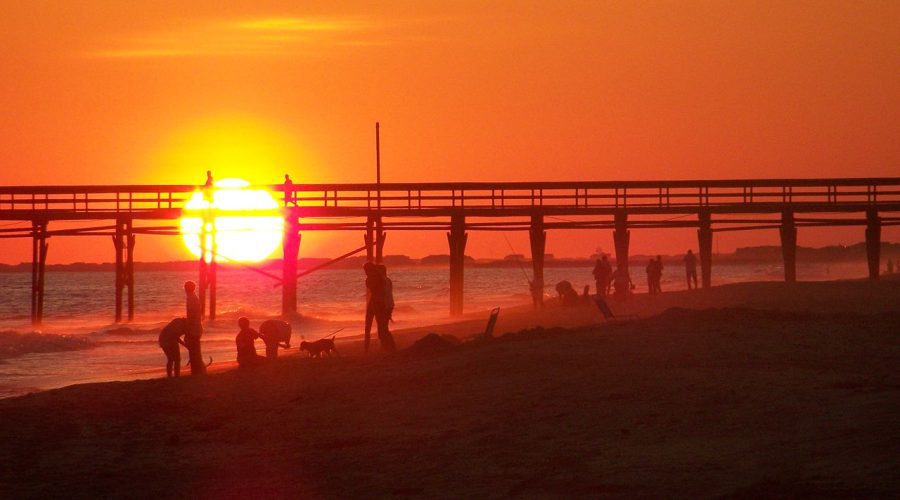
Holden Beach moves to place pier decision in voters’ hands
Town commissioners have given unanimous approval to a plan to hold a $7.3 million bond referendum in November to replace the damaged fishing pier.
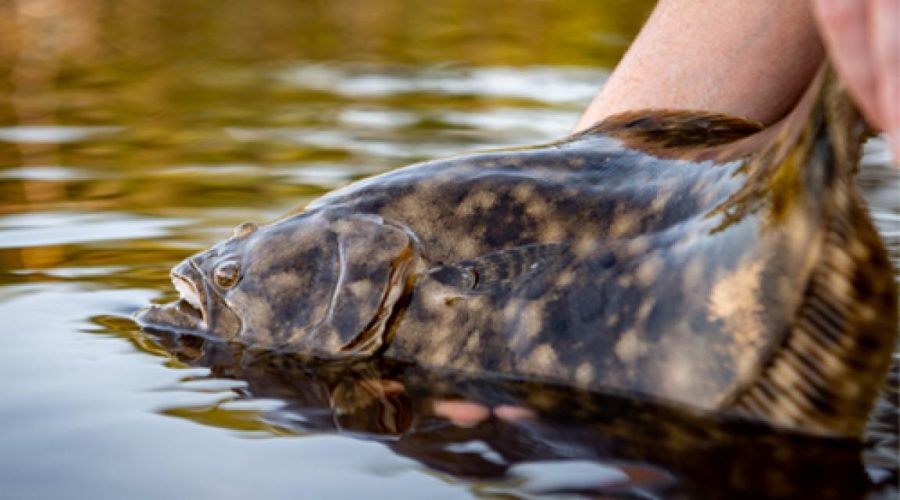
Southern flounder: Warmer seas may skew iconic fish’s future
Guest commentary: Southern flounder are unusually sensitive to climate change because water temperatures during their juvenile stage determines whether they develop as male or female — and the implications are stark.
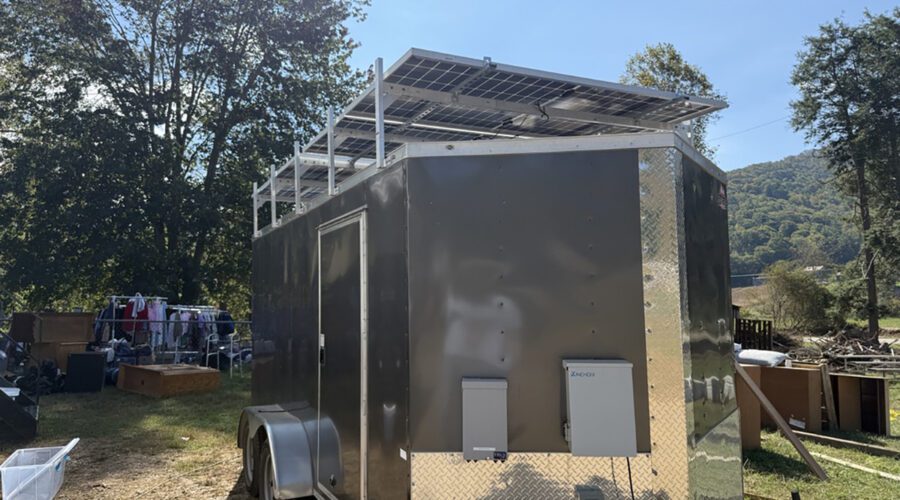
Microgrid project to provide renewable power after disasters
The State Energy Office recently announced a $5 million investment to provide accessible post-disaster emergency power by deploying permanent and mobile small-scale solar and battery storage systems.
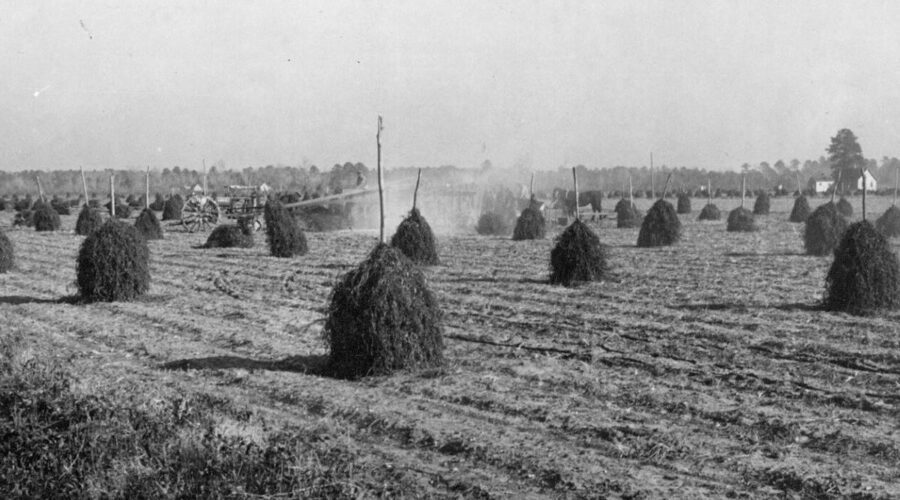
Our Coast: In the peanut fields of Edenton, 1937-1942
“Working Lives: Photographs from Eastern North Carolina, 1937 to 1947″ series begins with a group of 21 photographs that chronicle threshing time on a peanut farm near Edenton in the years just before the Second World War.

Cape Lookout Lighthouse set for $15 million renovation
The 163-foot-tall tower will soon shed its distinctive black-and-white diamond pattern, expose its red bricks not seen since 1873 and don newly refurbished ironwork, safety improvements and breathable paint as part of the preservation effort.
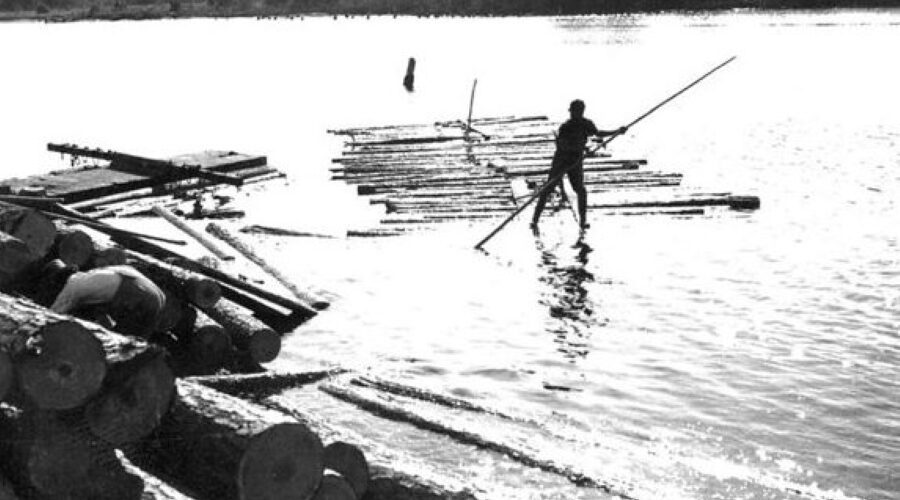
Historian explores the working lives of eastern NC 1937-1947
Historian David Cecelski introduces a series of photo-essays focusing on the working lives of people in eastern North Carolina just before, during, and after the Second World War.
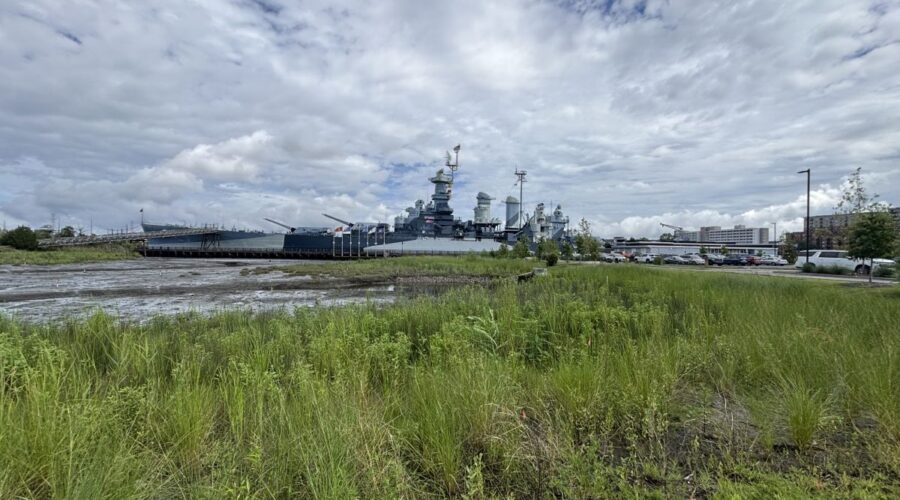
Efforts to curb flooding at battleship memorial yield results
Land around the Battleship North Carolina and its parking area is recreating itself, luring birds, diminishing flood frequency, and providing what the museum’s leaders hope to become a living lab.
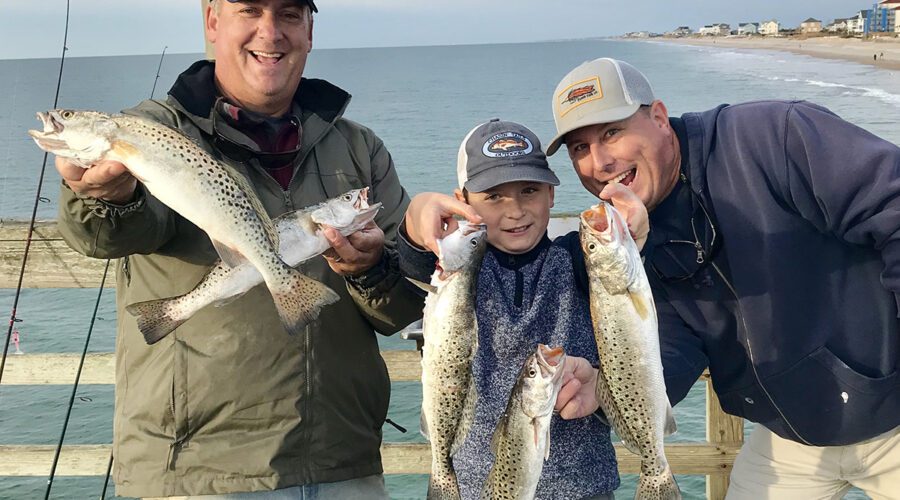
Inspirational moments, indelible impressions are best shared
Those who have fished have memories of great experiences, but many of the most memorable may have been because of your company, even when you returned empty-handed.
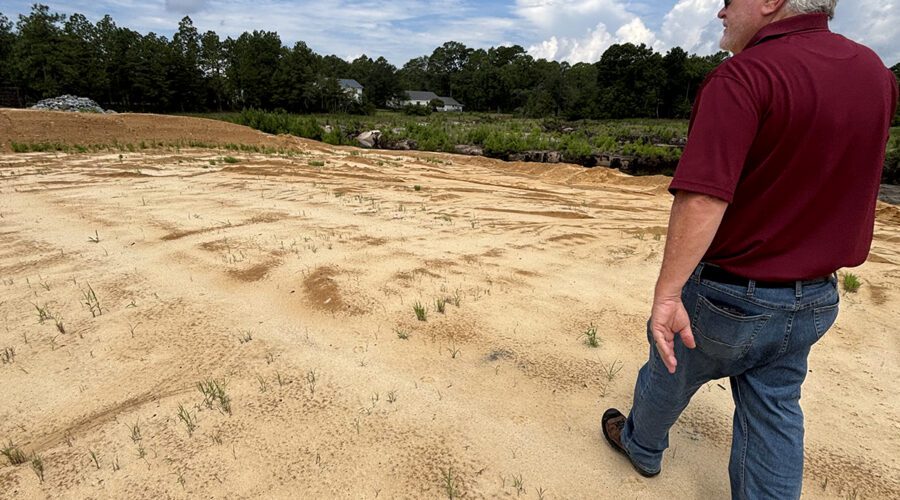
No easy fix for Boiling Spring Lakes’ ongoing dam troubles
Officials in the small Brunswick County city thought the structure damaged by Hurricane Florence had been repaired, but a June storm proved otherwise and residents’ anger and frustration are boiling.
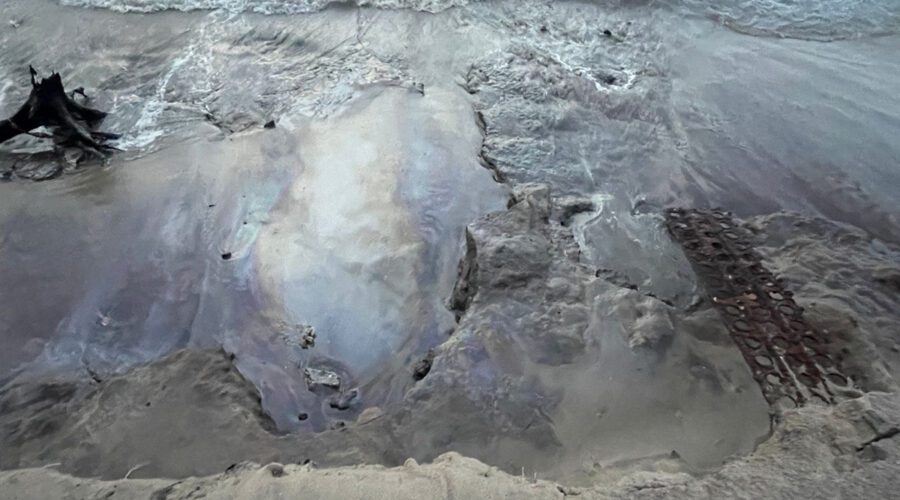
Waves again reveal Buxton pollution; Corps vows removal
“We are dedicated to finding the petroleum contamination and removing it,” said Army Corps of Engineers District Commander Col. Ron Sturgeon earlier this week.
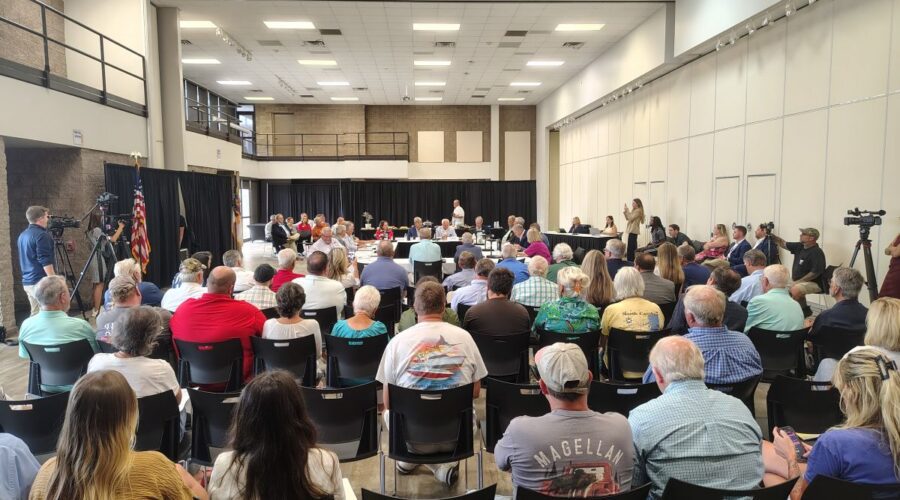
Fledgling commercial fisheries group looks to boost industry
The North Carolina Coastal Counties Fisheries Coalition, formed in response to the recently proposed ban on shrimp trawling in state waters, met for the first time this week in Morehead City, drawing numerous state and local elected officials.
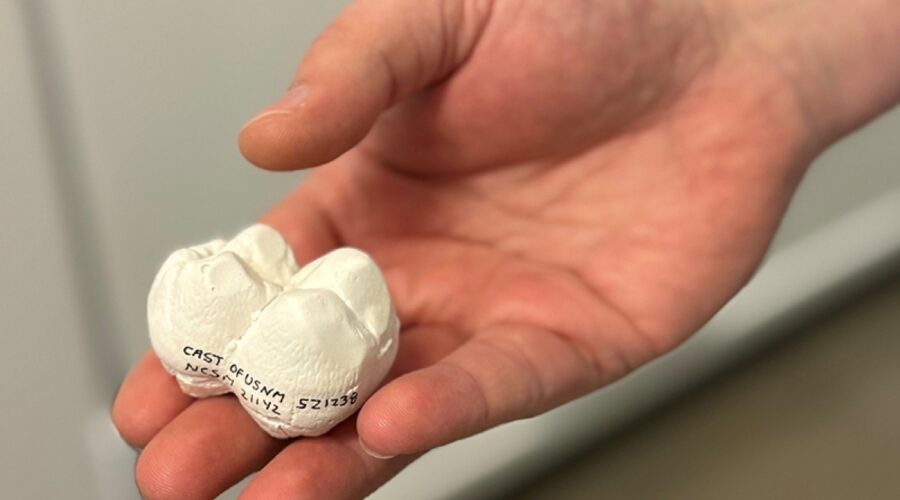
Coastal North Carolina’s fossil record reveals giant ‘hell pigs’
A recent study published by Cambridge University Press finds that the “exceedingly rare” land mammal fossils from 20 million years ago that were found near Maysville fill “an important gap in our knowledge of this time interval and paleogeographic region.”