A North Carolina Highway Historical Marker commemorating a landmark court case that changed voting in the state will be dedicated Sunday in Bertie County.
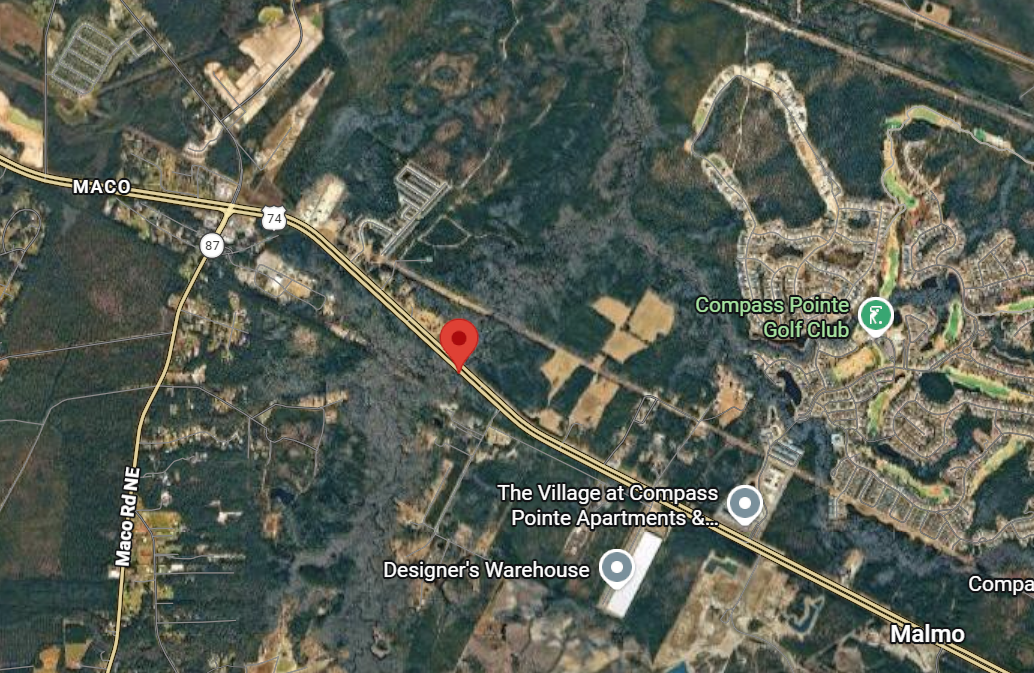
The ceremony for the Bazemore v. Bertie County Board of Elections court case marker is to begin at 1 p.m. at the intersection West Watson and Sterlingworth streets in Windsor.
Supporter Spotlight

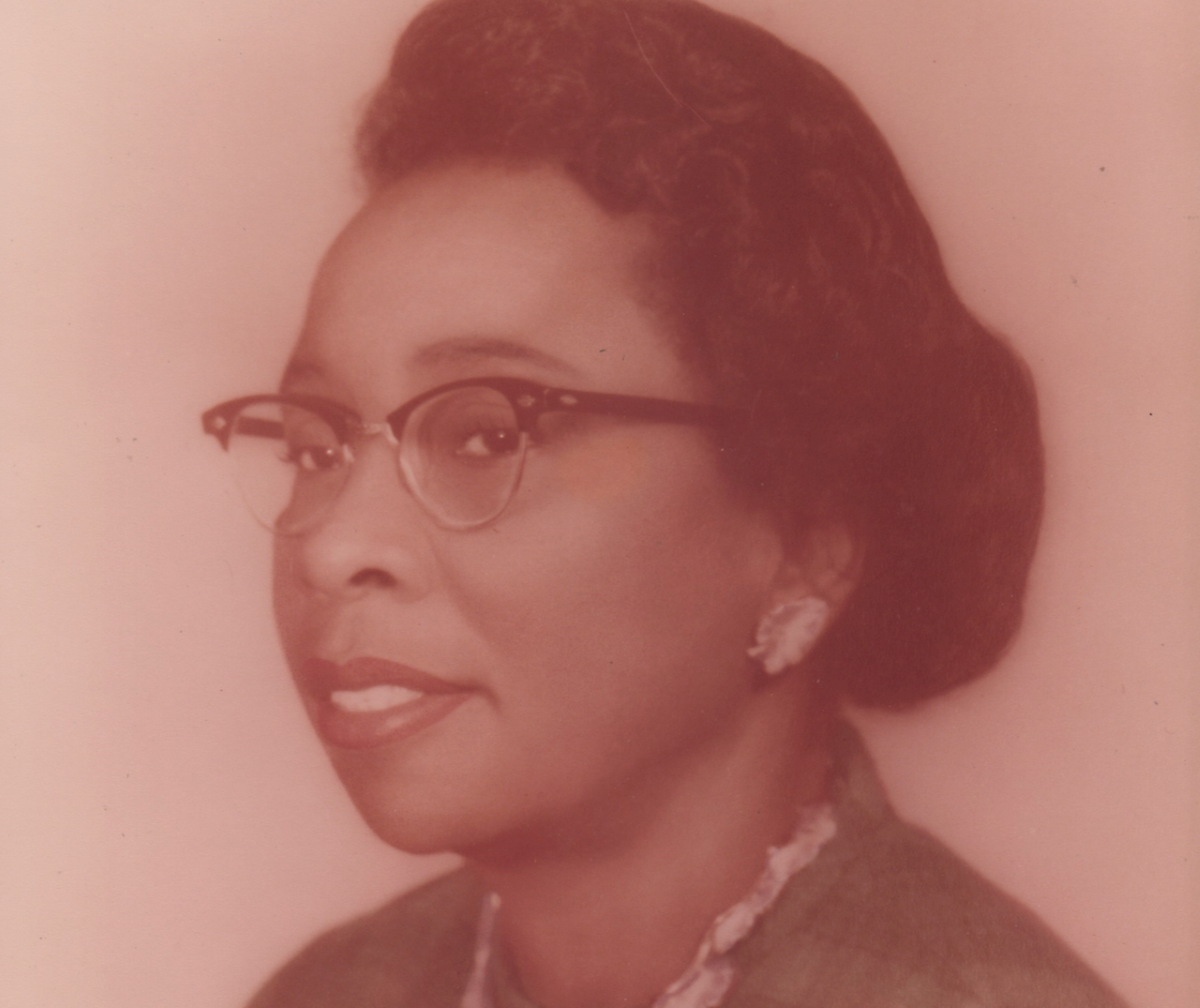
“The case originated in May 1960 when Nancy Bazemore, a 47-year-old African American resident of Bertie County, walked into the Woodville precinct to register to vote. What followed was a legal battle that would reach the North Carolina Supreme Court and reshape voting rights across the state,” according to information provided by the Highway Historical Marker Program, which is a collaboration of N.C. departments of Natural and Cultural Resources and Transportation.
“Bertie County’s racial demographics told a stark story. Black residents outnumbered white residents by a 3-to-2 ratio, yet registered white voters outnumbered registered Black voters by nearly nine to one. County registrars maintained this disparity through a literacy test, a tool created in the late 19th century specifically to disenfranchise Black voters across the South,” the program continues.
For the test in Woodville, the registrar read aloud the state constitution and the applicants transcribed what they heard with spelling errors counting against them, though the state attorney general had declared in March of that year that spelling-based dictation tests were illegal.
Bazemore received a failing grade and was denied registration and appealed immediately.
Her attorney, James R. Walker Jr., an Ahoskie native and University of North Carolina School of Law graduate, announced at her hearing a week later that Bazemore refused to submit to another dictation test.
Supporter Spotlight

When the board rejected her appeal, Walker filed a lawsuit which ultimately landed before the North Carolina Supreme Court, where the attorney argued that the literacy test as administered in Bertie County was unconstitutional under the state constitution’s separation of powers clause, because it effectively granted legislative authority to local election officials.
He documented that the dictation requirement was applied exclusively to Black applicants, and identified the test’s inherent vulnerabilities to abuse, stating that a registrar’s pronunciation, reading speed, a voter’s hearing or speech patterns, and the registrar’s own discretion in grading could all determine the outcome, with little accountability. The court ruled in Bazemore’s favor in April 1961.
Though the justices declined to find bad faith on the part of Bertie County officials, they found the test as administered unreasonable and beyond legal intent.
“The significance of the court case extended beyond Bertie County. Federal civil rights reports and subsequent voting rights discussions cited the case as evidence of the burden of literacy tests imposed on African American citizens,” the program explained in the press release.
For more information about the historical marker, visit the Nancy Bazemore blog post or call 919-814-6625.