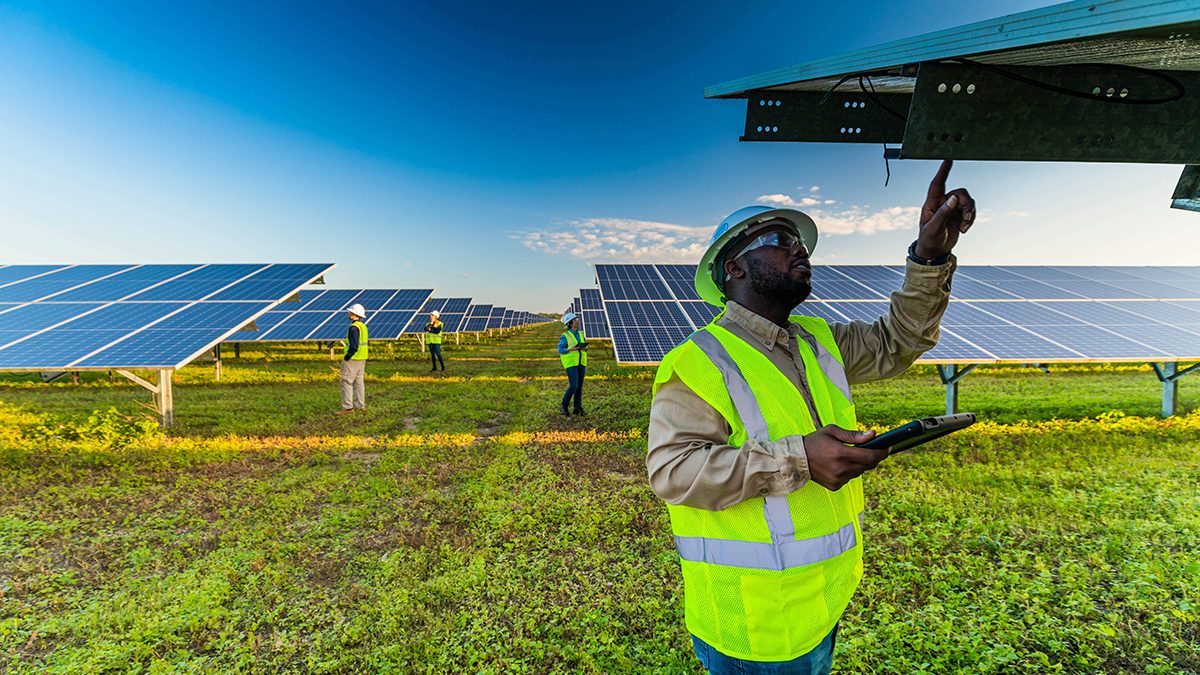
The potential $67 billion, all-stock merger of electric utilities, Virginia-based Dominion Energy and Florida-based NextEra Energy, could boost further renewable power development in northeastern North Carolina and create a massive utility, but whether it will be an overall good thing for the Tar Heel State remains to be seen.
economy

Karen Gould to become Carteret TDA executive director
The area native has been with the Crystal Coast Tourism Development Authority for more than a decade, most recently serving as deputy executive director.
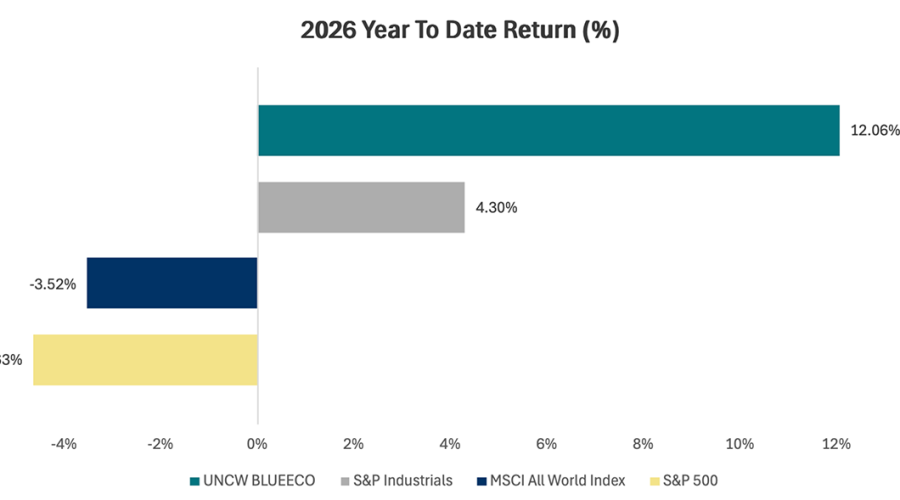
UNCW Blue Economy Index fares better than its benchmarks
The University of North Carolina Wilmington Blue Economy Index, which measures oceans-based industry performance as compared to familiar stock exchange indices including the S&P 500 and S&P Industrials, saw less of a slide during March than they did.
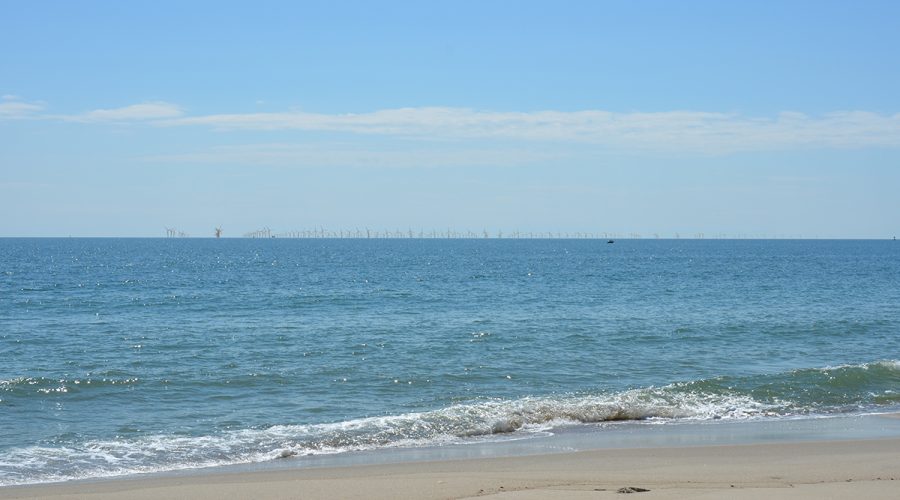
Carolina Long Bay wind energy firm takes Trump buyout
The Interior Department’s announcement Monday that the developer of wind energy leases off the North Carolina and New York coasts had taken a $1 billion taxpayer buyout rather than proceeding marks a sharp pivot from the company’s previously stated position.
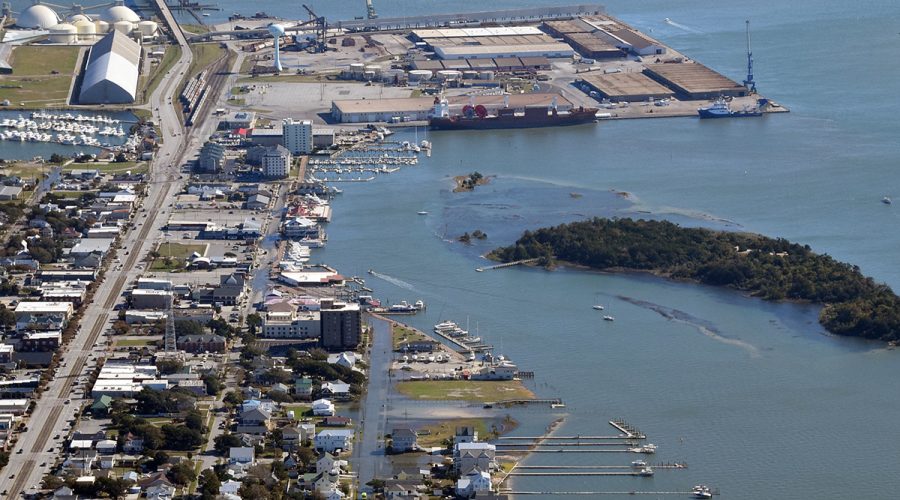
Millions marked for port, short-line freight rail upgrades
North Carolina Department of Transportation Rail Division officials have announced $16.3 million for freight rail infrastructure improvements that include coastal lines and state port facilities.

Imported shrimp served at restaurants touting local catch
A sizeable majority of Outer Banks restaurants that claim to serve local, wild-caught shrimp have been found through genetic testing to be serving imported farm-raised shrimp instead.
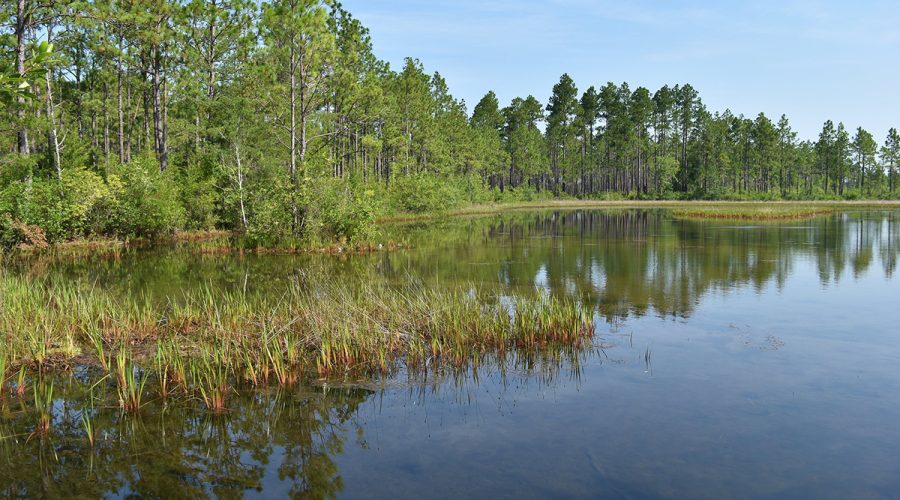
Public hearing Tuesday on proposed ‘WOTUS’ definition
A hearing is set for next week on the proposed definition rolled out last month for “Waters of the United States,” which outlines the waterbodies eligible for protection under the federal Clean Water Act, that conservationists warn will leave millions of acres of nontidal wetlands vulnerable to pollution, harm fish habitat and worsen flooding.
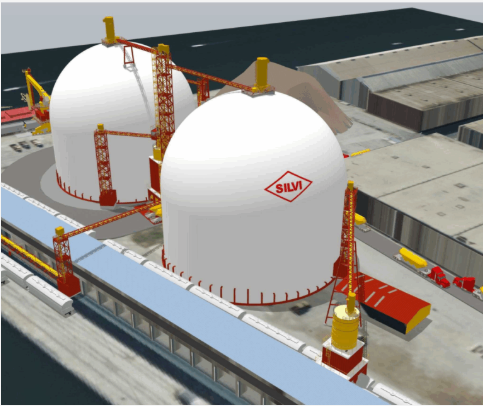
New cement terminal to be built at Morehead City port
Silvi Cement, a division of Pennsylvania-based concrete supplier Silvi Materials, plans to build a new bulk cement import terminal at the Port of Morehead City.
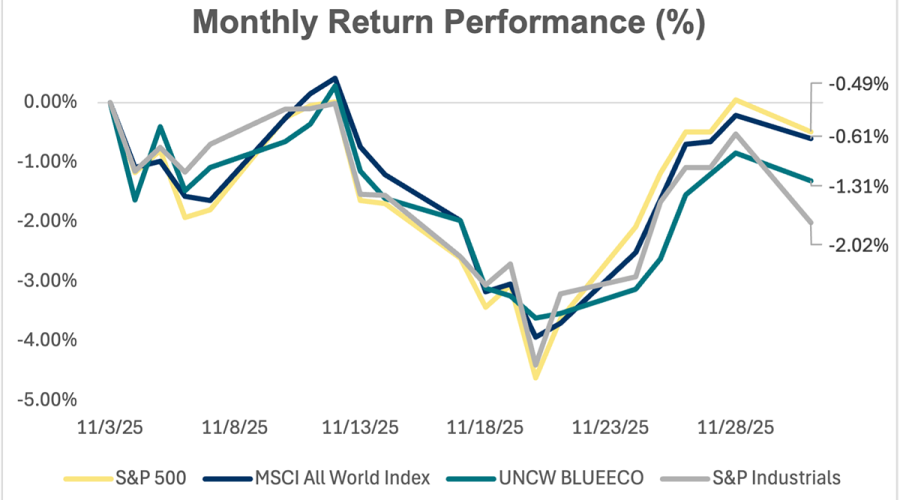
UNCW Blue Economy Index dips 1.36% in November
The sector known as the Blue Economy — companies operating on oceans and waterways that are focused on environmental sustainability — still showed relative stability during the month, compared with industrial benchmarks.
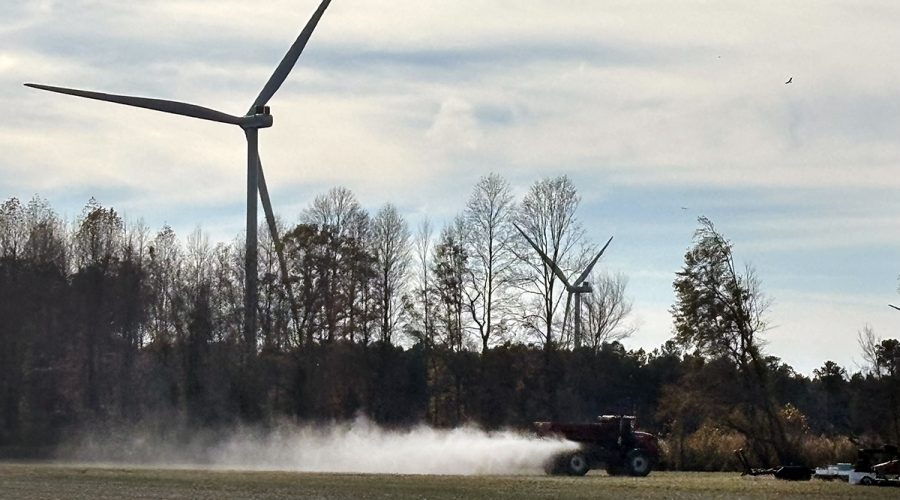
Timbermill Wind celebrates becoming Chowan’s top taxpayer
The company’s annual payments to the county over the project’s 30-year lifespan are expected to total $50 million, and the infusion of revenue this year totals more than last year’s top nine taxpayers combined.
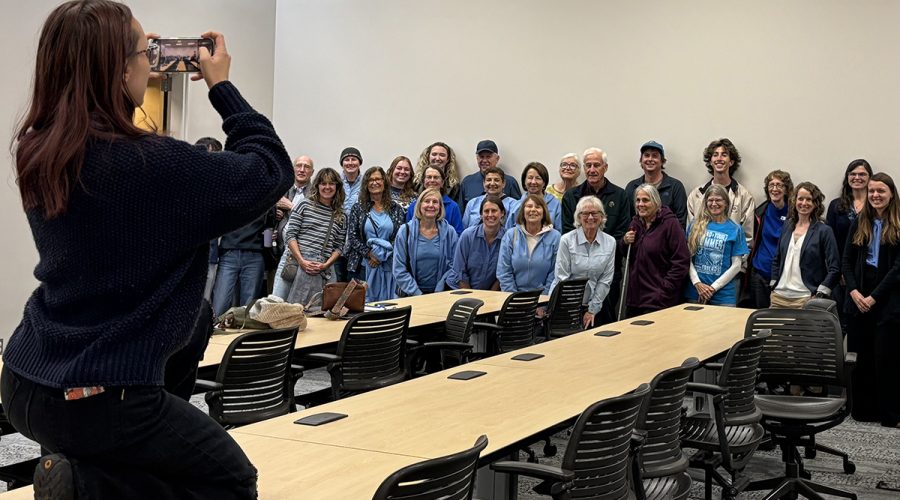
Wilmington residents see no good in proposed harbor project
None of the proposed alternatives for the State Ports Authority’s plan to accommodate larger container ships at the Wilmington port would boost the local economy and any benefit would be offset by environmental costs, public hearing attendees said.
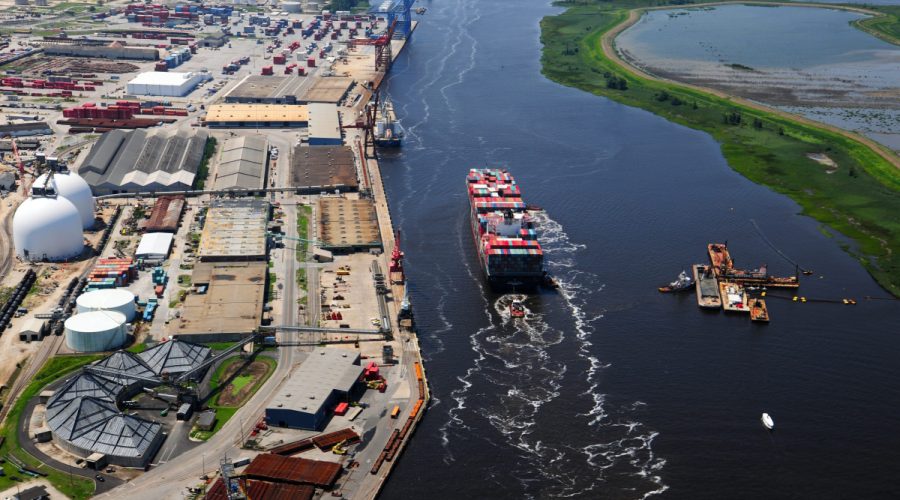
Port’s Cape Fear dredge project fails taxpayers, environment
Guest commentary: Deepening the Cape Fear River will only worsen flooding around the downtown Wilmington waterfront and the North Carolina Battleship site and lead to a substantial loss of vital wetlands and floodplains.
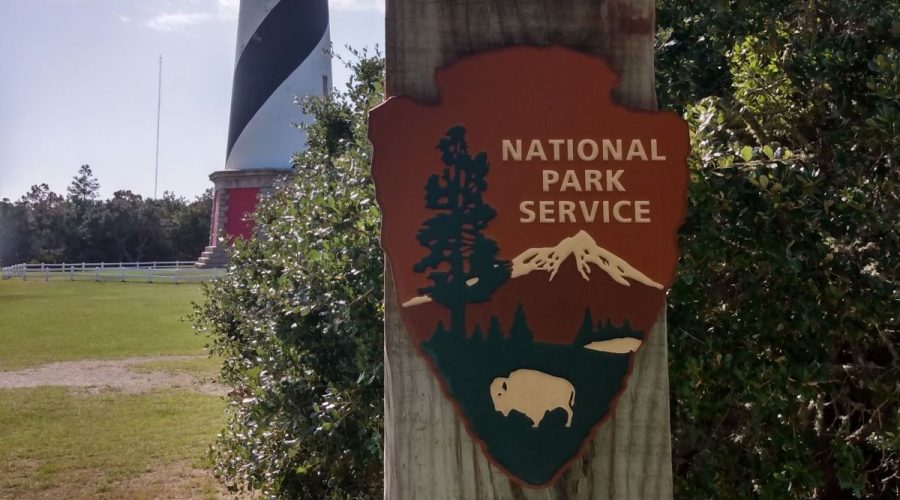
North Carolina’s national park sites in 2024 bring in $2.3B
Around 4.7 million visitors spent $732.2 million in the communities surrounding the North Carolina coast’s five National Park Service sites, a recent report finds.
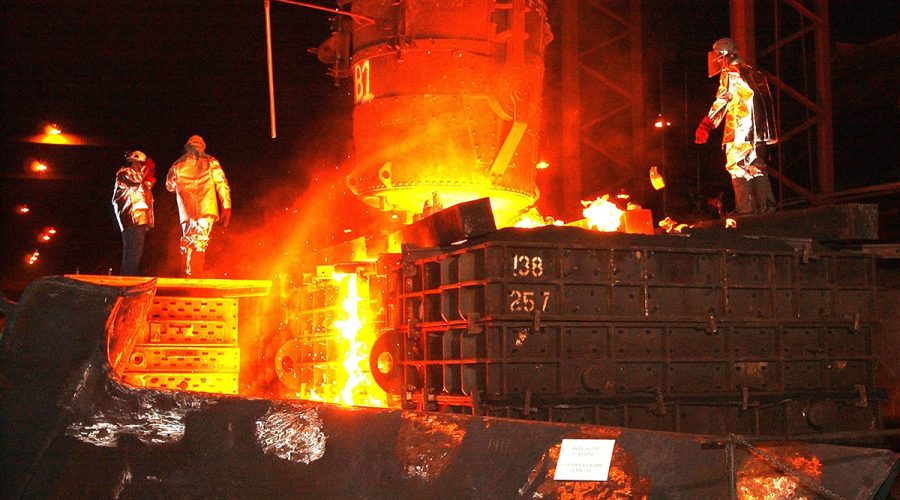
Steel manufacturer to announce big Hertford County project
Currituck County Republican Sen. Bobby Hanig says the forthcoming announcement of a new company’s nearly $1 billion investment in Hertford County will be “transformational” for the area.
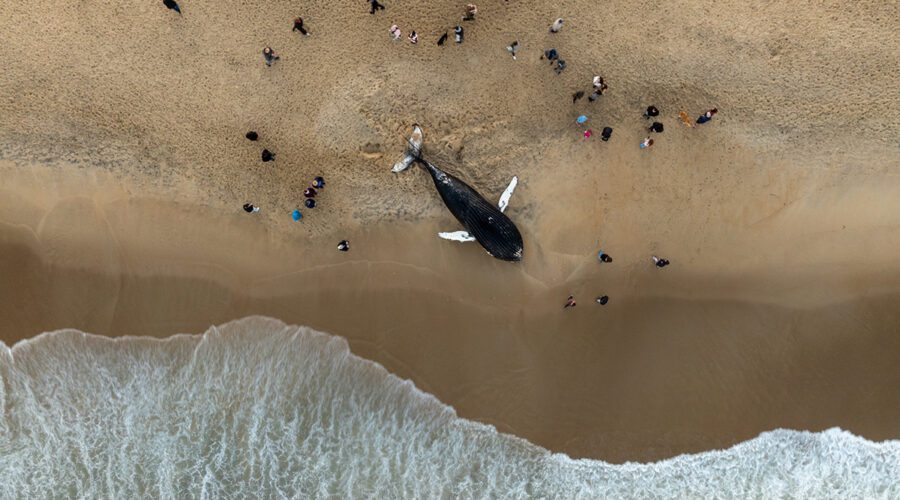
Fishermen, scientists differ on whale mortality, wind energy
Opinions up and down the North Carolina coast differ on the reasons behind rising numbers of Atlantic whale deaths, but marine researchers say the science is clear.
NC officials promote joining state government workforce
Last week, NCDEQ officials and staff tried to recruit for the long-understaffed agency during a conference, and the governor’s office announced a website for those displaced due to Hurricane Helene or recent federal cuts.