
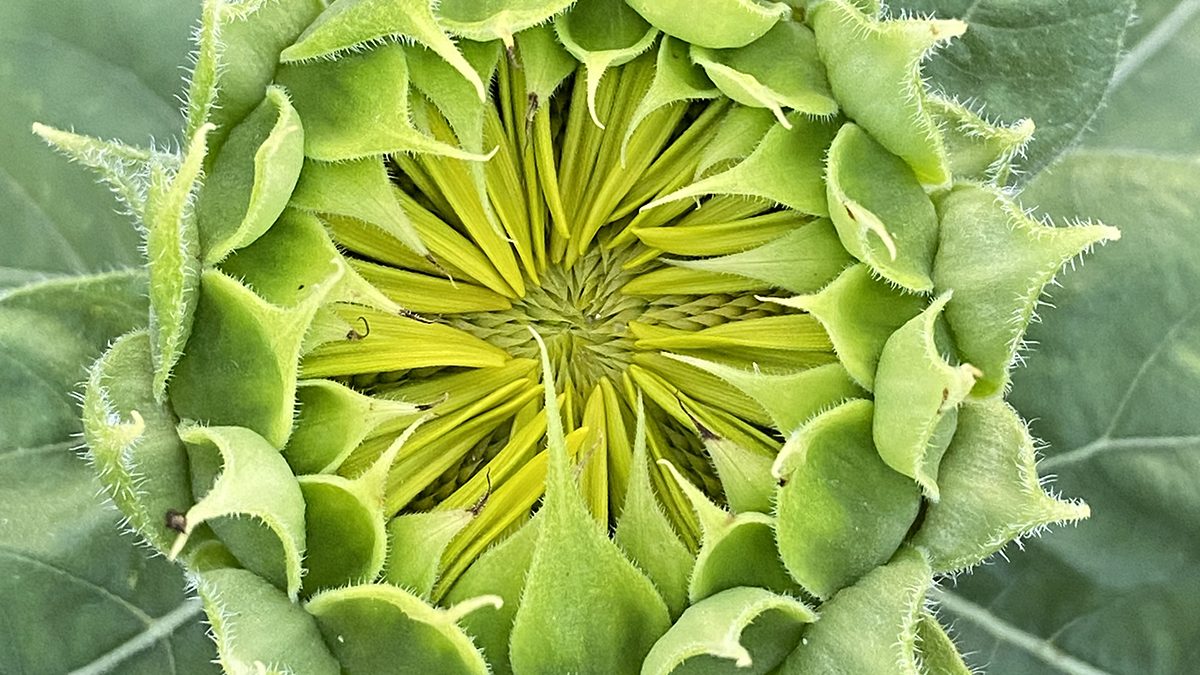
If you have ever marveled at a sunflower’s complex beauty, then you’ve seen one example of the ubiquitous sequence introduced to Westerners by an Italian mathematician named Leonardo Fibonacci.
native plants
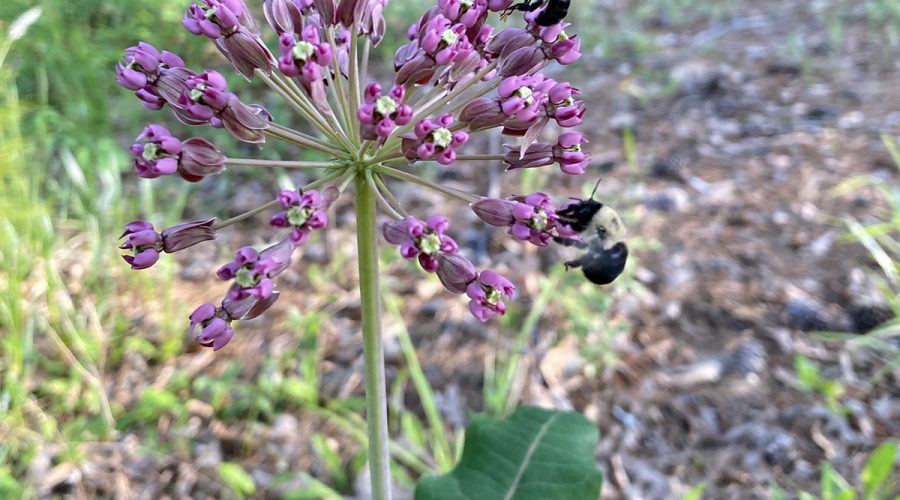
Turn unused space into Butterfly Highway, Pollinator Pit Stop
Wide-open spaces were once rich with all kinds of grasses and flowering plants — a vital feast for pollinators, but as people moved in, habitat was lost, and now it takes extra effort on our part to create corridors for birds, butterflies and bees to travel.
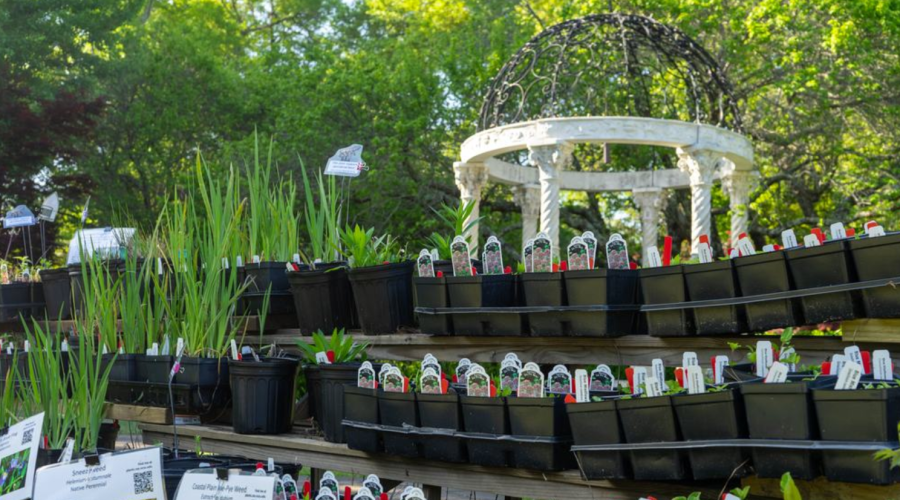
Plant sale to offer species that support wildlife, enhance yards
The 39th annual Master Gardener Volunteer Association will host a four-day plant sale in Wilmington beginning April 16.
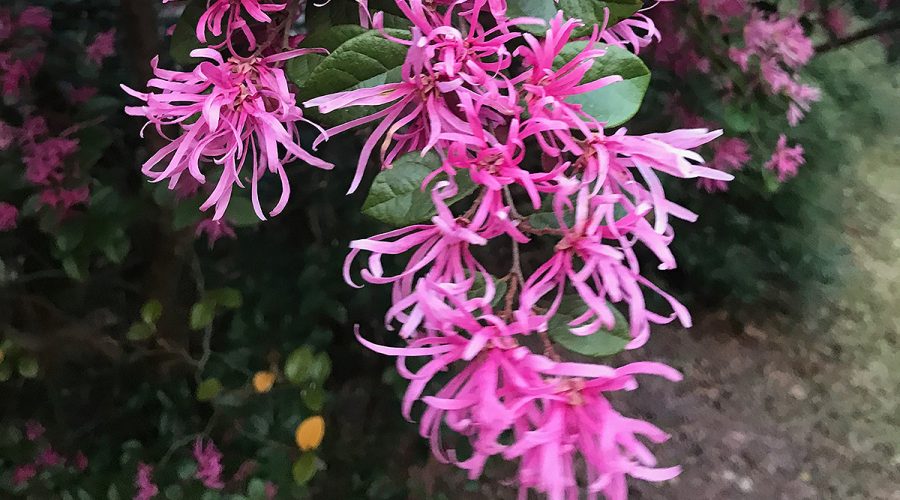
Sharing is caring, but beware of nonnative, invasive plants
Sharing the beauty of plants is only human, but these days we can all do the research necessary to avoid a gorgeous green gift that becomes an invasive monster.
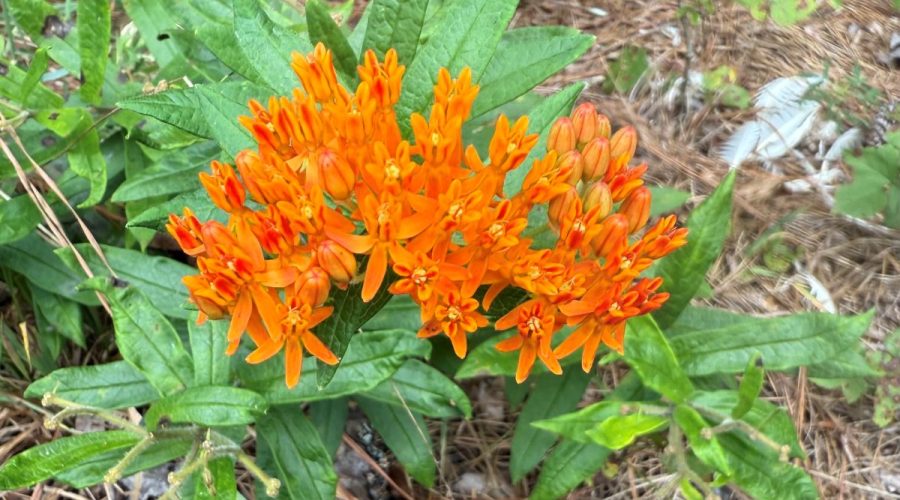
Native versus non-native: To plant or not to plant?
Though it’s tempting to plant a rainbow of non-native plants, consider what introducing a new species will do to your garden.
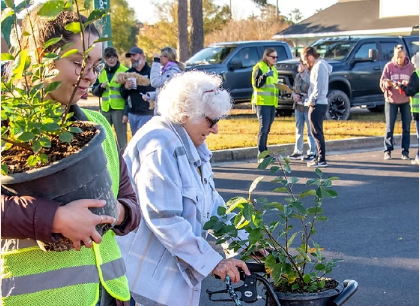
Valentine’s Day tree giveaway set for downtown Wilmington
Alliance for Cape Fear Trees will share the love this Valentine’s Day by giving away more than 1,000 native species of trees.
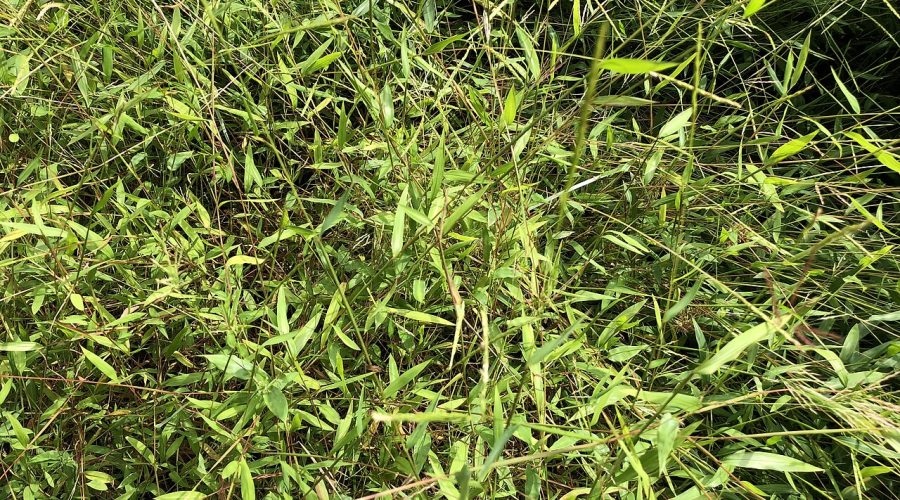
Webinar to cover invasive plant identification, management
In the February installment of the webinar series, “Landscapes that Last,” participants will get tips on how to identify and manage invasive plants.
Native plant art contest open to artists of all experience levels
Submissions are due March 30 for the Native Plant Art Contest and Exhibit hosted by two Texas-based, Latino-led nonprofit organizations.
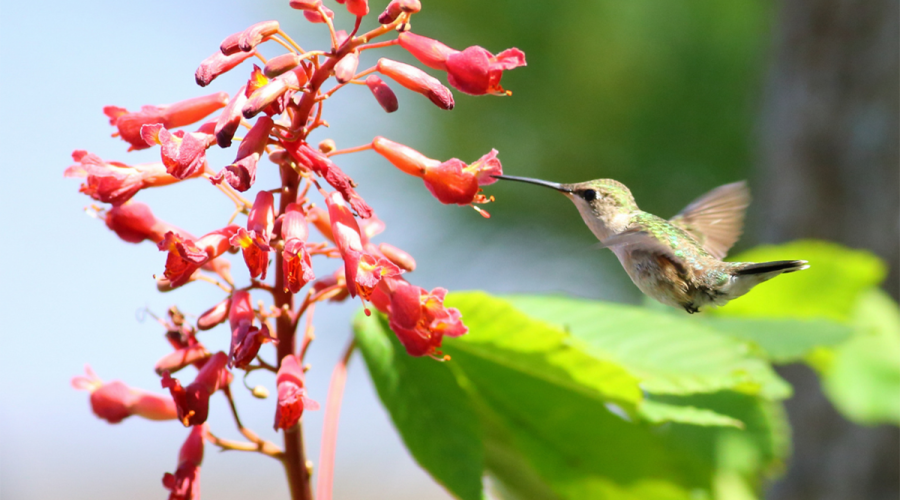
Second ‘Landscapes that Last’ webinar set for Jan. 15
The second in the online education series explores the core principles of conservation landscaping and how they support healthy land and water systems.
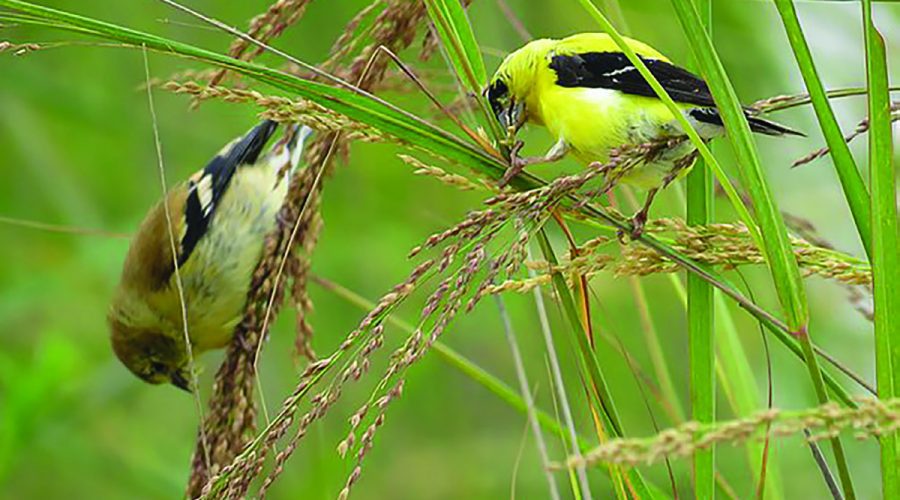
New webinar series to offer coastal landscaping expertise
The series, “Landscapes that Last,” is for coastal residents, local governments, homeowners associations and nurseries “to build shared knowledge and healthier coastal communities.”
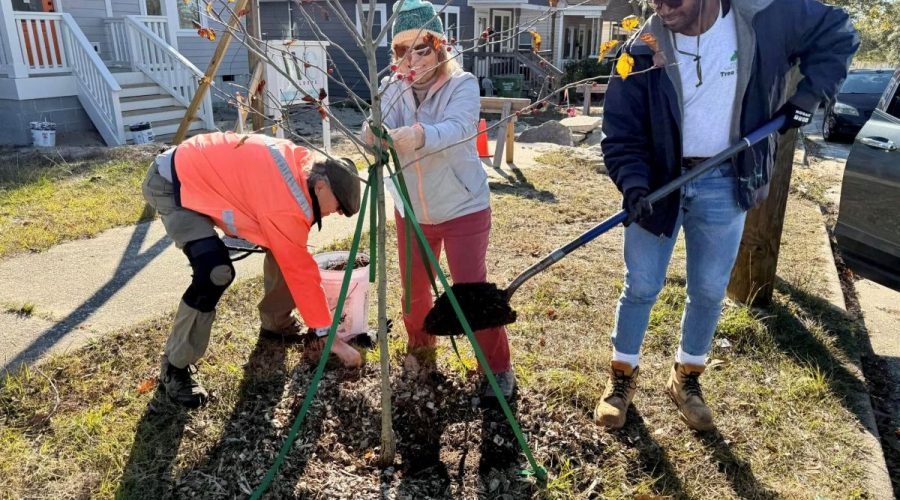
Native tree giveaway in Wilmington to be largest yet
In its largest giveaway to date, Cape Fear Alliance for Trees will have more than 1,400 native trees available for the taking beginning Friday afternoon.
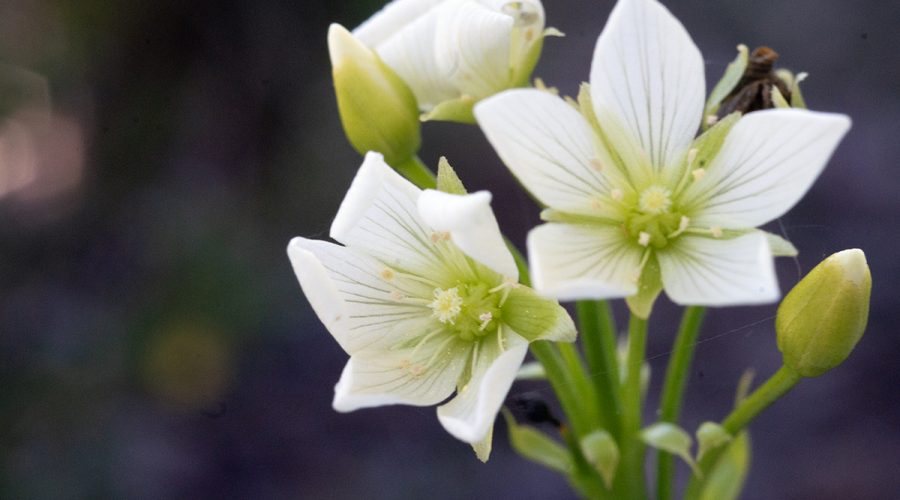
Carnivore blooms
A Venus flytrap shows off its perhaps little-appreciated blooms, which are often overlooked, as compared with the other, better-known, insect-trapping attributes of this carnivorous plant that’s native only to a roughly 90-mile stretch of the North Carolina coast between Wilmington and Morehead City. Photo: Mark Hibbs
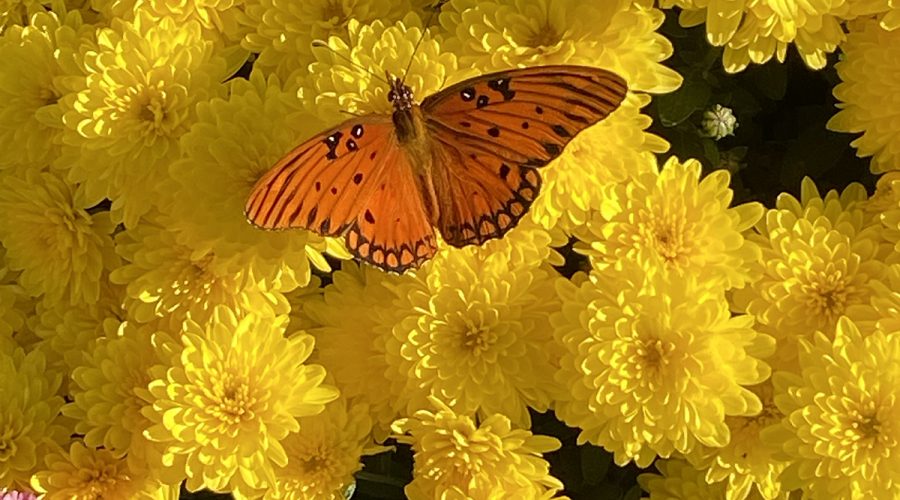
What about those ‘other’ pollinators? No honey, no sting
Lepidoptera, as they are known to scientists, are familiar creatures that are not only welcome guests in many gardens, they are also essential to certain flowering species’ survival.
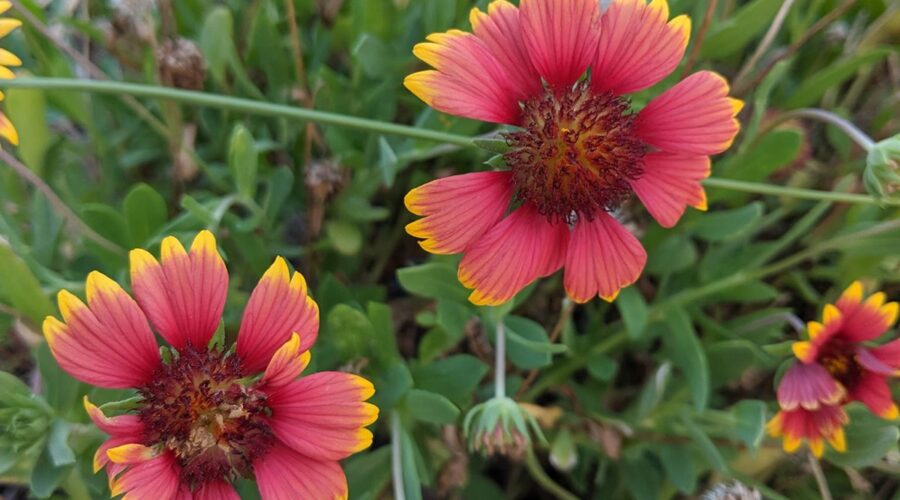
Terms of endearment: Understand common gardening jargon
Maybe it’s lingo, or terminology, but whatever you call it, referring to crops’ scientific names can yield helpful clues, and so with an understanding of Earth’s natural satellite.
Morning stretch
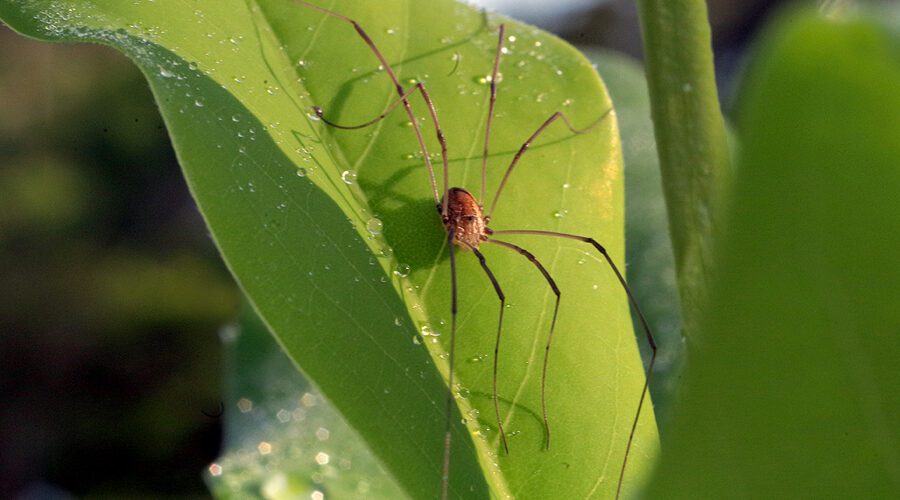
Daddy longlegs, scientifically speaking, a member of the Leiobunum genus, stretches its legs recently on the leaf of a sweetbay magnolia, or Magnolia virginiana, a native species on the North Carolina coast. Often called harvestmen — there are at least 6,600 suborders of the species — and mistakenly identified as spiders, the insect is an arachnid that has been found everywhere on Earth except Antarctica. Photo: Mark Hibbs
Sierra Club to celebrate Earth Day, hold plant walks, talks
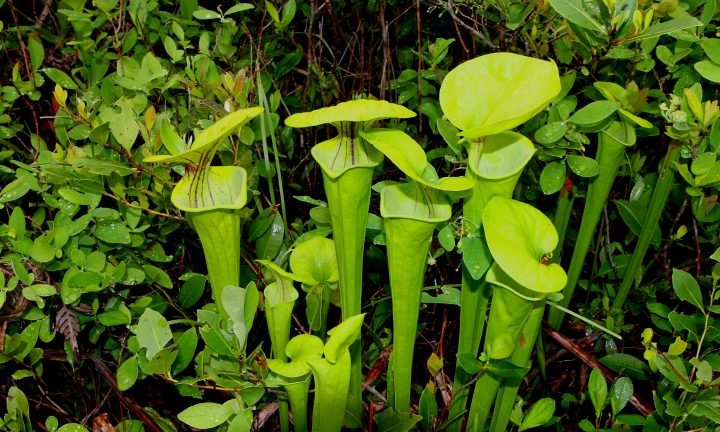
N.C.’s Sierra Club’s Croatan Group is to host an Earth Day celebration on April 22, and have planned two walks to see carnivorous plants, and a talk with a master gardener about native plants to take place over the next month.