A preliminary study conducted by the North Carolina Division of Water Resources found PFAS in soil, wastewater and biosolid samples collected at sites across the state.
The study assessing concentrations of per- and polyfluoroalkyl substances in biosolids concludes that a majority of those substances entering wastewater treatment plants are discharged into waterways, “as compared with the amount entering the environment through land application biosolids,” according to a Department of Environmental Quality release.
Supporter Spotlight

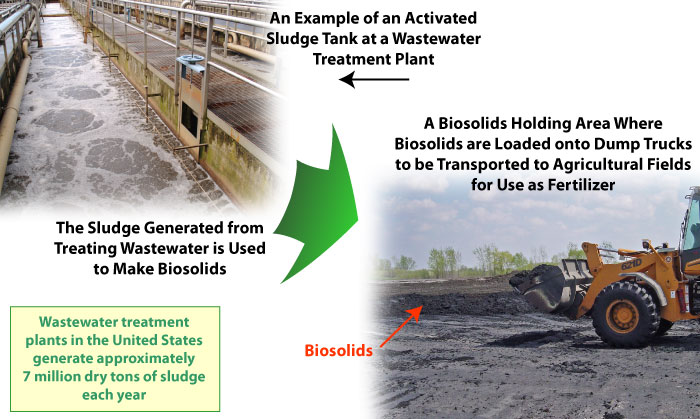
Biosolids are the nutrient-rich organic material that remains after wastewater has been treated. The material is typically used as a fertilizer.
The study is the first that the division has conducted assessing PFAS concentrations in biosolids across the state.
Division staff began gathering samples in 2023 to evaluate PFAS concentrations in wastewater and biosolids from 37 municipal, industrial and domestic wastewater treatment facilities. Soil samples were also collected from 19 fields regulated under non-discharge permits.
Wastewater treatment facilities can receive PFAS, which are a group of man-made chemicals used to make a host of commercial, industrial and consumer products, from residential, commercial and industrial sources.
“The study represents a first step for DEQ to begin to understand PFAS concentrations in wastewater and biosolids in our state,” Julie Grzyb, the division’s deputy director, stated in a release. “The study was based on a small sample size and was limited in scope, but it underscores the importance of characterizing and controlling PFAS contamination at the source.”
Supporter Spotlight

The study did not assess how these chemicals in biosolids move in the environment.
DEQ estimates that 3.5 million North Carolinians drink tap water that contains PFAS levels above the U.S. Environmental Protection Agency health-based standard scheduled that was to initially go into effect in 2029.
The Trump administration’s EPA announced last year that it would extend the deadline for public water treatment plants to come into compliance with the federally established limits for two legacy PFAS – PFOA and PFOS to 2031. EPA Administrator Lee Zeldin also announced plans to rescind regulations and reconsider regulatory determination for other PFAS, including GenX.
North Carolina does not have state regulatory requirements for PFAS in biosolids.
“The study will inform future study design and identify opportunities for further data collection and analysis,” the release states.