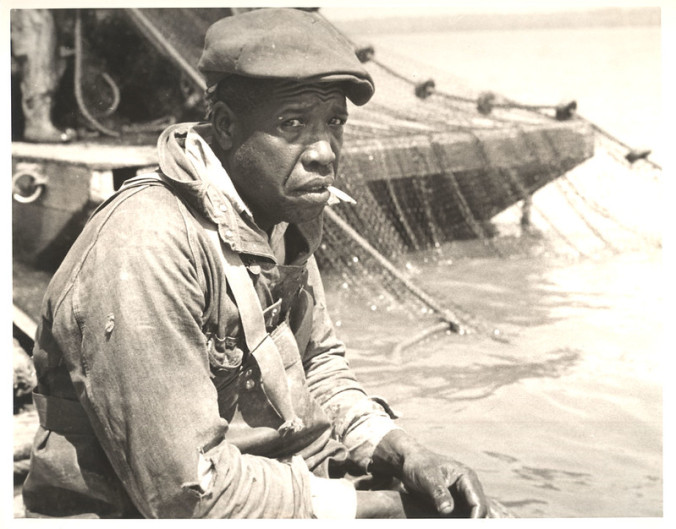
Charles Farrell’s photographs of herring workers from 1937-1941 remind us of a different time and perhaps give us a vision of what could be again if the Chowan River is restored to health, writes historian David Cecelski.
culture and history
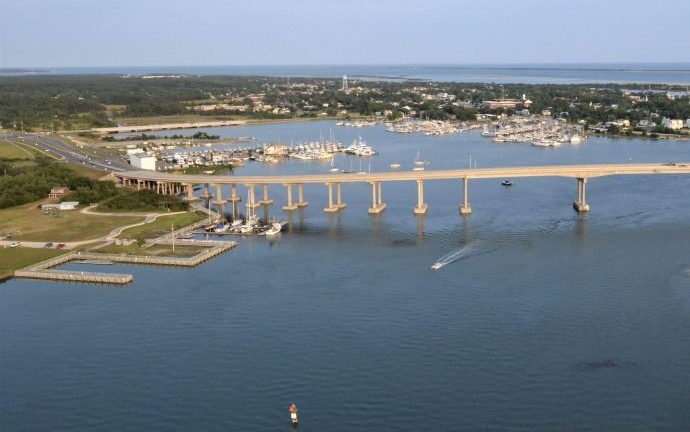
Maritime Day returns to Beaufort waterfront June 12
Prepare to see pirates, sail and a celebration of all things nautical during Maritime Day in Beaufort.
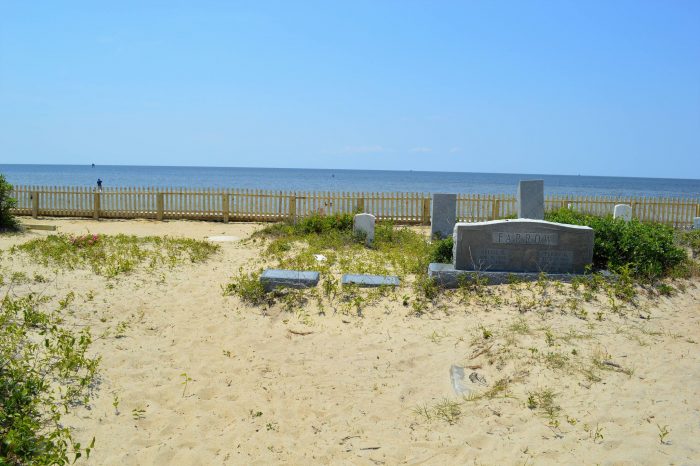
Fence added to protect Salvo Community Cemetery
New fencing has been installed to protect the historic Salvo Community Cemetery
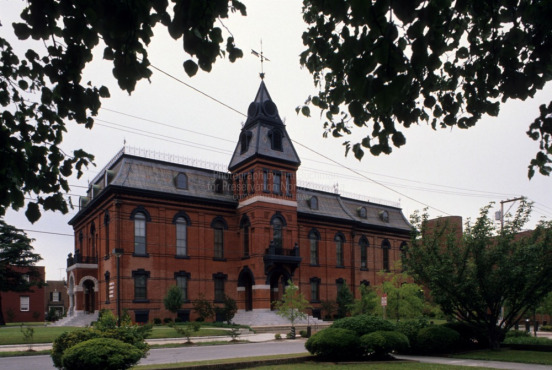
The other coup d’etat: Remembering New Bern in 1898
New Bern in 1898 could have easily experienced a coup similar to the massacre that took place in Wilmington the same year, writes North Carolina historian David Cecelski.
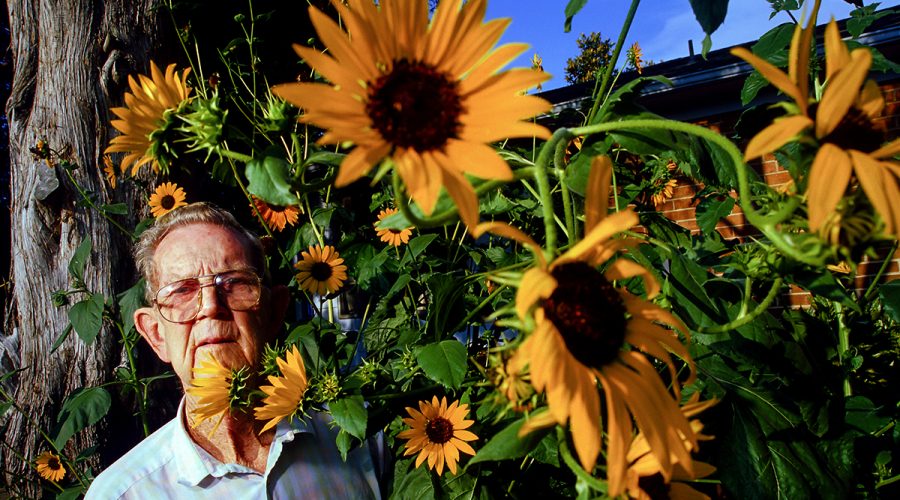
Outer Banks ties inform photojournalist’s climate reporting
Photojournalist Justin Cook shares a personal story of discovering his Outer Banks connections and how this shared history and the Salvo Community Cemetery are being lost to tides and time.
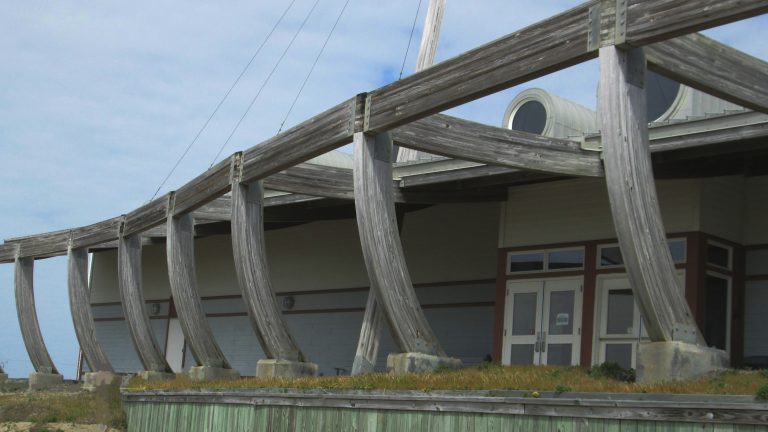
Underwater Tour of Graveyard of the Atlantic: Video
A new video takes a deep dive into the history of the shipwrecks off the NC coast and the Graveyard of the Atlantic Museum in Hatteras village.
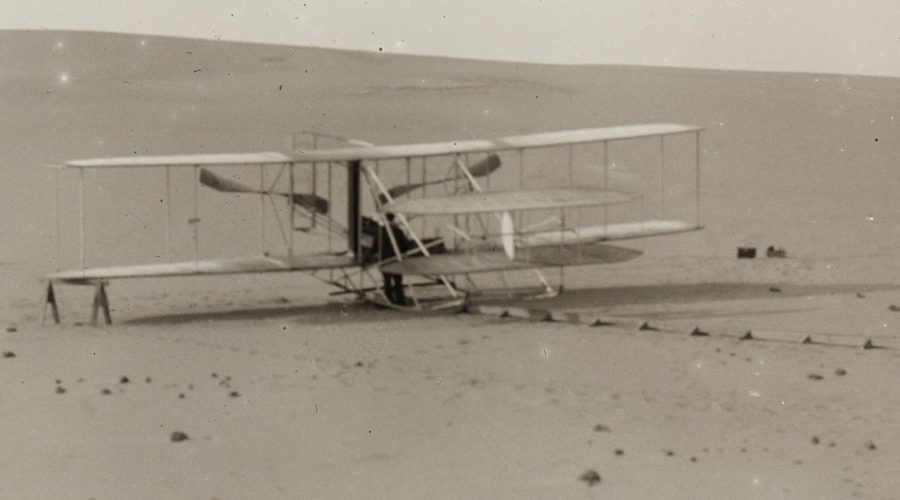
Foundation commissions replica of 1908 Wright Flyer
The First Flight Foundation has commissioned a full-scale reproduction of the Wright 1908 aircraft for display at the North Carolina Museum of History.
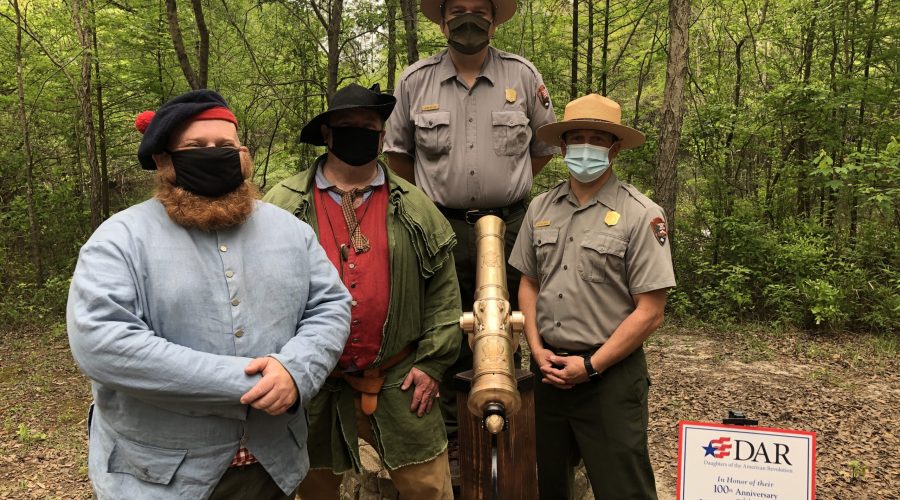
Moores Creek Battlefield Gifted Cannon
Moores Creek National Battlefield in Pender County has received a replica of “Mother Covington’s Daughter,” a cannon in the story of the 1776 Battle of Moores Creek Bridge.
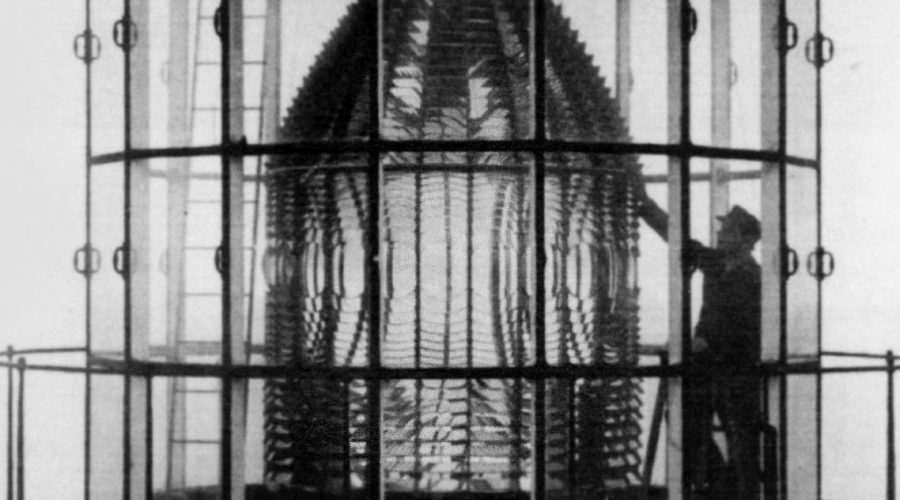
Historic Lighthouse Lens’ Odyssey Continues
The Cape Hatteras Lighthouse’s lens is now on display at the Graveyard of the Atlantic Museum, but its location was a mystery for more than a century.
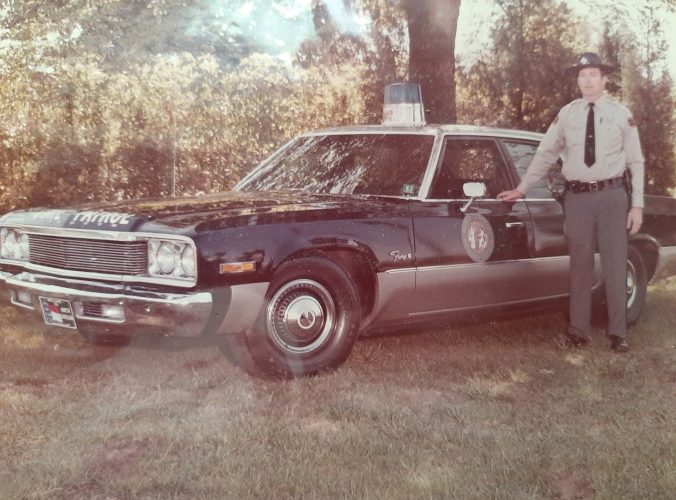
Our Coast: Remembering a Church Bombing
David Cecelski shares his conversation with retired Trooper Bob Edwards, sole eyewitness to the 1966 bombing of an African American church in Craven County.
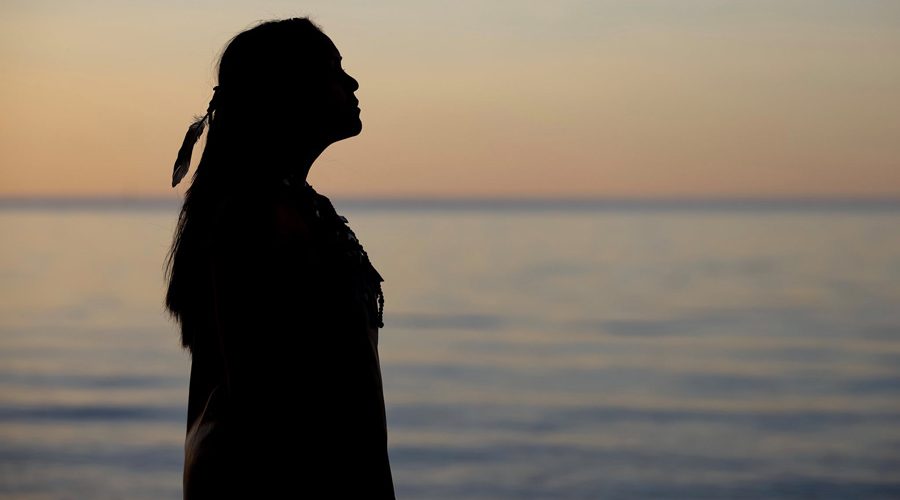
‘The Lost Colony’ to Cast 20 Native Americans
After a dialogue over race and a season canceled by the pandemic, producers of “The Lost Colony” are making changes including how roles are filled.
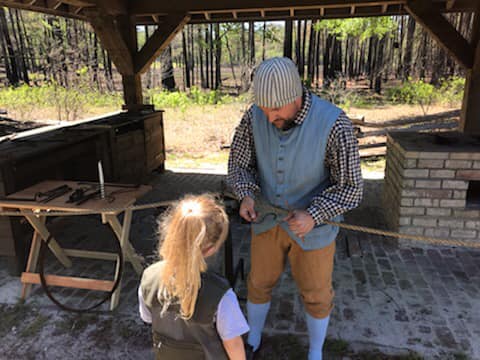
Moores Creek Junior Ranger Day April 24
Musket demonstrations and other activities are planned for Moores Creek National Battlefield’s Junior Ranger Day April 24.
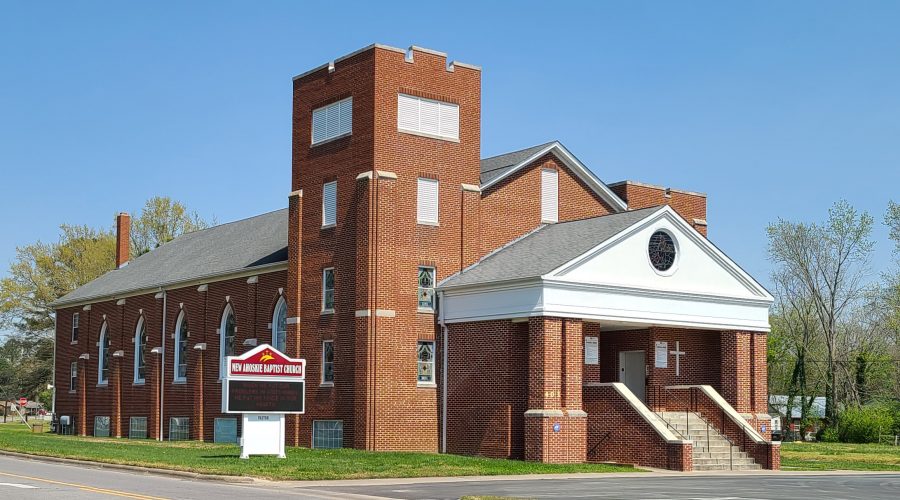
Marker to Note Ahoskie’s Civil Rights Legacy
The N.C. Civil Rights Trail program is set to place a highway marker at New Ahoskie Baptist Church in Ahoskie to celebrate members’ 1960s struggle for civil rights.
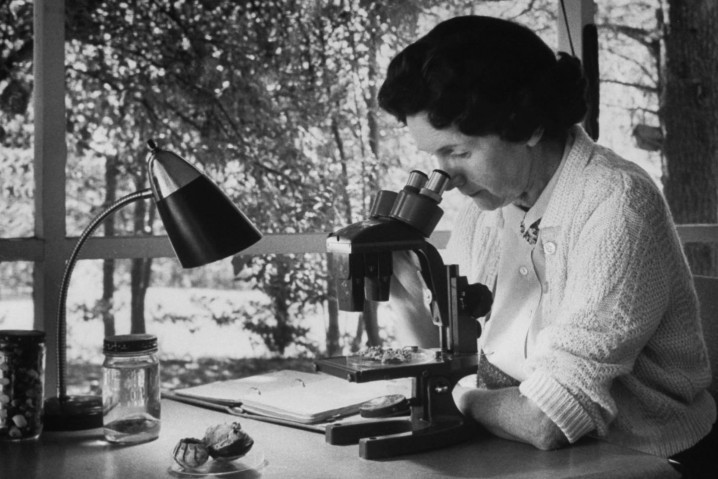
Women Make Mark on NC’s Complex History
Through the centuries, women on the coast have left their imprint on North Carolina’s history, from the uncomfortable to the celebrated.
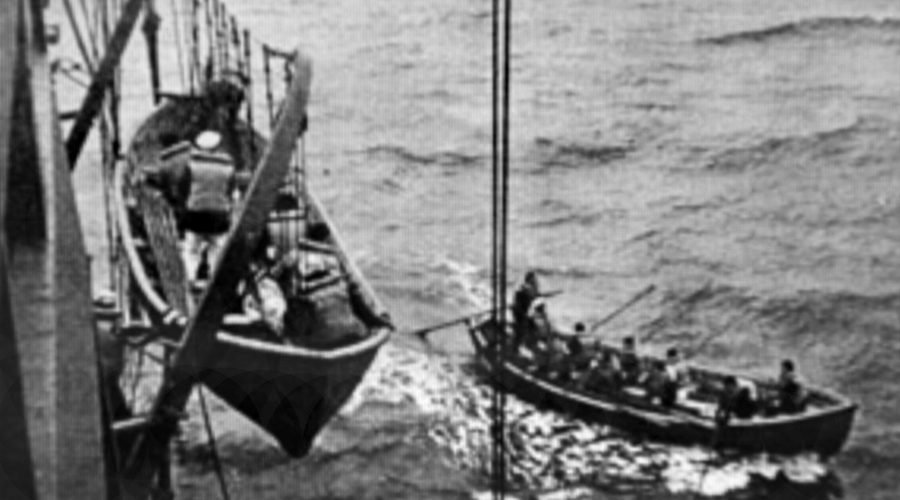
Mother Gives Birth During U-Boat Attack
A mother seeking safety in the U.S. from Hitler’s army gives birth to a baby boy born in a lifeboat off Cape Hatteras in 1942, after surviving a torpedo attack.
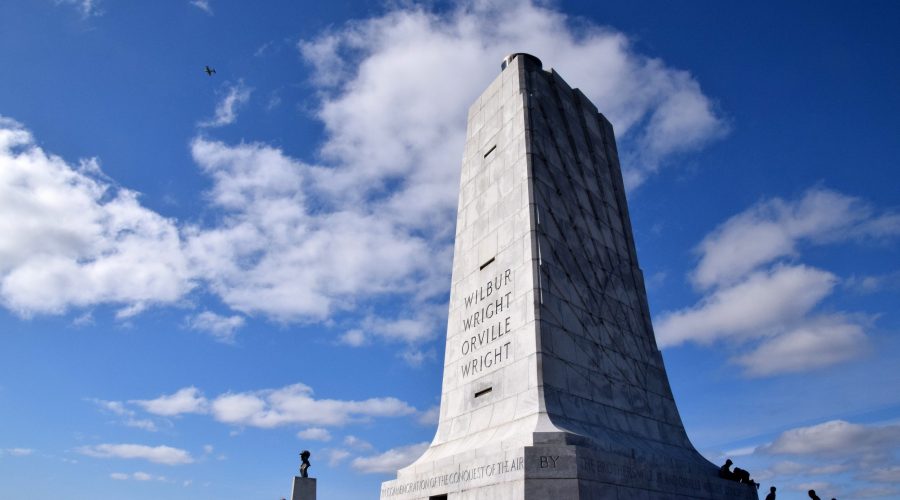
Wright Memorial to Get Outdoor Upgrades
A new plan aims to improve the outdoor visitor experience at the Wright Brothers National Memorial, which has not changed much since 1960.