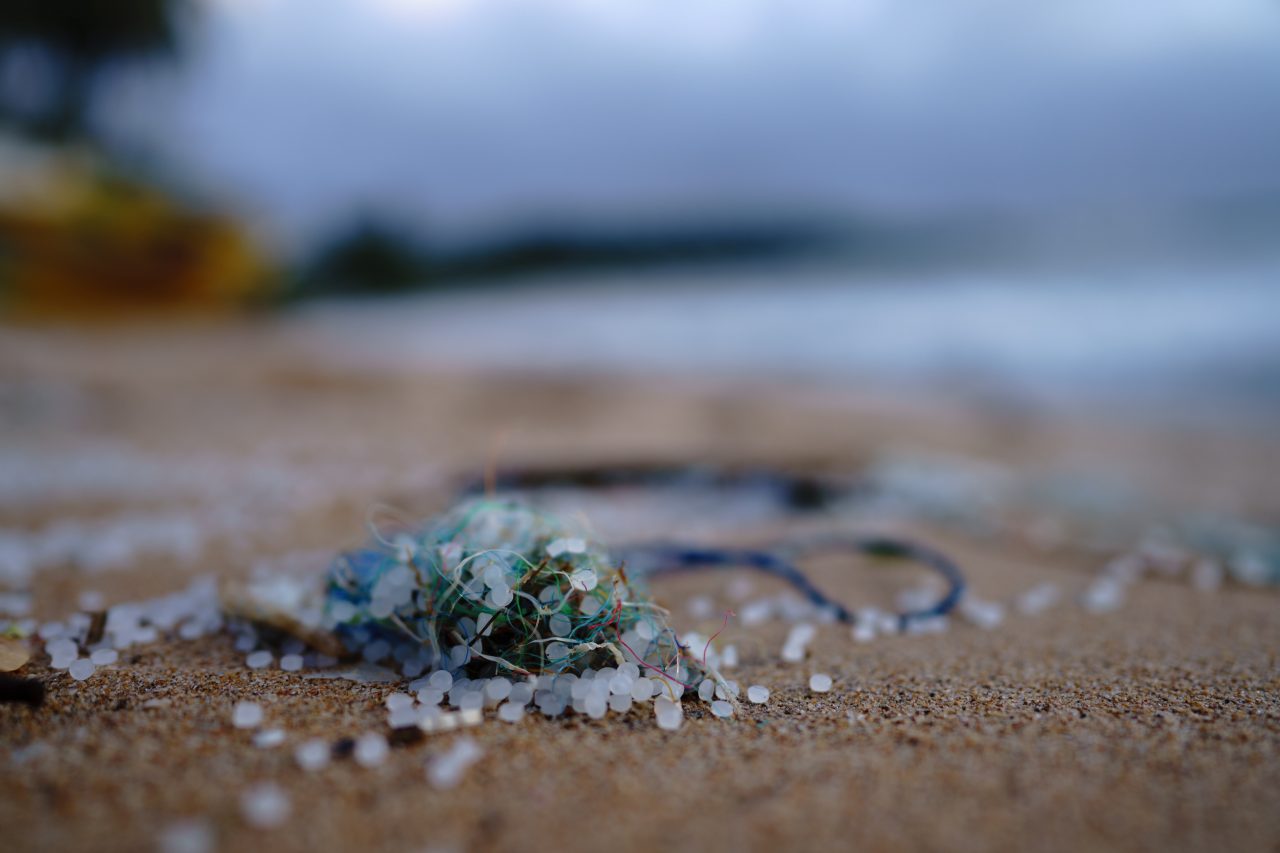
Microplastics and pharmaceuticals have made the Environmental Protection Agency’s newly published draft list of substances in public drinking water that warrant scientific scrutiny.
This marks a first for the EPA, which, along with U.S. Health Secretary Robert F. Kennedy Jr., announced last week that microplastics and pharmaceuticals are two of four contaminant groups and dozens of chemicals included on the draft Sixth Contaminant Candidate List.
Supporter Spotlight
The April 2 announcement kick-started a 60-day public comment period.
The Trump administration hailed the additions to the list, also referred to as CCL 6, as “a landmark set of actions to safeguard the nation’s drinking water.”
“For too long, Americans have vocalized concerns about plastics and pharmaceuticals in their drinking water. That ends today,” EPA Administrator Lee Zeldin stated in a release. “By placing microplastics and pharmaceuticals on the Contaminant Candidate List for the first time ever, EPA is sending a clear message: we will follow the science, we will pursue answers, and we will hold ourselves to the highest standards to protect the health of every American family.”
The announcement comes as the Trump administration is actively pursuing rolling back drinking water standards for several per- and polyfluoroalkyl substances, or PFAS, established under the previous administration.
PFAS, along with disinfection byproducts, once again made it onto a CCL, which singles out contaminants that are known or anticipated to be in public drinking water systems, but are not regulated under the Safe Water Drinking Act and may be considered for future regulatory action.
Supporter Spotlight

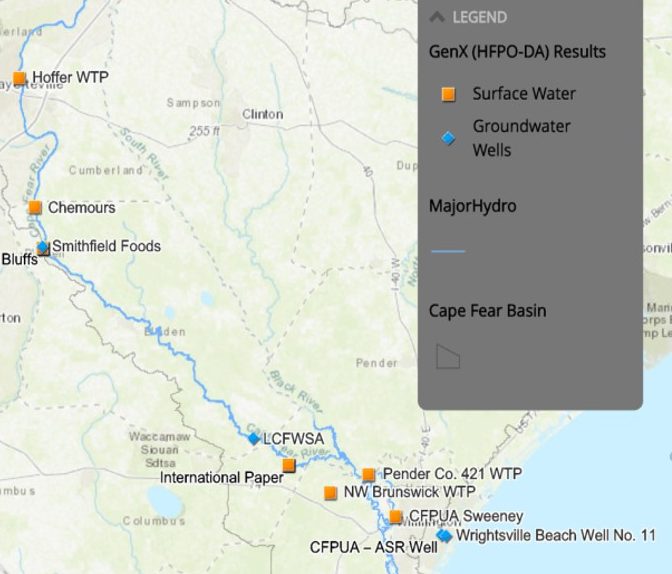
Also making it back on the list is 1,4-dioxane, an industrial solvent that, along with PFAS, is known to be in the drinking water sources for tens of thousands of North Carolinians, perhaps most notably in the Cape Fear Region.
Last year, the EPA announced that it would retain current National Primary Drinking Water Regulations for PFOA and PFOS but rescind regulations and reconsider regulatory determinations for other PFAS, including GenX.
GenX is specific to Chemours’ Fayetteville Works facility that is situated near the banks of the Cape Fear River and more than 70 miles upstream of Wilmington. The Cape Fear River is the raw drinking water source for hundreds of thousands of North Carolinians.
The federal agency also said it was extending deadlines for public water treatment plants to come into compliance with the federally established limits for those PFAS.
Since the late 1990s, the EPA has been required by law to publish every five years a list of contaminants that are either unregulated or not proposed for regulation.
CCLs are considered the initial step in a process to better understand, through scientific research, potential human health risks of contaminants in drinking water.
And, while clean drinking water advocates say this is a good first step, they urge the public to call for regulations to limit the levels of or altogether halt the discharge of contaminants into public drinking water sources.
“I think it’s important to recognize what chemicals are in our drinking water and to study the risks associated with that,” Hannah Nelson, a staff attorney with the Southern Environmental Law Center’s Chapel Hill office said. “But simply adding chemicals to this list isn’t going to protect our communities. They’re on the list because we know they’re in drinking water, so now we need to take the next step to control the source of that pollution at the source and get it out of our drinking water. I North Carolina, because we know these pollutants are already there, I think we really should be focusing on how do we keep them out in the first place, because that’s how we truly protect our communities.”
Residents in the Cape Fear region, the local governments that represent them, the public water utilities that serve them, and environmental organizations are embroiled in an ongoing fight pushing for state regulations to put the onus on dischargers of PFAS and 1,4-dioxane to reduce the amounts of chemicals they release into drinking water sources.
On Tuesday, the North Carolina Environmental Management Commission will host its first in a series of public hearings on proposed PFAS and 1,4-dioxane monitoring and minimization rules.
Three hearings will focus on proposed rules for discharges of PFOS, PFOA and GenX into North Carolina’s surface waters and three on proposed rules for monitoring and minimizing 1,4-dioxane in wastewater discharges from certain facilities into surface waters.
The proposed rules packages do not set specific discharge limits or penalties for discharge violations, which has become a sticking point for those who argue that the rules would do little in actually minimizing the amount of those contaminants in drinking water sources.
“We know our environmental rulemaking body is currently trying to pass rules on PFAS and 1,4-dioxane that don’t control chemicals at the source,” Nelson said. “Having drinking water standards would be a helpful too, but our real focus should be, how can we keep these out in the first place and how can we encourage our state and our federal leaders to protect the people from the pollution before it even reaches the point of coming out of our sink and pouring into our cups.”
Beyond Plastics, a Bennington College, Vermont-based organization dedicated to ending single-use plastic pollution, called for similar regulation for microplastics.
“The U.S. Environmental Agency has taken an important first step to regulate microplastics in drinking water,” Beyond Plastics President and former EPA Regional Administrator Judith Enck stated in a release. “I applaud this decision by the EPA and urge the agency to move rapidly to not only regulate microplastics in drinking water but to also prevent microplastics from entering our water supplies.”
Cape Fear River Watch’s Water Quality Programs Manager Rob Clark agreed, saying that microplastics are ubiquitous – they’re in our environment and in our bodies.
“It’s a situation where it seems like we already have a lot of information on this,” he said. “What we need is ubiquitous monitoring across the country and we need regulation. The quicker that we get to setting a maximum contaminant level for microplastics, the quicker it’s not in our drinking water.”
In its April 2 release, the EPA noted that while human health benchmarks for pharmaceuticals are not regulations and not enforceable, “they are a vital resource, empowering local decision-makers to evaluate risks and protect their communities when pharmaceutical contamination is detected at concerning levels.”
The public comment period on draft CCL 6 will close June 5.
The EPA is expected to sign a final list by Nov. 17.
“I think public comment periods on action like this are really important because it’s a good time for folks to express concerns about the chemicals that are known to be present in their drinking water,” Nelson said. “Adding chemicals to the list is truly just an acknowledgement that they’re in the water. I don’t think we should read this list as a commitment to going above and beyond and advocating for folks. What we need to see is strong action to keep those chemicals out, whether it be from the federal administration or our state agencies.”